Enhance number recognition Addition & Subtraction Worksheets for Ages 3-9
17 filtered results
-
From - To
Enhance number recognition and boost your child's math skills with our engaging Addition & Subtraction Worksheets tailored for ages 3-9! These interactive resources are designed to make learning numbers fun and effective. Our carefully crafted worksheets help young learners master addition and subtraction through exciting activities that promote number recognition and problem-solving. Each worksheet encourages children to blend creativity with foundational math concepts, ensuring they build confidence as they progress. Perfect for home or classroom use, these worksheets are an essential tool for fostering mathematical understanding and love for learning. Start your child's math journey today with our invaluable resources!
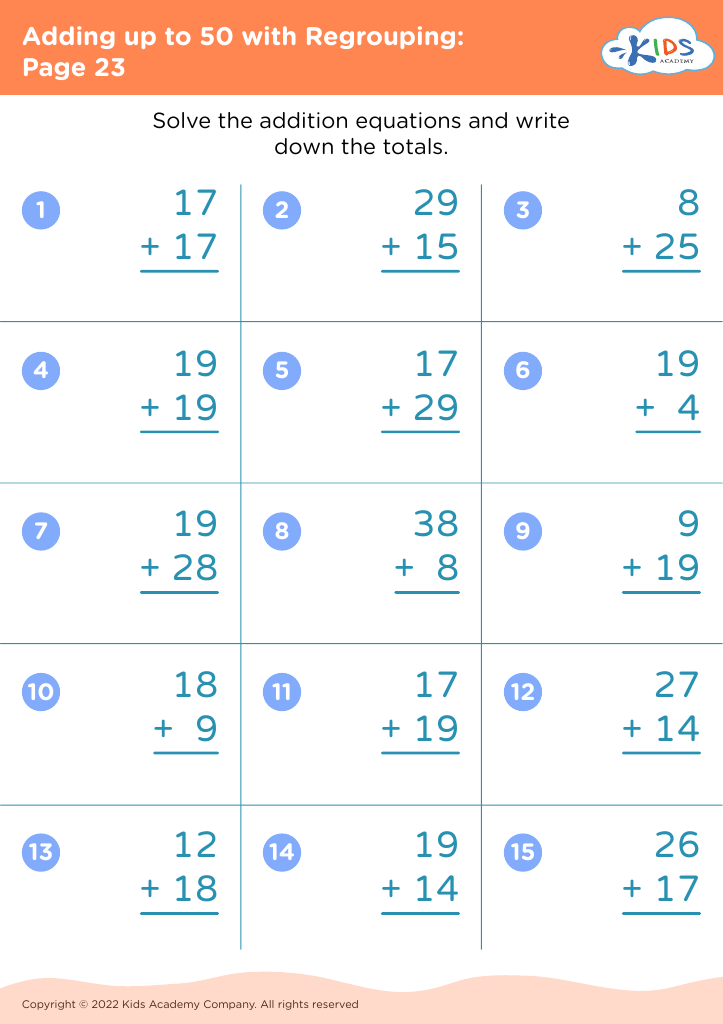
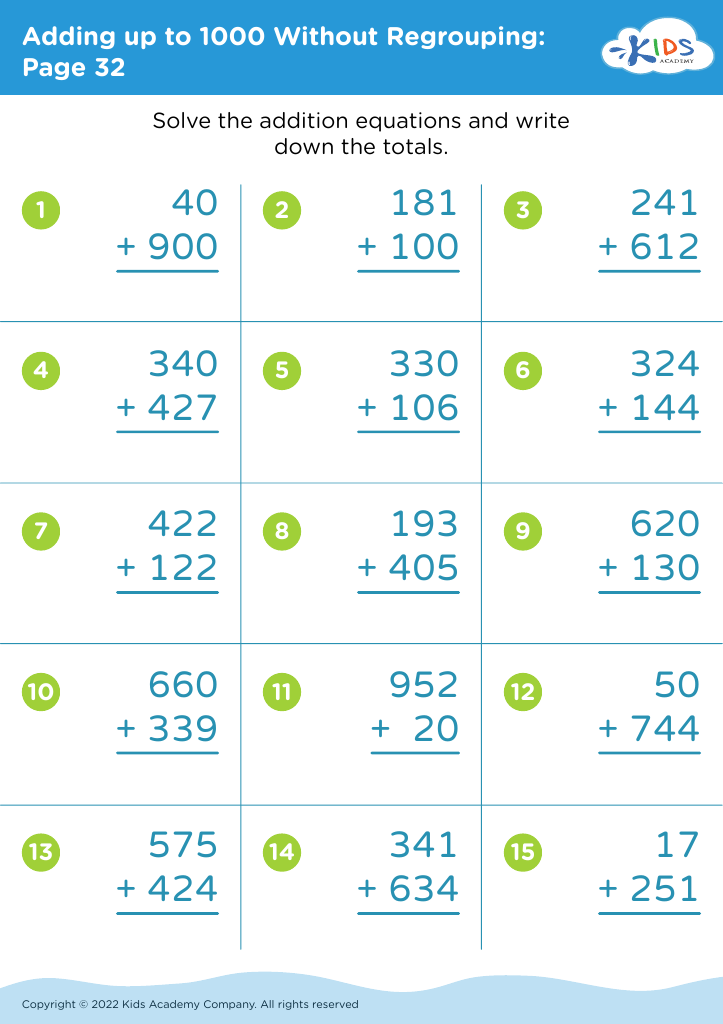
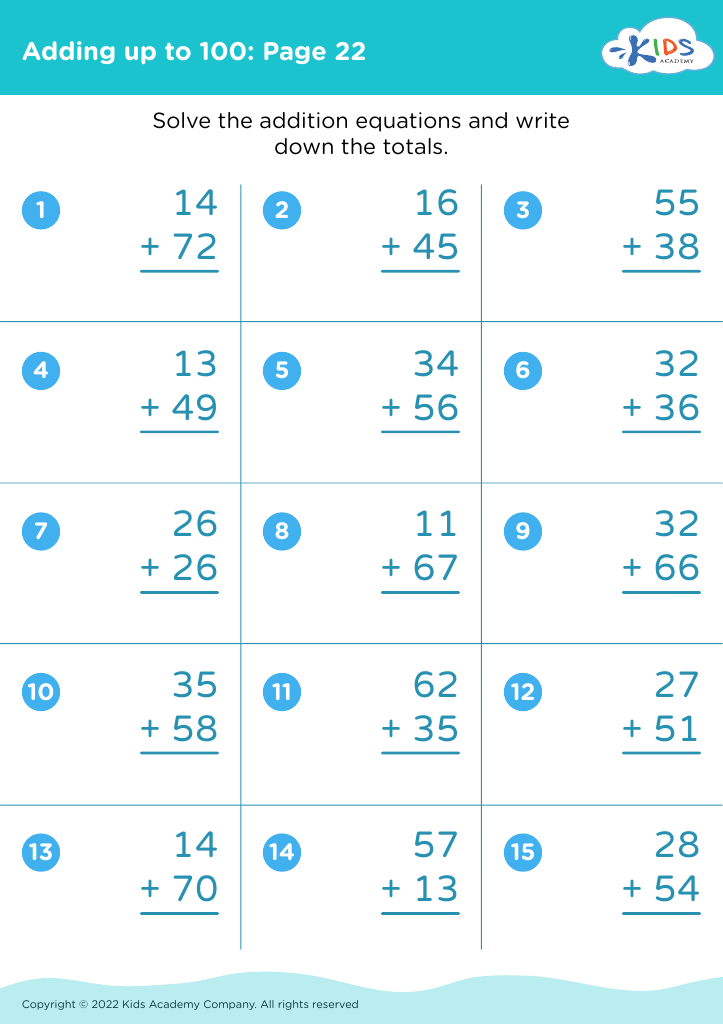
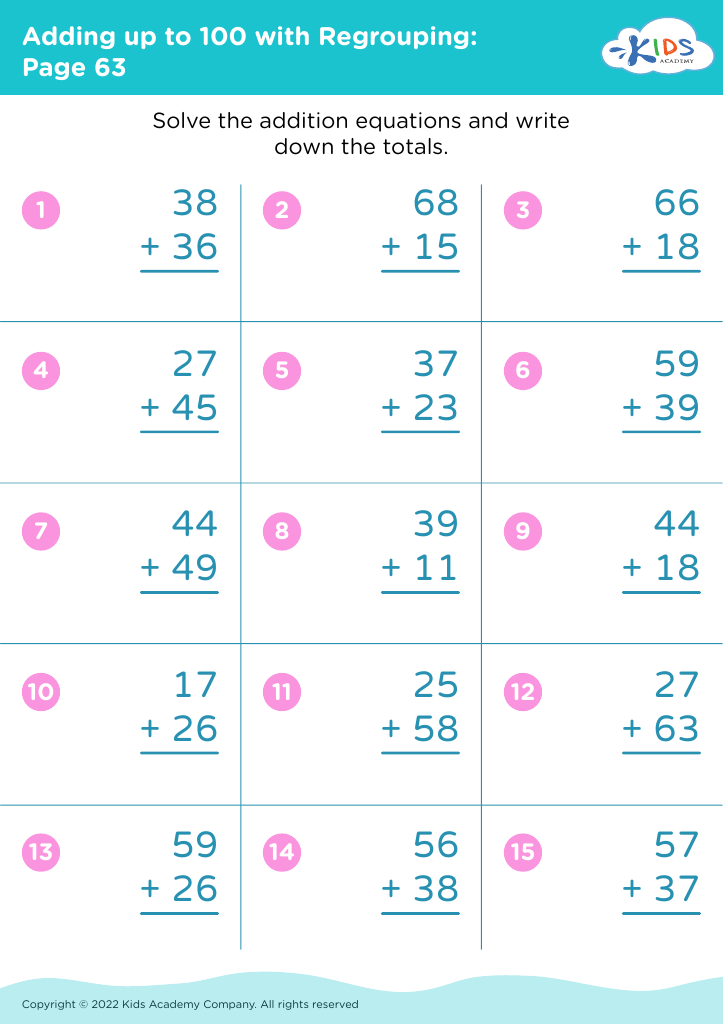
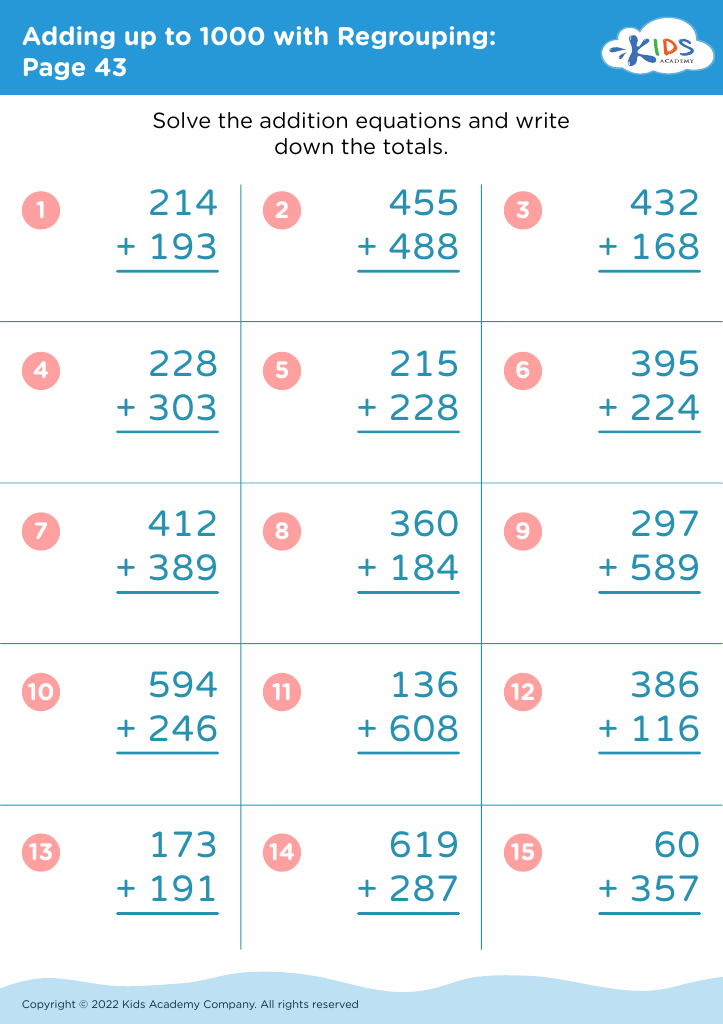
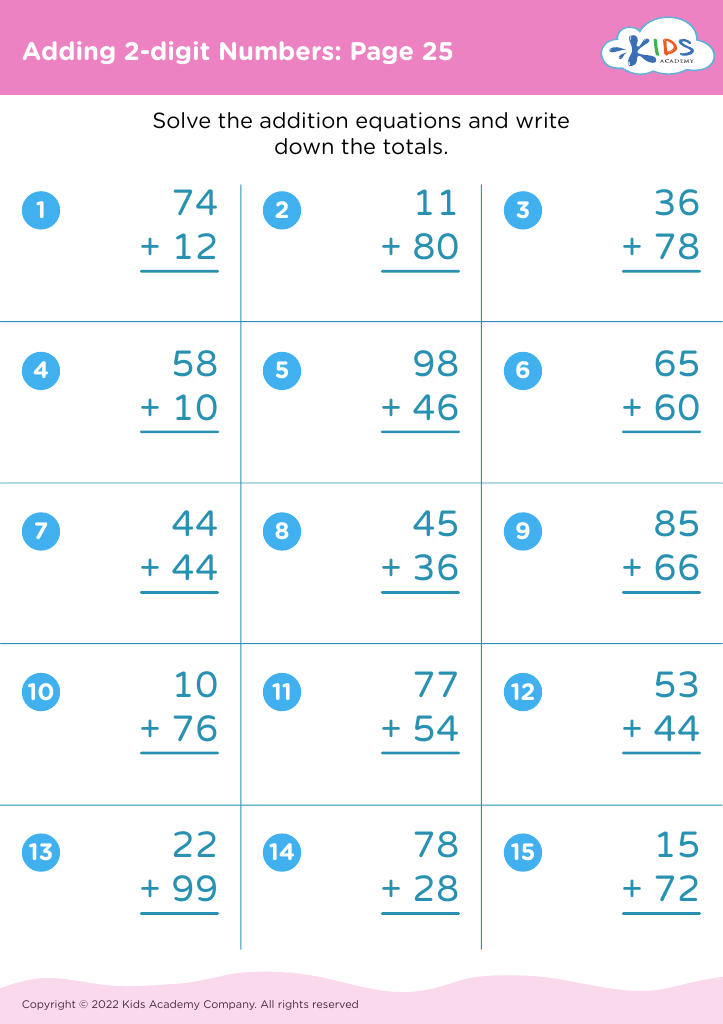
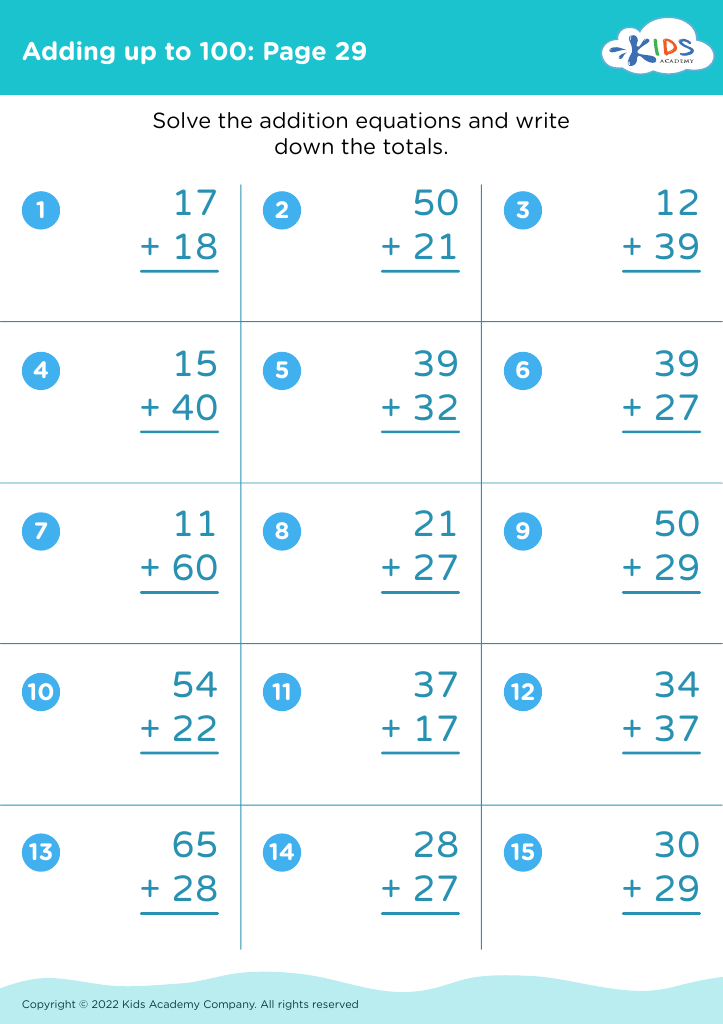
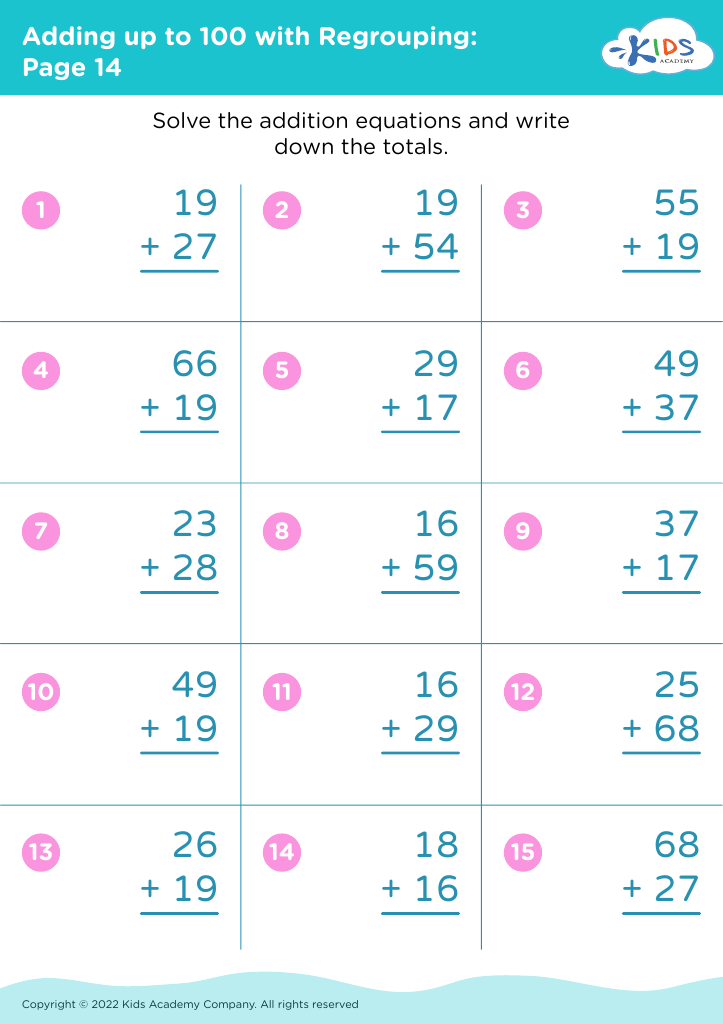
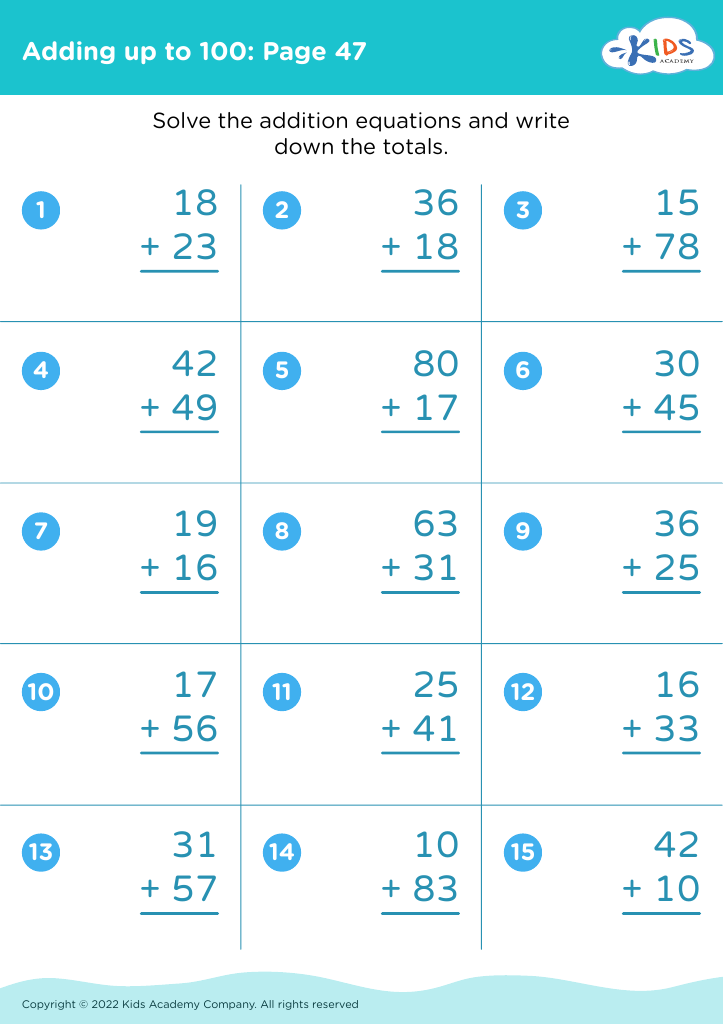
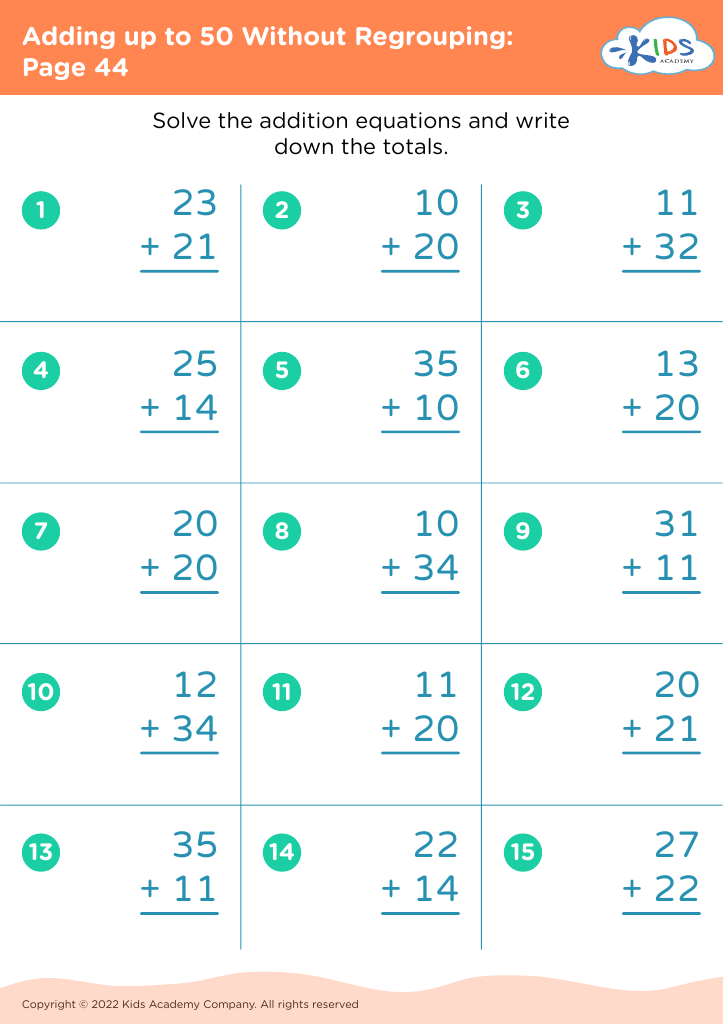
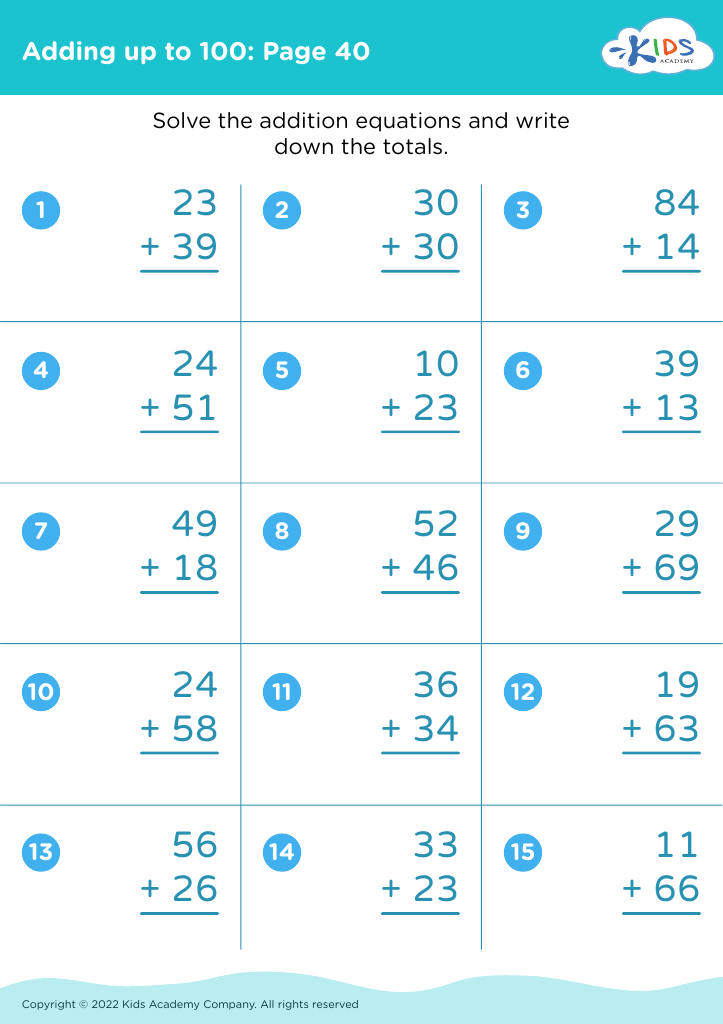
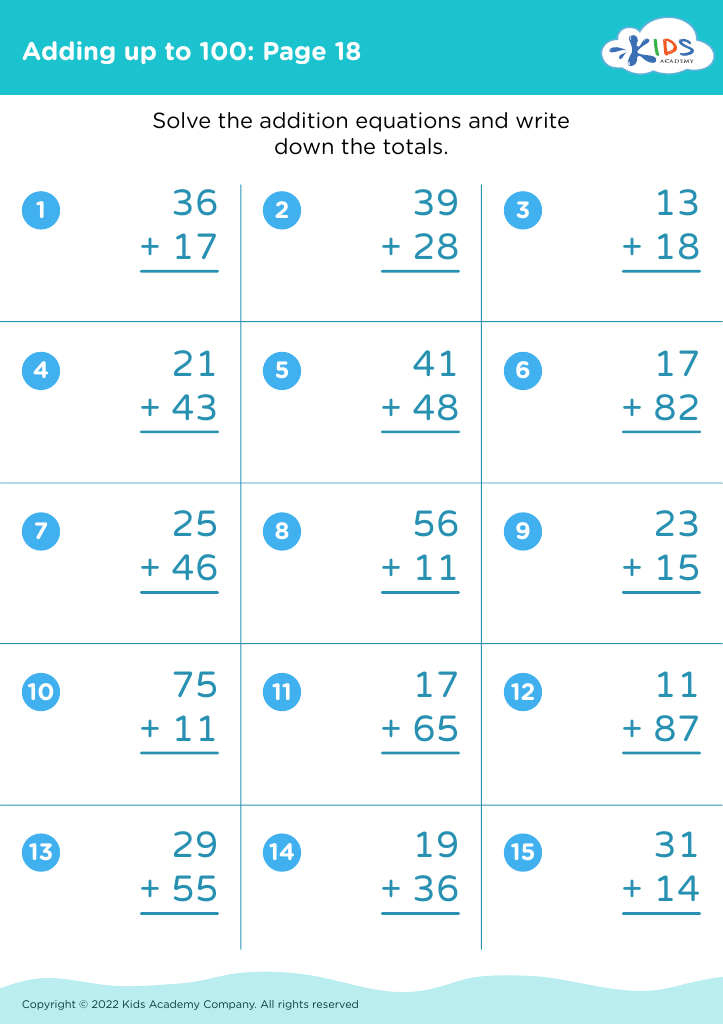
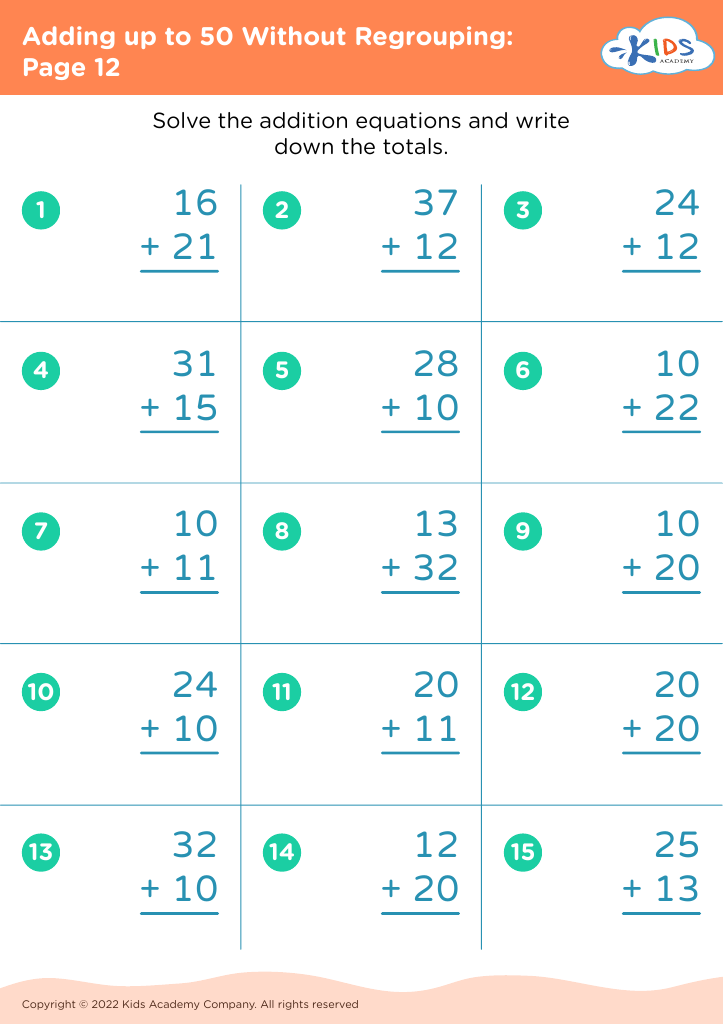
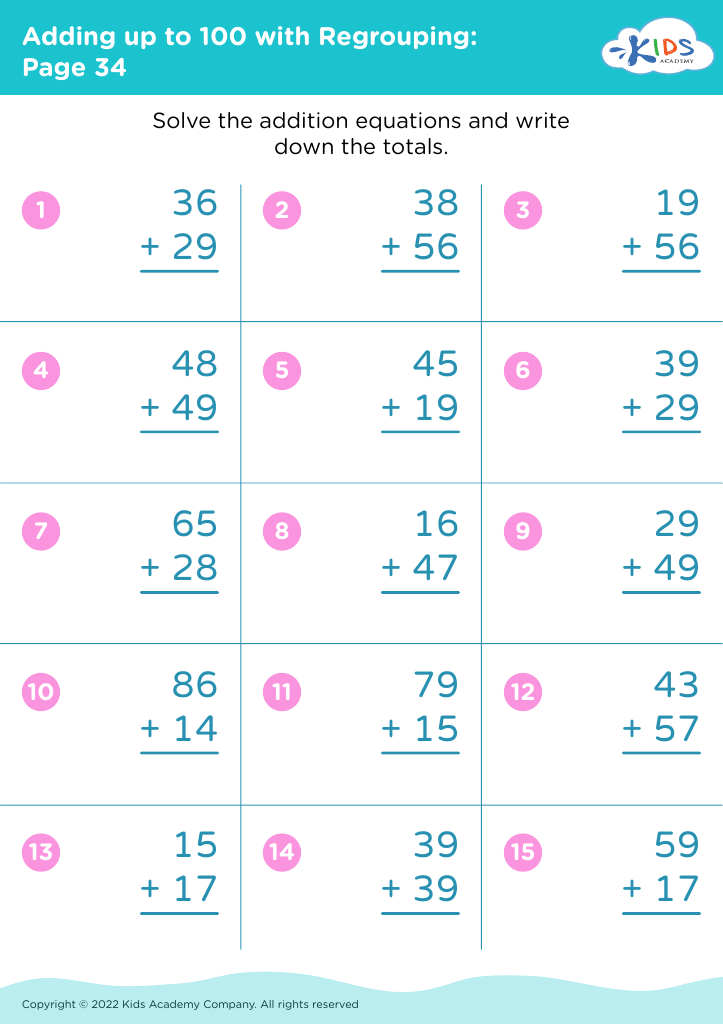
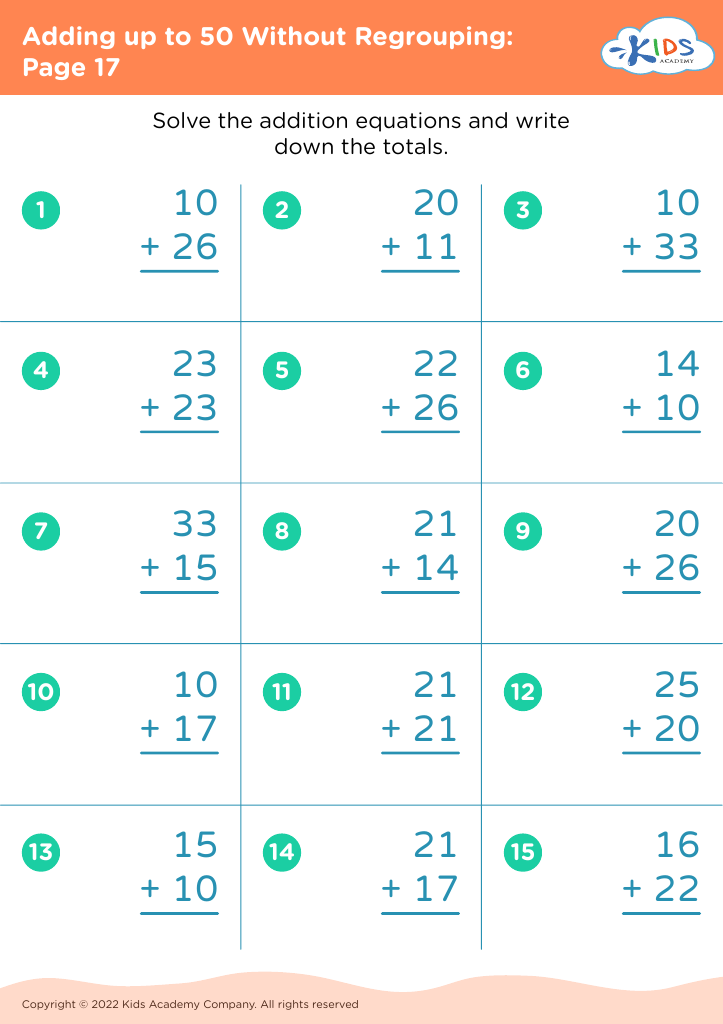
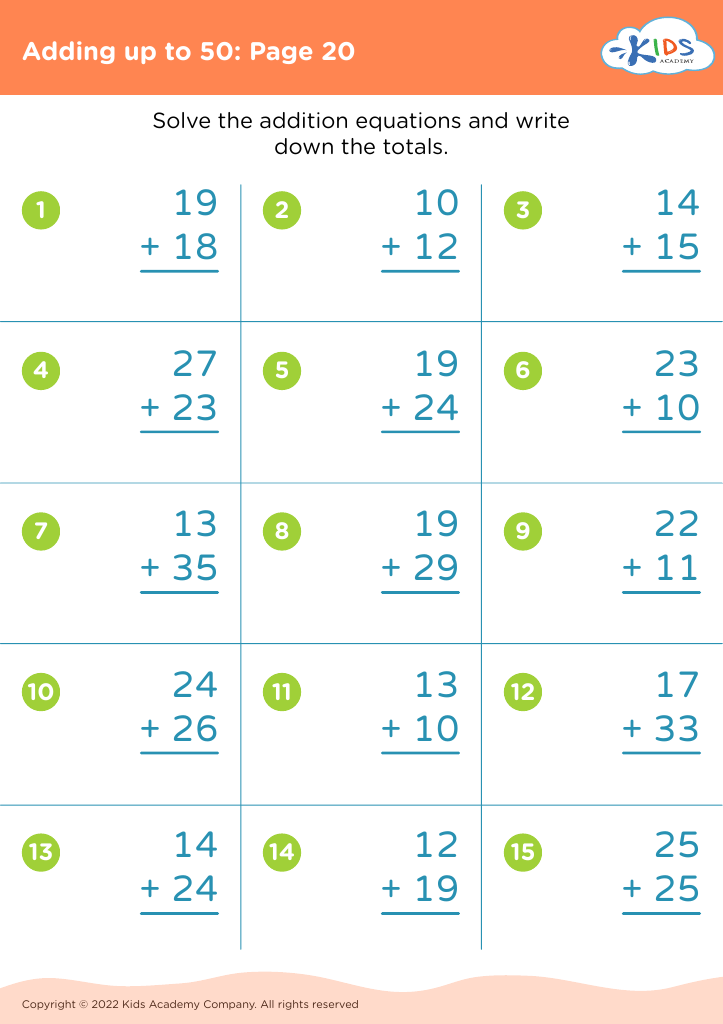
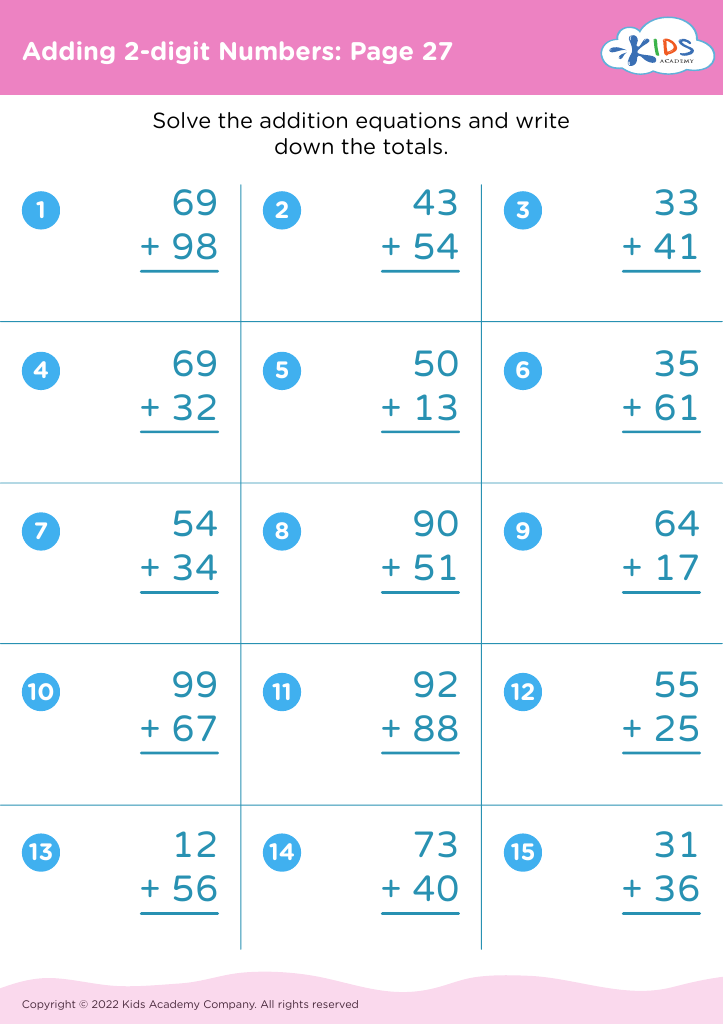








Enhancing number recognition, addition, and subtraction skills in children aged 3 to 9 is crucial for foundational math literacy. Starting early nurtures a positive attitude toward mathematics, making it an integral aspect of their educational journey. When parents or teachers emphasize these skills, children develop confidence in their ability to handle numbers, which can significantly influence their performance in school as subjects evolve in complexity.
Number recognition lays the groundwork for basic arithmetic; recognizing numerals is the first step to mastering addition and subtraction. Engaging with these concepts through fun and interactive methods—like games, storytelling, and hands-on activities—can make learning enjoyable, thereby encouraging children to explore and question, key characteristics of effective learners.
Moreover, these skills promote critical thinking and problem-solving abilities. Early mastery allows children to apply logical reasoning in real-life situations, which contributes to overall cognitive development. Additionally, fostering these competencies encourages discipline and perseverance, traits that benefit children beyond their academic careers. Ultimately, investing time in enhancing number recognition and basic operations not only supports children's academic growth but also cultivates essential life skills, paving the way for future success.








