Fine Motor Skills Addition & Subtraction Worksheets for Ages 3-9 - Page 2
82 filtered results
-
From - To
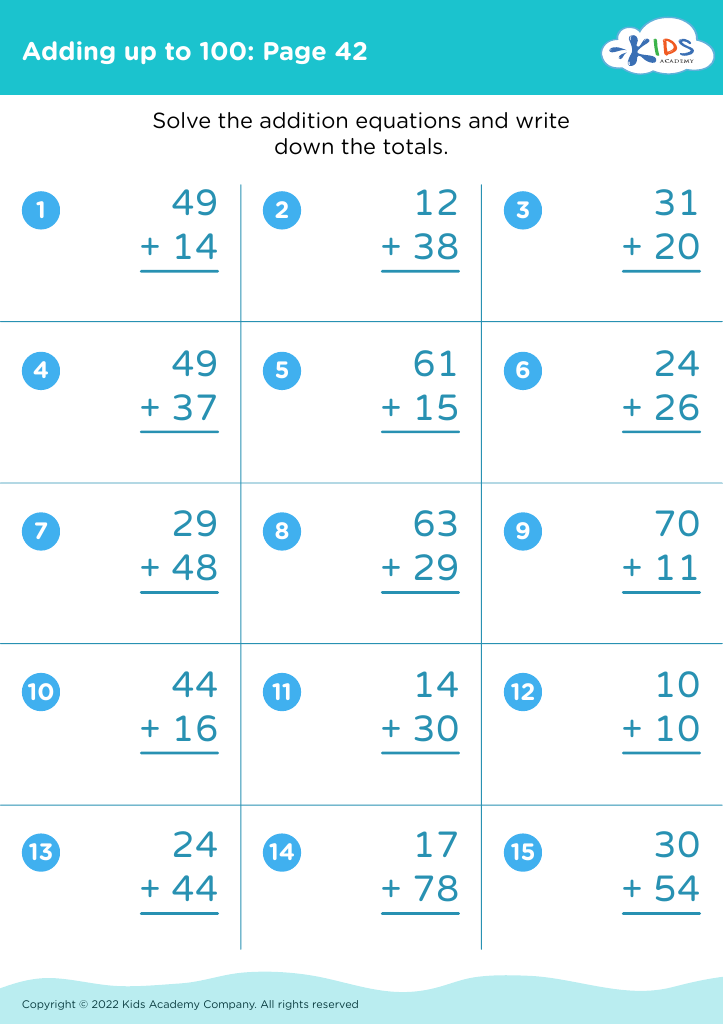
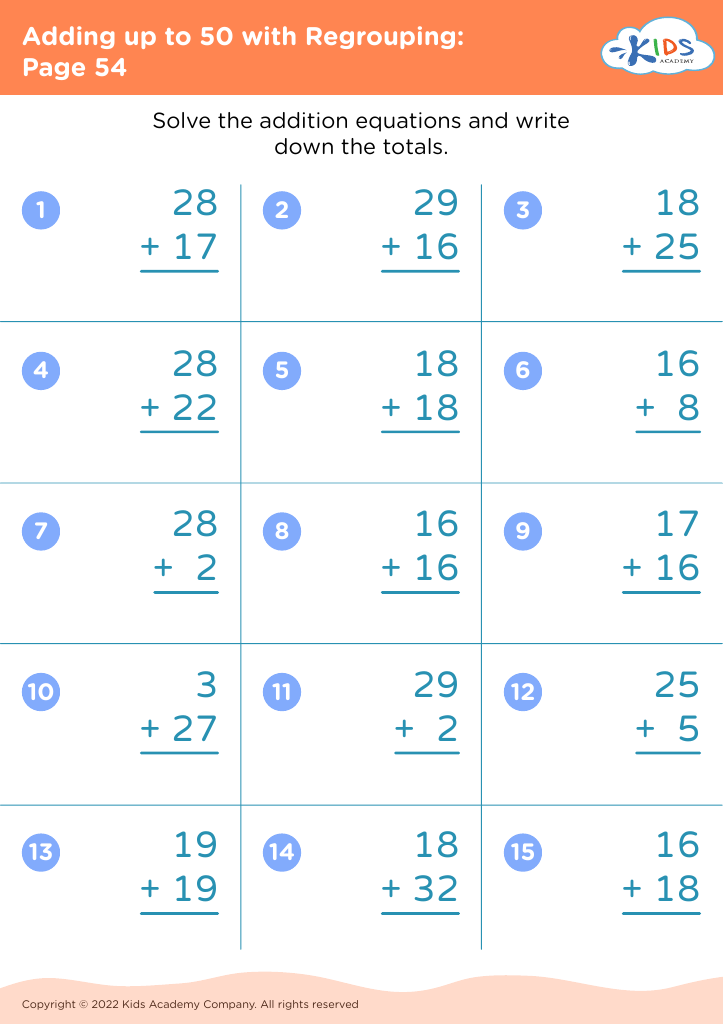
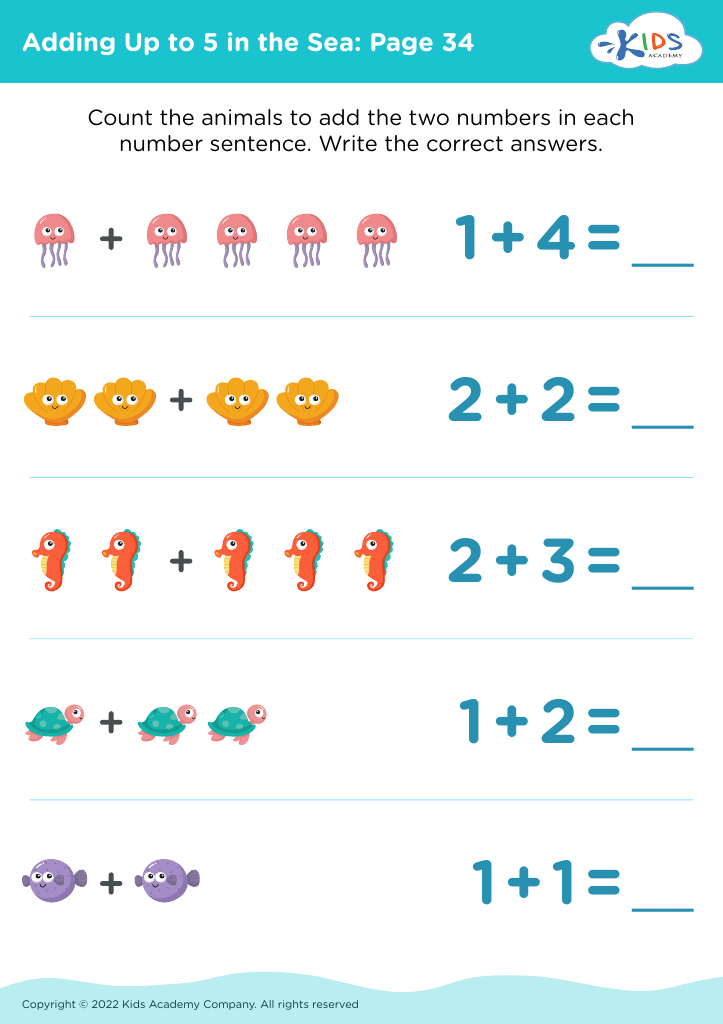
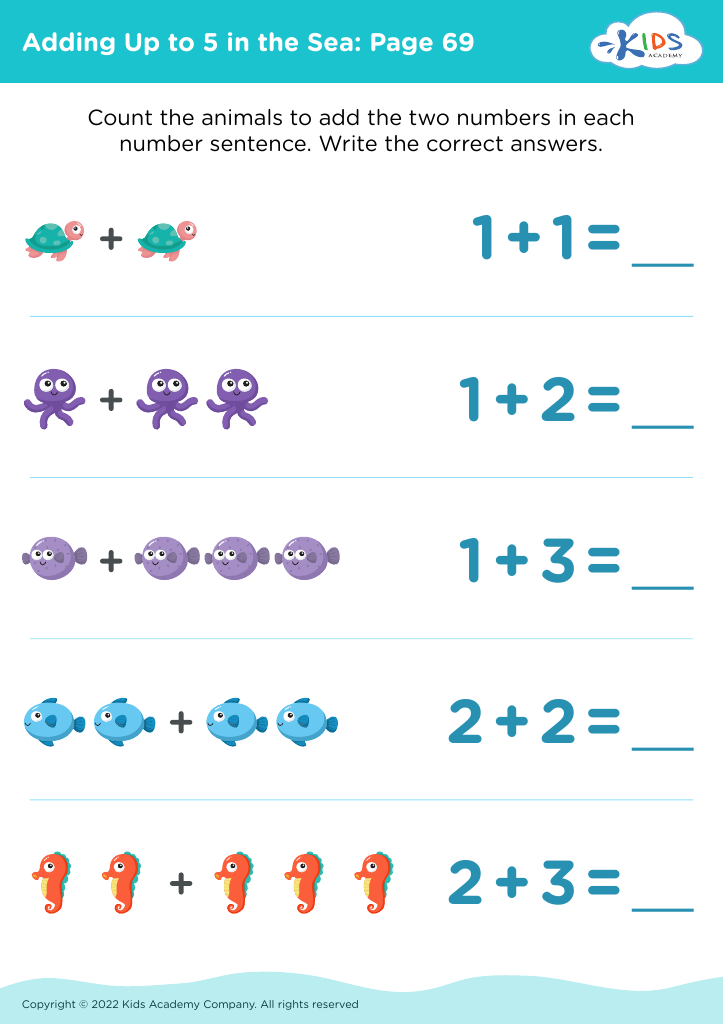
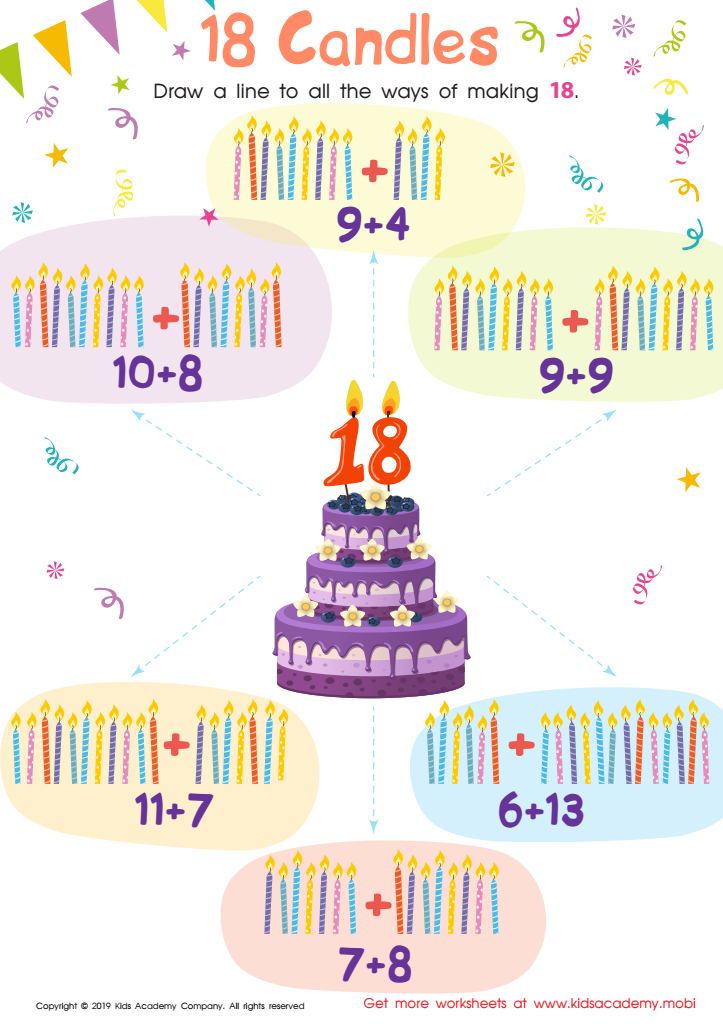
18 Candles Worksheet
 Assign to My Students
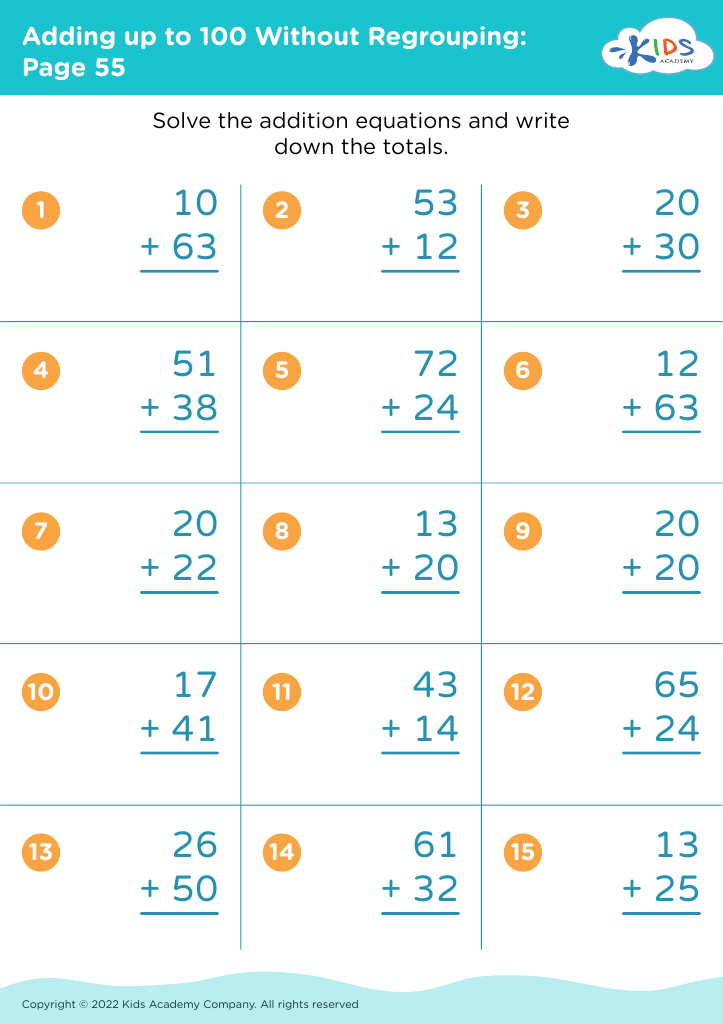
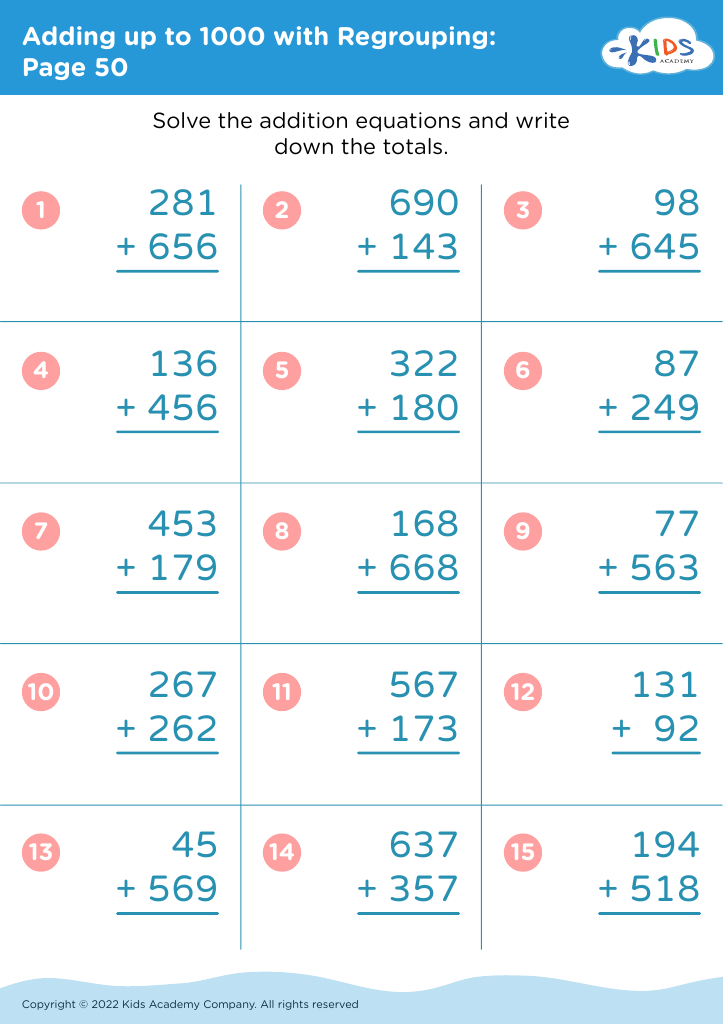
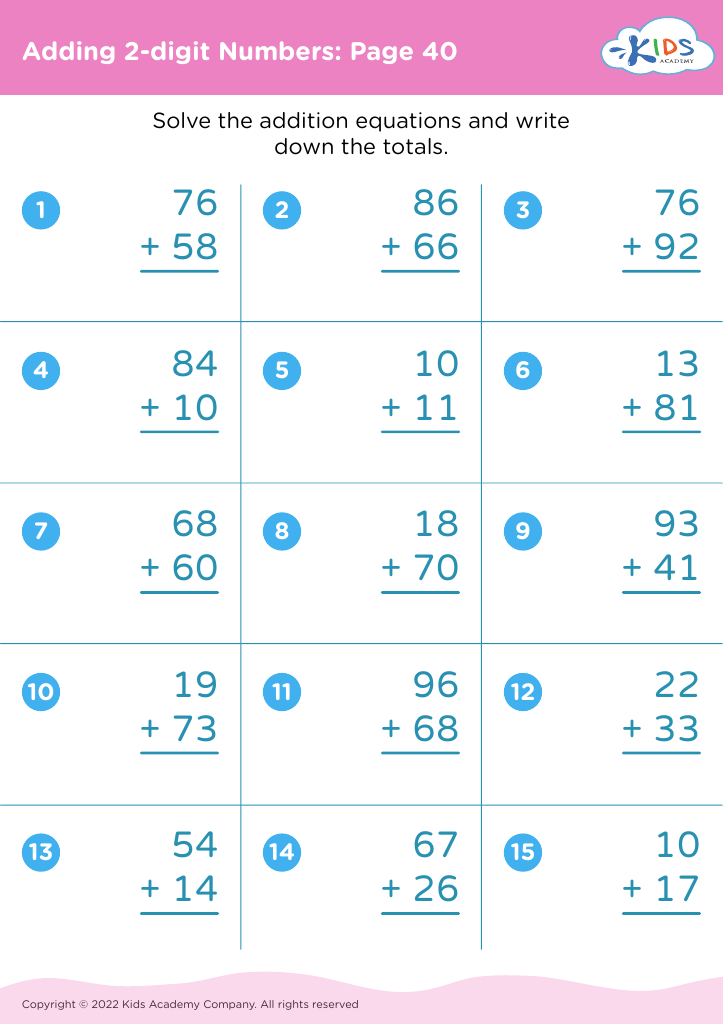
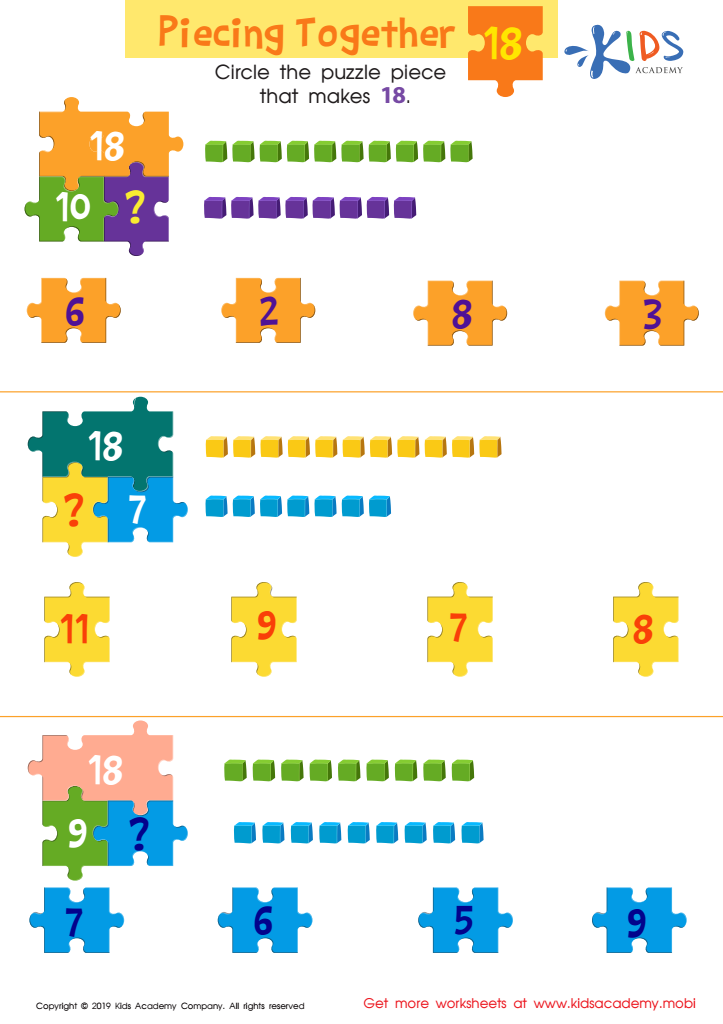
Piecing Together 18 Worksheet
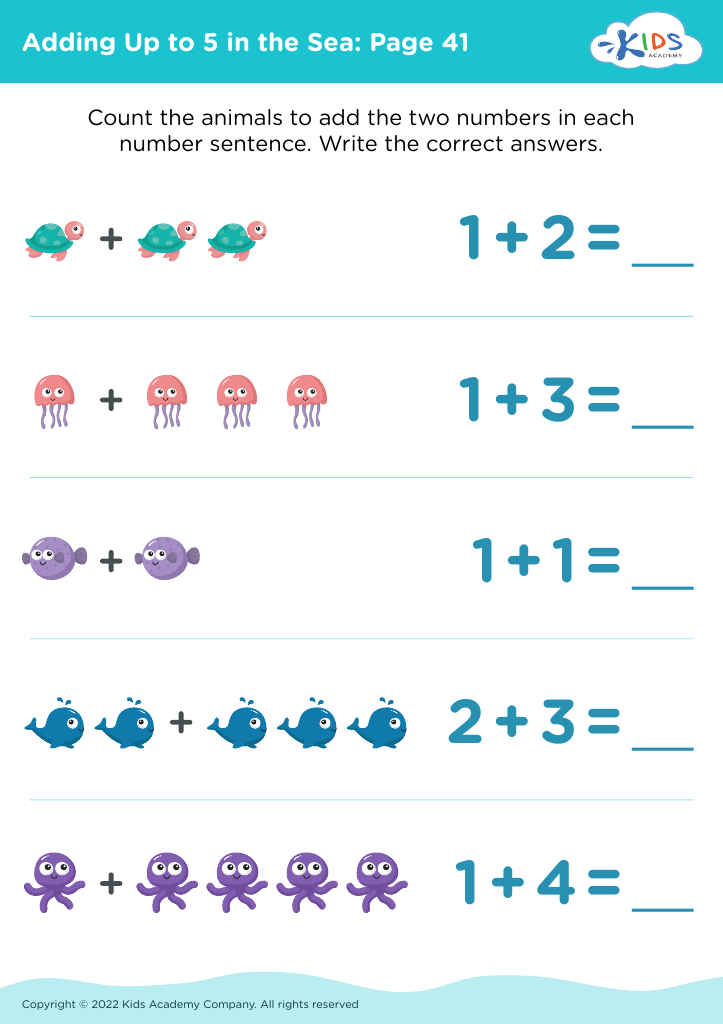
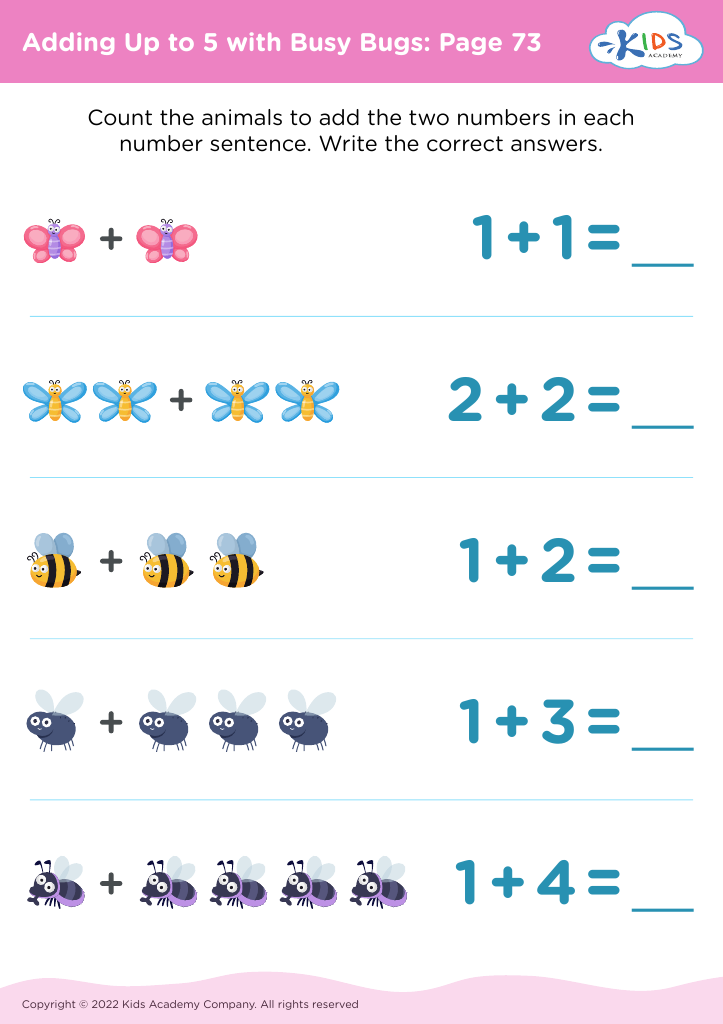
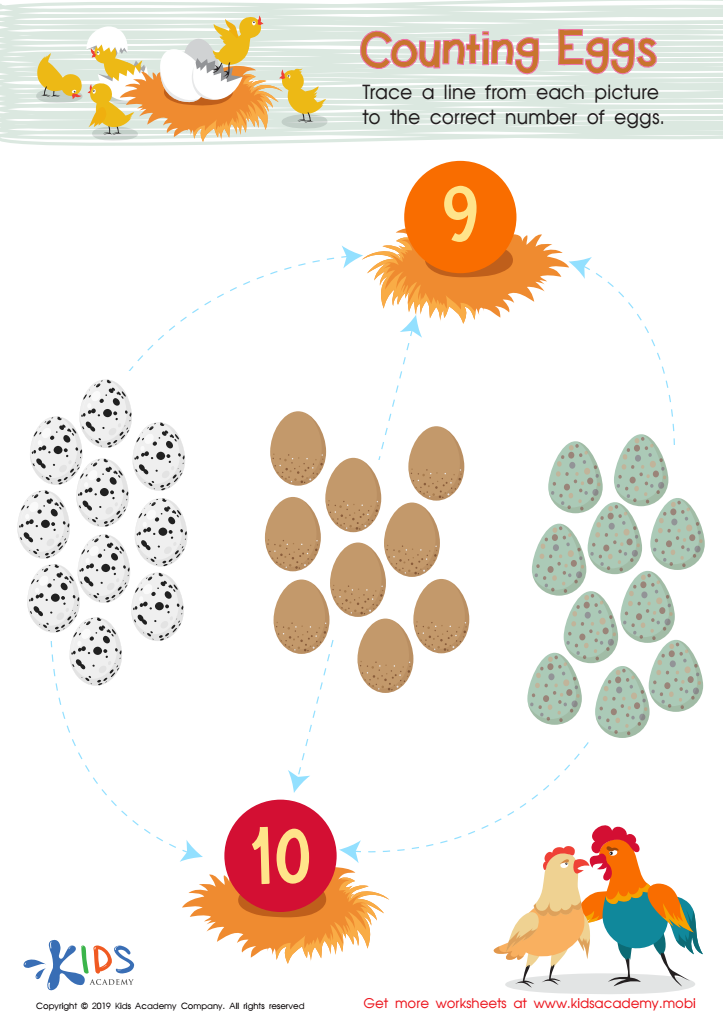
Counting Eggs Worksheet
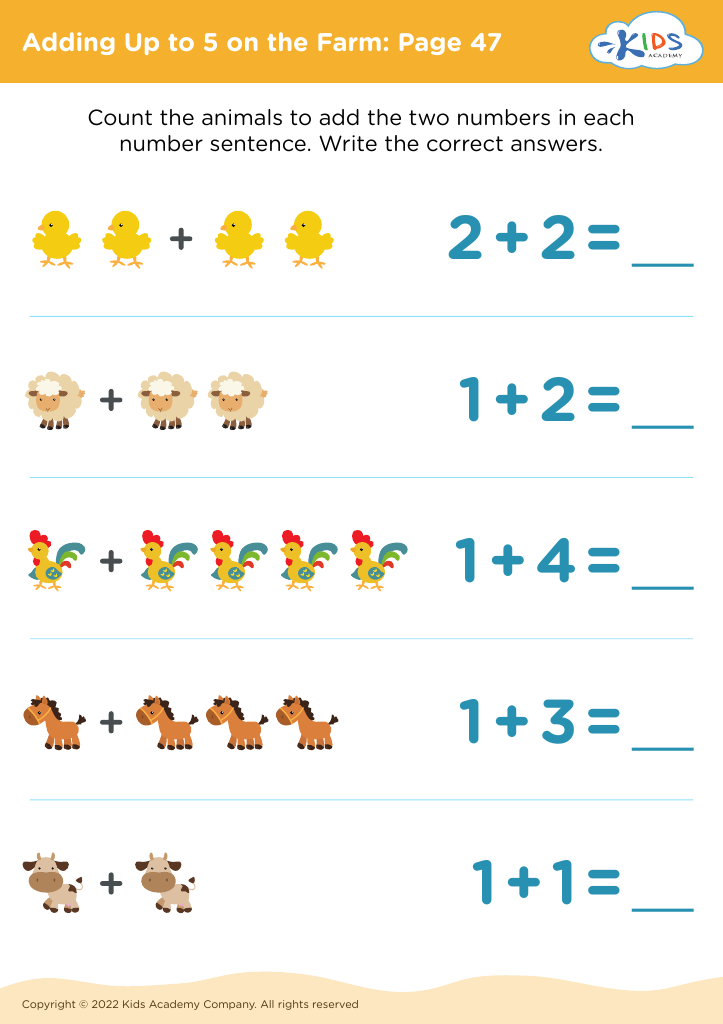

6 Parrots Worksheet







Fine motor skills are crucial for children aged 3-9 as they play a significant role in both their academic and everyday life development. When addressing concepts like addition and subtraction during this critical stage, fine motor skills come into play, fostering children's ability to manipulate tools and objects required for mathematical tasks.
Parents and teachers should care about this aspect of development because mastering fine motor skills enhances children's independence in handling writing instruments, counting manipulatives, and utilizing educational resources—essential components in mastering basic arithmetic. When children engage in activities that involve drawing, cutting, or using building blocks, they improve their hand-eye coordination and dexterity, which directly supports their ability to visualize and solve math problems.
Furthermore, encouraging fine motor development instills confidence in young learners, enabling them to approach math with excitement rather than apprehension. Engaging activities, such as threading beads or playing with playdough, can make learning addition and subtraction fun, reducing anxiety around math. By integrating fine motor skill activities with math practice, parents and teachers can create a holistic learning environment that nurtures children's cognitive and physical development, ultimately laying a strong foundation for future academic success.








