Fraction identification Addition & Subtraction Worksheets for Ages 3-9
5 filtered results
-
From - To
Explore our engaging Fraction Identification Addition & Subtraction Worksheets designed for children aged 3-9. These interactive resources encourage young learners to grasp basic fractions in a fun and educational way. Our worksheets will help kids recognize, compare, and work with fractions, laying a solid foundation for future math skills. By practicing addition and subtraction involving fractions, students will enhance their problem-solving abilities while boosting their confidence in mathematics. Suitable for classroom or home learning, each activity offers clear instructions and colorful visuals to captivate young minds. Start your child’s mathematical journey today with our Fraction Identification Worksheets!
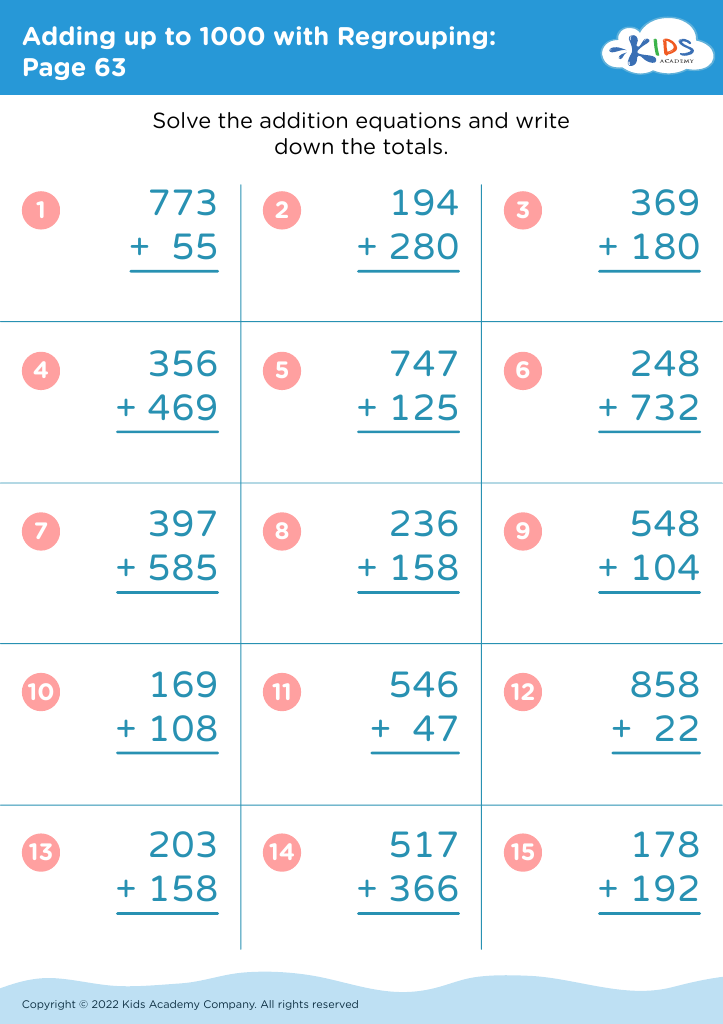
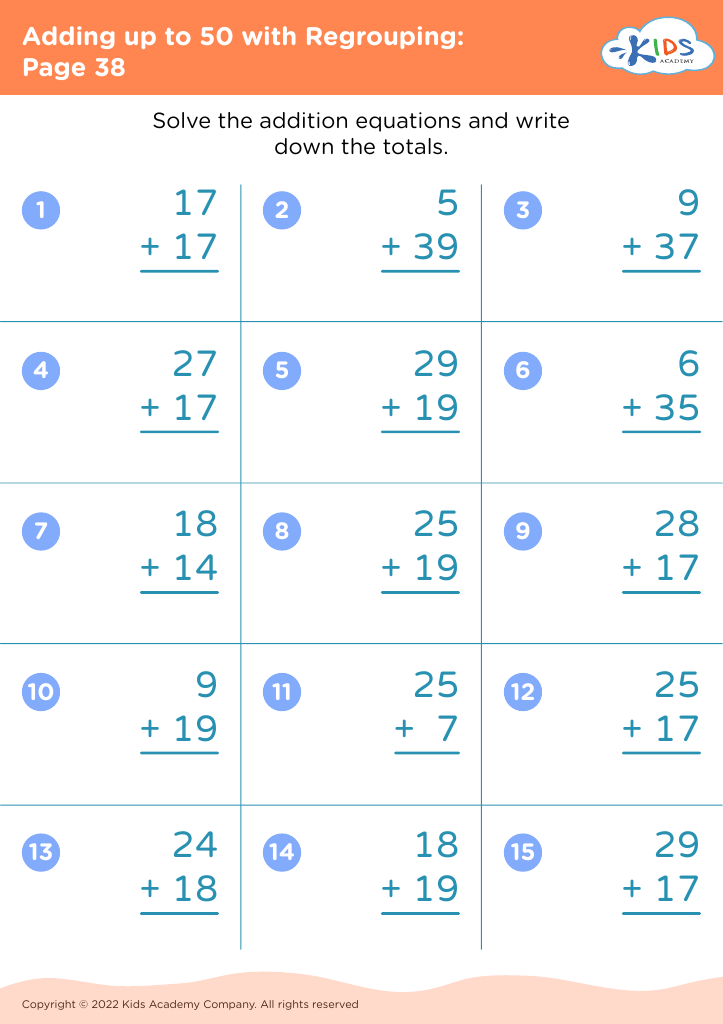
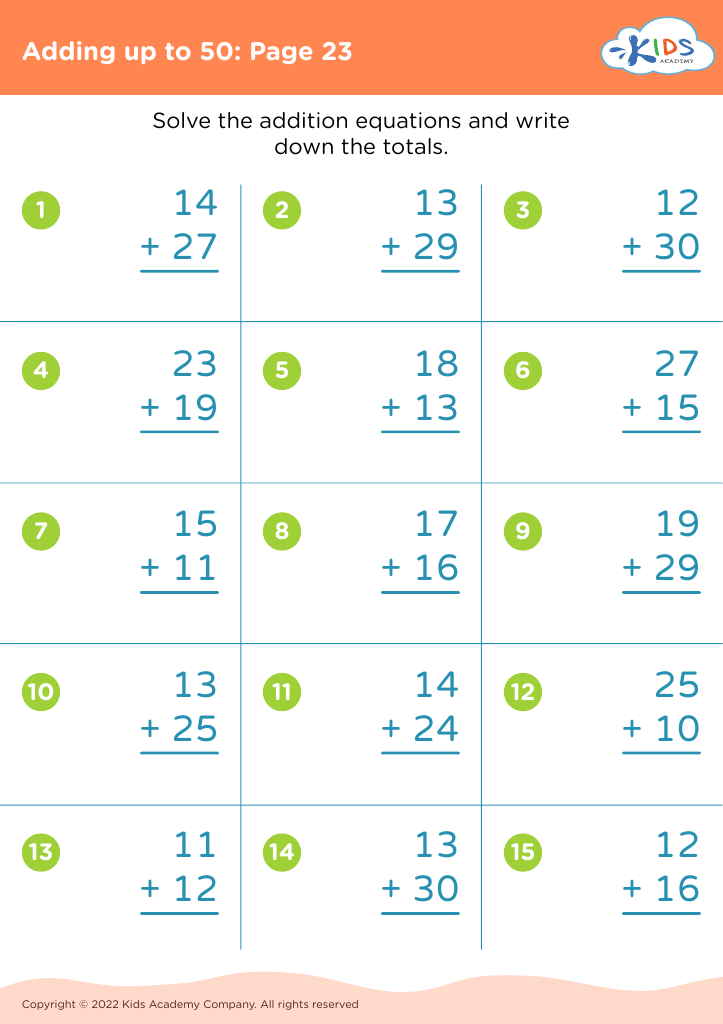
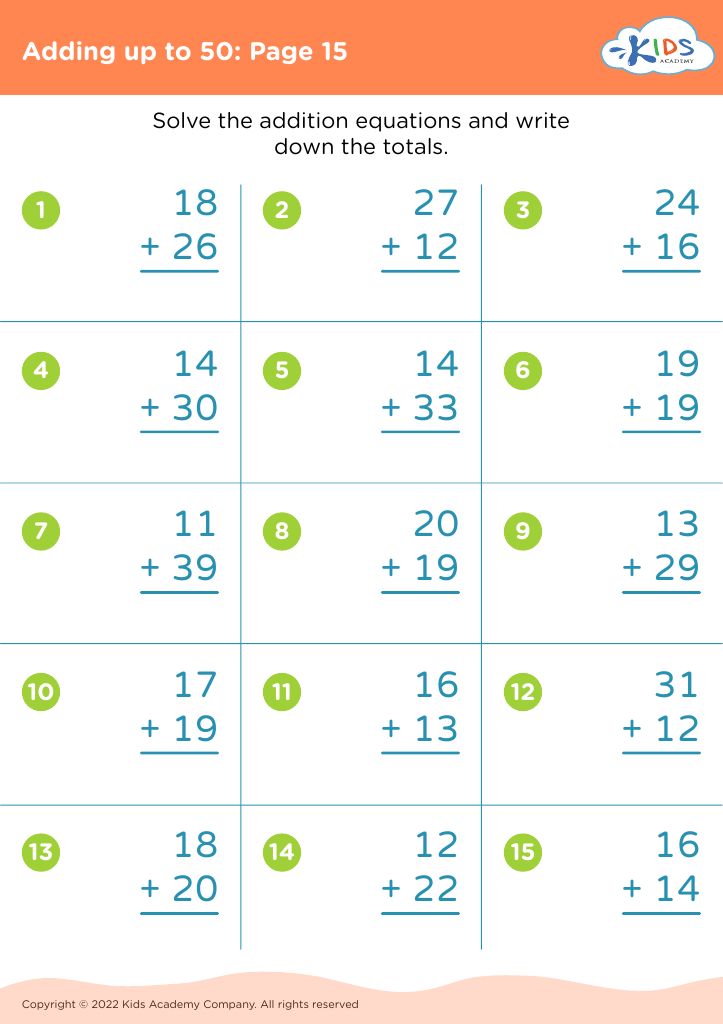
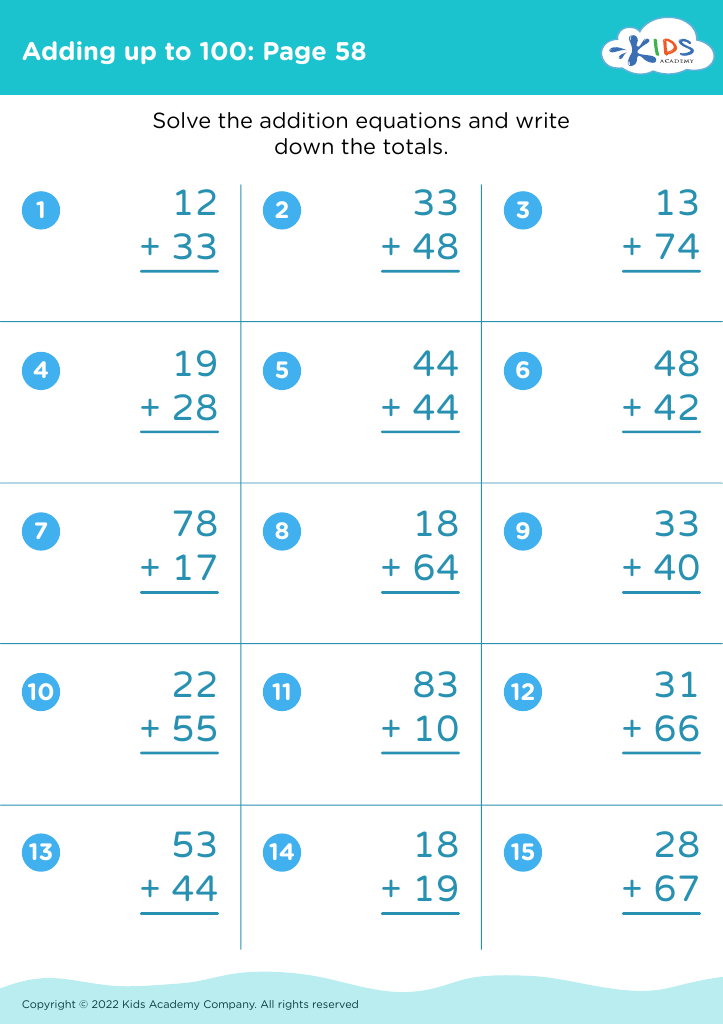








Parents and teachers play a crucial role in a child's mathematical development, especially in the early grades where foundational skills in fractions, addition, and subtraction are formed. Understanding fractions lays the groundwork for more complex mathematical concepts, such as division and percentages, which are vital later on. Beginning at age 3, children can grasp basic ideas of parts and wholes through everyday activities like sharing snacks or visually dividing shapes, setting the stage for more structured learning.
For children aged 3-9, engaging with fractions, addition, and subtraction through games, practical experiences, and visual aids supports critical thinking and problem-solving skills. Recognizing fractions fosters a sense of equality and proportionality, helping children make sense of real-world scenarios like cooking (measuring ingredients) or understanding time (half an hour).
Additionally, incorporation of these concepts aligns with early childhood standards, ensuring a robust math curriculum. Teachers and parents who emphasize these skills help children become more confident in mathematics, empowering them to approach problems with resilience and creativity. Thus, their involvement supports not only academic growth but also social skills such as sharing and teamwork, vital for children's holistic development. Ultimately, fostering these skills early ensures children are better prepared for future educational challenges.








