Logic development Addition & Subtraction Worksheets for Ages 3-9
3 filtered results
-
From - To
Welcome to our Logic Development Addition & Subtraction Worksheets for Ages 3-9! Our engaging worksheets are designed to help young learners master essential math skills while fostering critical thinking and problem-solving abilities. Tailored for children aged 3 to 9, these activities make learning addition and subtraction fun and interactive. With colorful visuals and age-appropriate challenges, kids can improve their logic development as they tackle various problems. Perfect for classroom use or at-home practice, our worksheets encourage independent learning and build a strong foundation in math. Explore our collection today and watch your child gain confidence in their mathematical abilities!
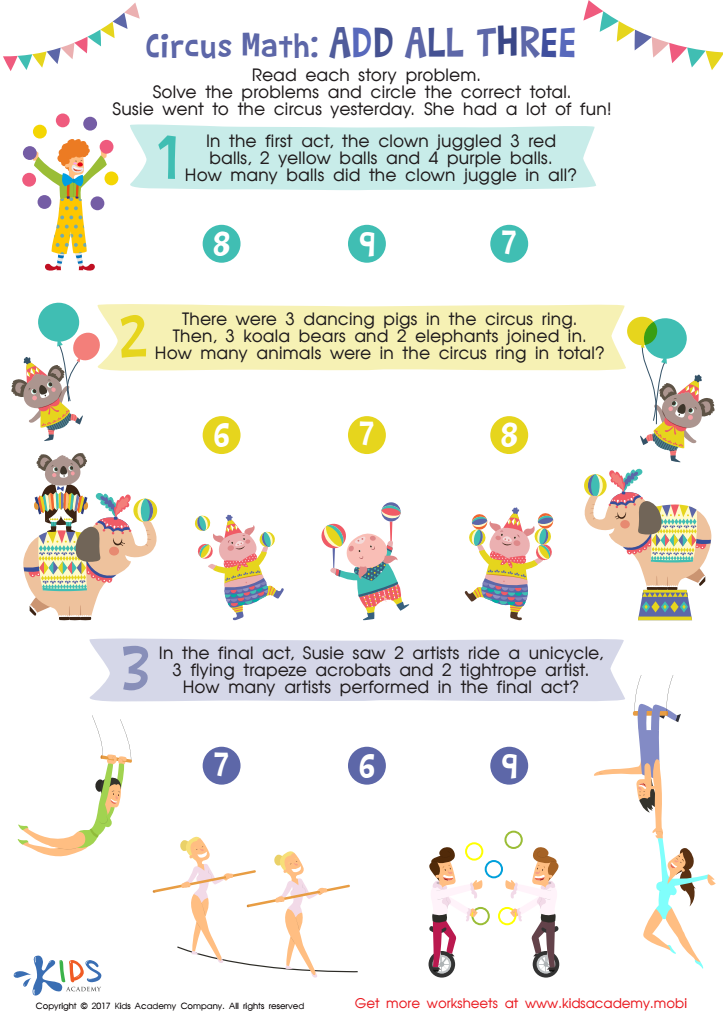
Circus Math Printable
 Assign to My Students
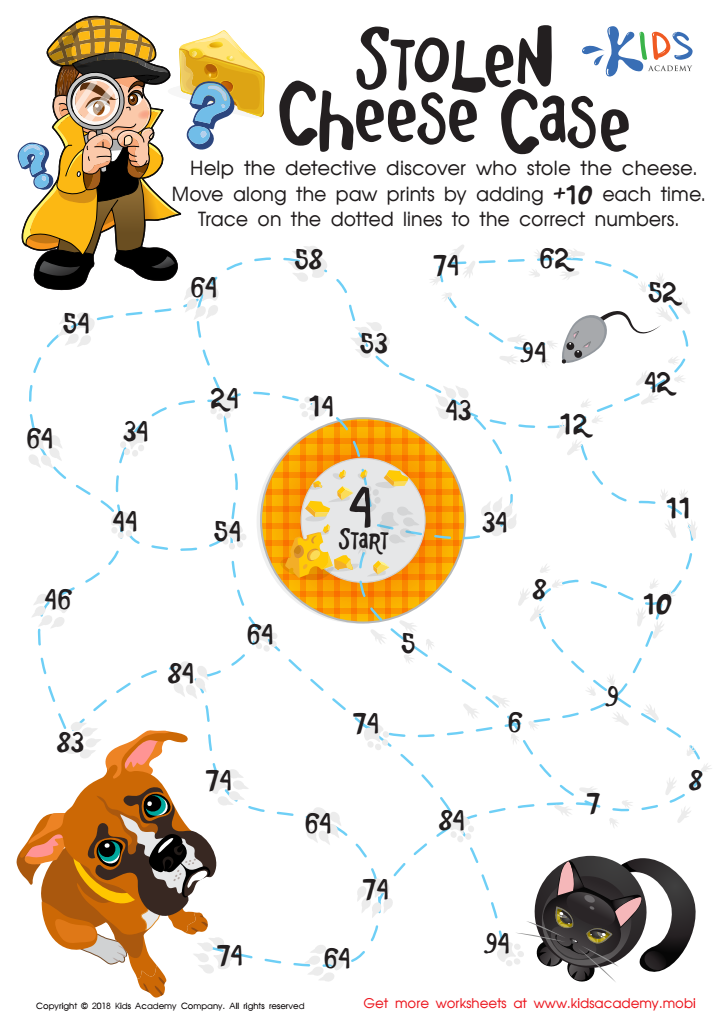
Stolen Cheese Case Maze Worksheet
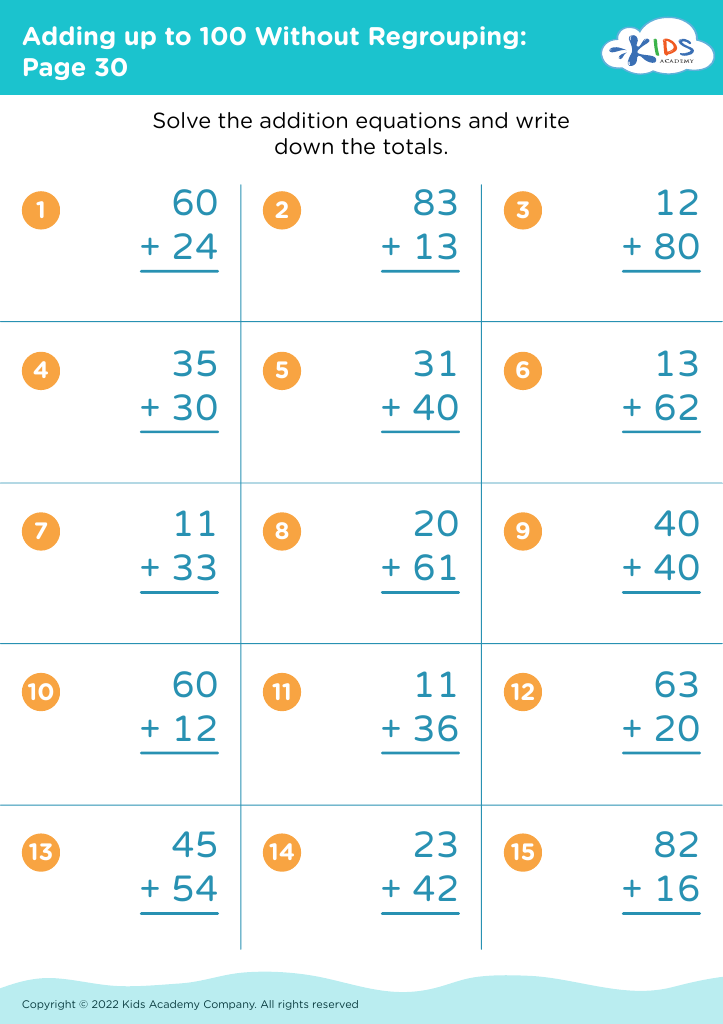








Logic development in addition and subtraction is crucial for children aged 3 to 9 as it lays the foundation for essential mathematical skills and higher-order thinking. During these formative years, children not only learn numbers but also develop critical reasoning abilities that influence their problem-solving skills.
Understanding addition and subtraction fosters cognitive development; it teaches children how to think logically and make connections. For example, grasping the concept of "more" and "less" prepares them for more complex math operations in the future. These early arithmetic concepts also boost a child's confidence; when they successfully solve a problem, they build a positive relationship with mathematics, reducing math anxiety in later stages.
Moreover, engaging in logical reasoning and math activities enhances children’s verbal skills, as they learn to articulate their thought processes. Teachers and parents play a pivotal role by providing opportunities for practice through playful methods such as games, manipulatives, and everyday math applications.
Investing time in fostering these skills will not only aid in academic success but also empower children to tackle everyday challenges, cultivating lifelong learners who can think critically and solve problems effectively. Ultimately, early math literacy nurtures a solid foundation for future education and personal growth.








