
Number identification Addition & Subtraction Worksheets for Ages 3-9
5 filtered results
Difficulty Level
Grade
Age
-
From - To
Subject
Activity
Standards
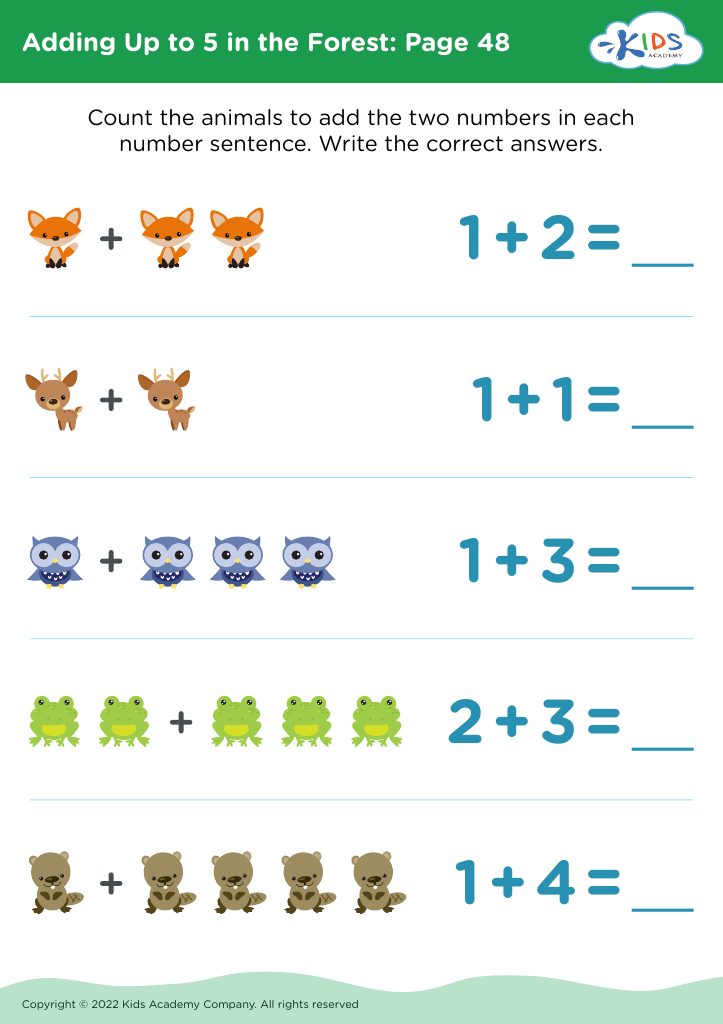
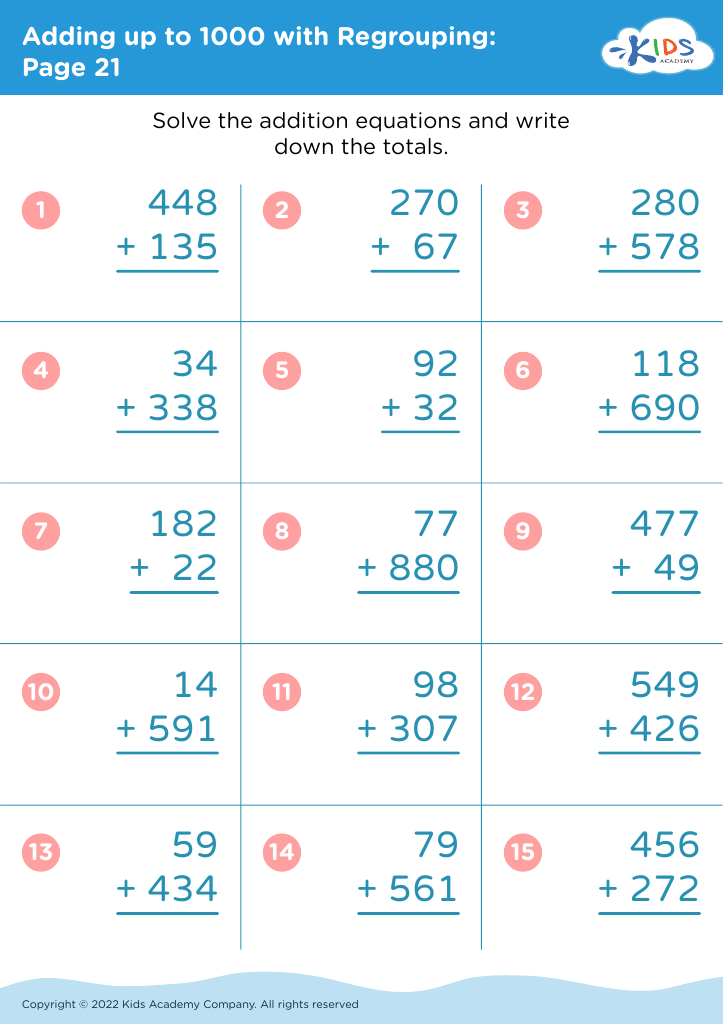
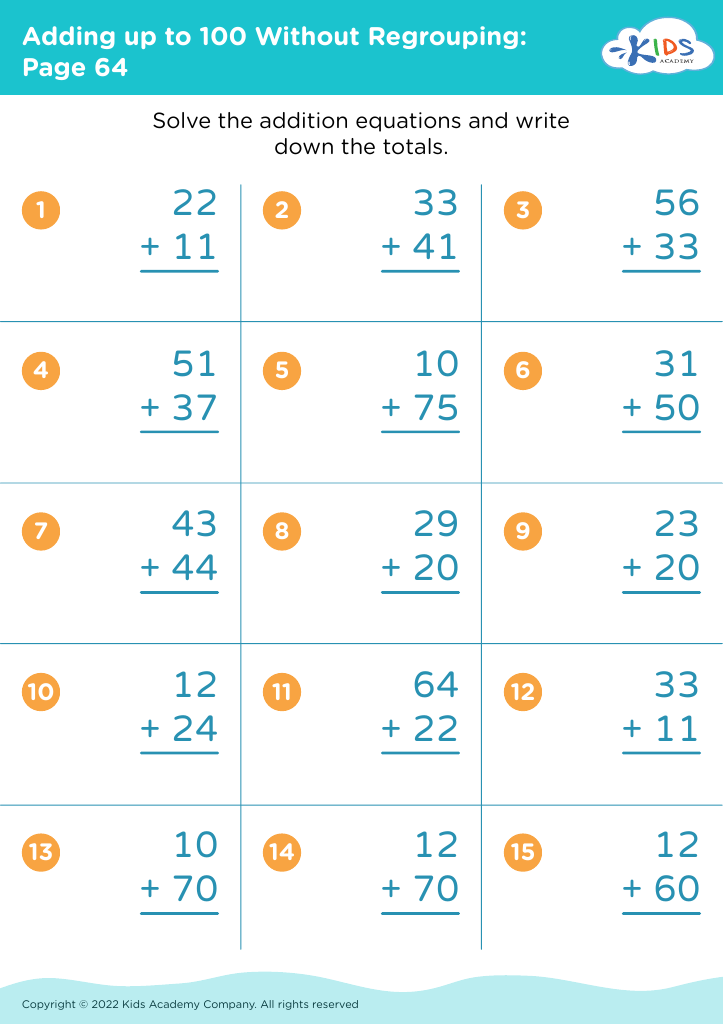
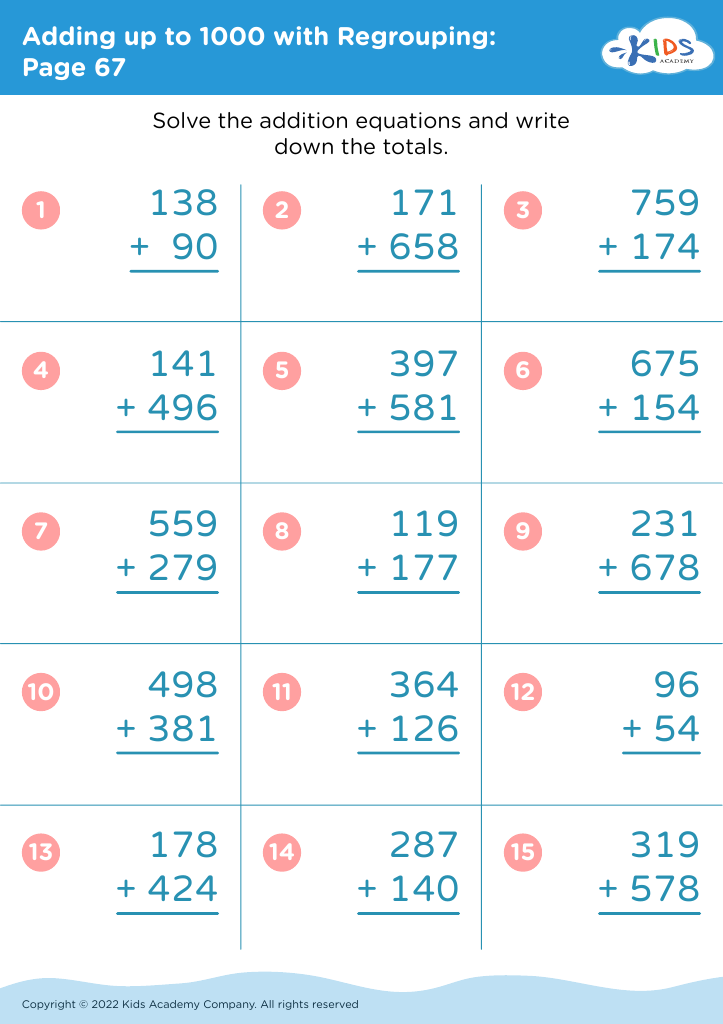
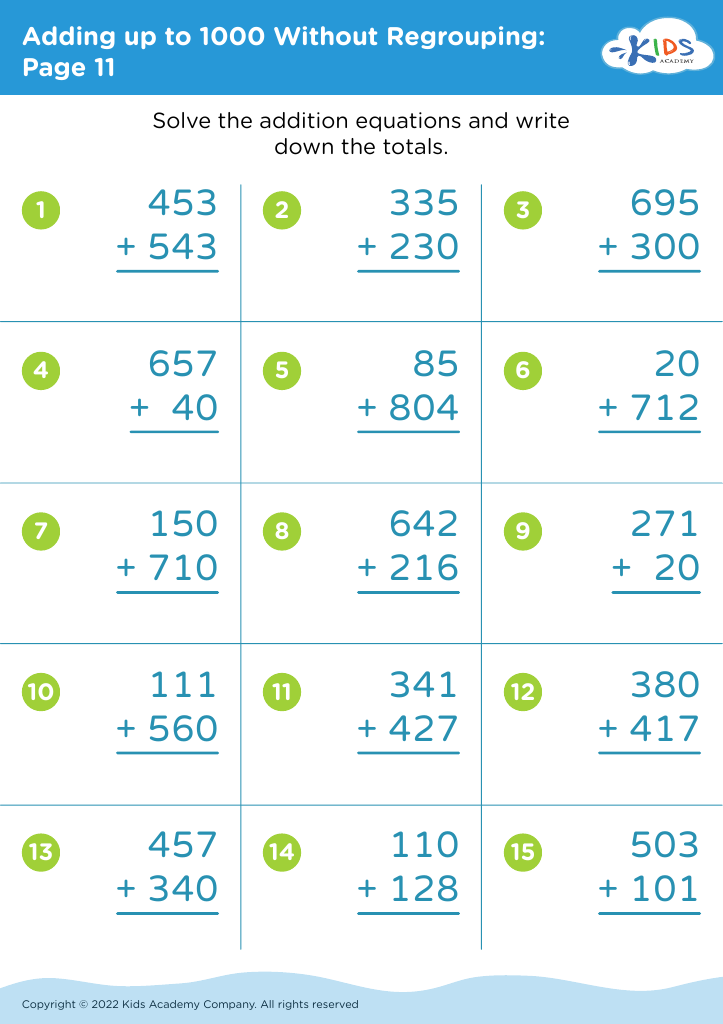
Enhance your child's mathematical journey with our Number Identification Addition & Subtraction Worksheets designed for kids aged 3-9! These engaging resources focus on developing number recognition skills while introducing basic addition and subtraction concepts. Each worksheet combines colorful illustrations and interactive activities to make learning fun and effective. Perfect for parents and educators, these printable worksheets support early math skills, encouraging young learners to explore numbers through practice and play. Foster confidence in your child as they master number identification and grow their arithmetic abilities. Start your child's math adventure today with our thoughtfully crafted worksheets!
Favorites
With answer key
Interactive
Join Kids Academy for Free
Who is primarily going to use this learning content?








Number identification, addition, and subtraction are fundamental skills that lay the groundwork for a child’s future academic success, particularly in mathematics. For children aged 3 to 9, developing an understanding of numbers is essential, as it fosters cognitive growth, problem-solving abilities, and logical reasoning. Recognizing numbers allows children to understand quantity, sequence, and mathematical relationships, which are crucial for more complex mathematical concepts introduced later.
Moreover, early proficiency in addition and subtraction sets the stage for a child’s ability to tackle multi-step problems in the future, making math less intimidating as they progress through school. These skills also promote confidence and a positive attitude toward learning.
Parents and teachers play a vital role in this developmental process. By engaging children in playful activities involving counting, simple calculations, and number games, they can create an interactive learning environment that reinforces these concepts. This collaborative effort can make learning enjoyable, encouraging curiosity and a love for math that can last a lifetime. When parents and teachers prioritize these foundational skills, they equip children not only for academic achievement but also for everyday problem-solving, setting them on a path toward lifelong learning and success.








