
Numeracy skills Addition & Subtraction Worksheets for Ages 3-9
10 filtered results
Difficulty Level
Grade
Age
-
From - To
Subject
Activity
Standards
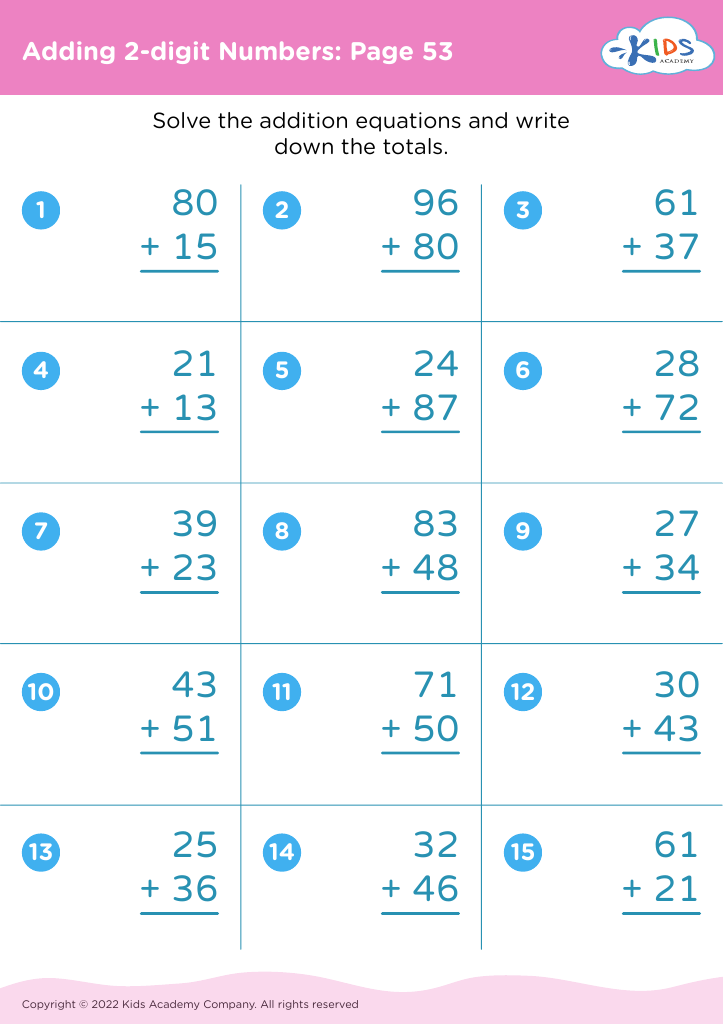
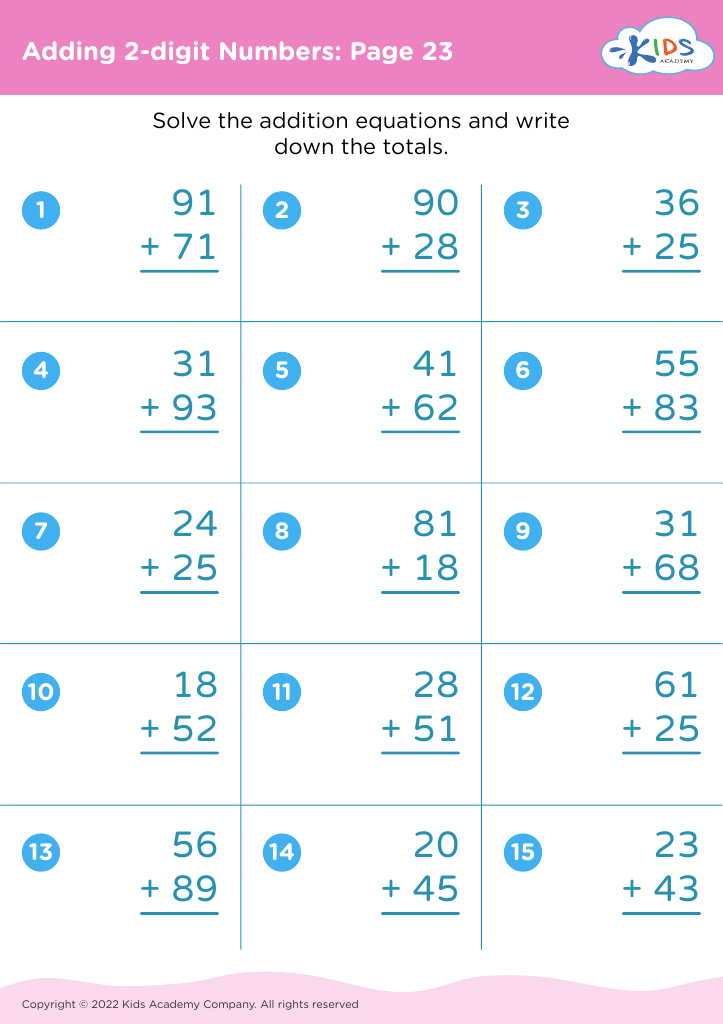
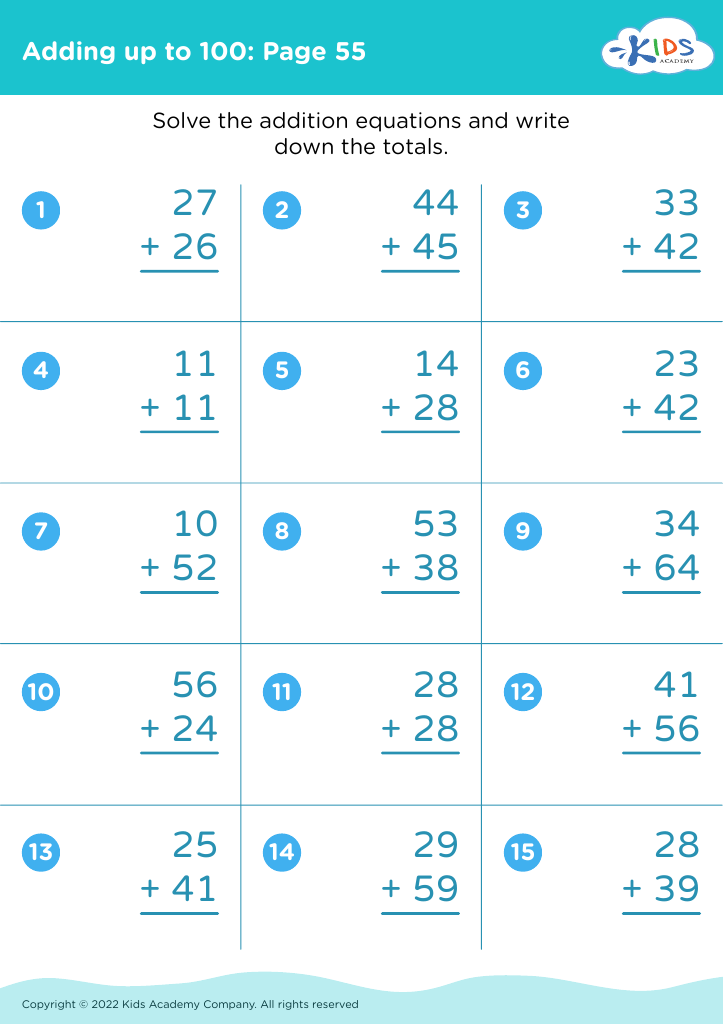
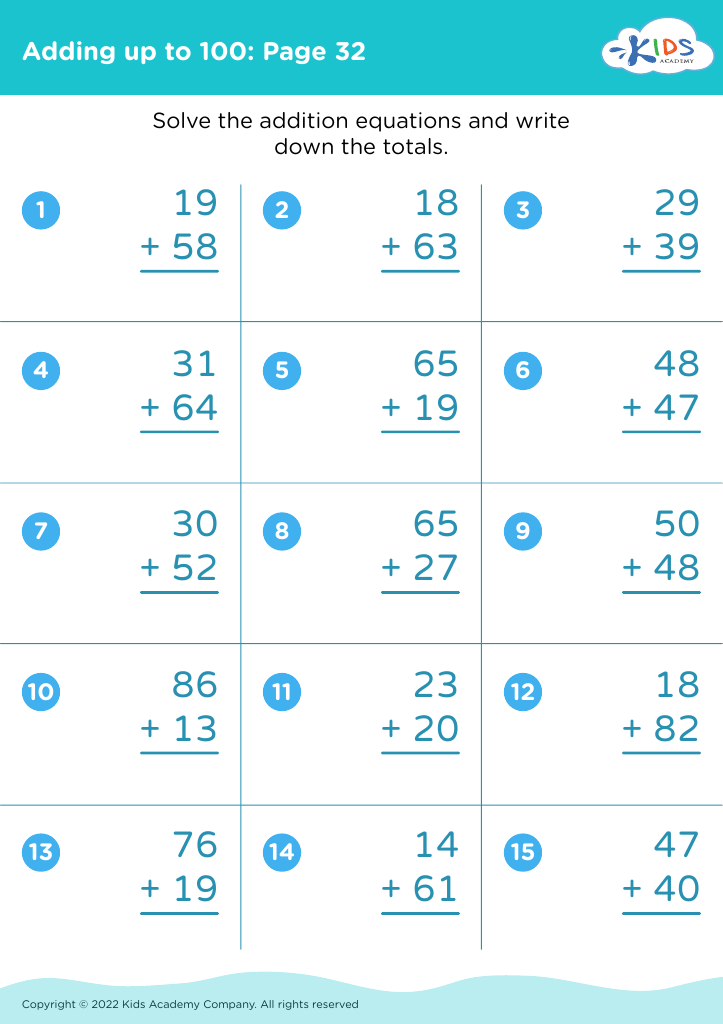
Explore our engaging numeracy skills addition and subtraction worksheets designed for children aged 3-9! These printable resources help young learners develop essential math skills in a fun and interactive way. Each worksheet features colorful illustrations and age-appropriate exercises that make mastering basic addition and subtraction enjoyable. From simple sights and dot-to-dot activities to more complex problems, our worksheets cater to various learning levels, ensuring every child can progress at their own pace. Ideal for classroom use or home practice, these worksheets promote confidence and a positive attitude toward math. Start your child's numeracy journey today with our enriching and fun-filled activities!
Favorites
With answer key
Interactive
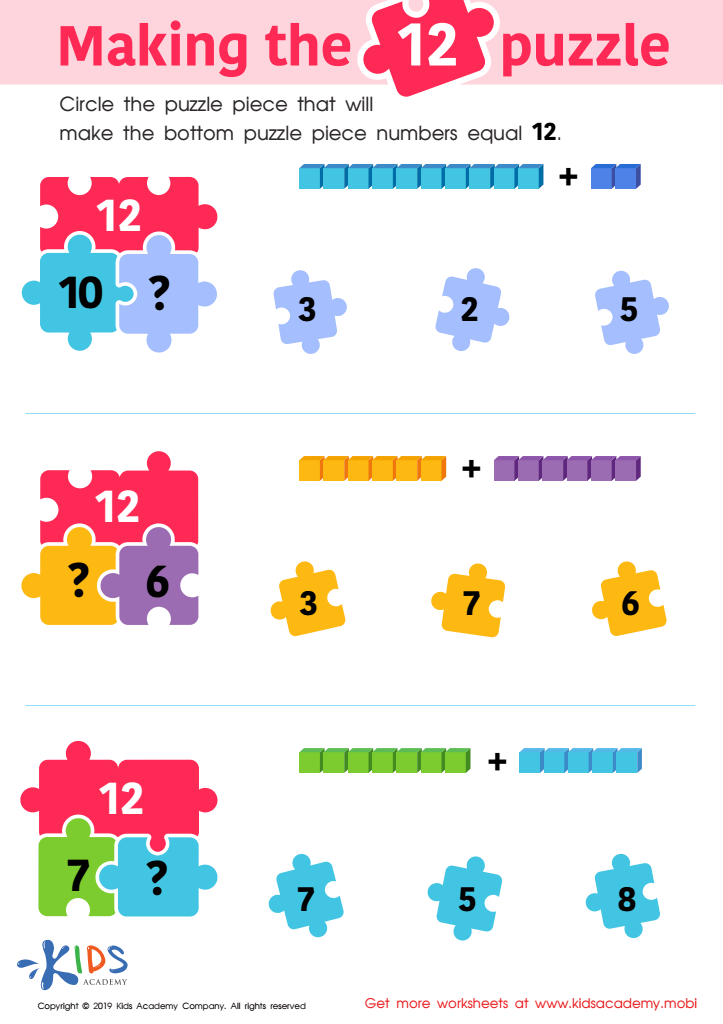
Making the 12 Puzzle Worksheet
Engage preschoolers in learning with this fun and colorful worksheet. Ask them to look at the picture and identify the missing equation on each puzzle piece; then help them solve the problems. When all the puzzle pieces make the bottom numbers equal 12, have them circle it. This is a great way to combine learning and fun!
 Assign to My Students
Making the 12 Puzzle Worksheet
Worksheet
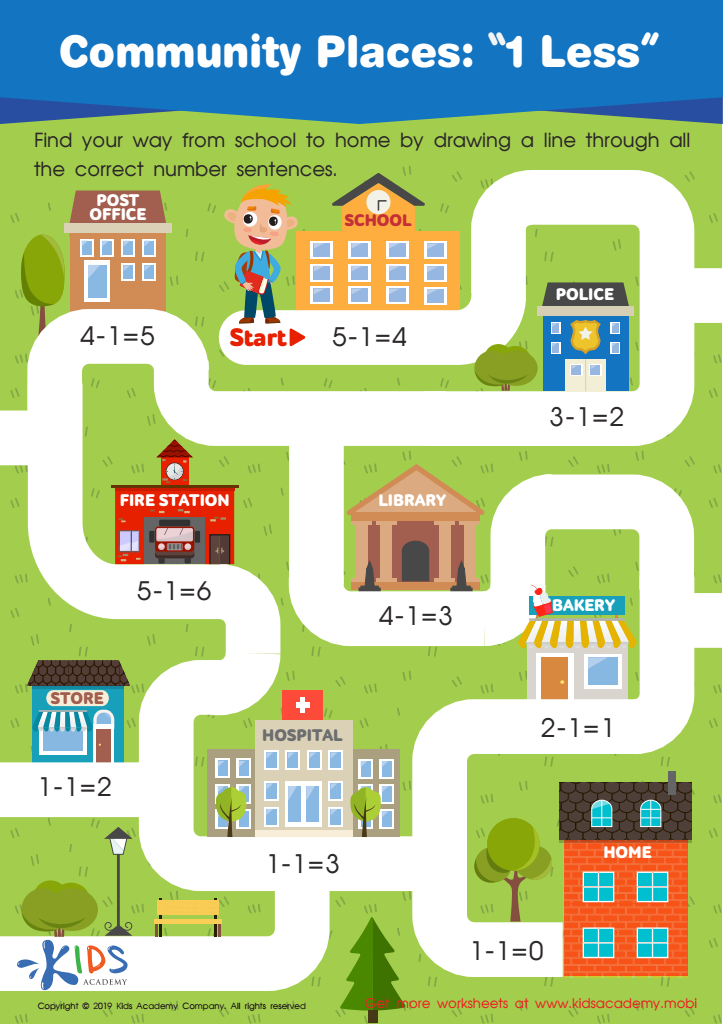
Community Places: 1 Less Worksheet
Have your kindergarteners draw a line through the correct number sentences as they find their way home from school. Ask them to identify the people, places, and buildings in their community and the jobs they do.
Community Places: 1 Less Worksheet
Worksheet
Join Kids Academy for Free
Who is primarily going to use this learning content?








Numeracy skills, particularly addition and subtraction, are fundamental building blocks for children's overall mathematical understanding and cognitive development. For ages 3-9, these skills are crucial as they form the foundation for later, more complex mathematical concepts. Developing strong addition and subtraction abilities enables children to make sense of numbers and relationships, fostering critical thinking and problem-solving skills.
Parents and teachers should care about numeracy because these early skills promote confidence. When children gain proficiency in basic math, they are more likely to engage positively with learning and develop a growth mindset. Additionally, numeracy lays the groundwork for future educational success, with research showing that early math skills are a strong predictor of later achievement in both math and reading.
Moreover, mastering addition and subtraction has practical implications in daily life—from handling money to understanding time and measurements. These skills enable children to navigate their environment effectively and support independent decision-making.
Fostering numeracy in early education promotes perseverance and creativity in younger learners, preparing them for a world that increasingly relies on mathematical literacy. Therefore, parents and teachers play an essential role in nurturing these key skills during the critical developmental years of 3 to 9.








