Problem-Solving Skills Addition & Subtraction Worksheets for Ages 3-9
215 filtered results
-
From - To
Discover our engaging Problem-Solving Skills Addition & Subtraction Worksheets designed for children aged 3-9. These worksheets focus on developing critical thinking and problem-solving abilities while mastering basic arithmetic concepts. Each activity encourages young learners to tackle real-world math scenarios, enhancing their analytical skills and confidence in addition and subtraction. Our interactive exercises seamlessly blend fun with education, fostering a love for learning in early learners. Perfect for both classroom and home use, these worksheets are designed to cater to various skill levels, ensuring that every child can thrive. Equip your child with essential math skills through our expertly crafted resources today!
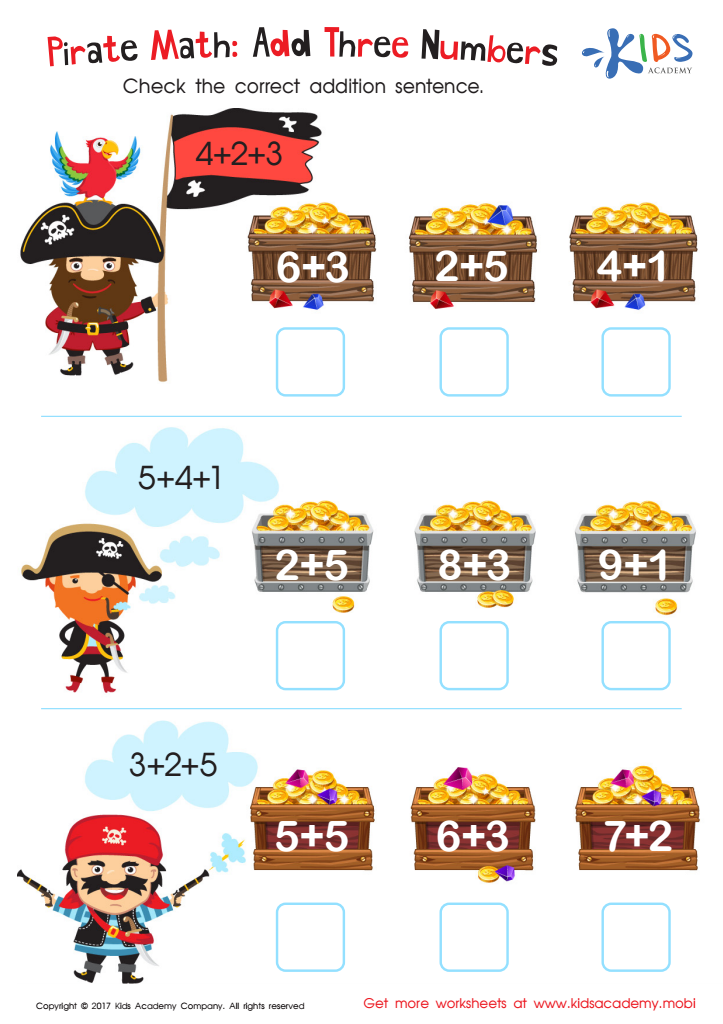
Pirate Math Printable
 Assign to My Students
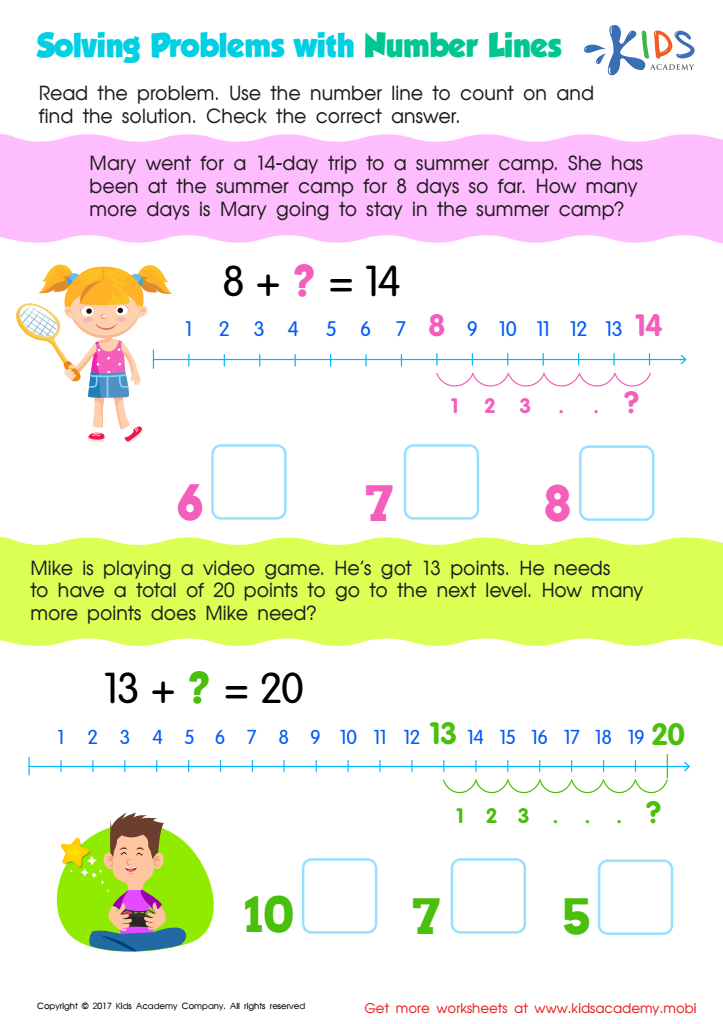
Solving Problems: Number Lines Worksheet
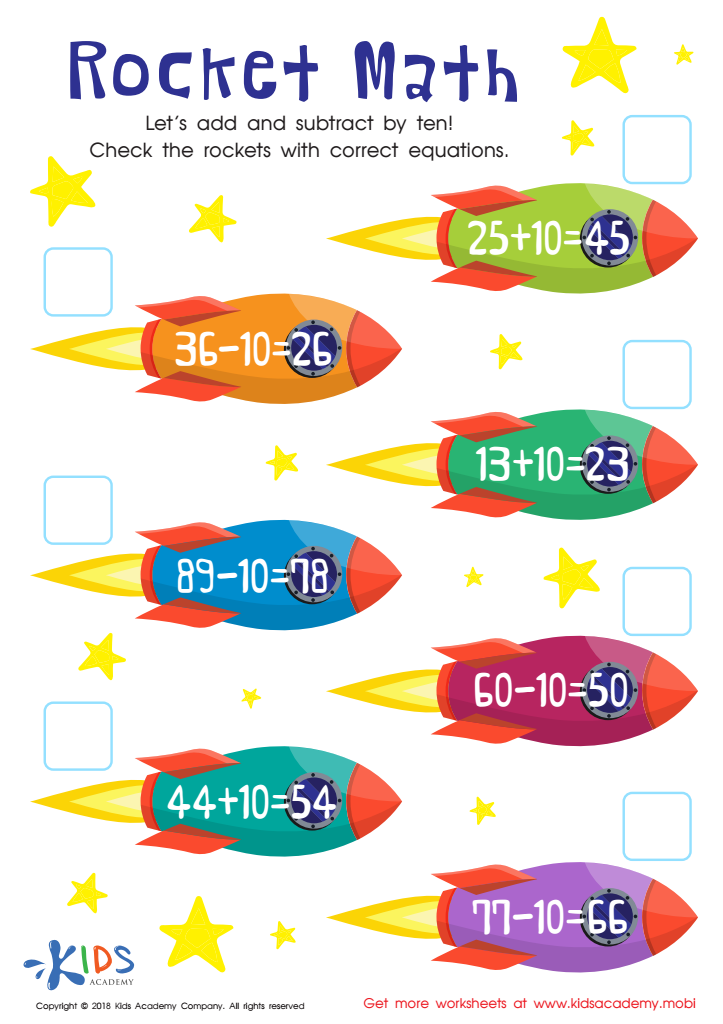
Rocket Math Worksheet
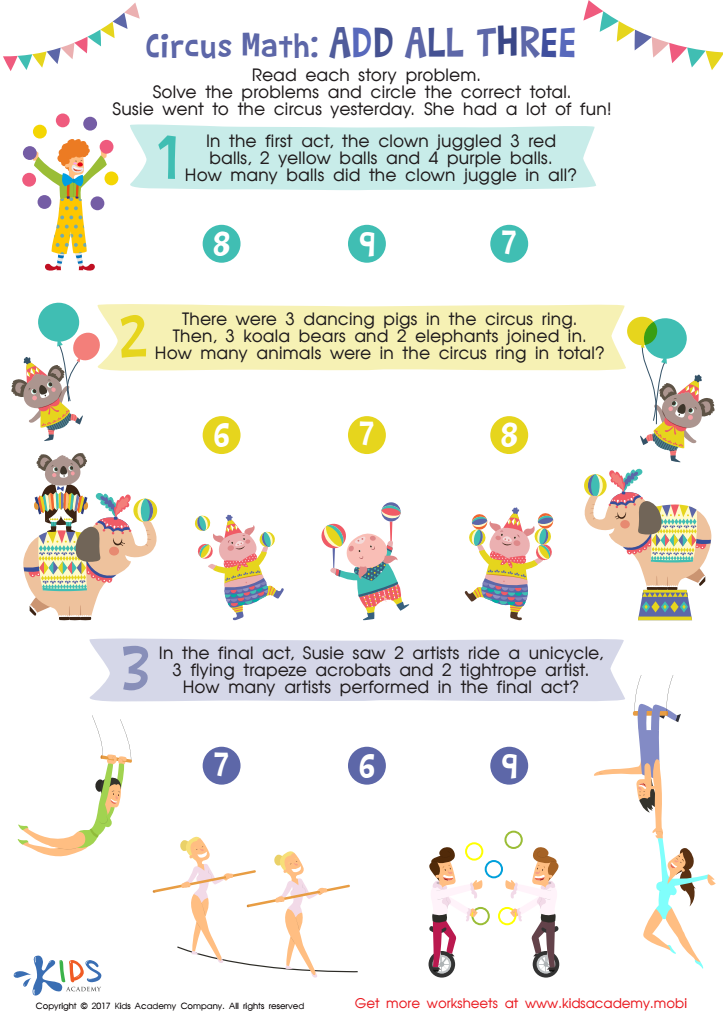
Circus Math Printable
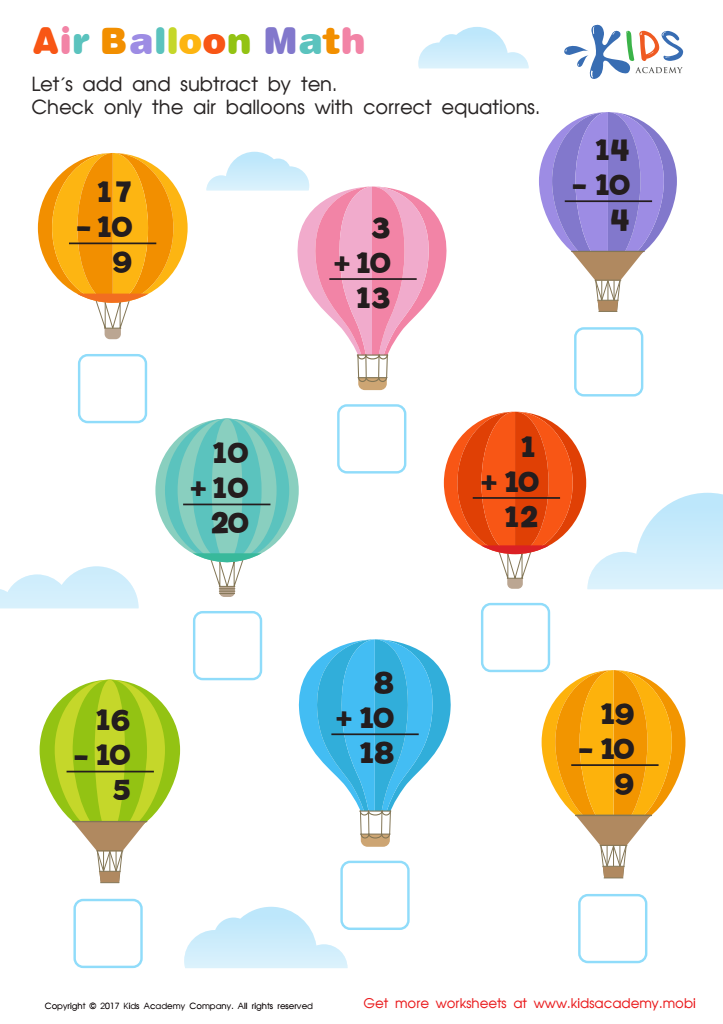
Air Balloon Math Worksheet
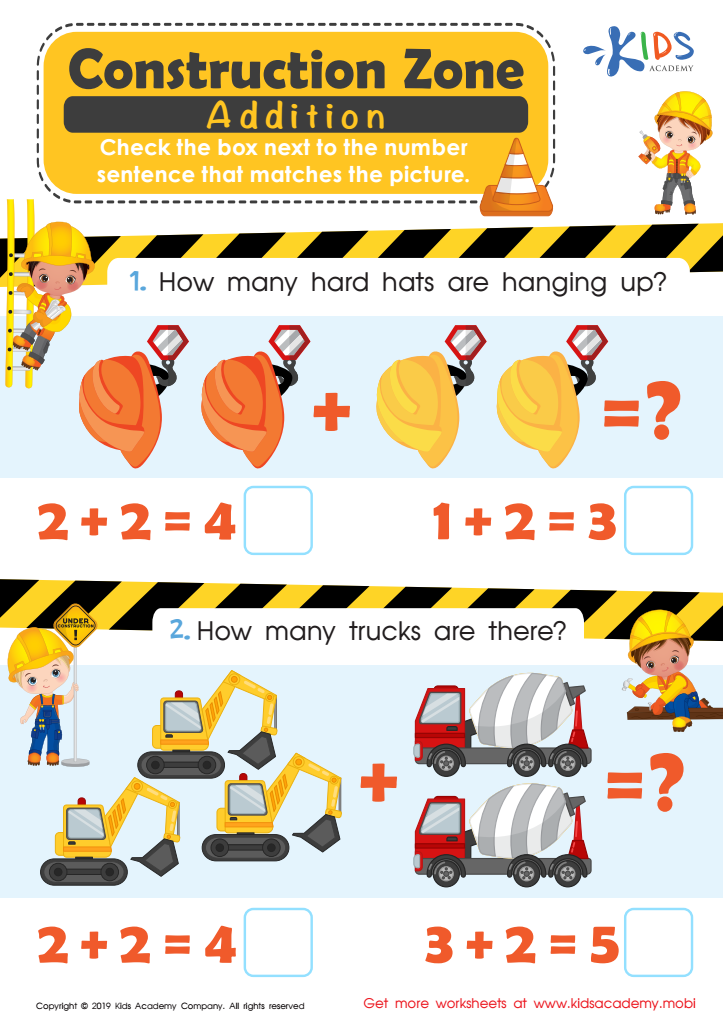
Construction Zone Addition Worksheet
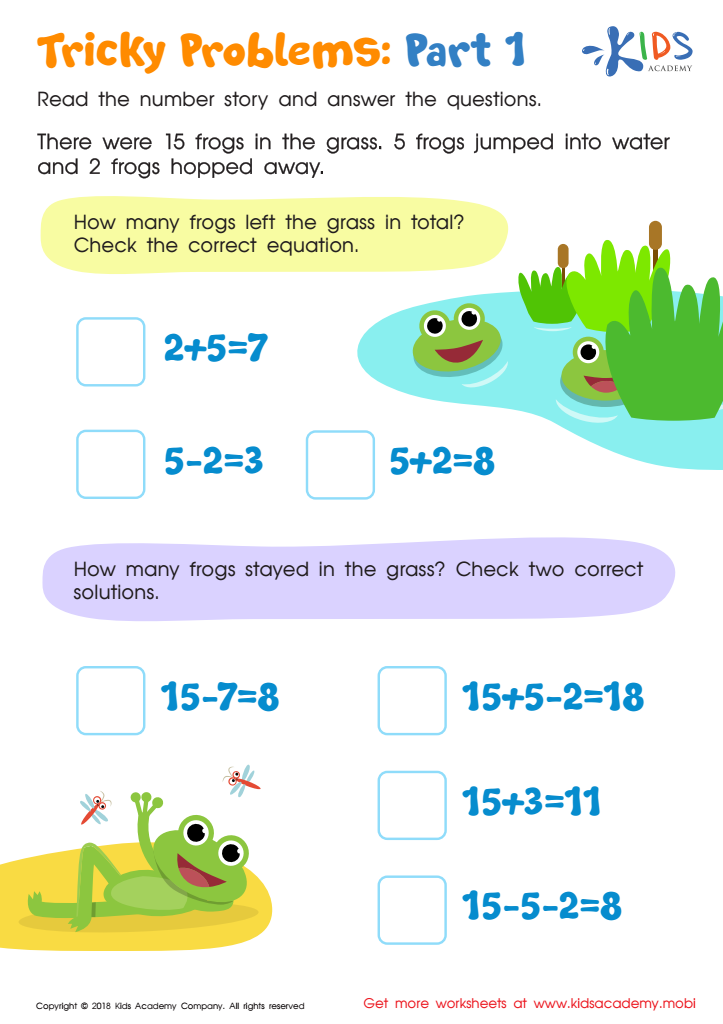
Tricky Problems Worksheet: Part 1
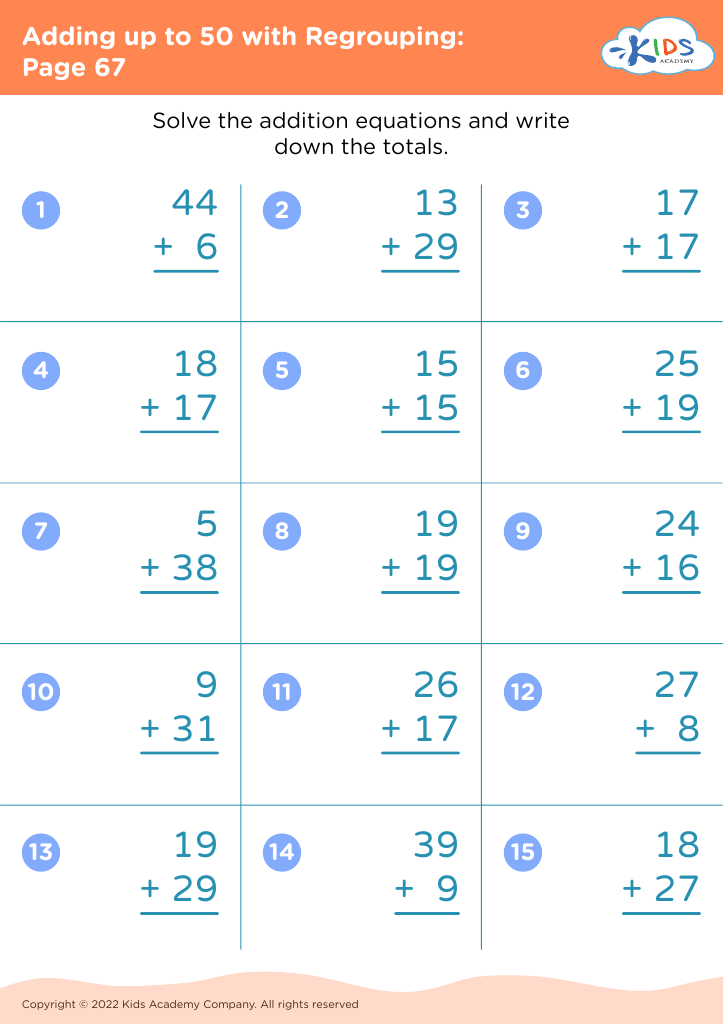
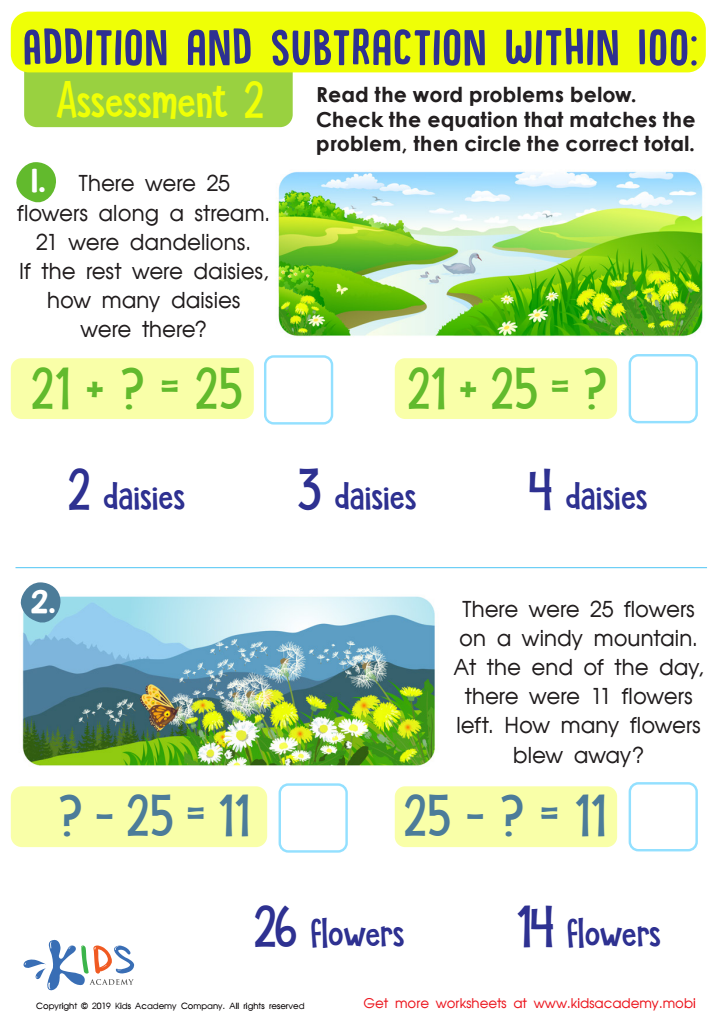
Assessment 2 Math Worksheet
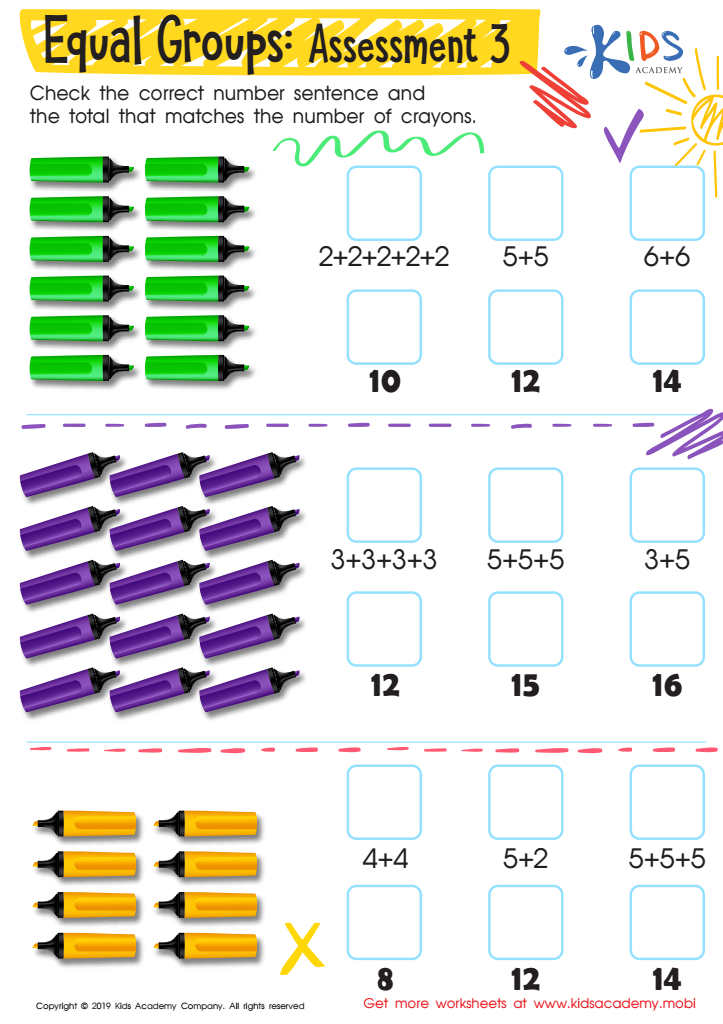
Equal Groups: Assessment 3 Worksheet
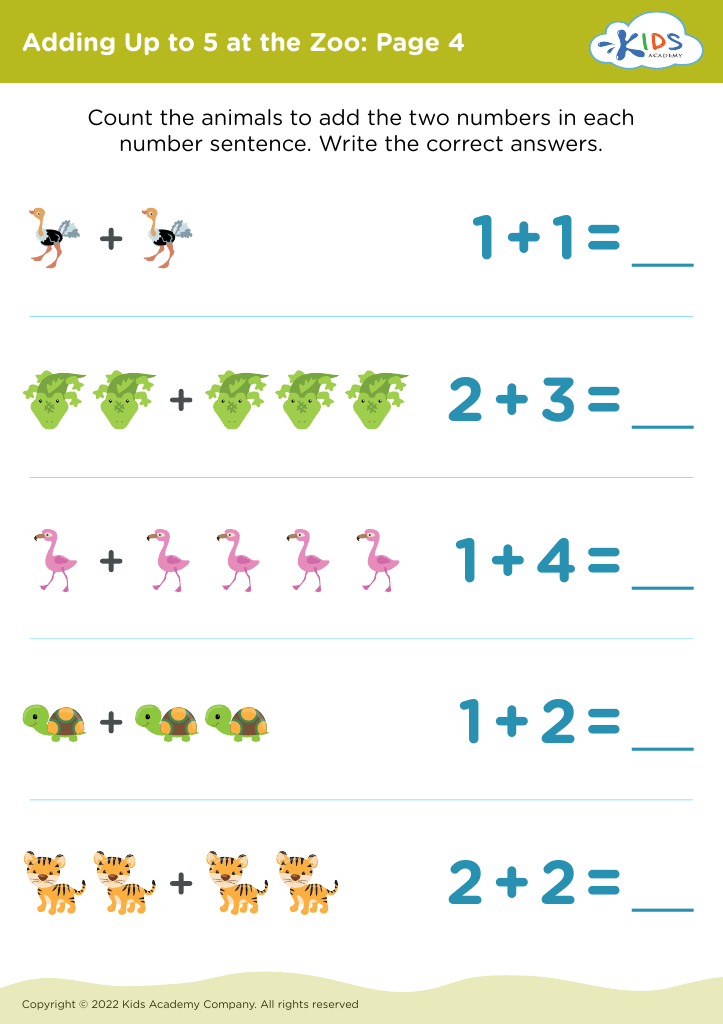
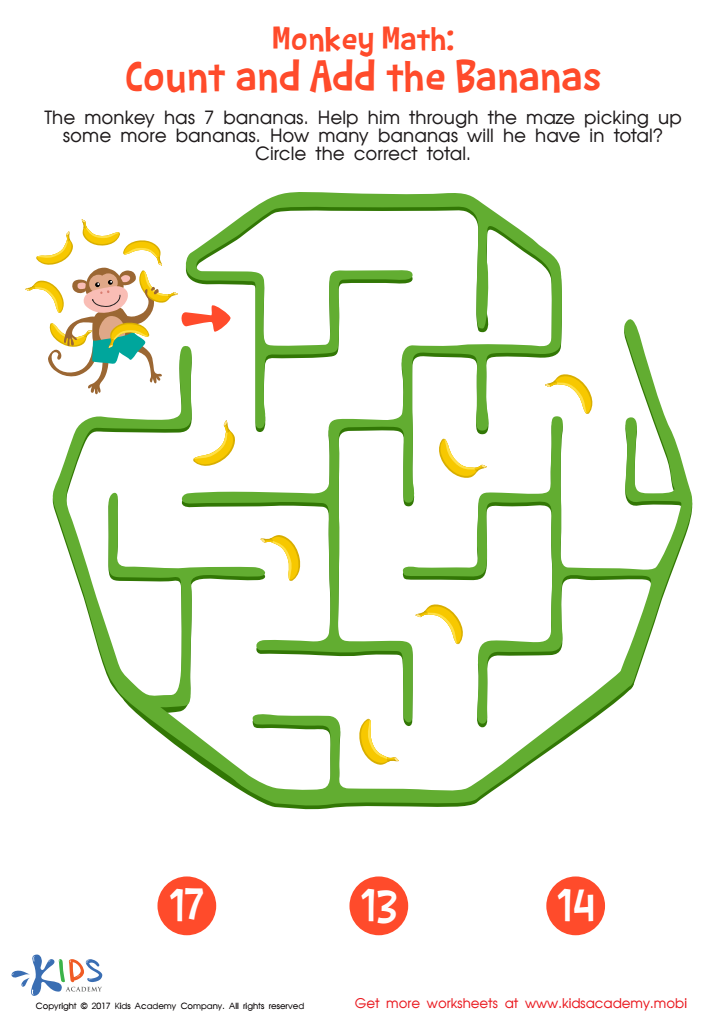
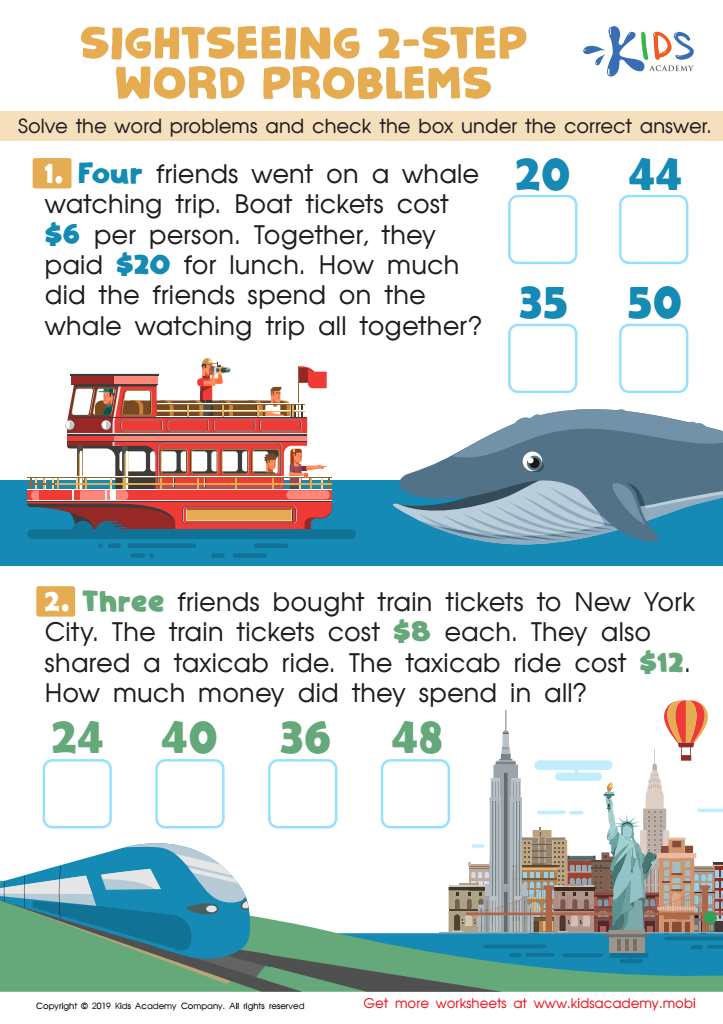
Sightseeing 2-Step Word Problems Worksheet
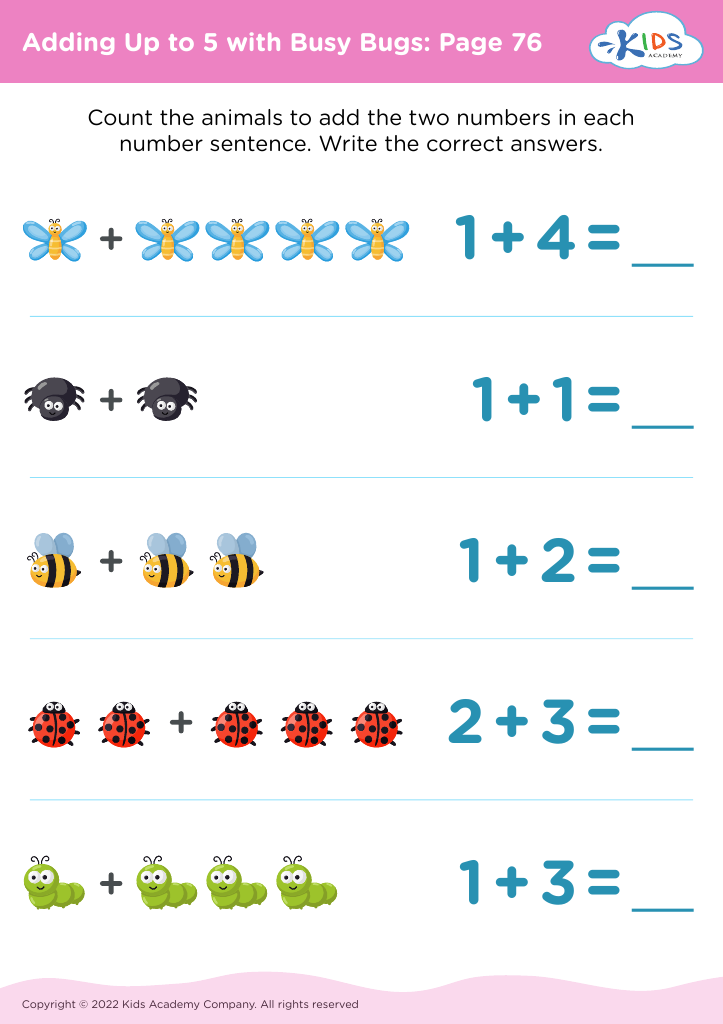
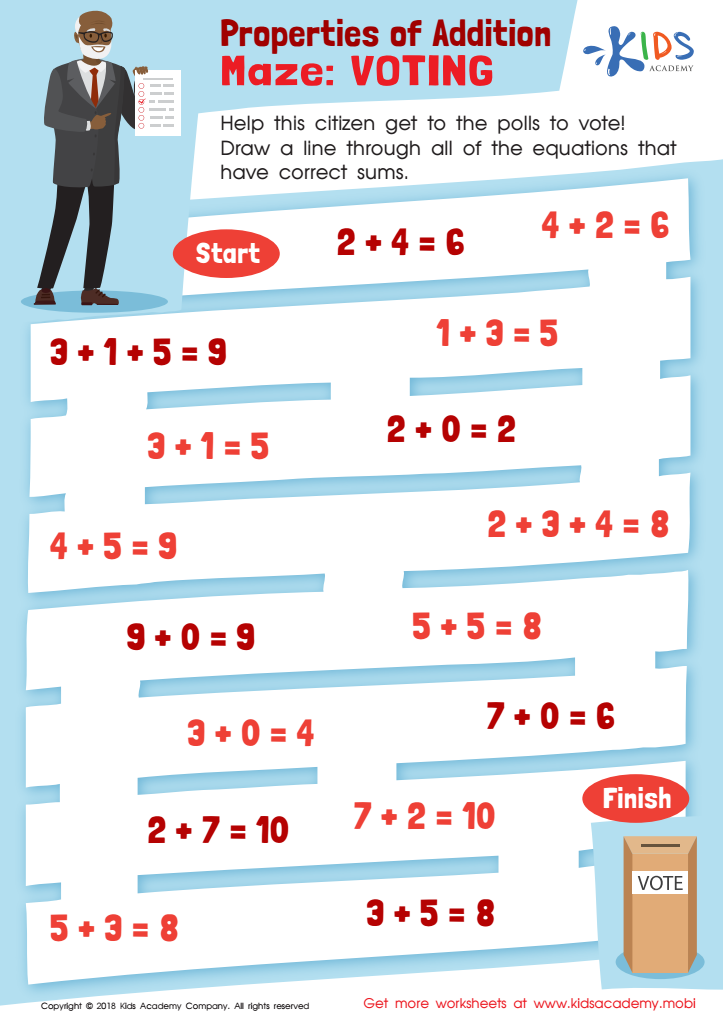
Properties of Addition Maze: Voting Worksheet








Parents and teachers should prioritize problem-solving skills in addition and subtraction for children ages 3-9 because these foundational skills are critical for early academic success and everyday functionality. Developing strong problem-solving abilities in young learners fosters logical thinking and enhances their capacity to approach challenges systematically. When children learn how to solve problems using addition and subtraction, they build a framework for critical thinking and analytical skills that will benefit them across all subjects.
Moreover, mastery of these basic mathematical operations promotes confidence and independence in learners. As children encounter various problem-solving scenarios, they become more resilient, learning to navigate obstacles and think creatively. This resilience is crucial not only in academics but also in life situations as children grow older.
Additionally, early exposure to practical problem-solving helps cultivate a love for mathematics, making it less intimidating as they advance in their education. Engaging in math games, real-life applications, and group activities can make learning interactive and enjoyable. Ultimately, fostering addition and subtraction problem-solving skills paves the way for lifelong learning, equipping children with the competencies needed for future challenges, thereby making it essential for parents and educators to invest in this developmental area.








