Visual Learning Addition & Subtraction Worksheets for Ages 3-9 - Page 2
94 filtered results
-
From - To
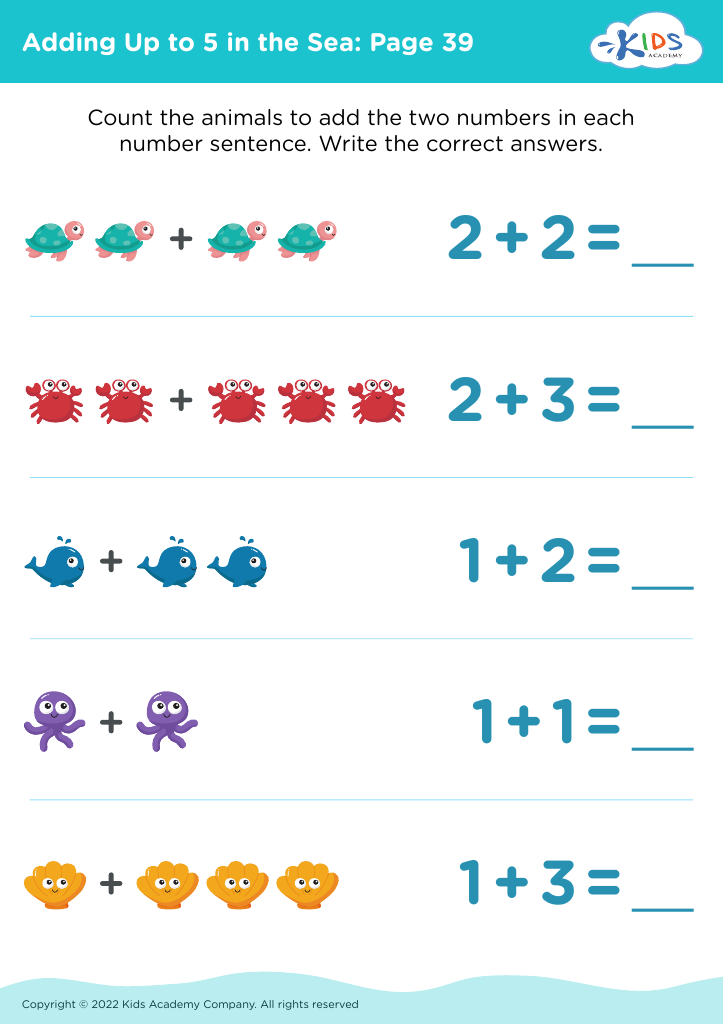
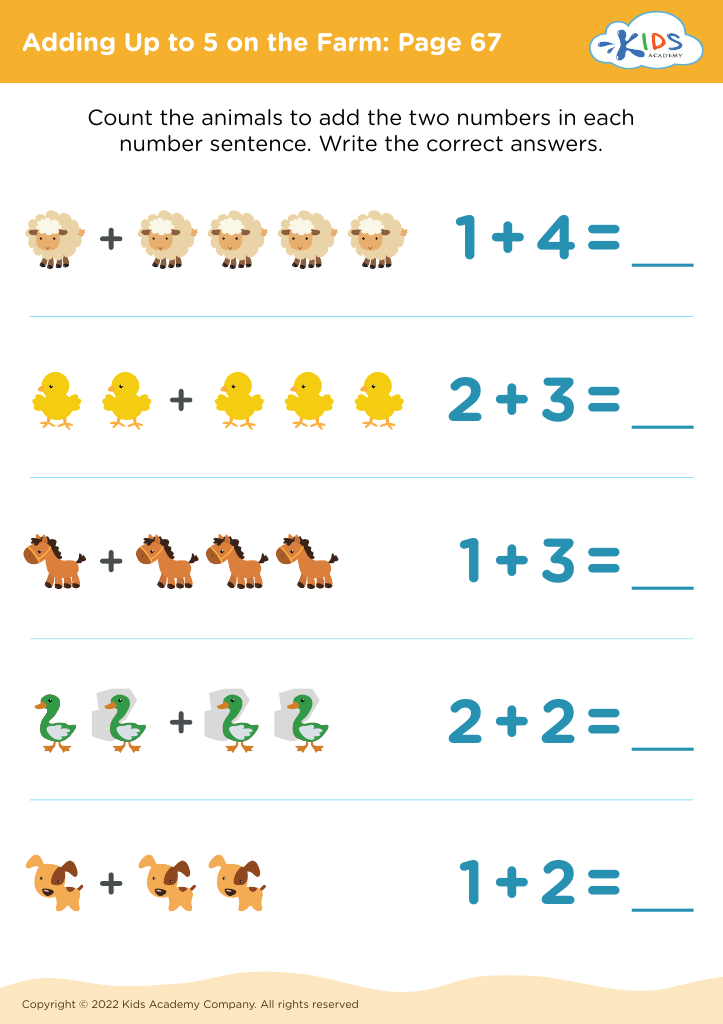
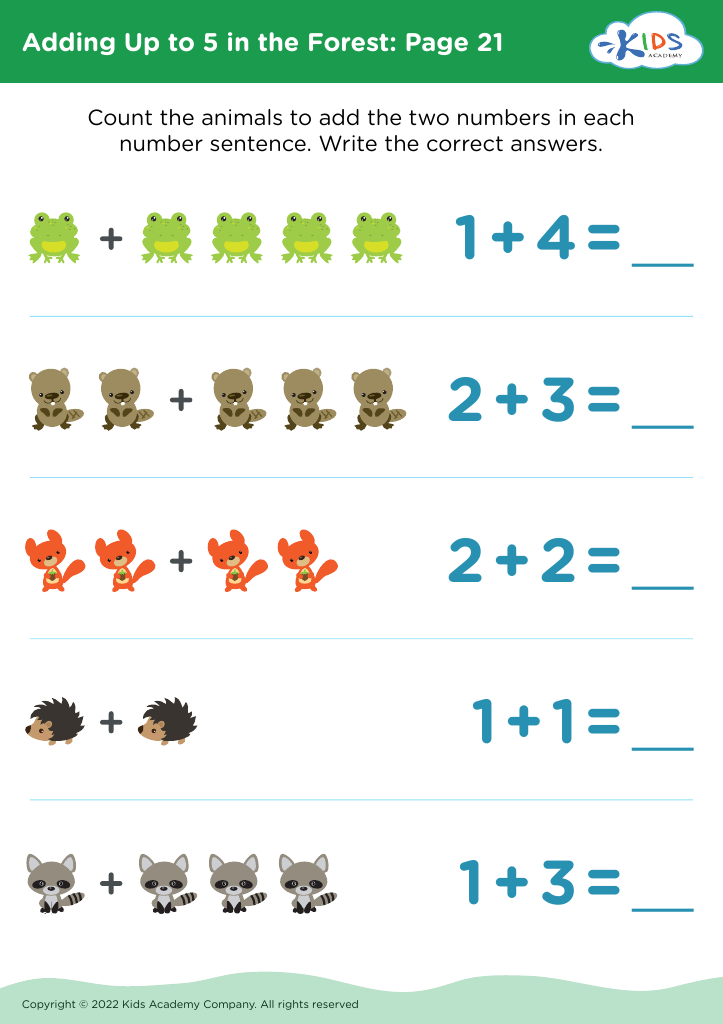
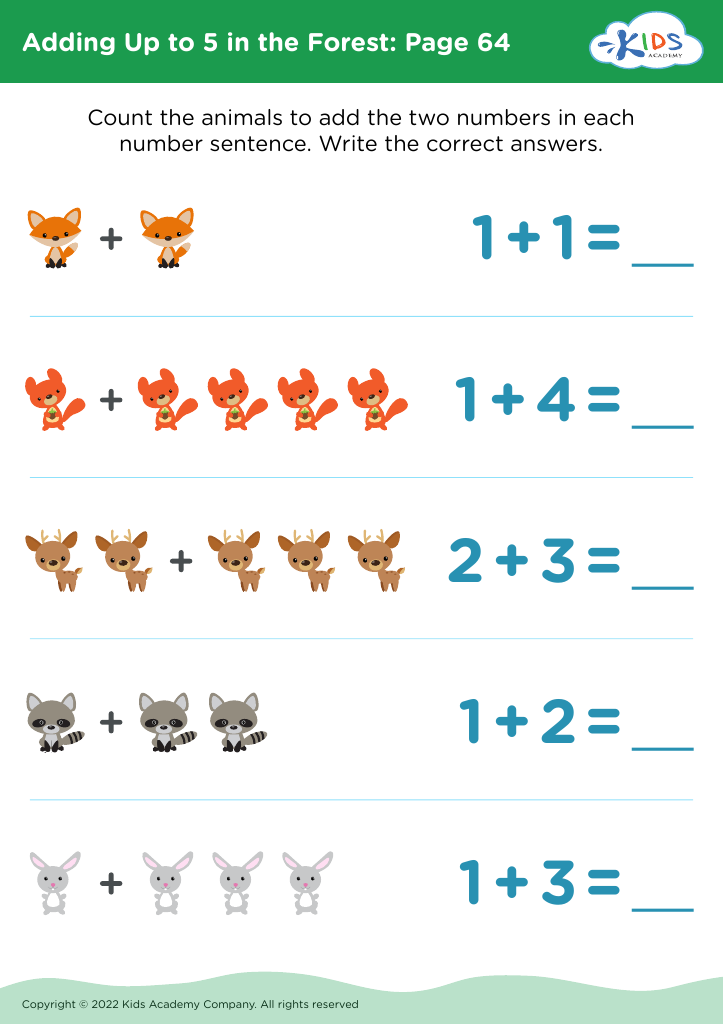
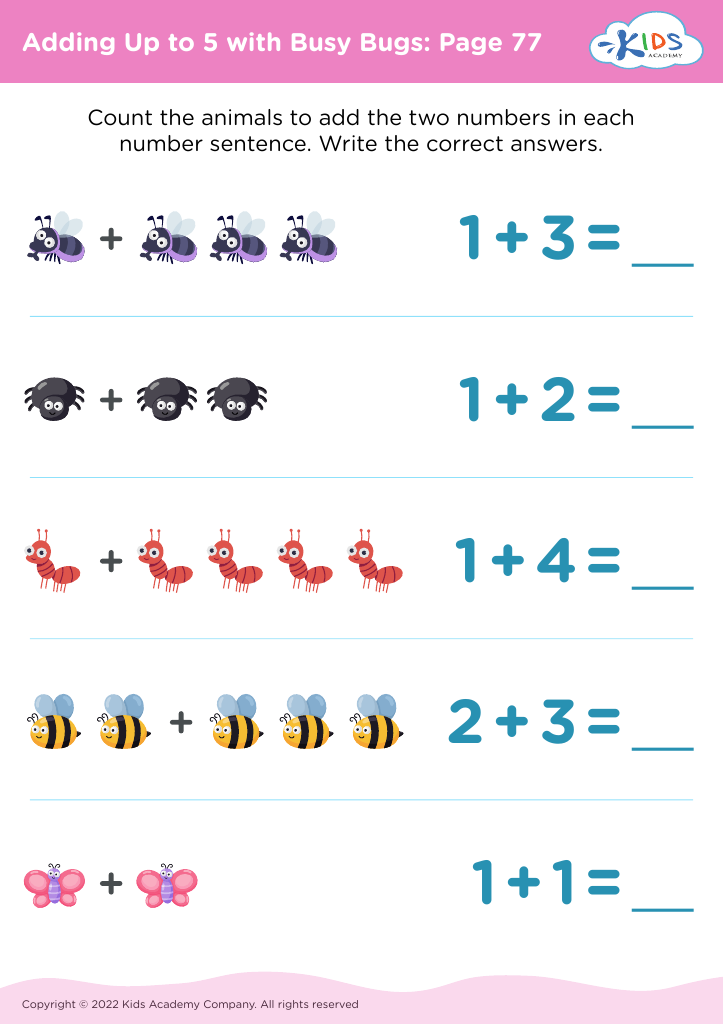
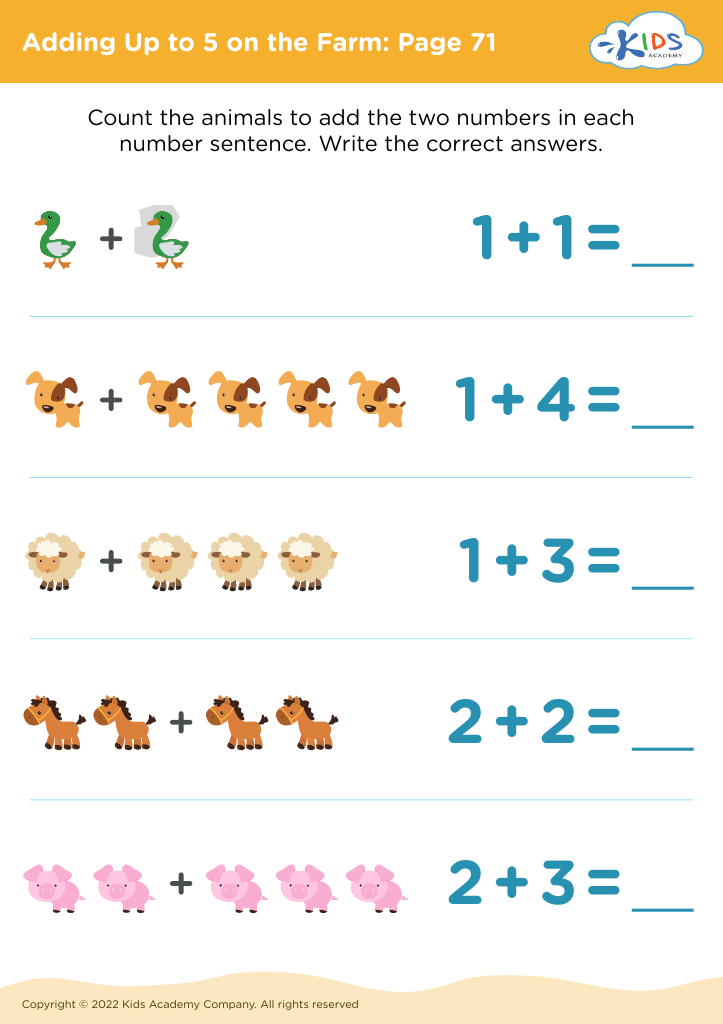
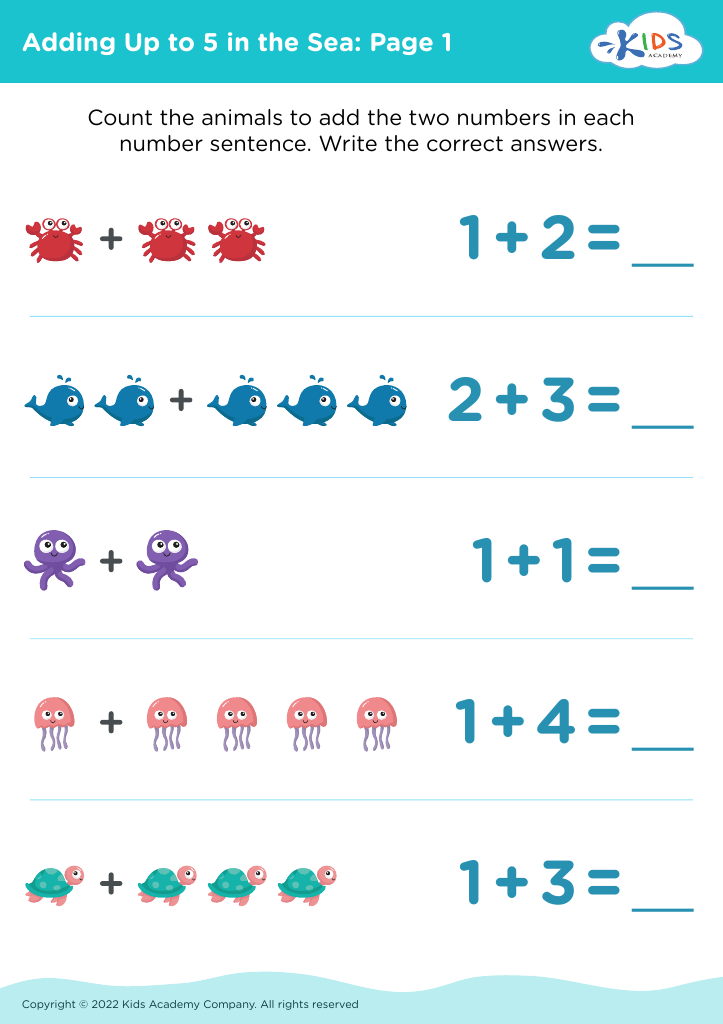
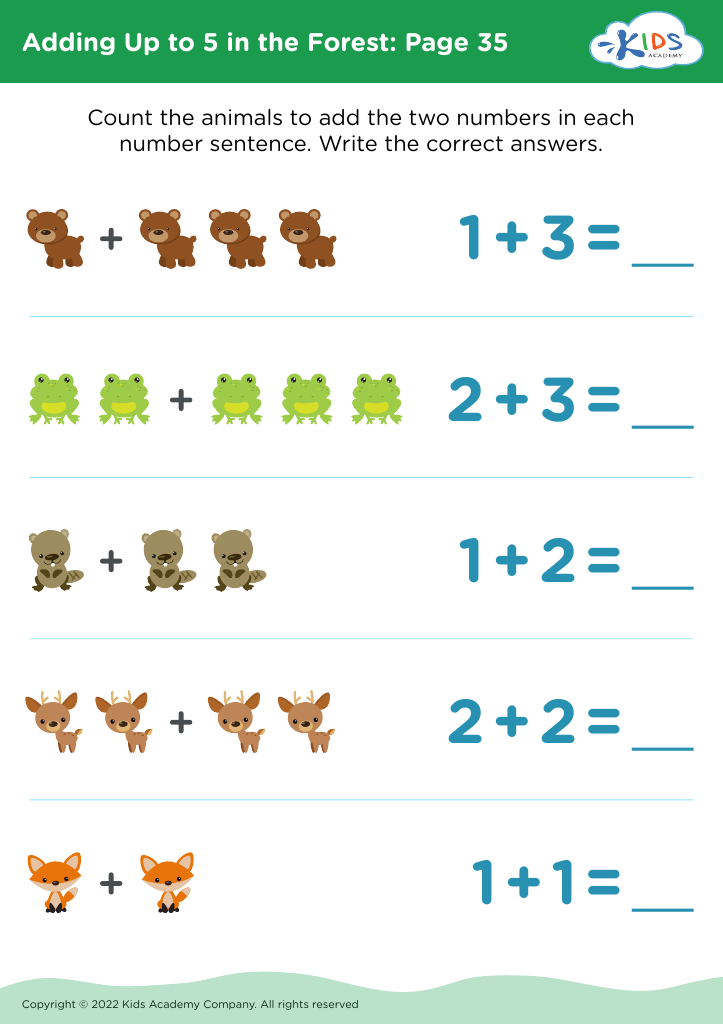
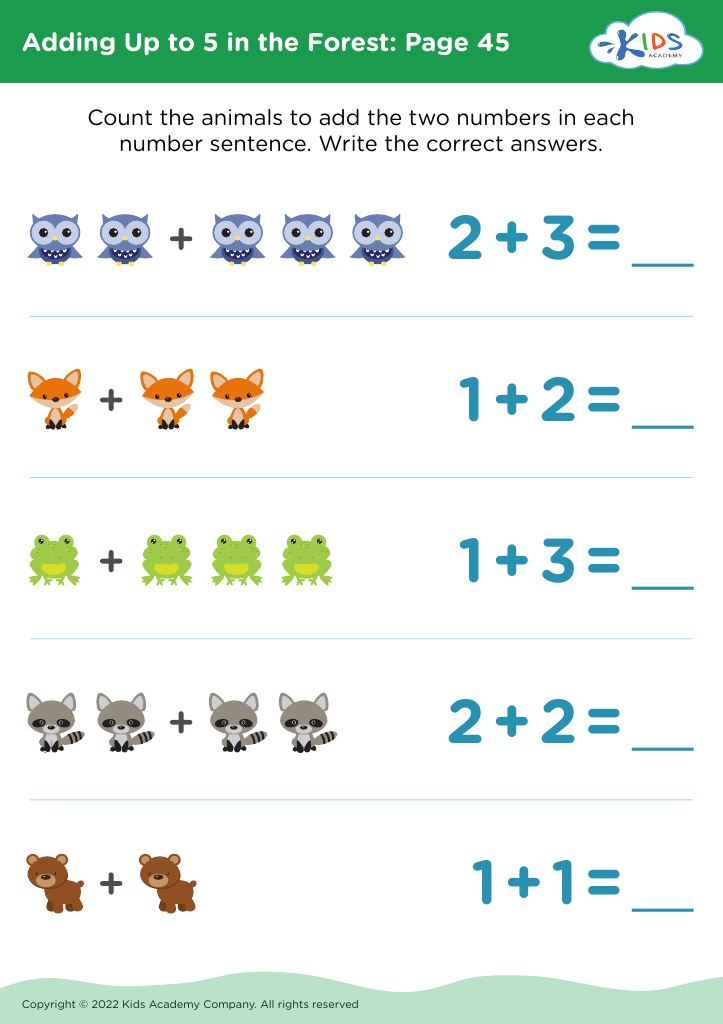
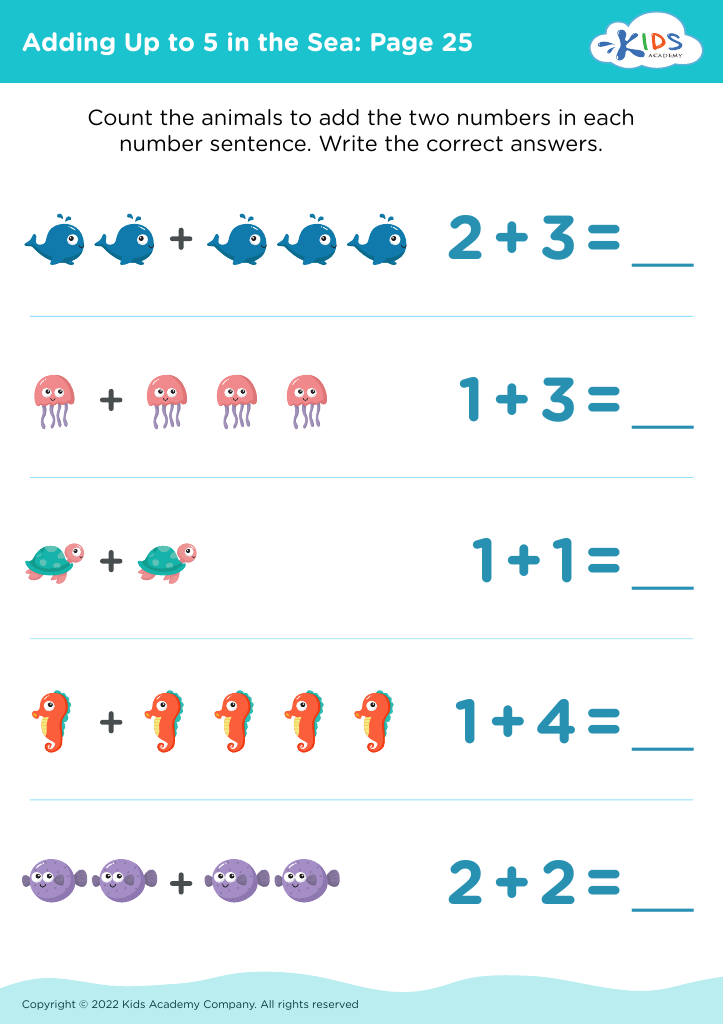
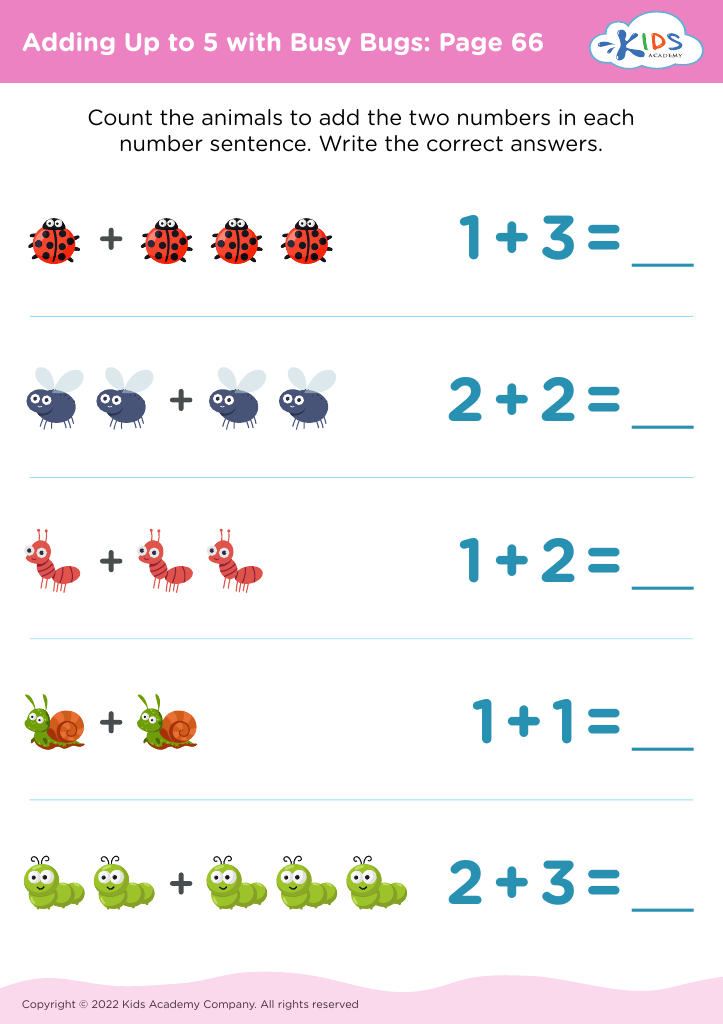
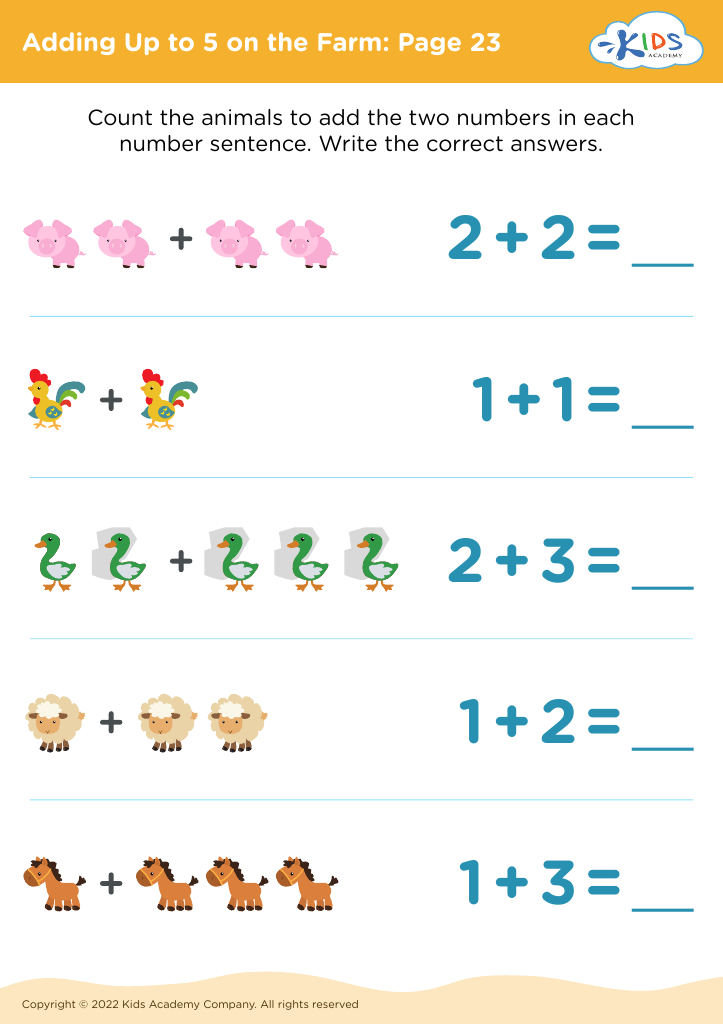
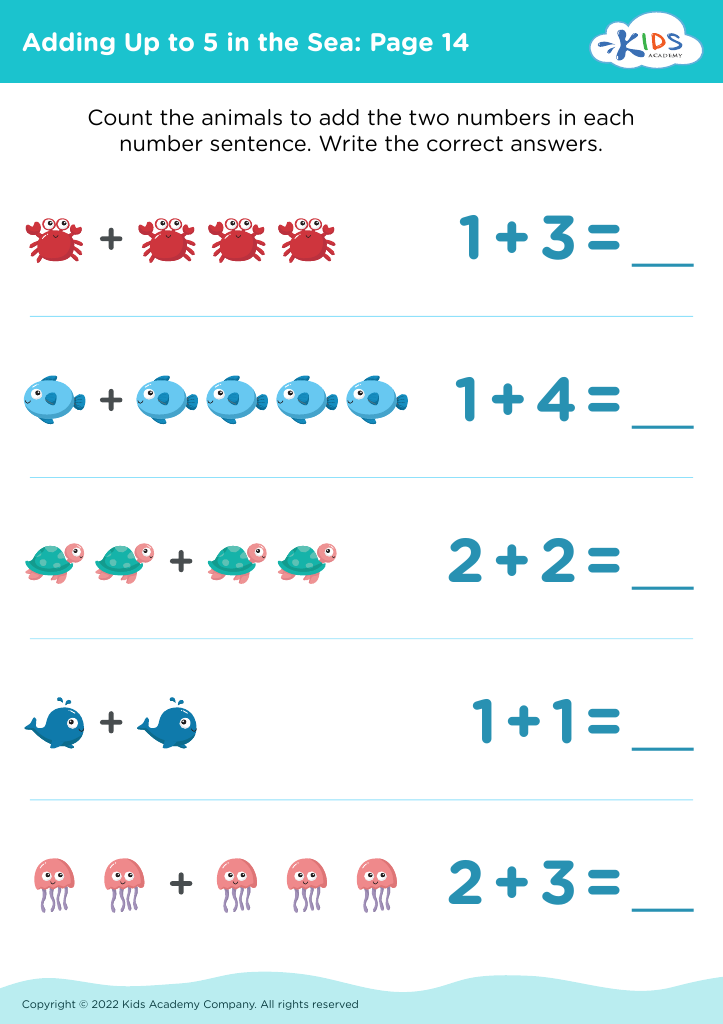
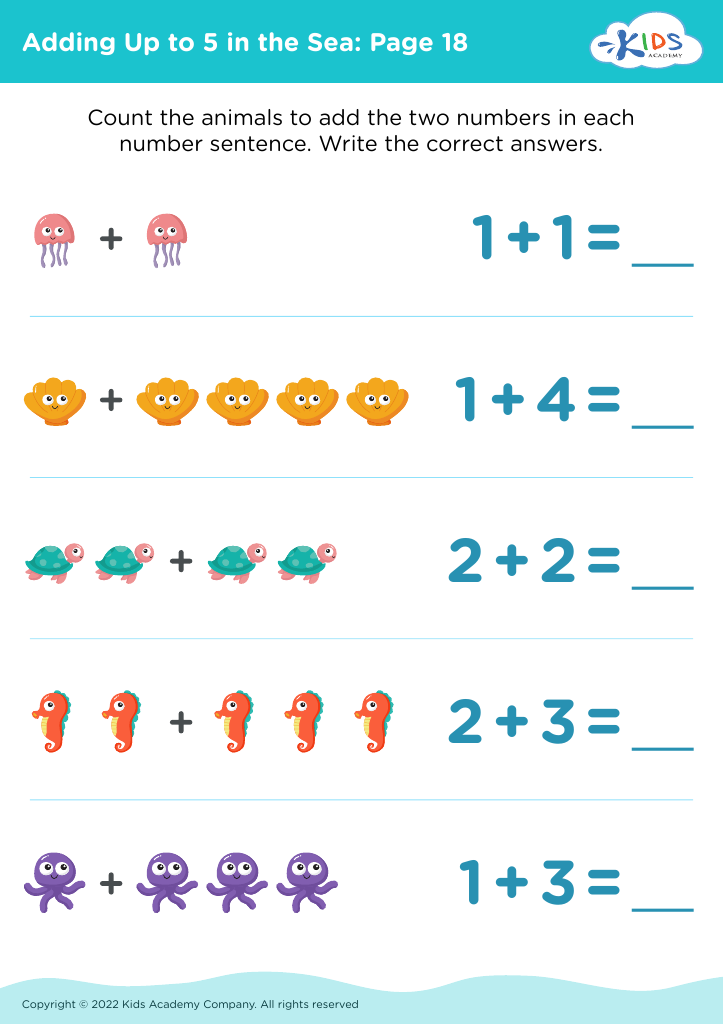
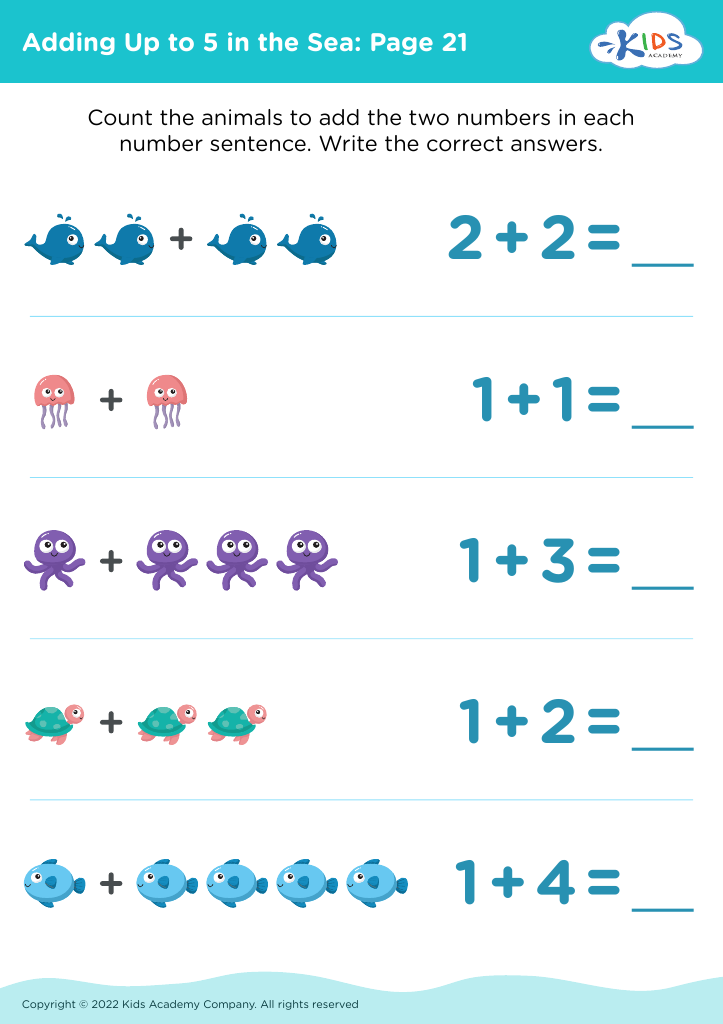
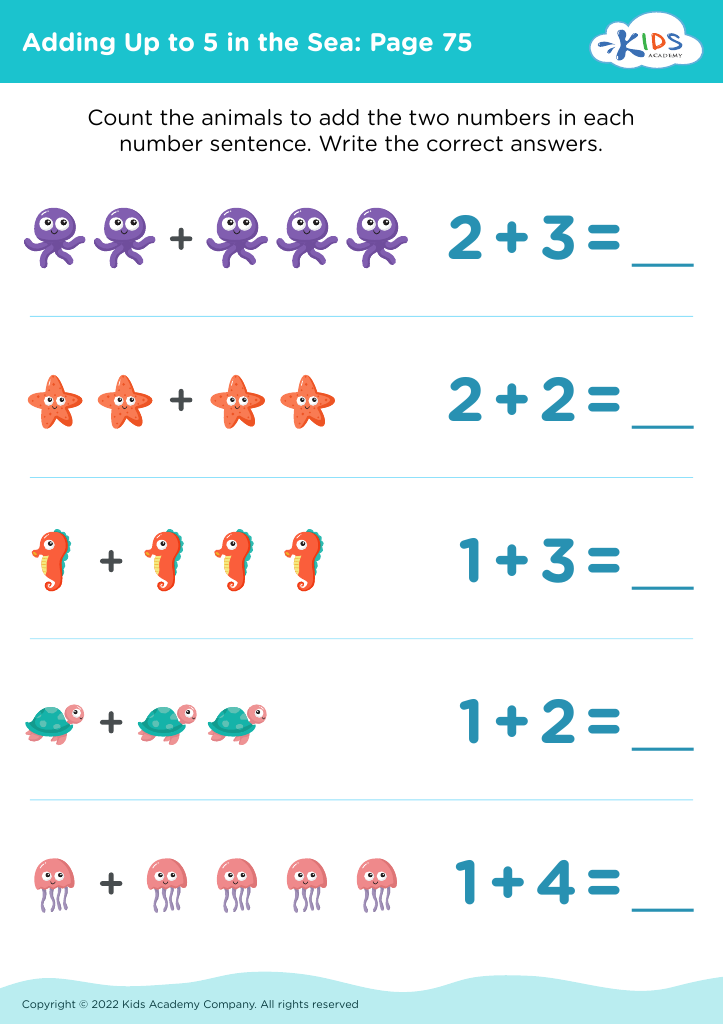
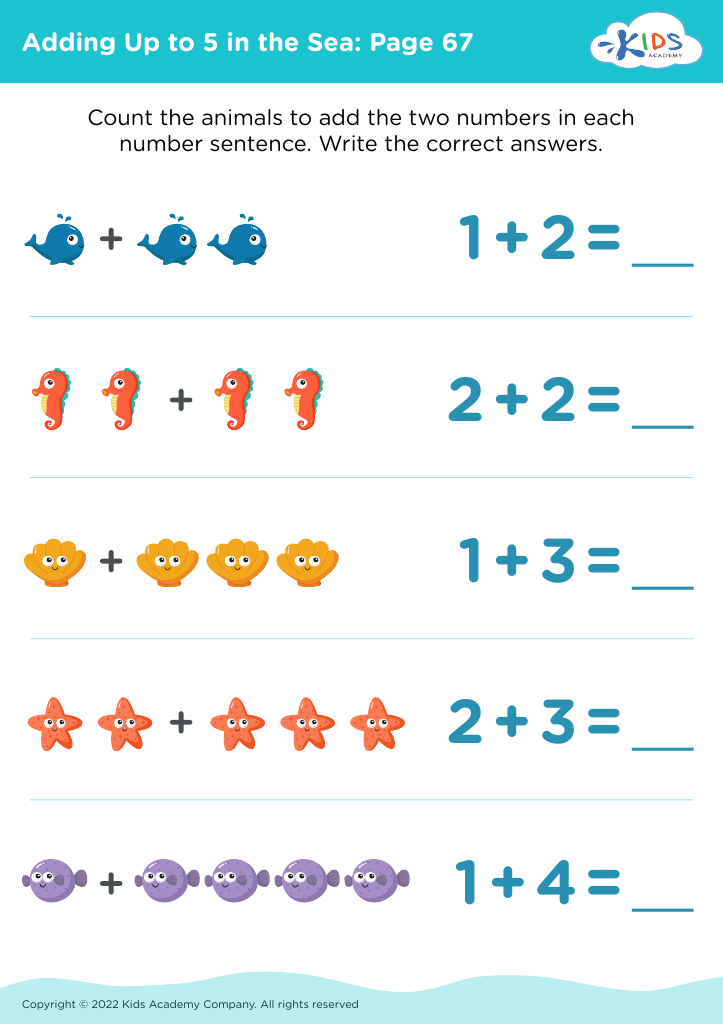
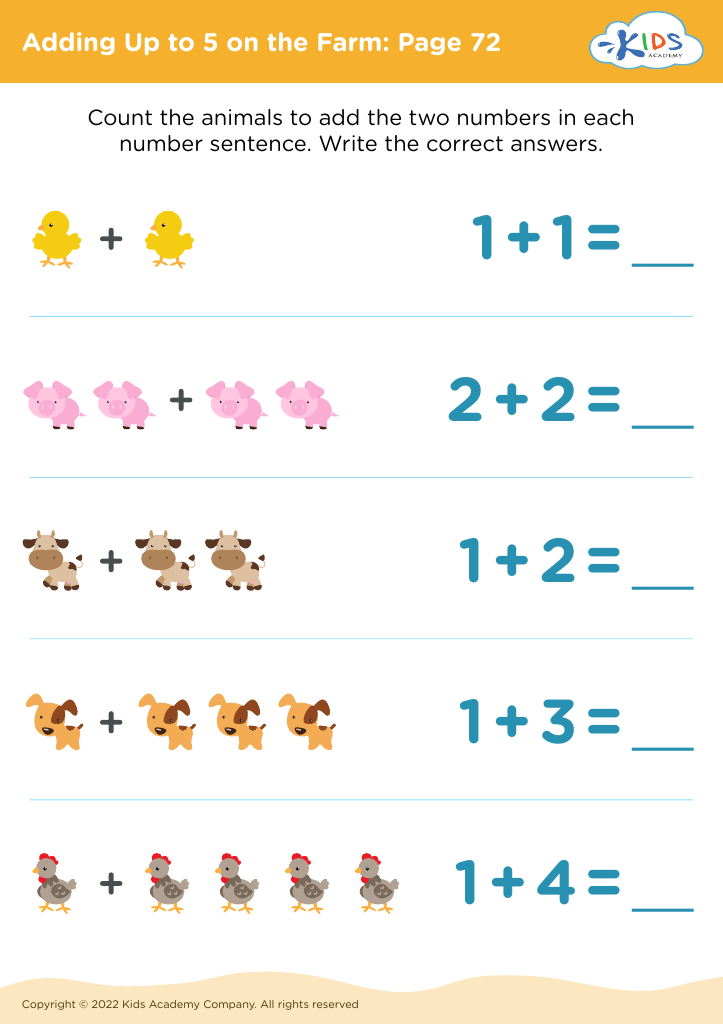
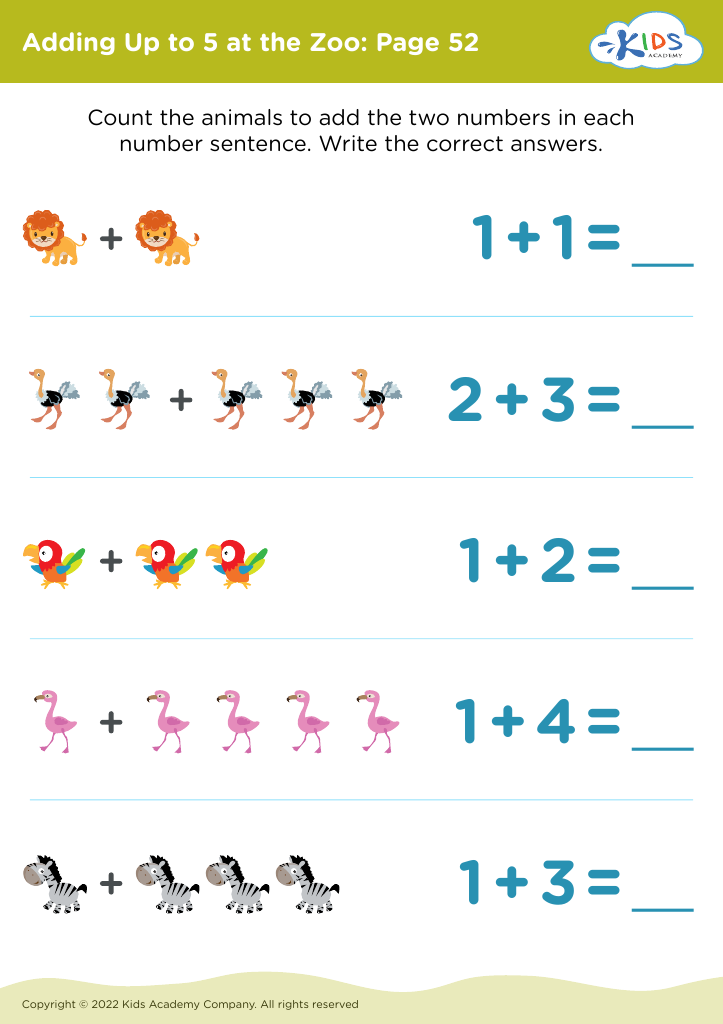
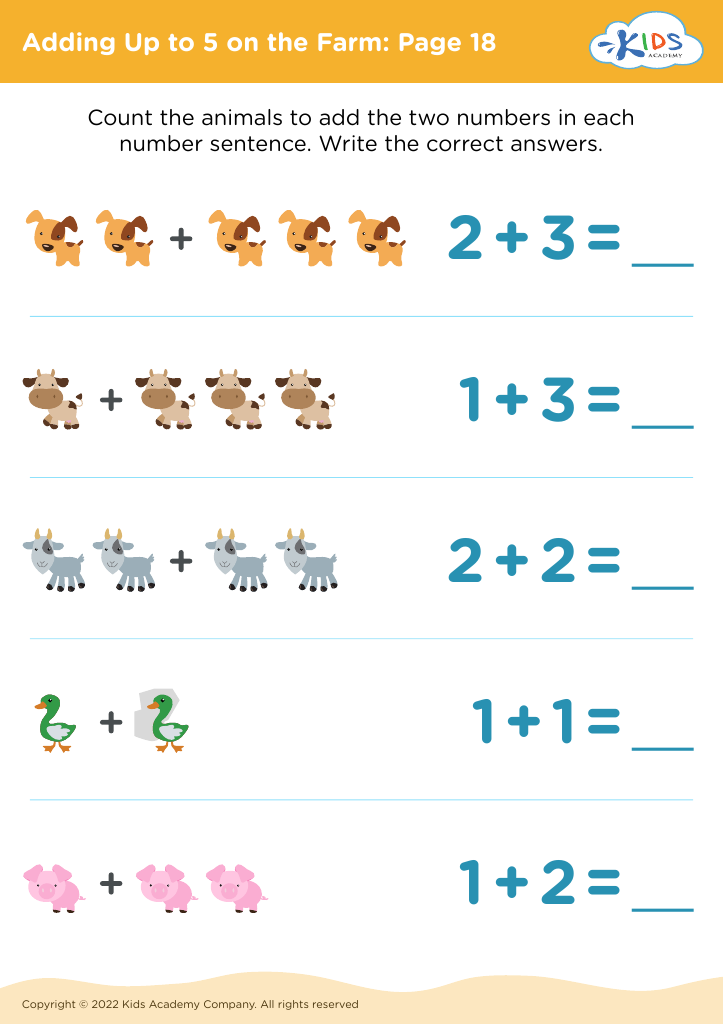
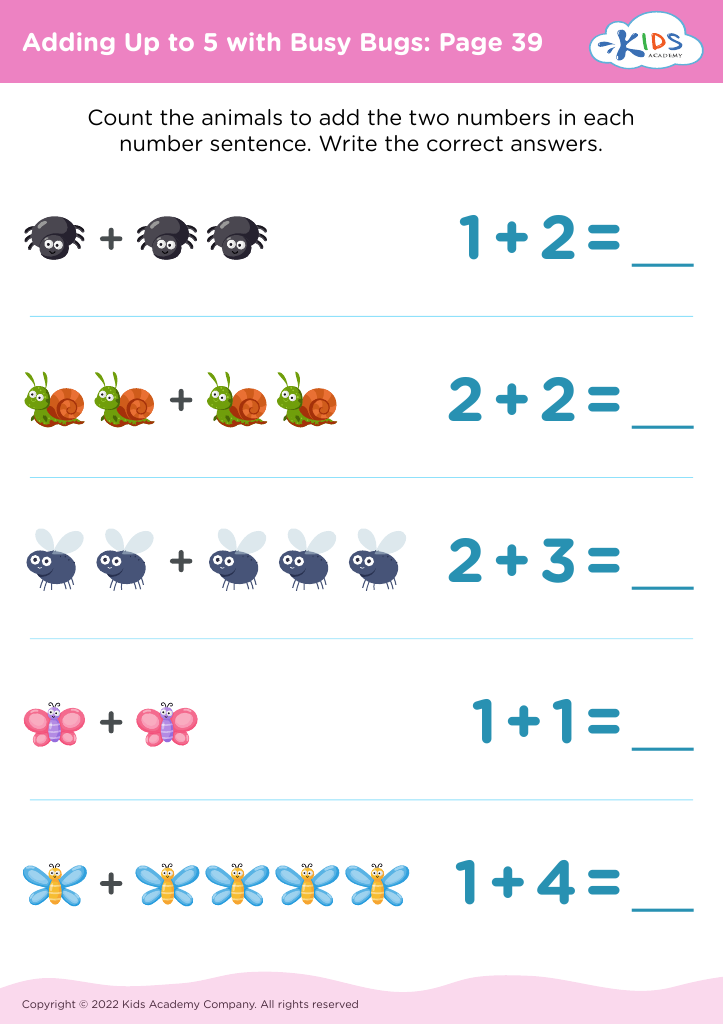
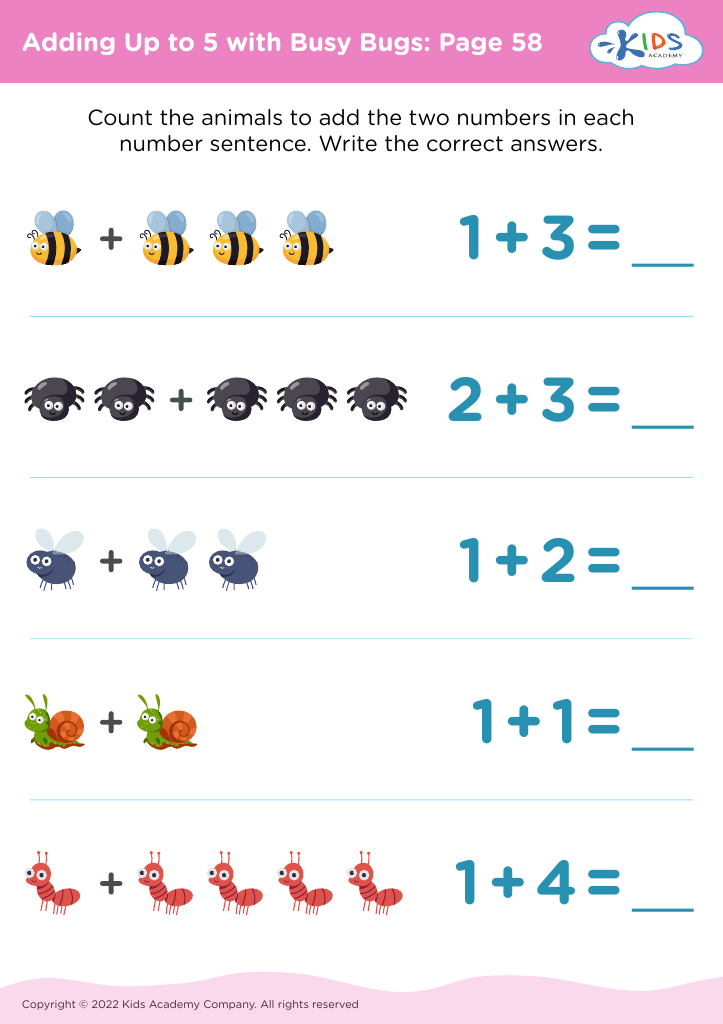
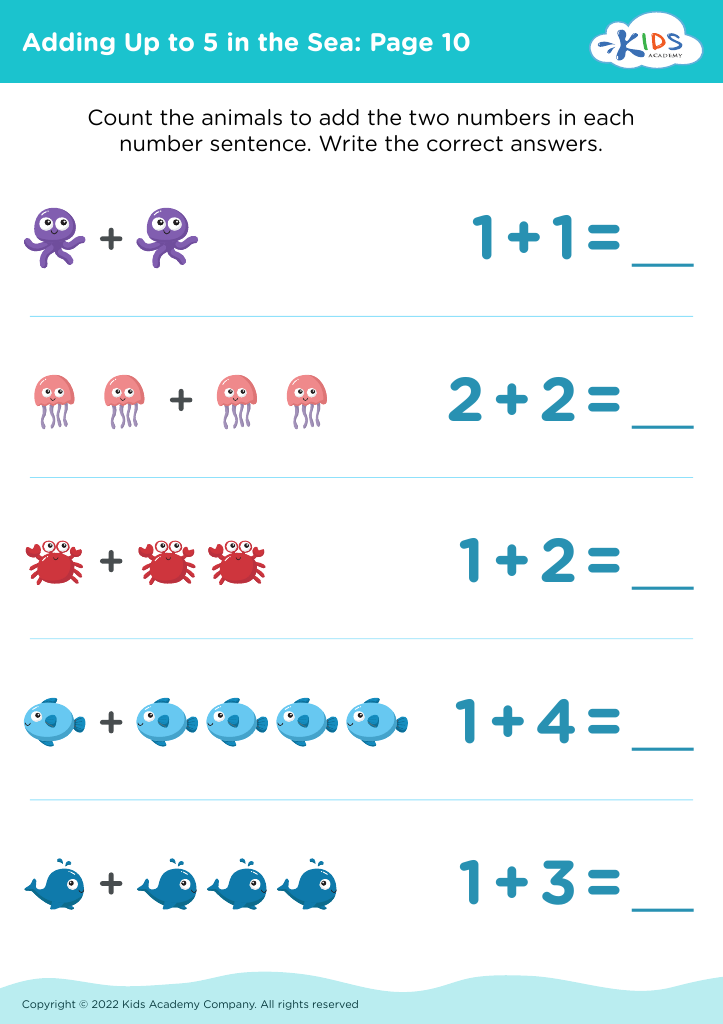
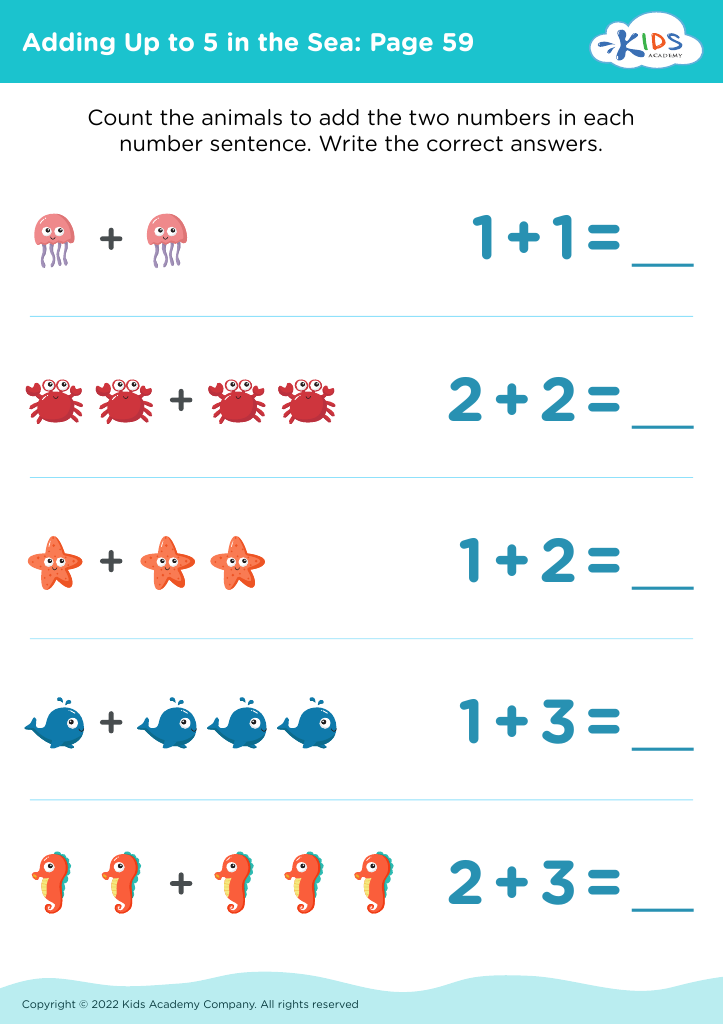







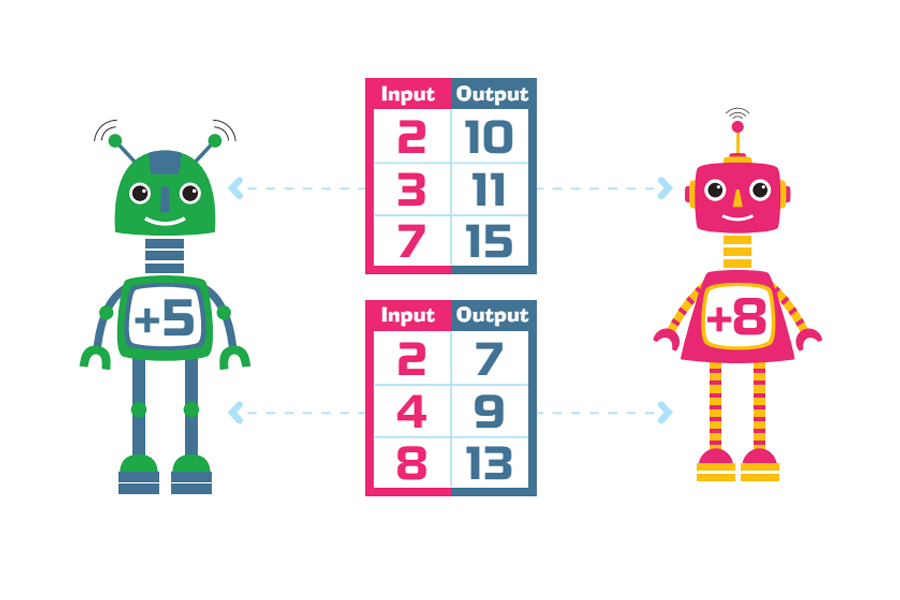
Visual learning in addition and subtraction for children aged 3-9 is crucial for several reasons. Firstly, young learners are naturally inclined towards visual stimuli, making it easier for them to grasp mathematical concepts through diagrams, pictures, and manipulatives. Using visual tools, such as number lines or counters, helps to build a strong foundational understanding of basic math operations, supporting cognitive development.
Secondly, visual learning fosters engagement and retention. Children are more likely to stay motivated and actively participate when learning is presented in an enjoyable, colorful, and interactive format. By using charts, drawings, and hands-on activities, teachers and parents can create dynamic learning experiences that captivate children's attention.
Moreover, visual learning strengthens problem-solving skills. When children can visualize numbers and operations, they can better comprehend how to manipulate them, making it easier to approach complex mathematical problems later on.
Encouraging visual learning not only supports early math skills but also enhances critical thinking and reasoning. Ultimately, developing addition and subtraction skills through visual means lays the groundwork for a positive attitude towards mathematics, fostering confidence and a love for learning that can last a lifetime. Parents and teachers play a pivotal role in making these strategies accessible and enjoyable for children.








