Basic Math Skills Addition Worksheets for Ages 3-9 - Page 2
75 filtered results
-
From - To
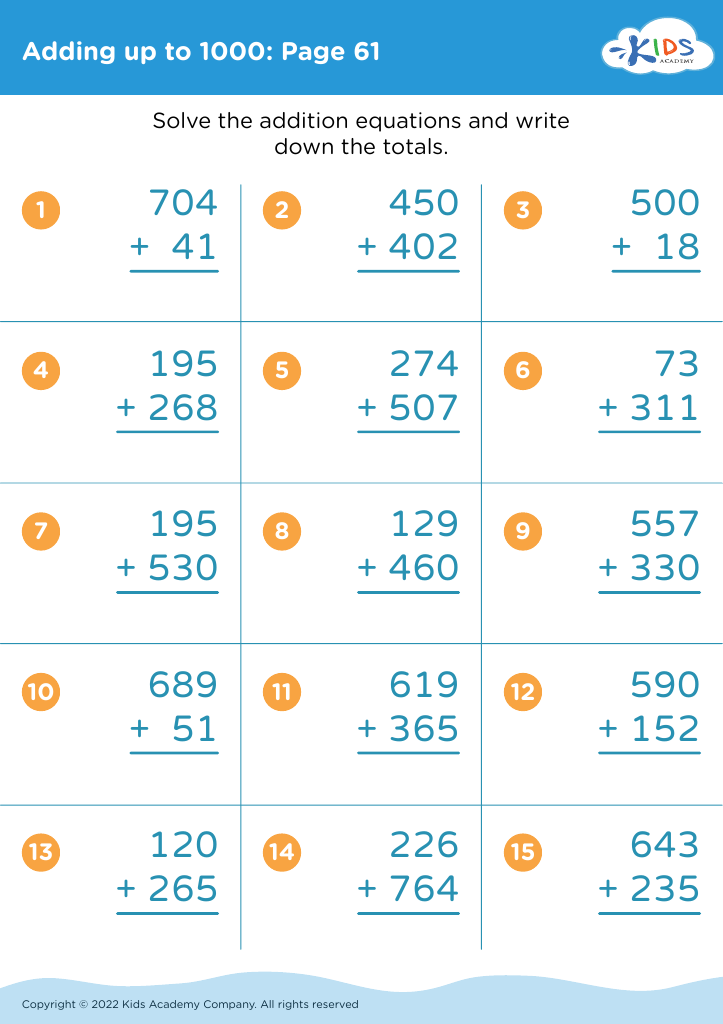
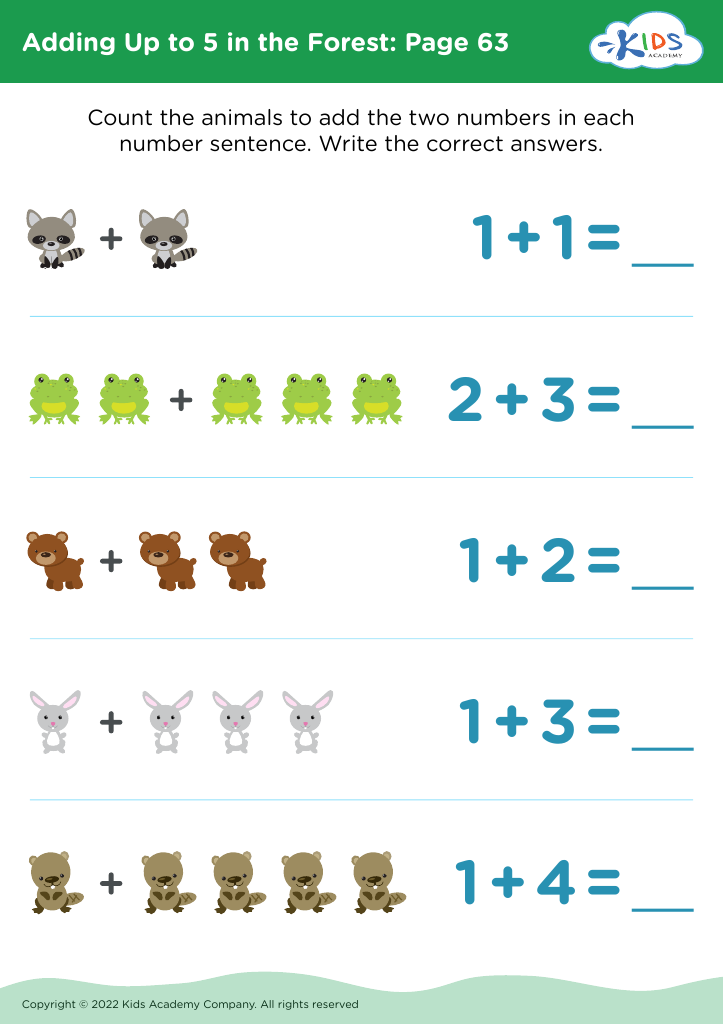
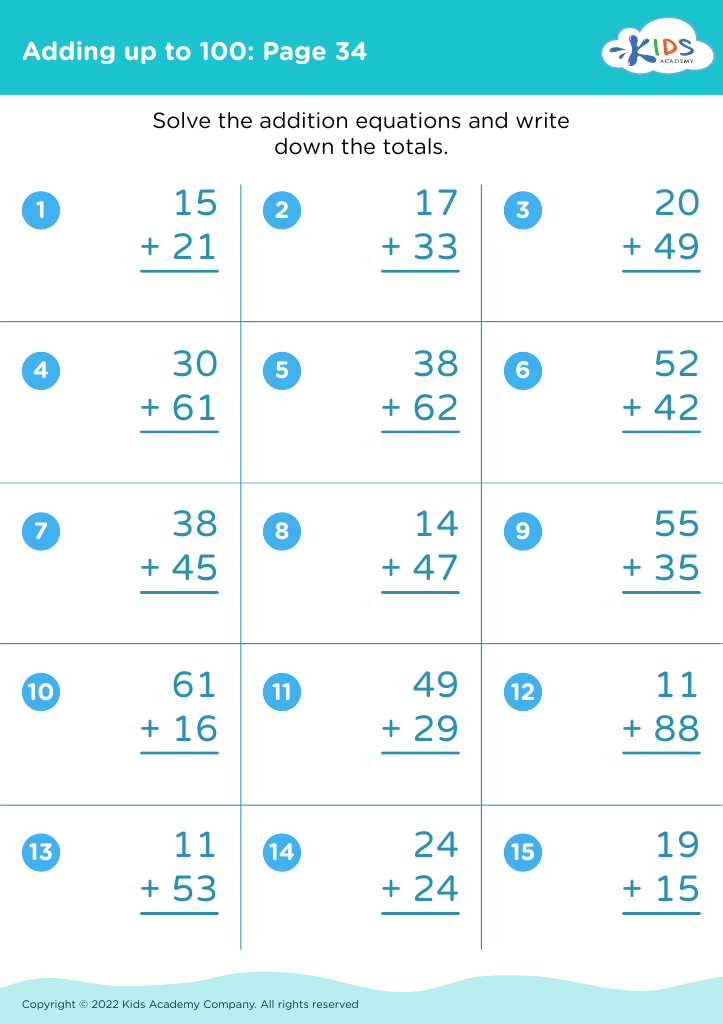
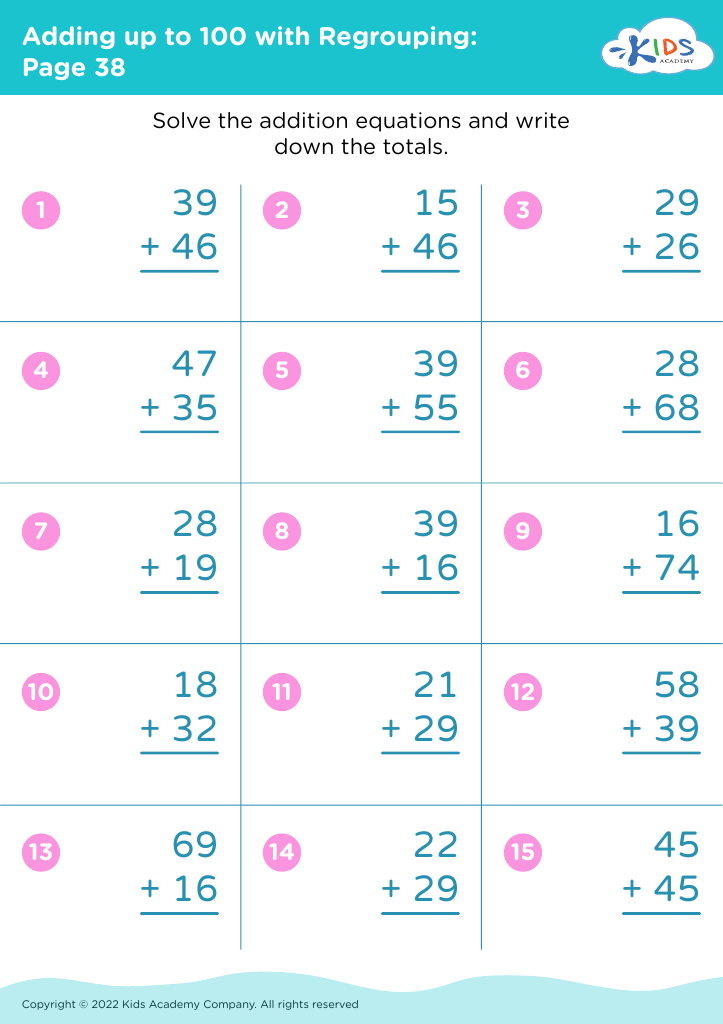
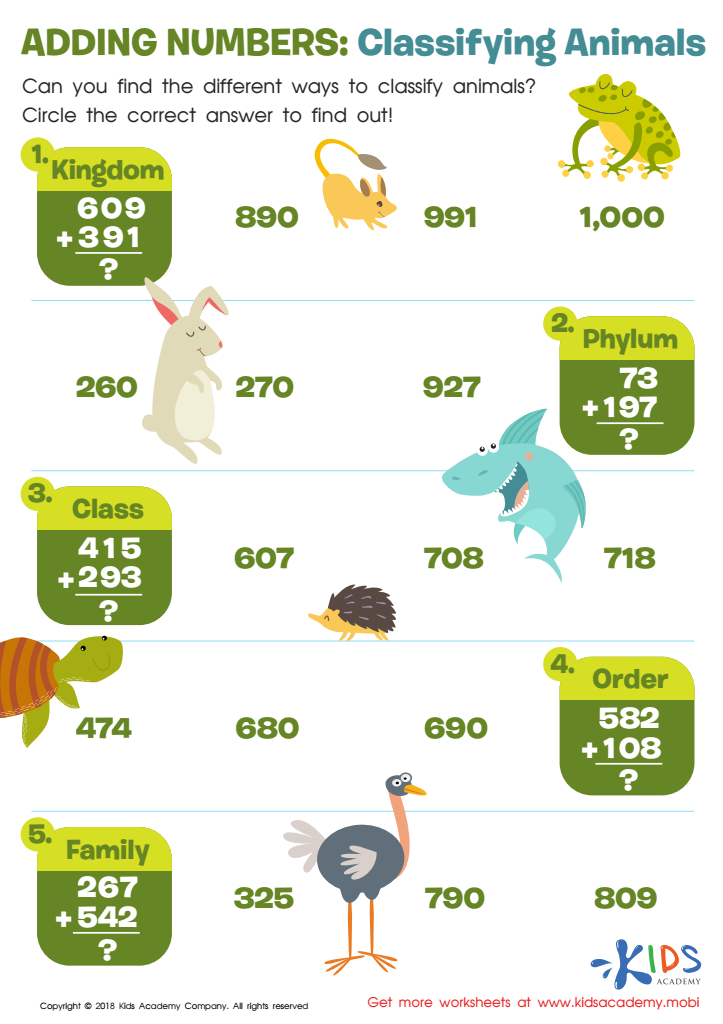
Adding Numbers: Classifying Animals Worksheet
 Assign to My Students
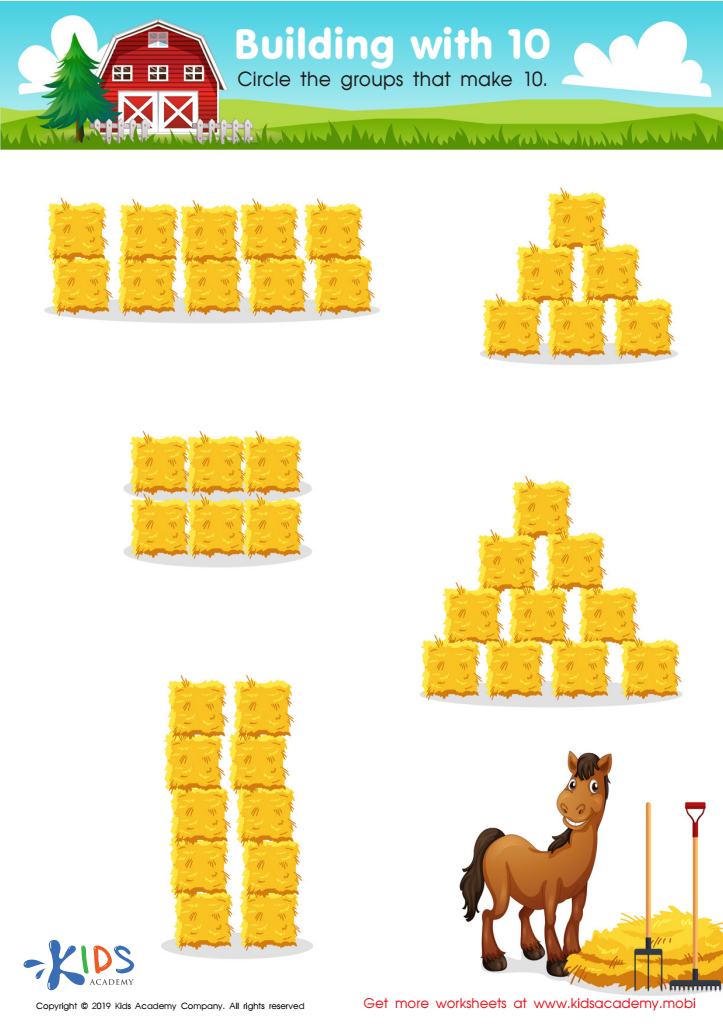
Building with 10 Worksheet
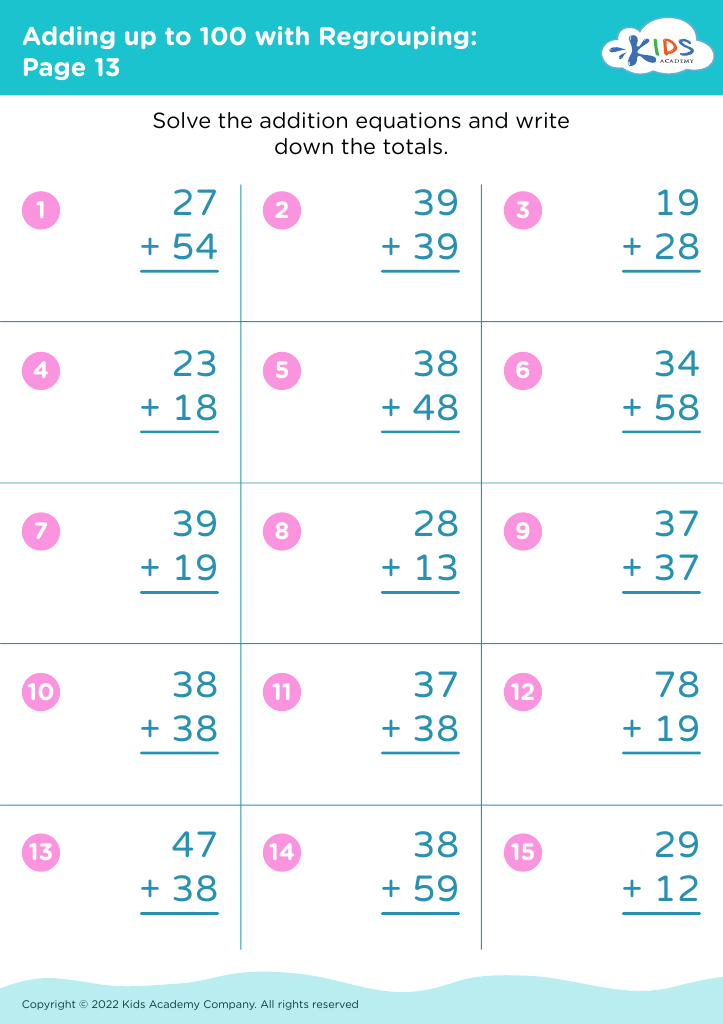
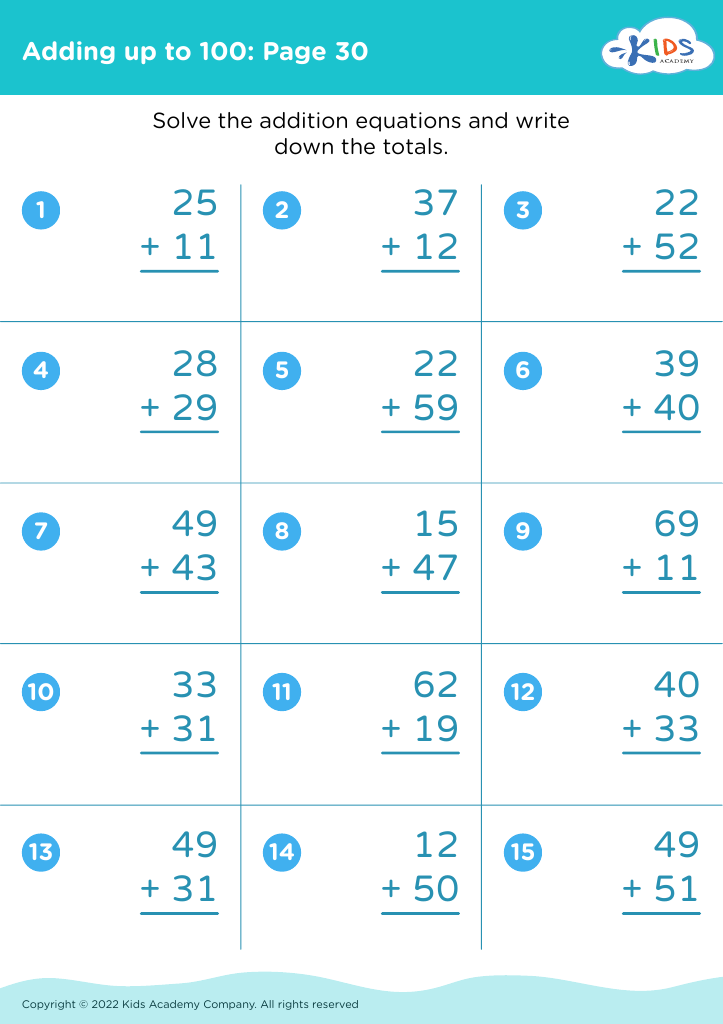
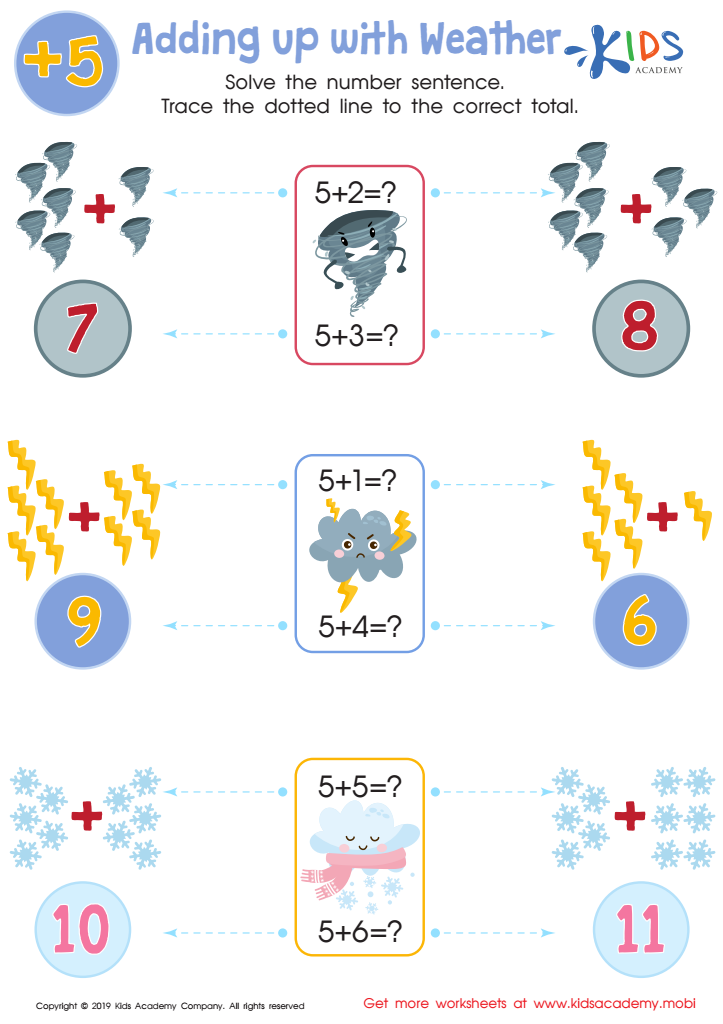
Adding up With Water Worksheet
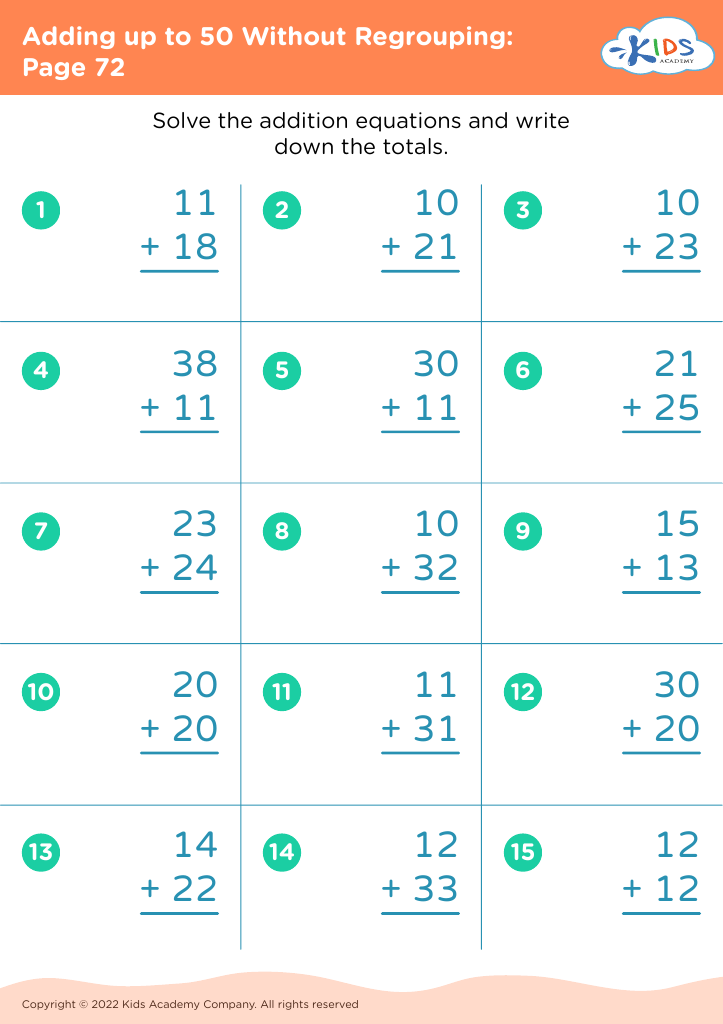








Basic math skills, particularly addition, are fundamental for children ages 3-9, as they form the building blocks for more complex mathematical concepts encountered in later years. During this critical developmental phase, young minds are exceptionally receptive and capable of absorbing new information. Thus, fostering a strong foundation in addition is crucial.
First, mastering addition bolsters cognitive development. It enhances problem-solving skills, logical reasoning, and the ability to make connections between concepts. These cognitive benefits extend well beyond math, aiding children in understanding the world around them and succeeding in diverse academic areas.
Furthermore, early competence in addition boosts confidence and motivation. When children understand basic addition, they are more likely to participate in classroom activities, enjoy learning, and experience less math-related anxiety as they progress in their education.
Parental and teacher involvement is vital. Parents can integrate addition into daily activities, making learning seamless and fun. Teachers, conversely, can provide structured learning experiences that cater to different learning styles, ensuring that each child builds a solid foundation.
Lastly, early mastery of addition underpins future challenges. Proficient use of basic arithmetic skills enables efficient transition to more complicated mathematical operations such as subtraction, multiplication, and division, securing future academic success and fostering lifelong numeracy skills.








