Fine motor skills (writing) Addition Worksheets for Ages 3-9 - Page 2
38 filtered results
-
From - To
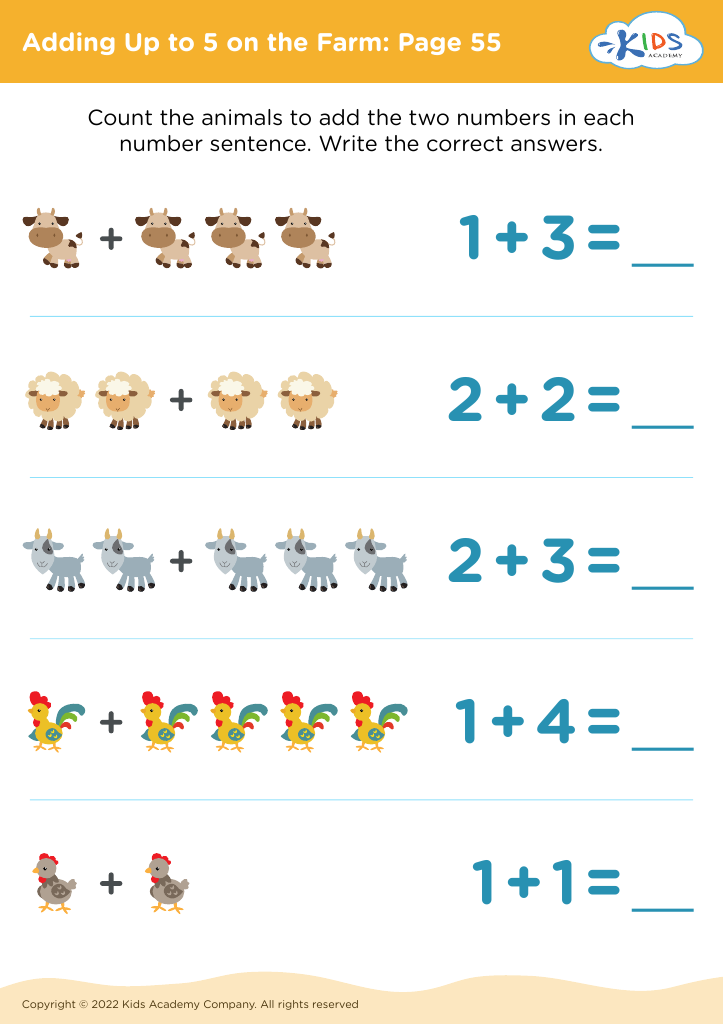
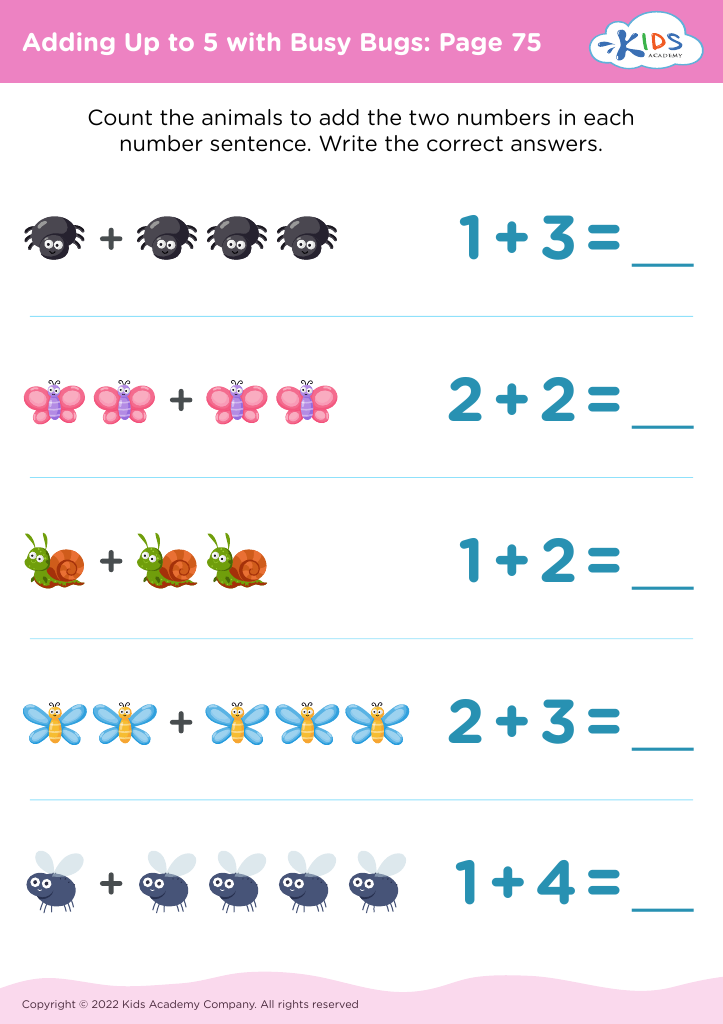
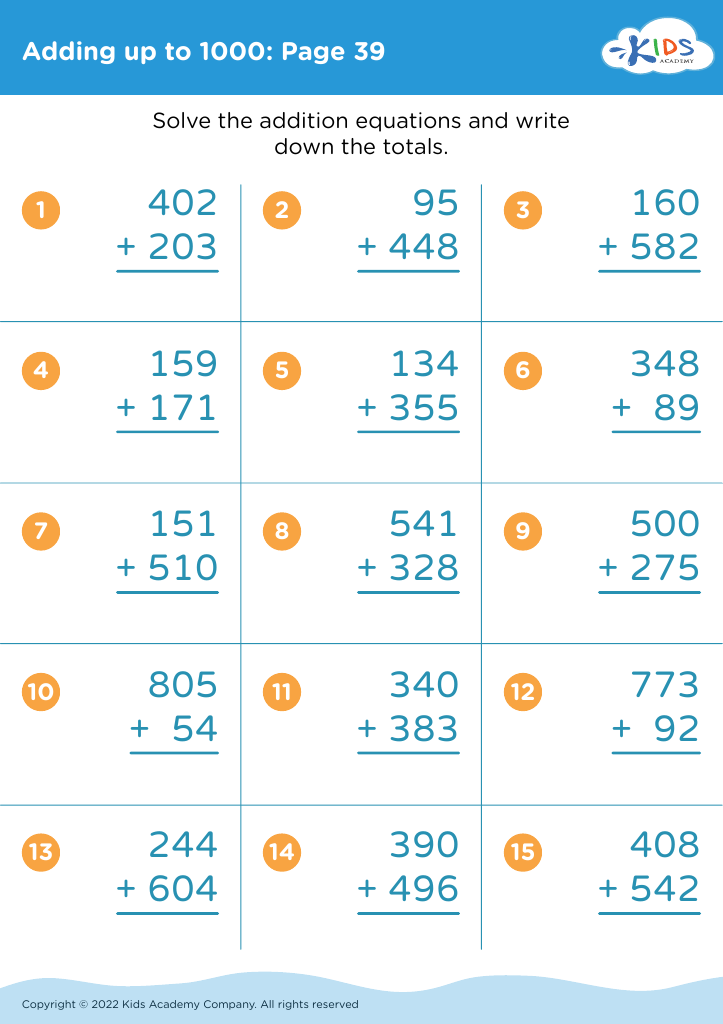
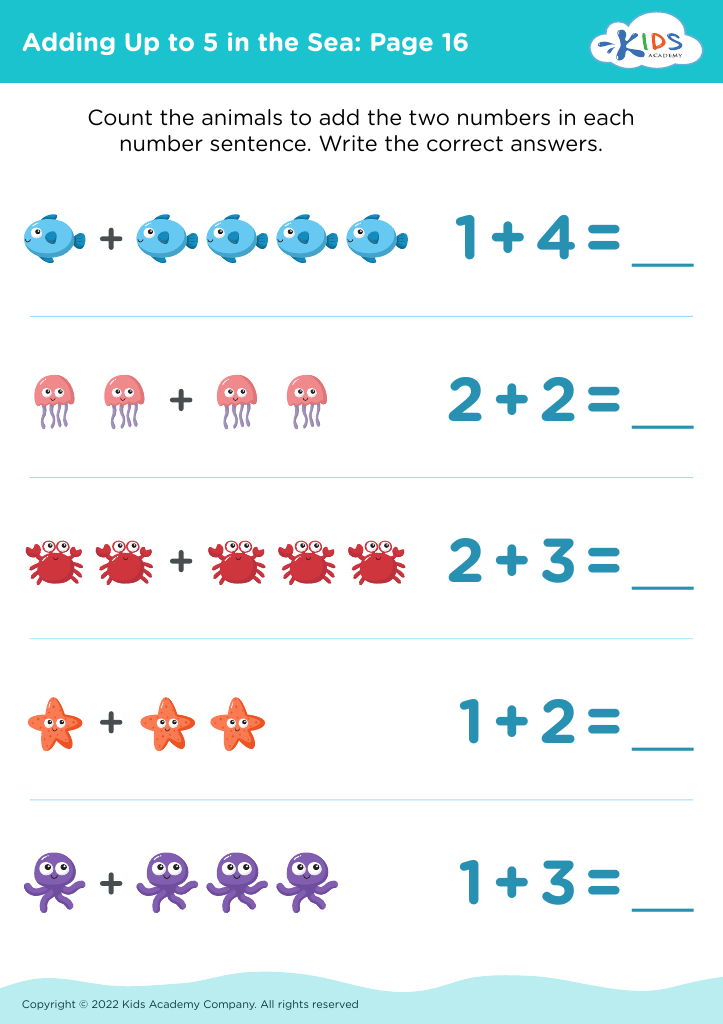
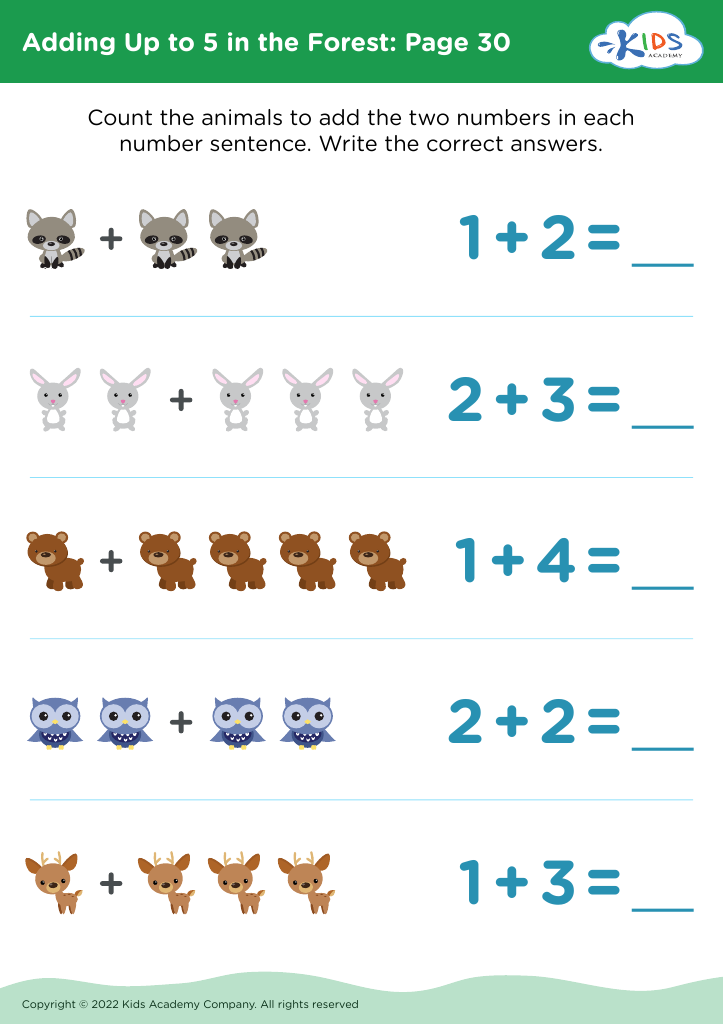
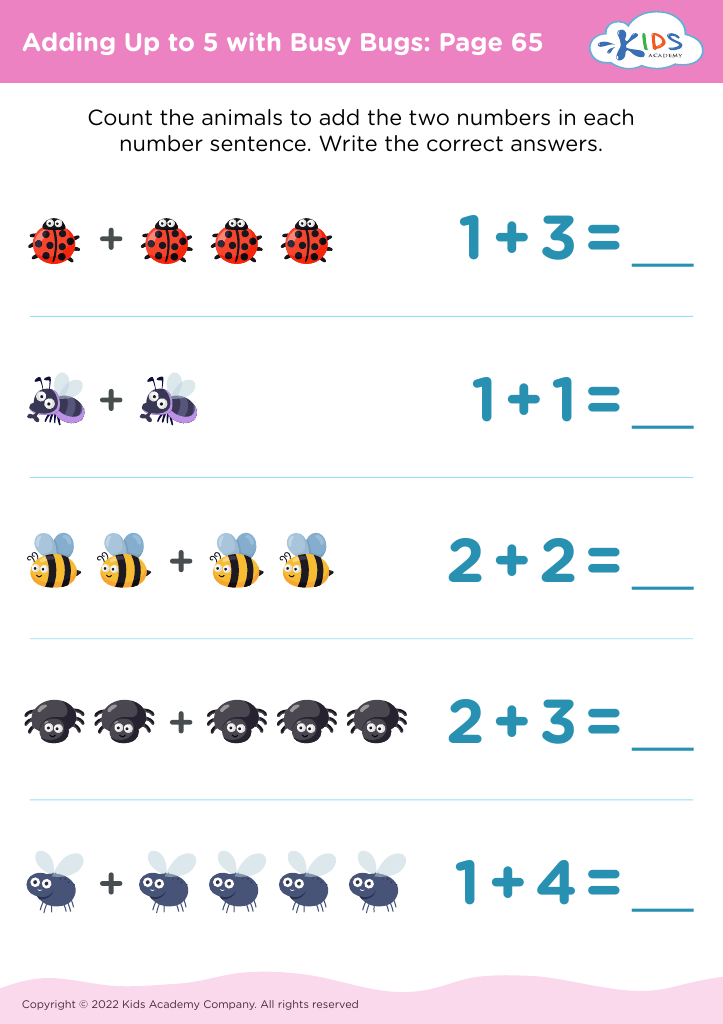


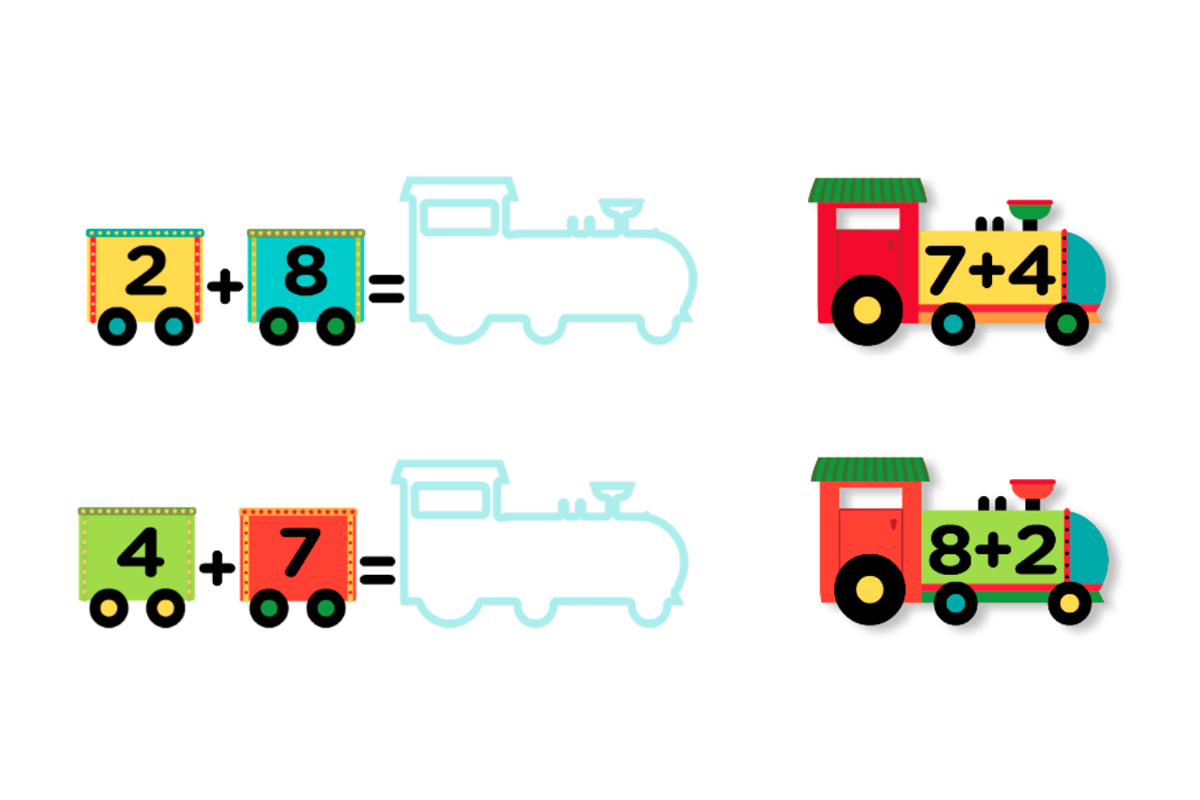





Developing fine motor skills is crucial for children aged 3-9 because it immensely influences their overall learning and independence. Fine motor skills involve the coordination of small muscles in the hands and fingers with the eyes and are essential for activities like writing, buttoning, and using utensils.
Parents and teachers should prioritize these skills because they form the foundation for academic success and daily living. Mastering fine motor skills at a young age means children can write neatly, hold a pencil correctly, and perform classroom tasks more efficiently. Writing is not just about forming letters; it also boosts cognitive development by enhancing memory and comprehension and facilitating better communication of ideas.
Furthermore, fine motor skills are linked to self-esteem and confidence. Children who struggle with tasks requiring fine motor control often experience frustration and can feel left behind. Early intervention enables smoother transitions into academic contexts where writing and precise motor coordination are expected.
Lastly, fine motor skills directly affect a child's ability to be independent. Simple tasks, such as tying shoes or zipping a jacket, rely on these abilities. Hence, fostering fine motor skills empowers children to take care of themselves, fostering autonomy and a sense of capability that supports lifelong learning and self-reliance.








