Filters

56 filtered results

Clear all filters
Favorites
With answer key
Interactive

56 filtered results

Difficulty Level

Grade


Check out this FREE Trial Lesson on Addition for age 3-9!

Short and Long Vowel Sort

Favorites
With answer key
Interactive
  • 3-9
  • Fraction simplification
  • Addition
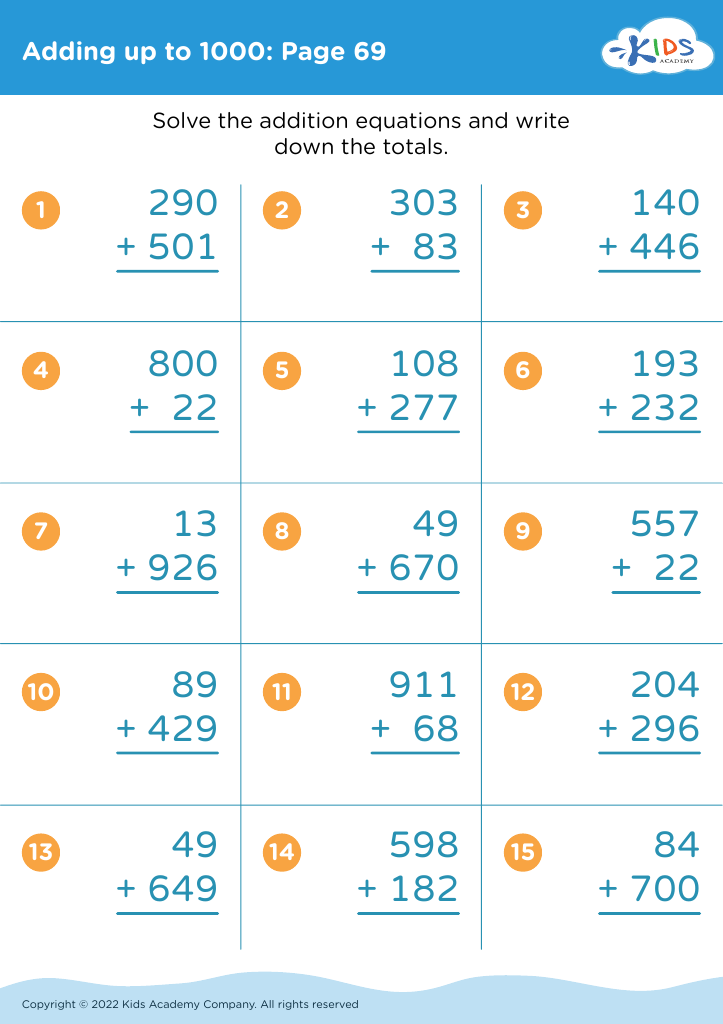
Adding up to 1000: Page 69

Adding up to 1000: Page 69

Adding up to 1000: Page 69
Worksheet
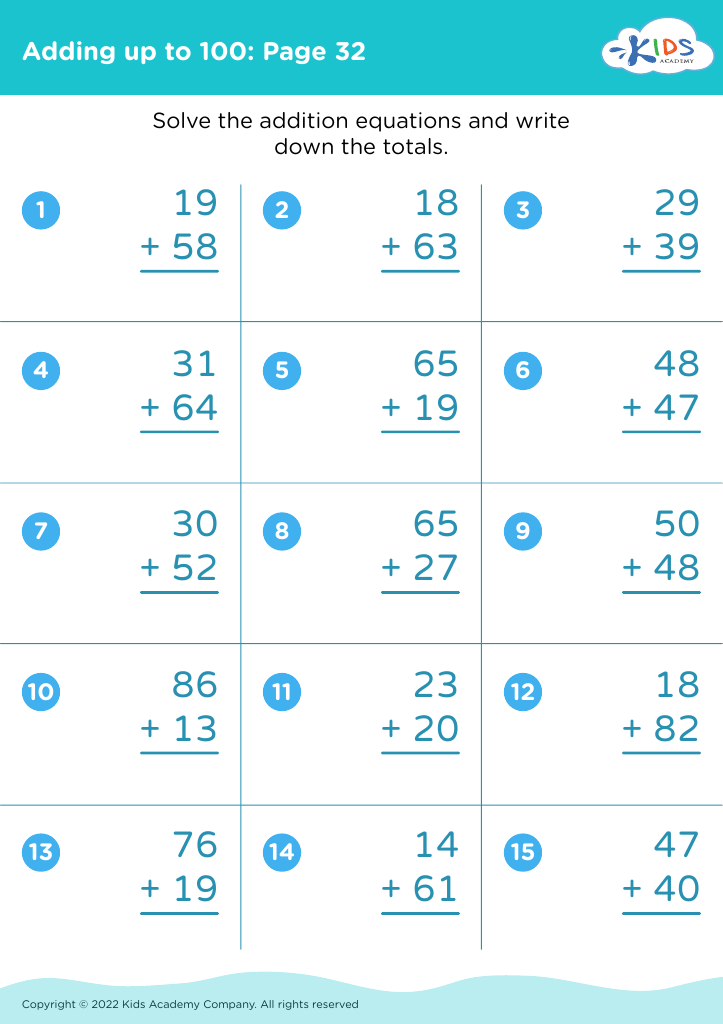
Adding up to 100: Page 32

Adding up to 100: Page 32

Adding up to 100: Page 32
Worksheet
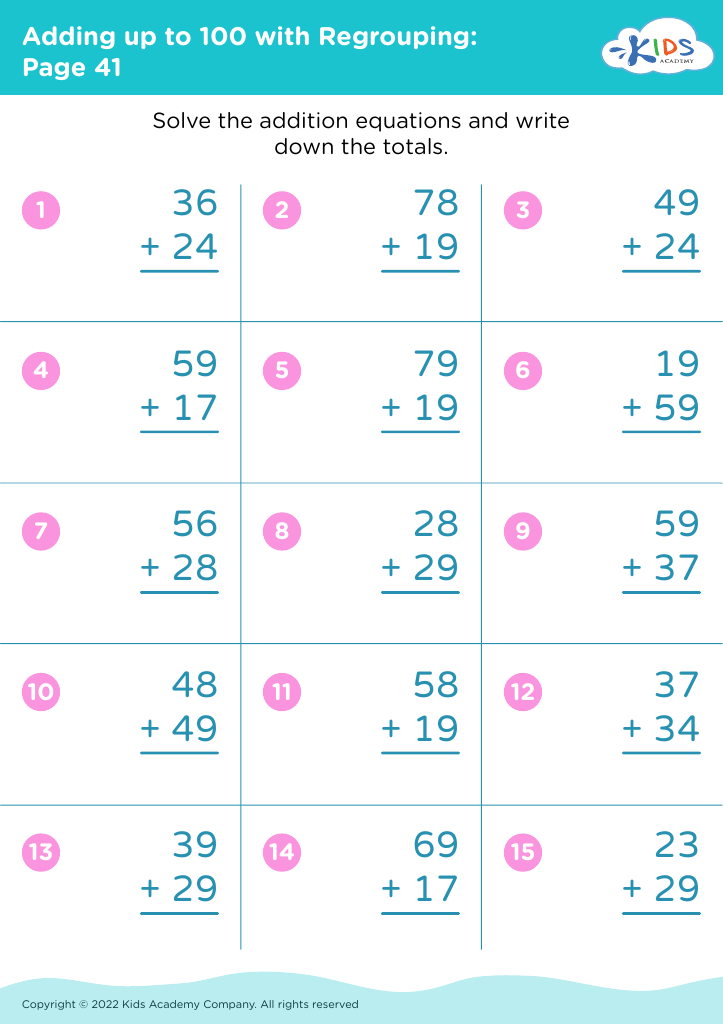
Adding up to 100 with Regrouping: Page 41
Worksheet
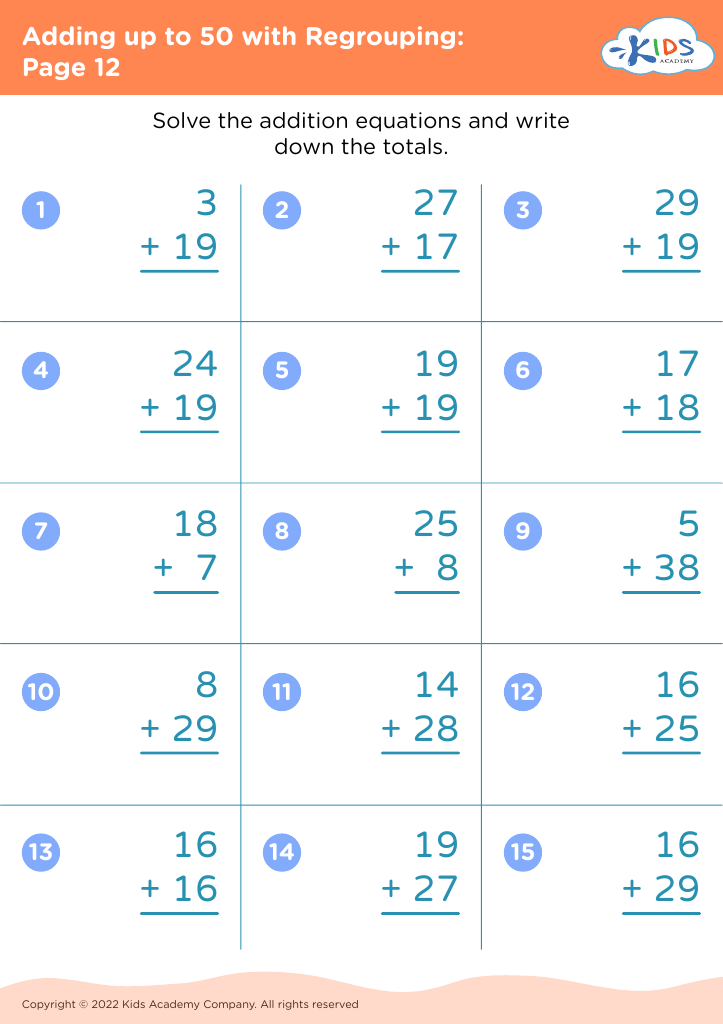
Adding up to 50 with Regrouping: Page 12
Worksheet
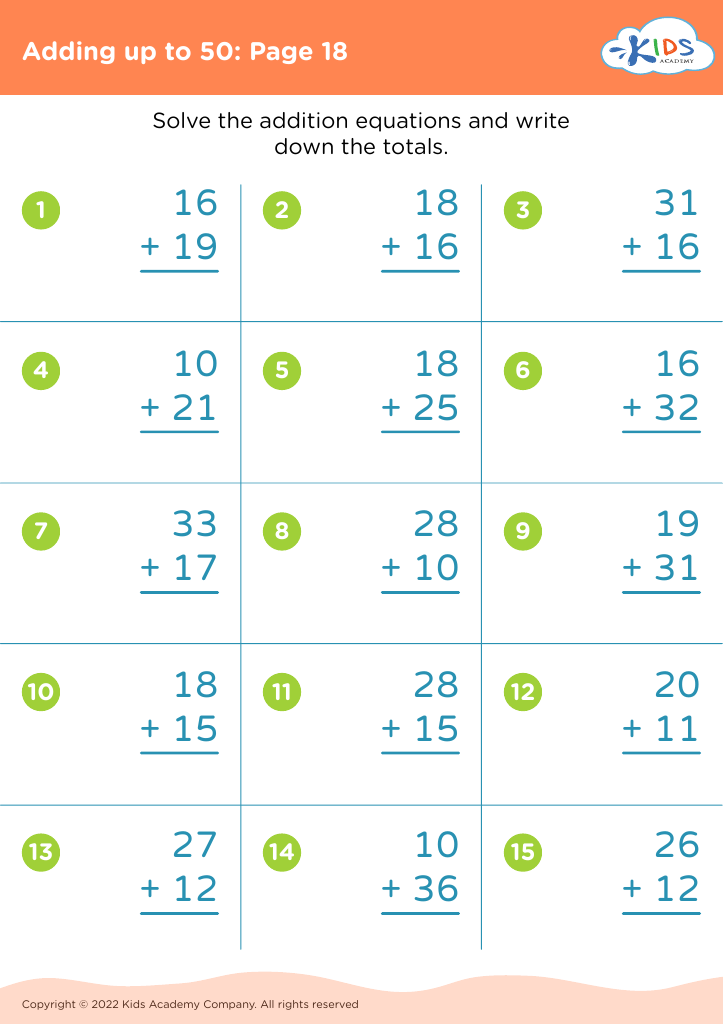
Adding up to 50: Page 18

Adding up to 50: Page 18

Adding up to 50: Page 18
Worksheet
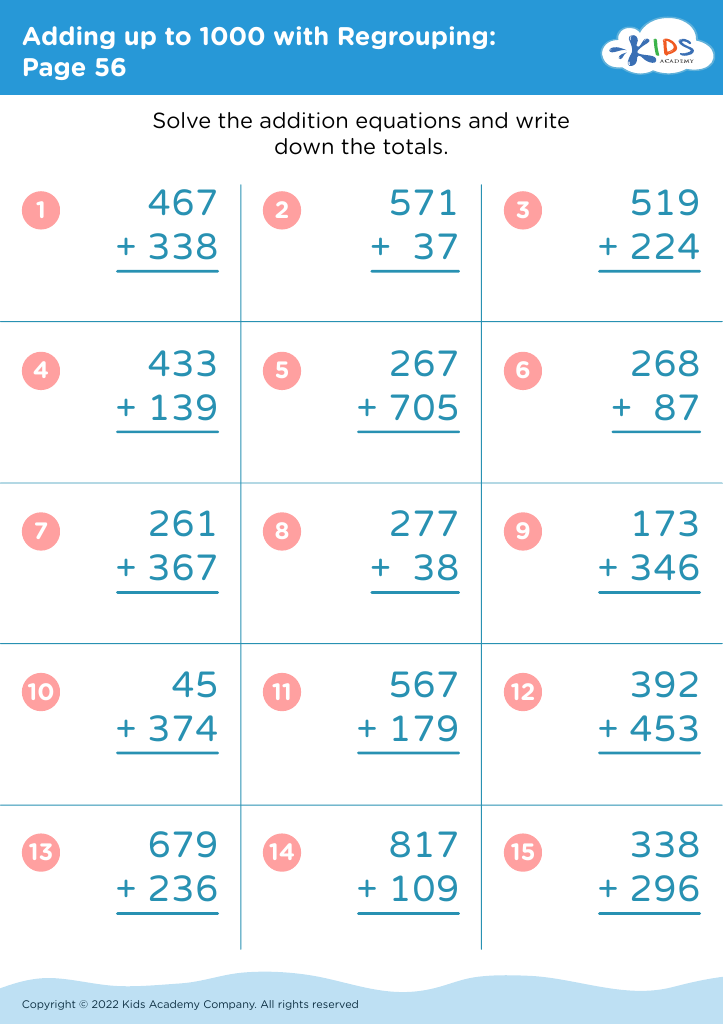
Adding up to 1000 with Regrouping: Page 56
Worksheet
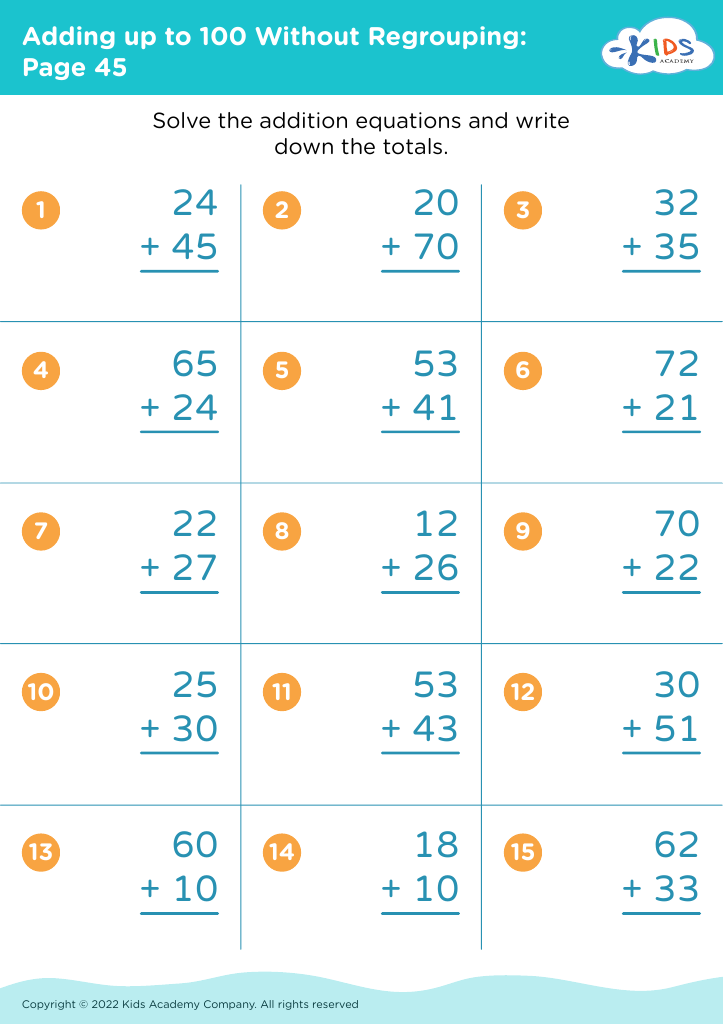
Adding up to 100 Without Regrouping: Page 45
Worksheet
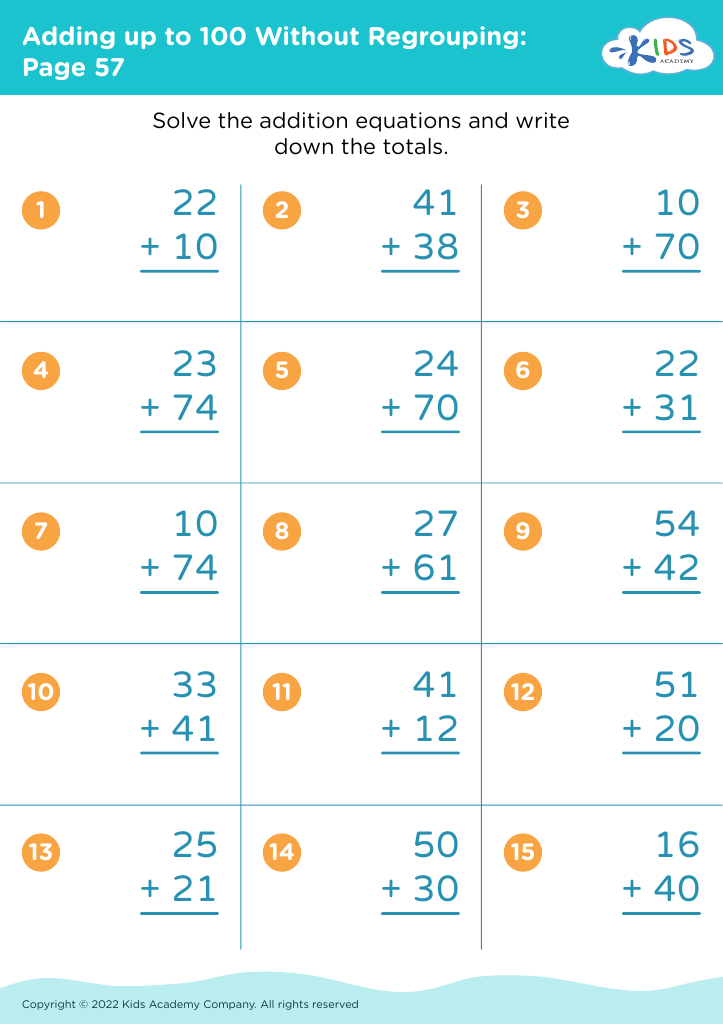
Adding up to 100 Without Regrouping: Page 57
Worksheet
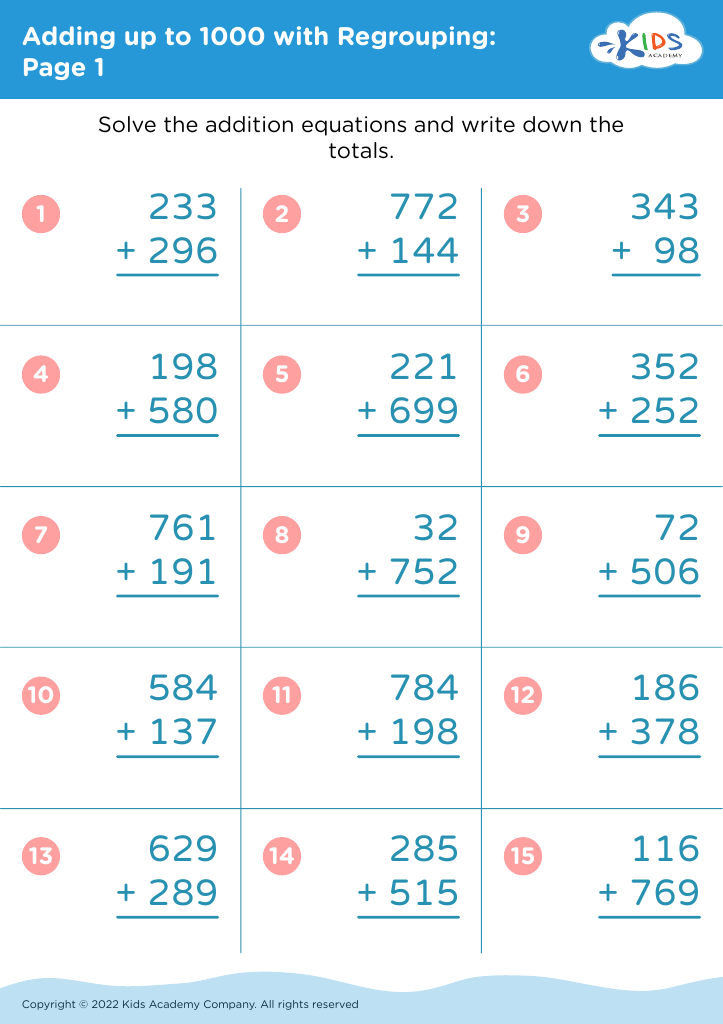
Adding up to 1000 with Regrouping: Page 1
Worksheet
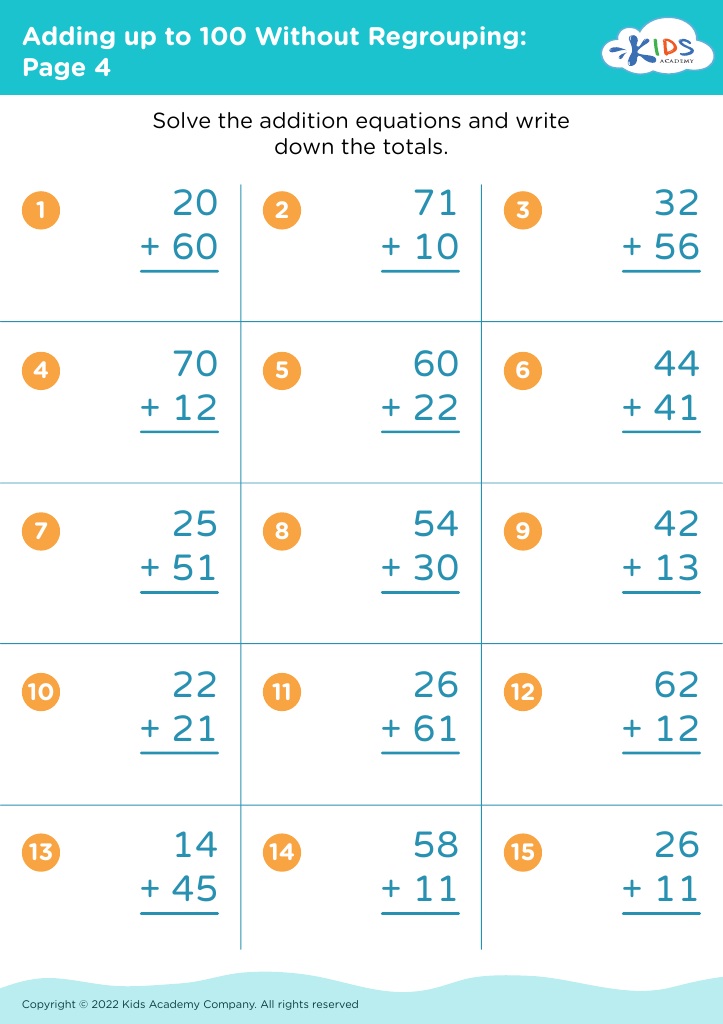
Adding up to 100 Without Regrouping: Page 4
Worksheet
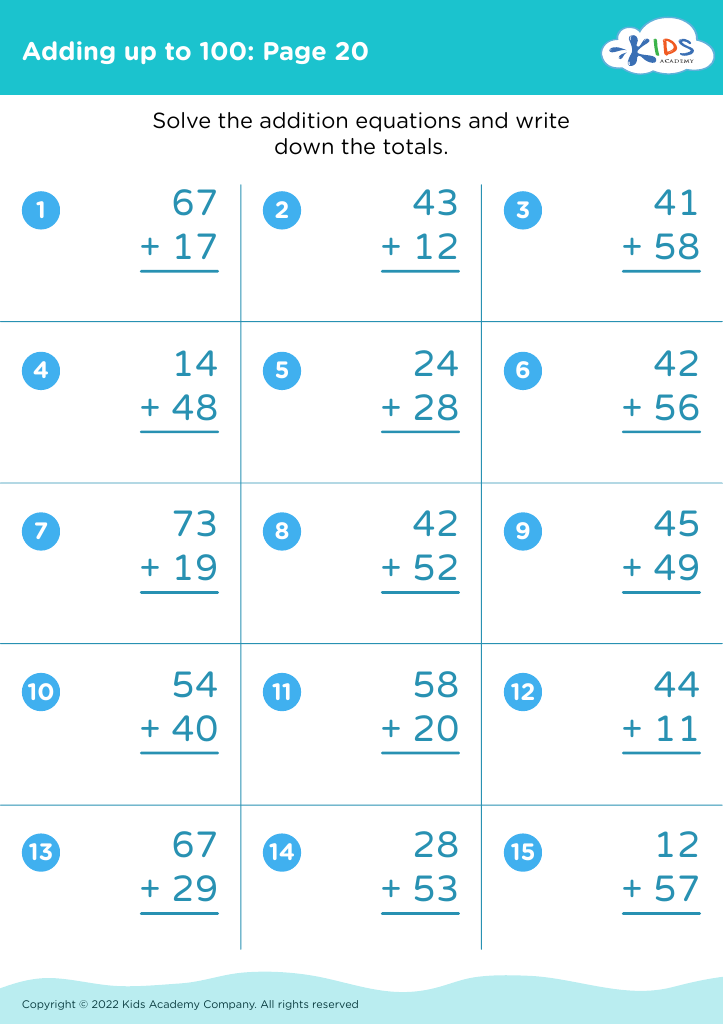
Adding up to 100: Page 20

Adding up to 100: Page 20

Adding up to 100: Page 20
Worksheet
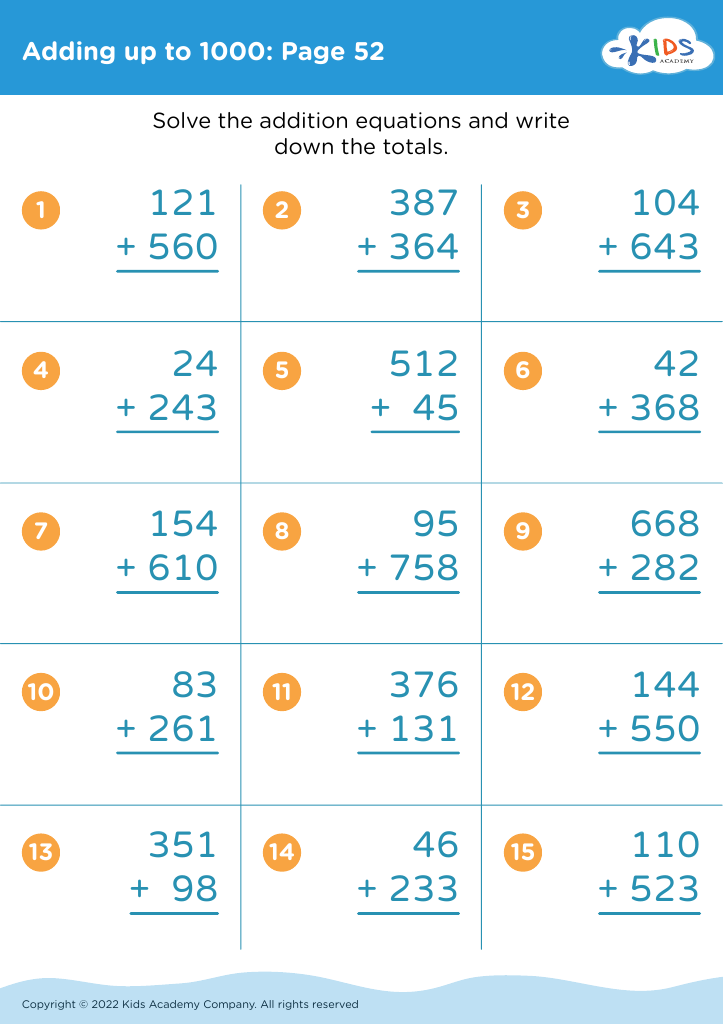
Adding up to 1000: Page 52

Adding up to 1000: Page 52

Adding up to 1000: Page 52
Worksheet
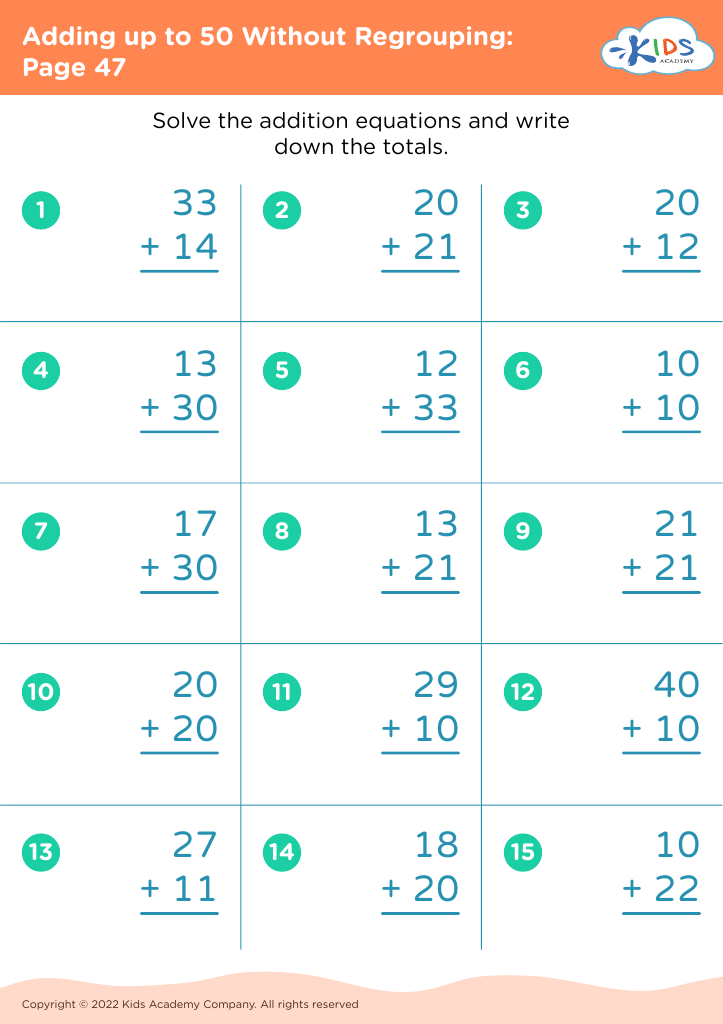
Adding up to 50 Without Regrouping: Page 47
Worksheet
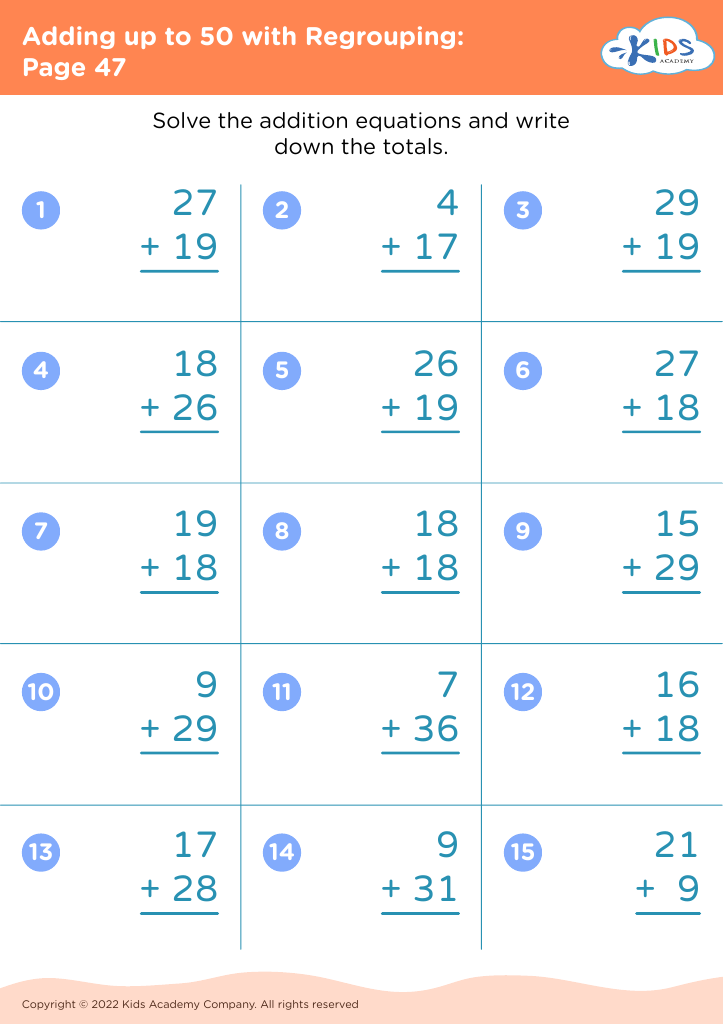
Adding up to 50 with Regrouping: Page 47
Worksheet
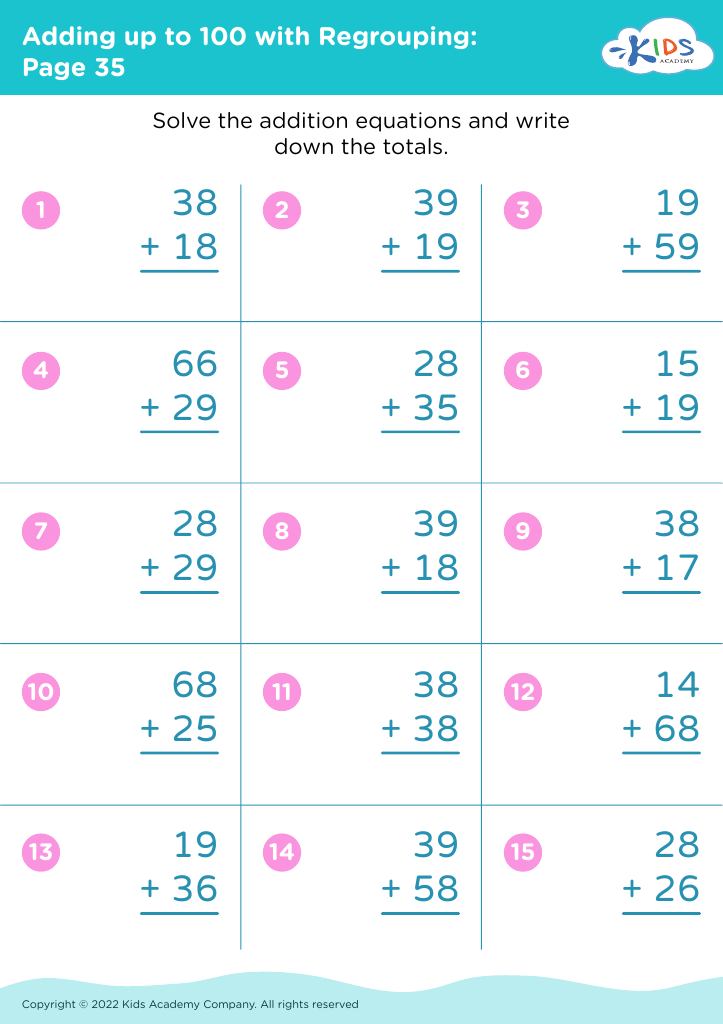
Adding up to 100 with Regrouping: Page 35
Worksheet
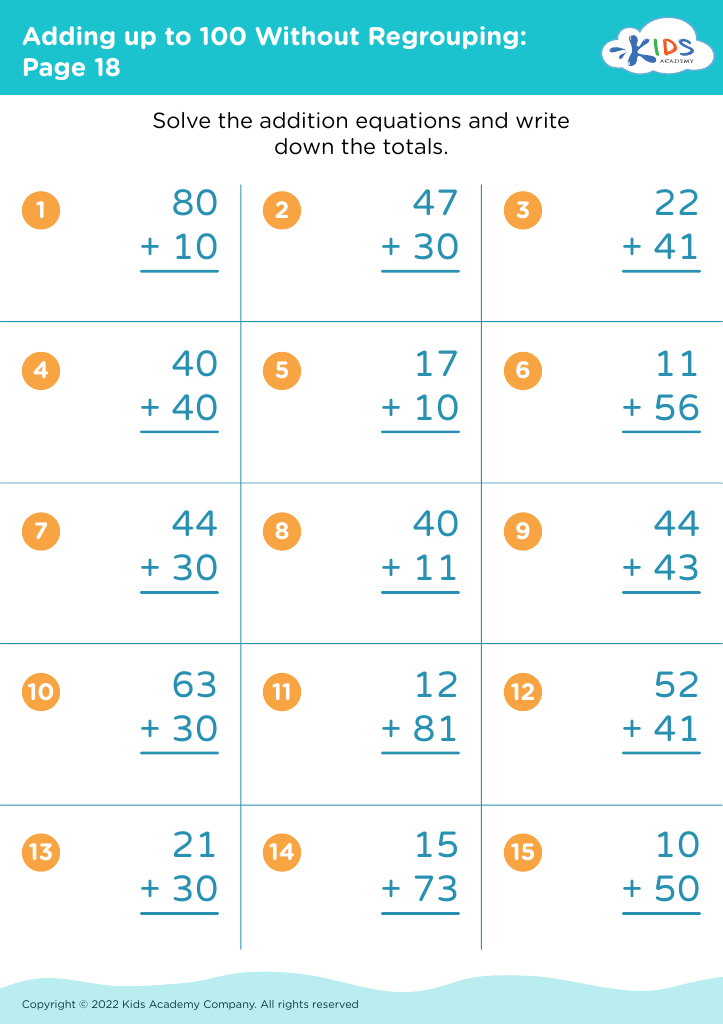
Adding up to 100 Without Regrouping: Page 18
Worksheet
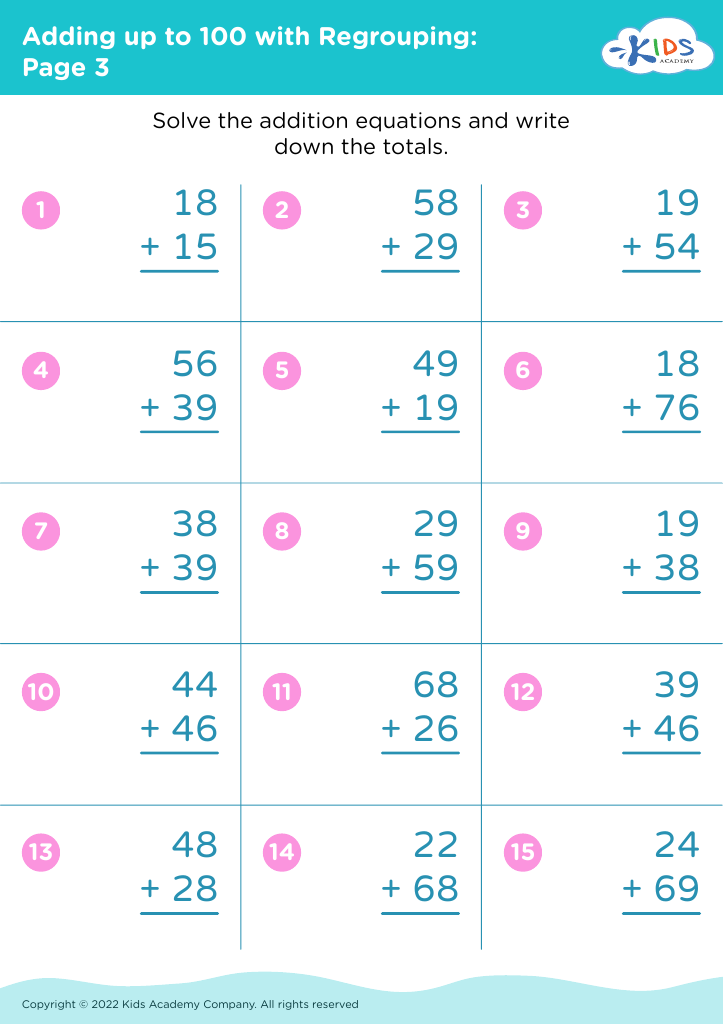
Adding up to 100 with Regrouping: Page 3
Worksheet
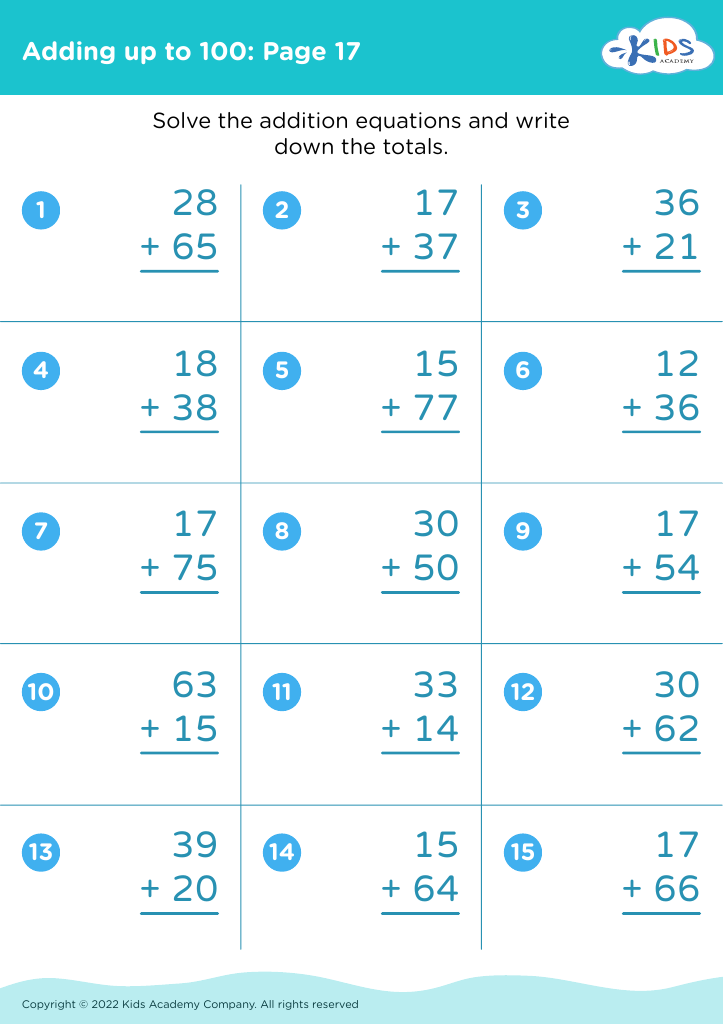
Adding up to 100: Page 17

Adding up to 100: Page 17

Adding up to 100: Page 17
Worksheet
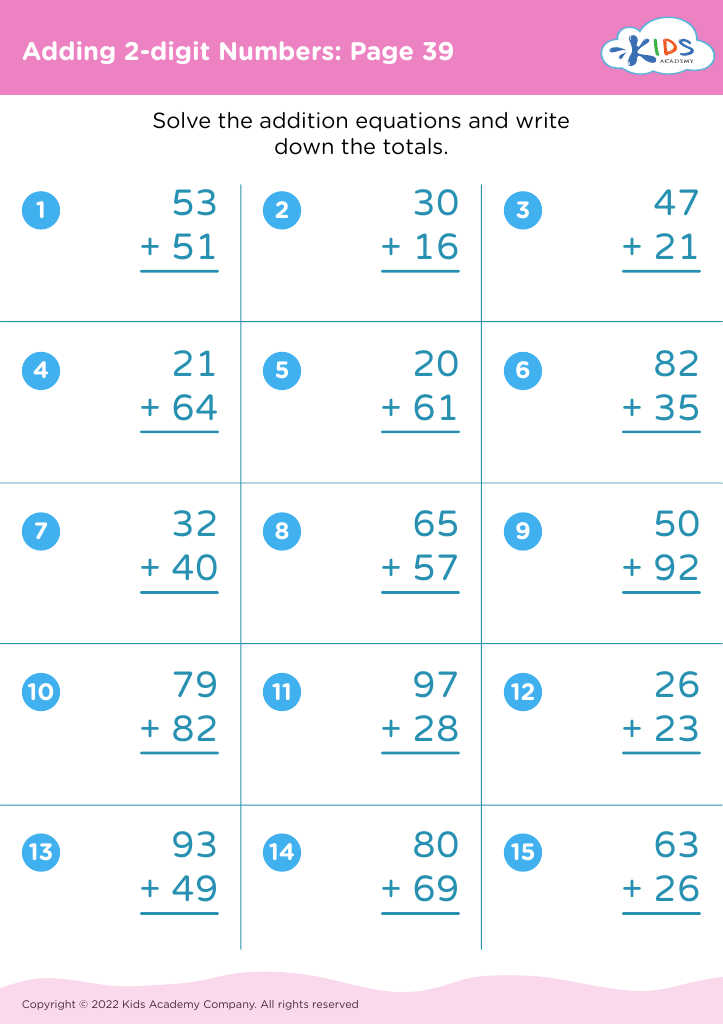
Adding 2-digit Numbers: Page 39

Adding 2-digit Numbers: Page 39

Adding 2-digit Numbers: Page 39
Worksheet
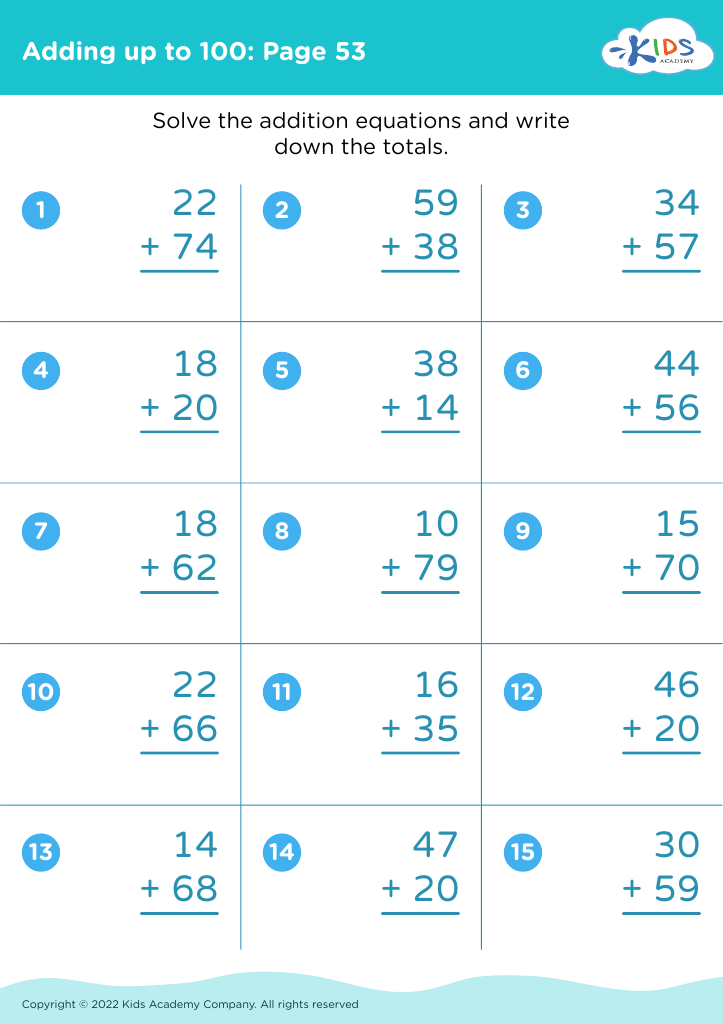
Adding up to 100: Page 53

Adding up to 100: Page 53

Adding up to 100: Page 53
Worksheet
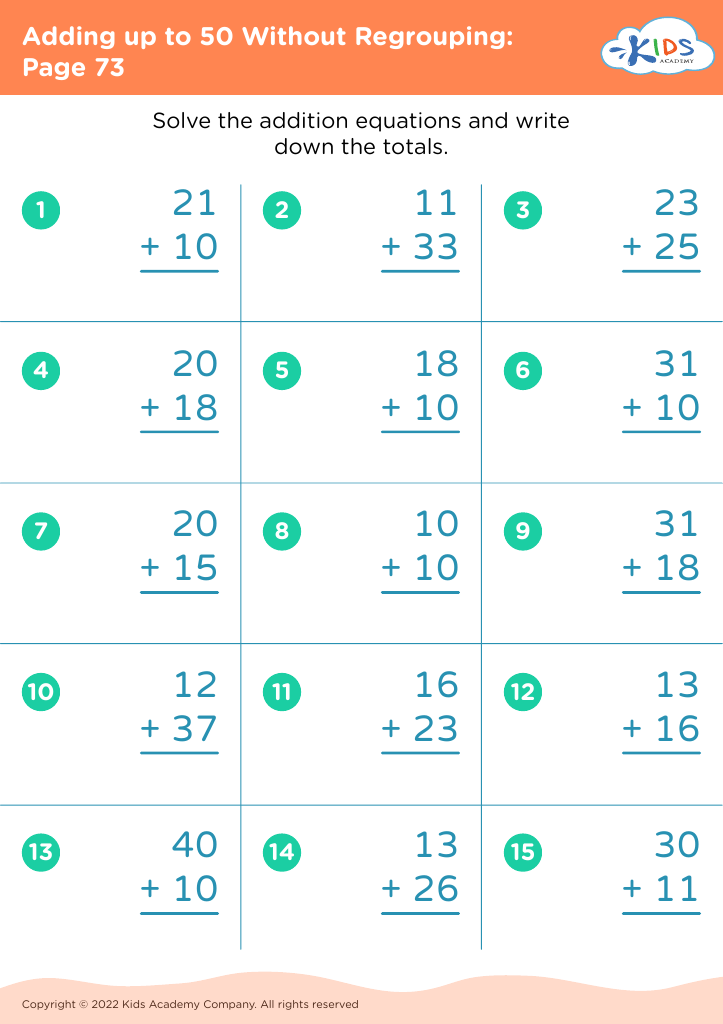
Adding up to 50 Without Regrouping: Page 73
Worksheet
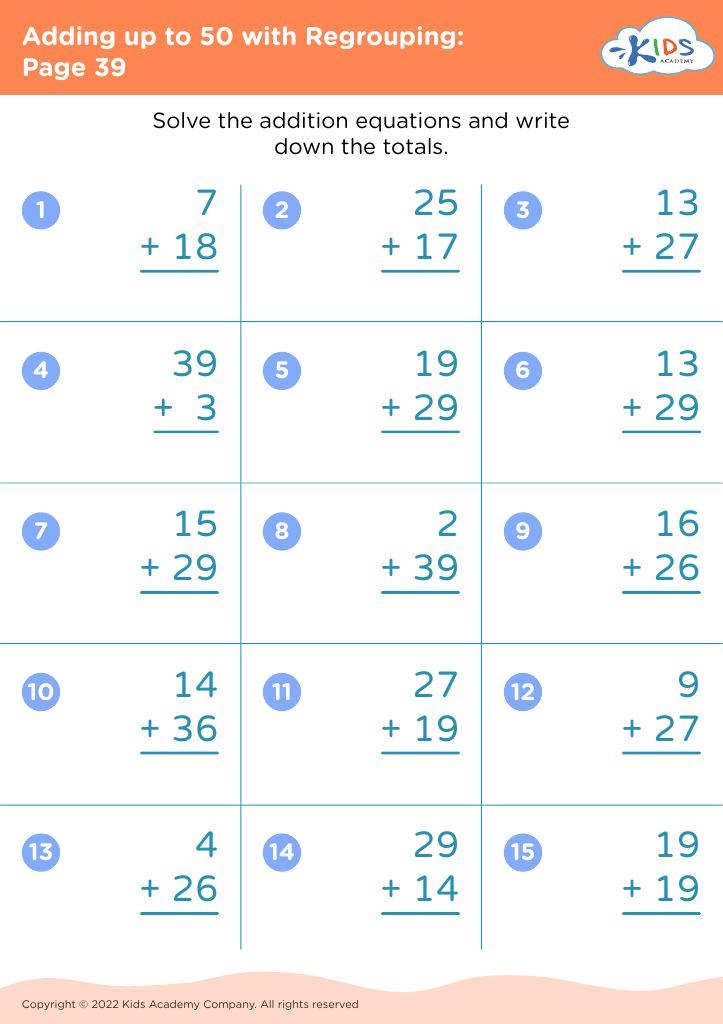
Adding up to 50 with Regrouping: Page 39
Worksheet
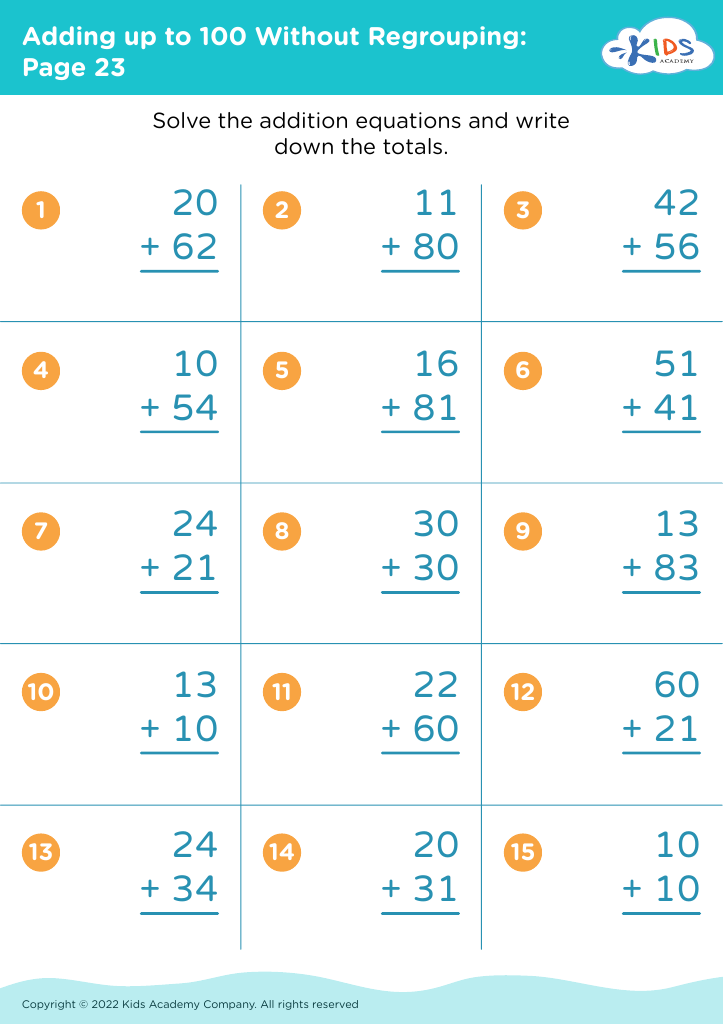
Adding up to 100 Without Regrouping: Page 23
Worksheet
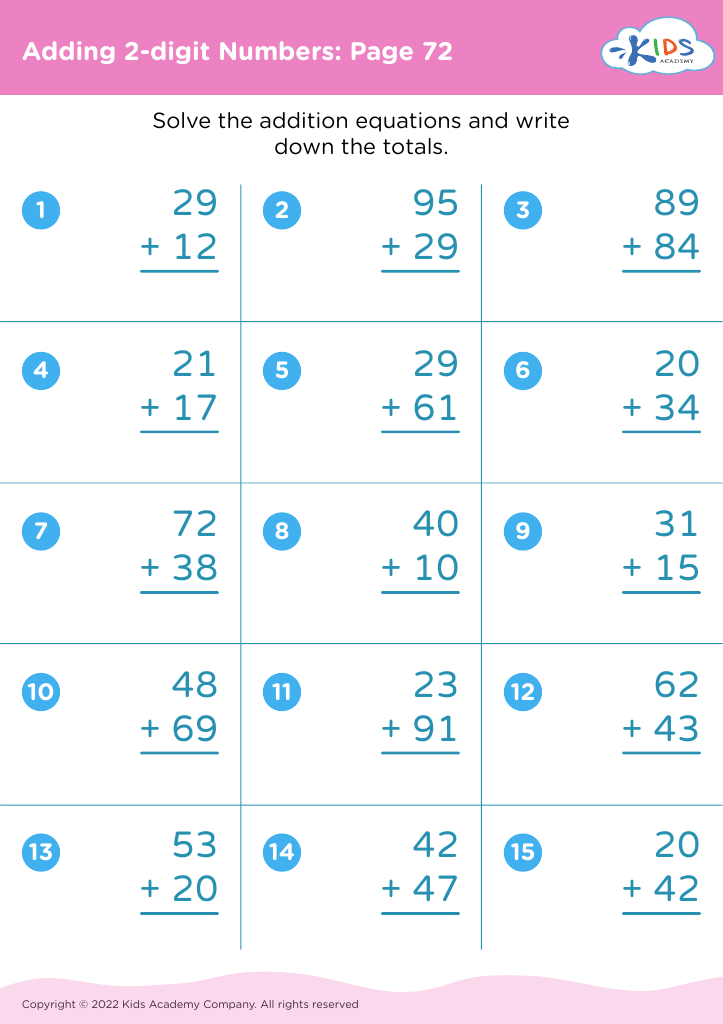
Adding 2-digit Numbers: Page 72

Adding 2-digit Numbers: Page 72

Adding 2-digit Numbers: Page 72
Worksheet


Fraction simplification and addition may seem advanced for young learners aged 3-9, but introducing these concepts early lays essential groundwork for mathematical understanding. Understanding fractions helps children grasp part-whole relationships, an important concept in various real-life contexts, such as cooking, sharing, and measurements. Learning to simplify fractions fosters critical thinking, encouraging children to recognize patterns and relationships between numbers.

Additionally, introducing fraction addition at this age through engaging methods can make learning enjoyable. Incorporating visual aids, such as pie charts or fraction tiles, facilitates comprehension and aids in memory retention. Practical applications, like cutting pizzas or dividing fruits, create tangible experiences that resonate with young learners.

Moreover, early exposure to these foundational skills boosts confidence in mathematics, reducing anxiety as the child progresses through school. It also empowers parents and teachers to use fractions in discussions, enhancing mathematical literacy in everyday conversations.

Parents and educators should care about these concepts as they play a vital role in developing a child's overall mathematical acuity, promoting analytical skills critical for future learning. Establishing a solid understanding of fractions early on paves the way for deeper mathematical concepts in later years, creating capable and confident problem solvers.