Identifying shapes Addition Worksheets for Ages 3-9
24 filtered results
-
From - To
Welcome to our "Identifying Shapes Addition Worksheets" designed for children aged 3-9! These engaging worksheets help young learners strengthen their math skills while exploring vibrant shapes. By incorporating shape recognition into addition practice, kids not only enhance their mathematical abilities but also develop critical thinking and visual skills. Each worksheet features fun illustrations and age-appropriate problems, making learning enjoyable and effective. Our resources cater to different learning levels, ensuring every child progresses confidently. Download our worksheets today and watch your little ones master addition through the joy of shapes! Perfect for classrooms or home learning environments.
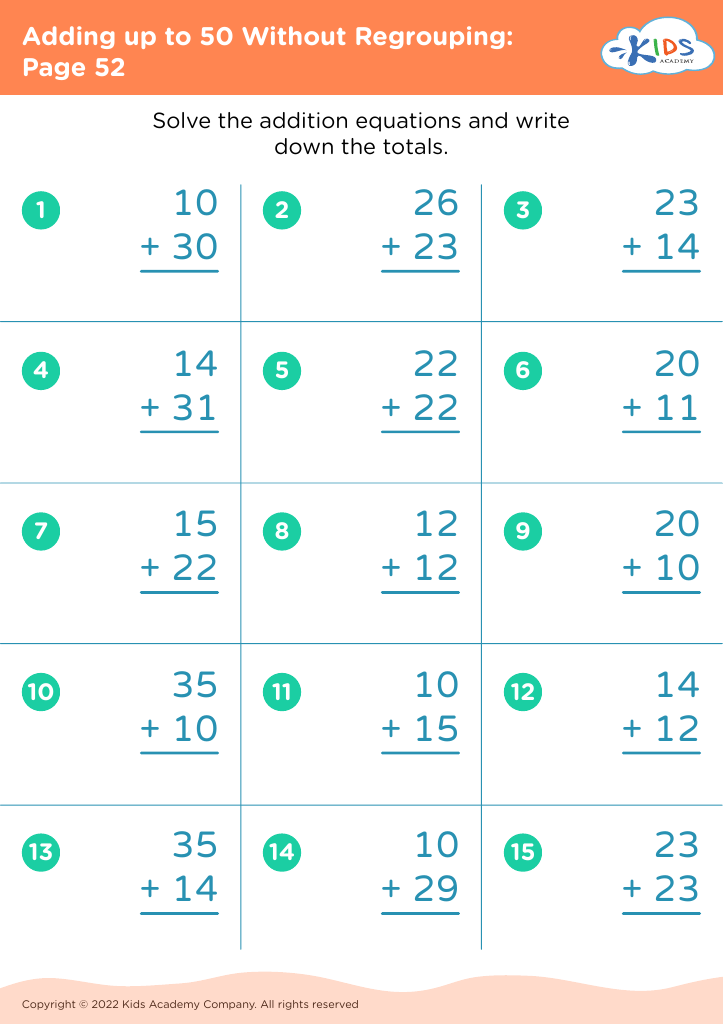
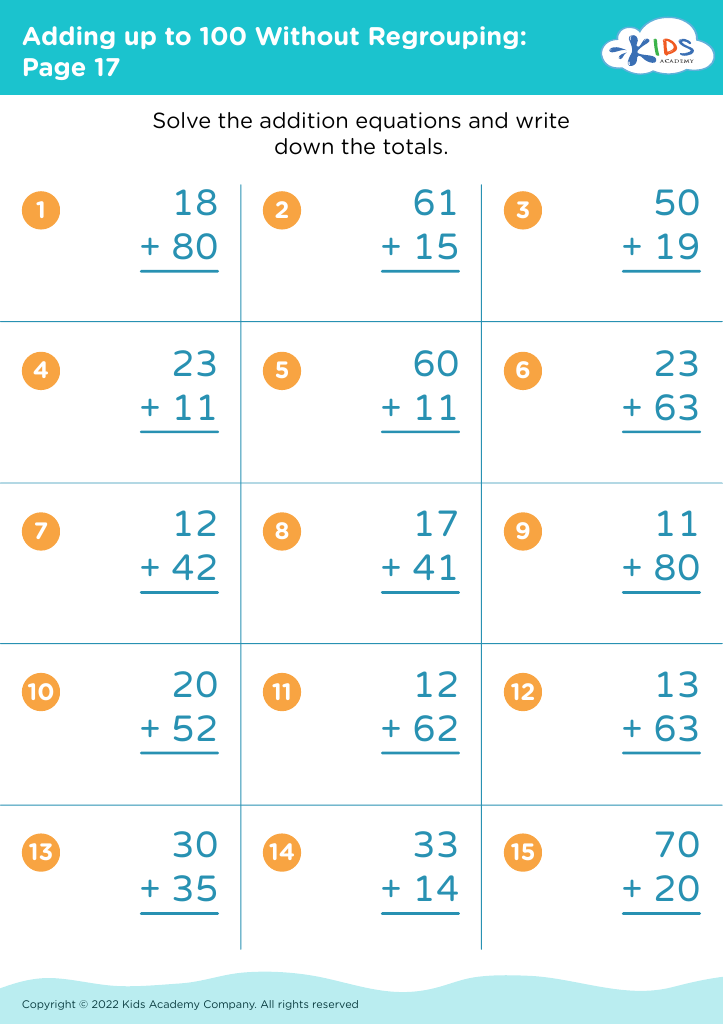
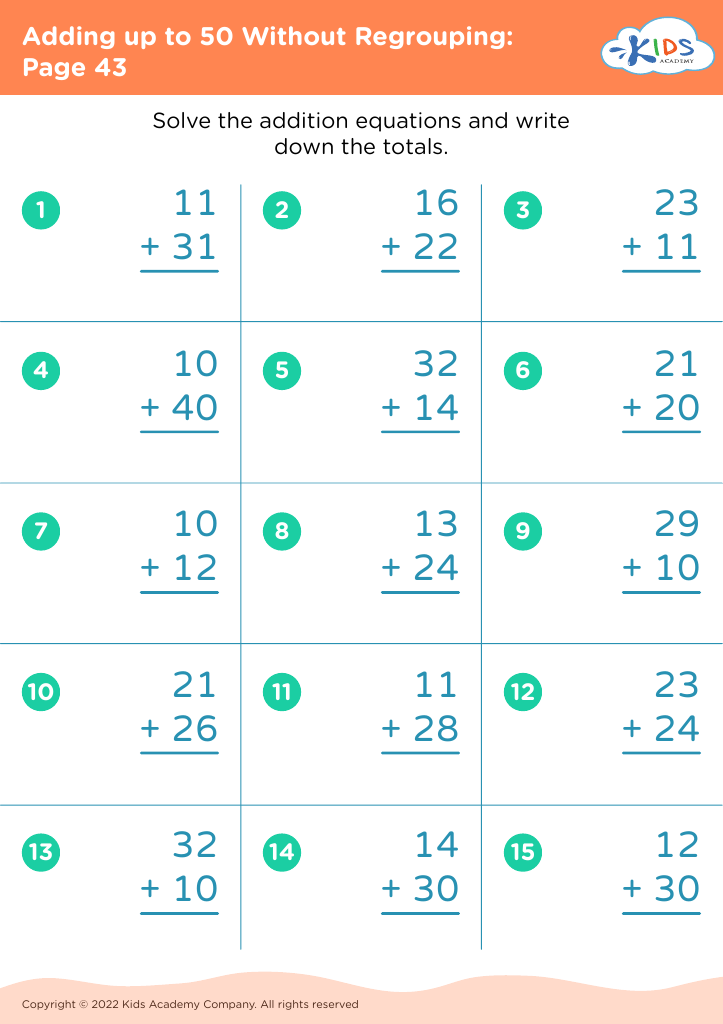
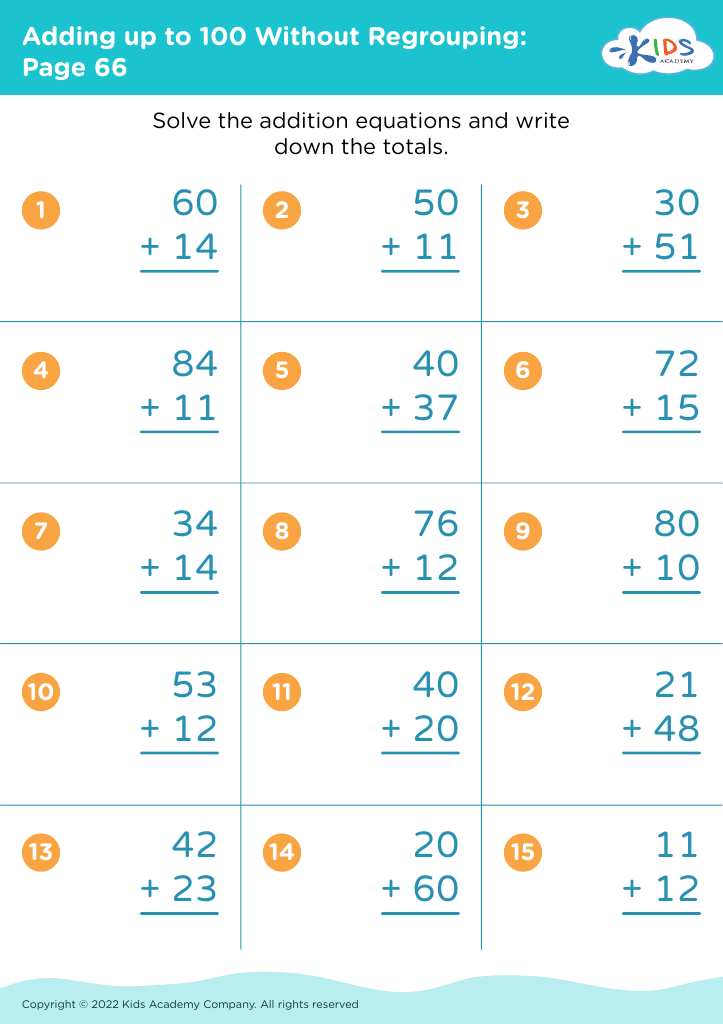
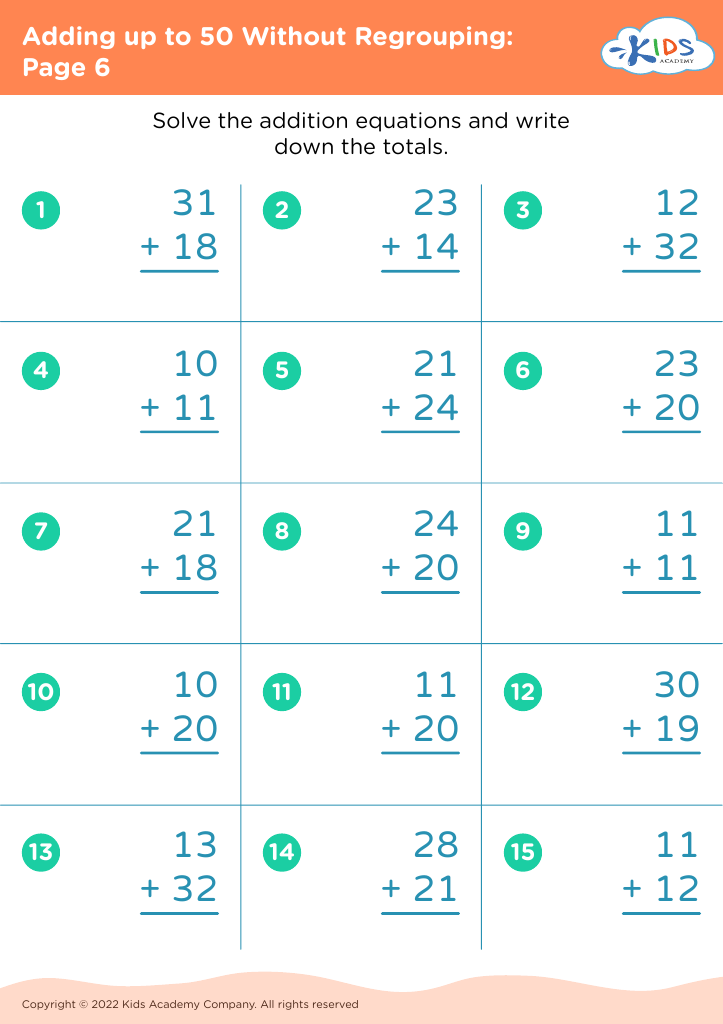
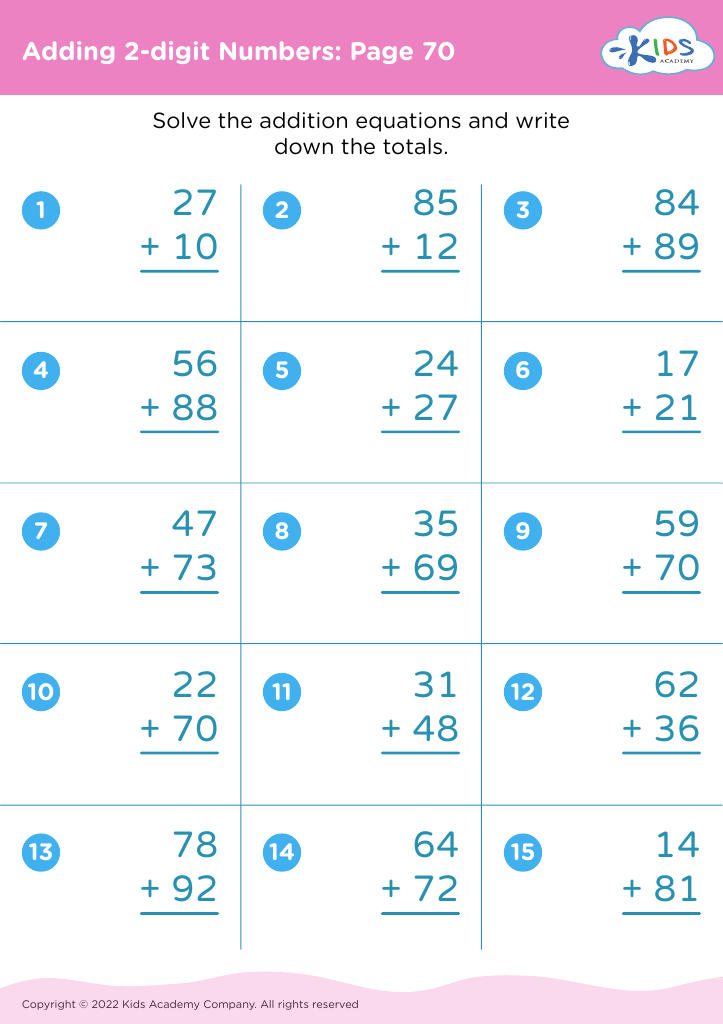
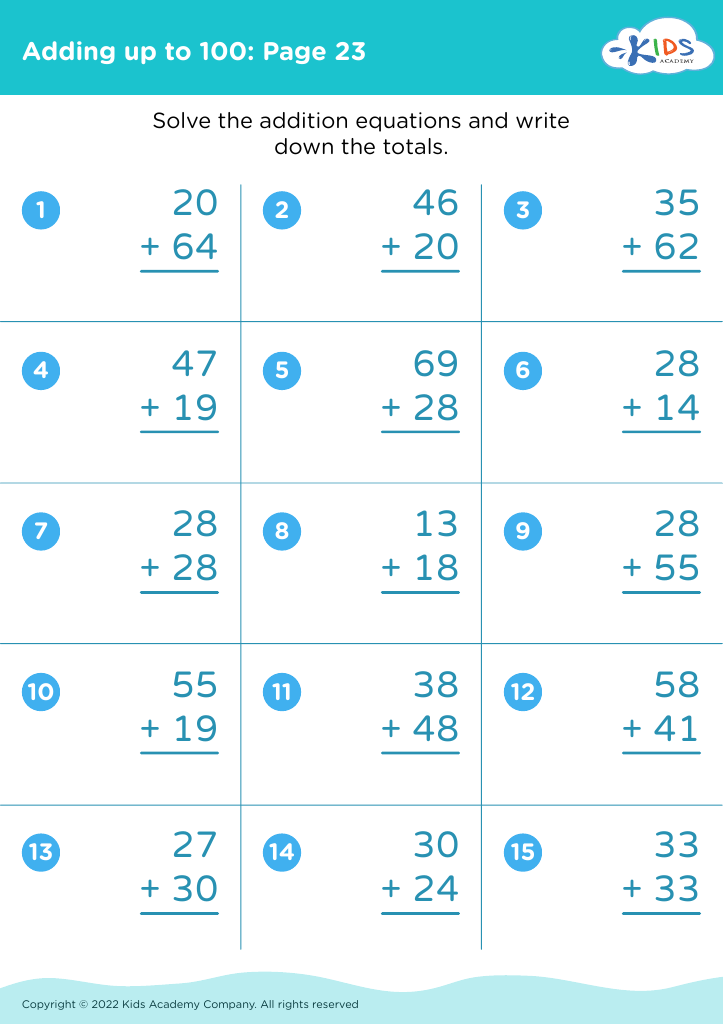
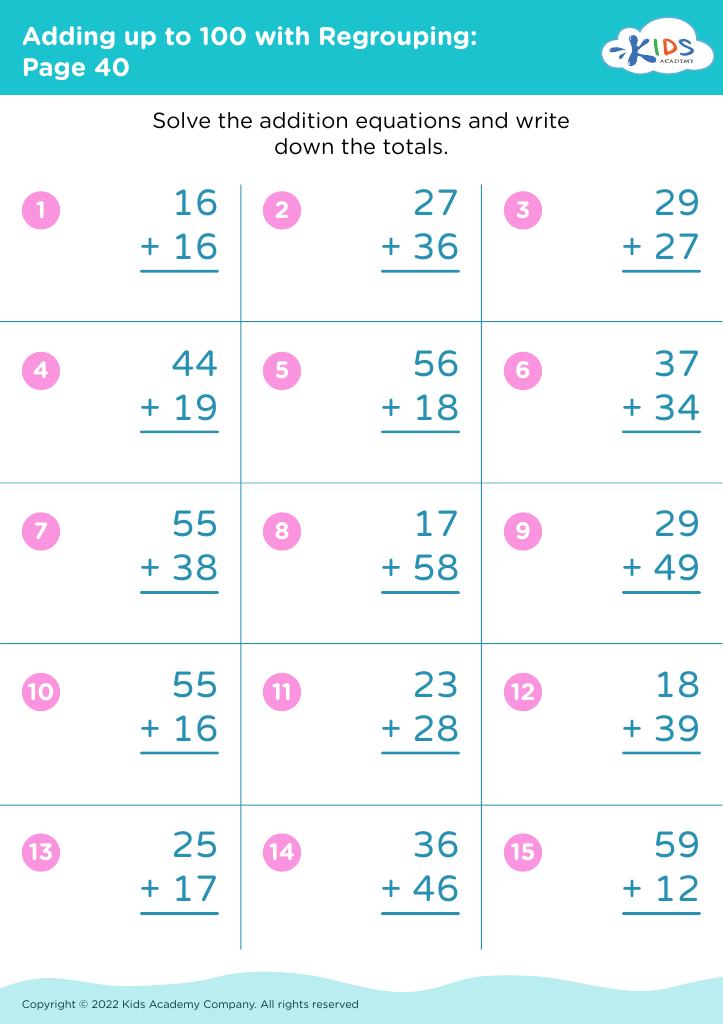
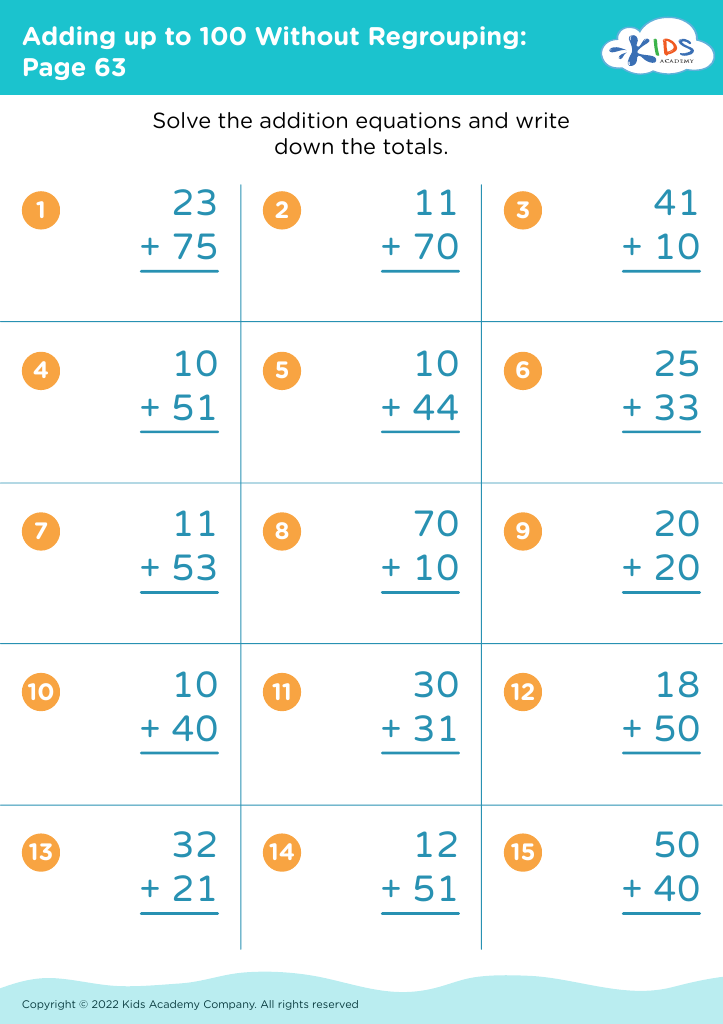
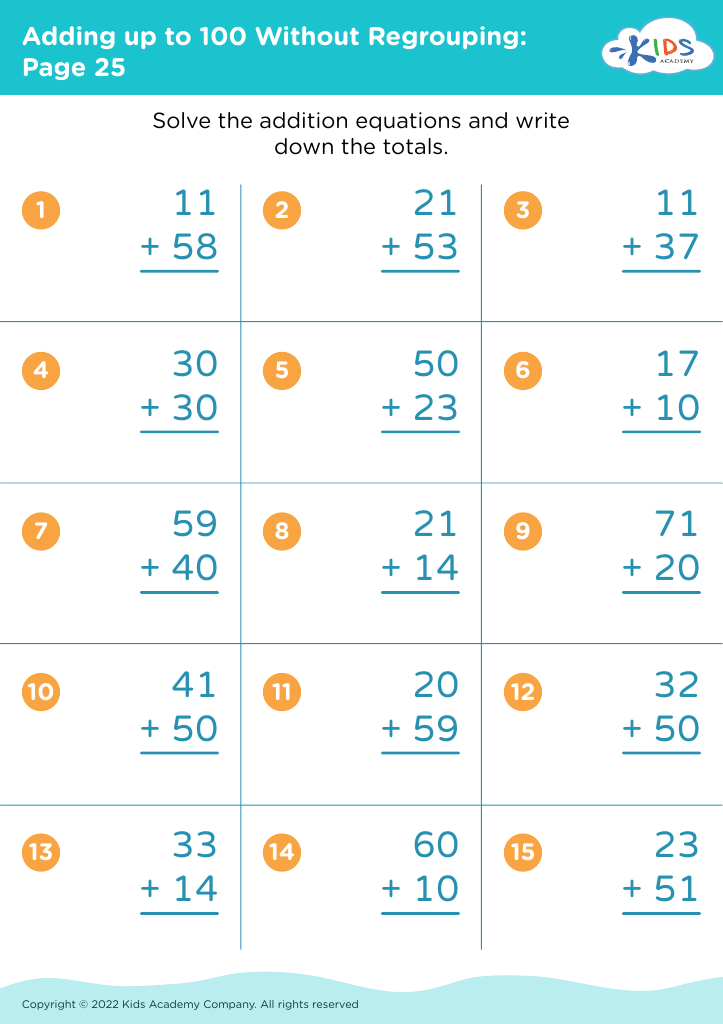
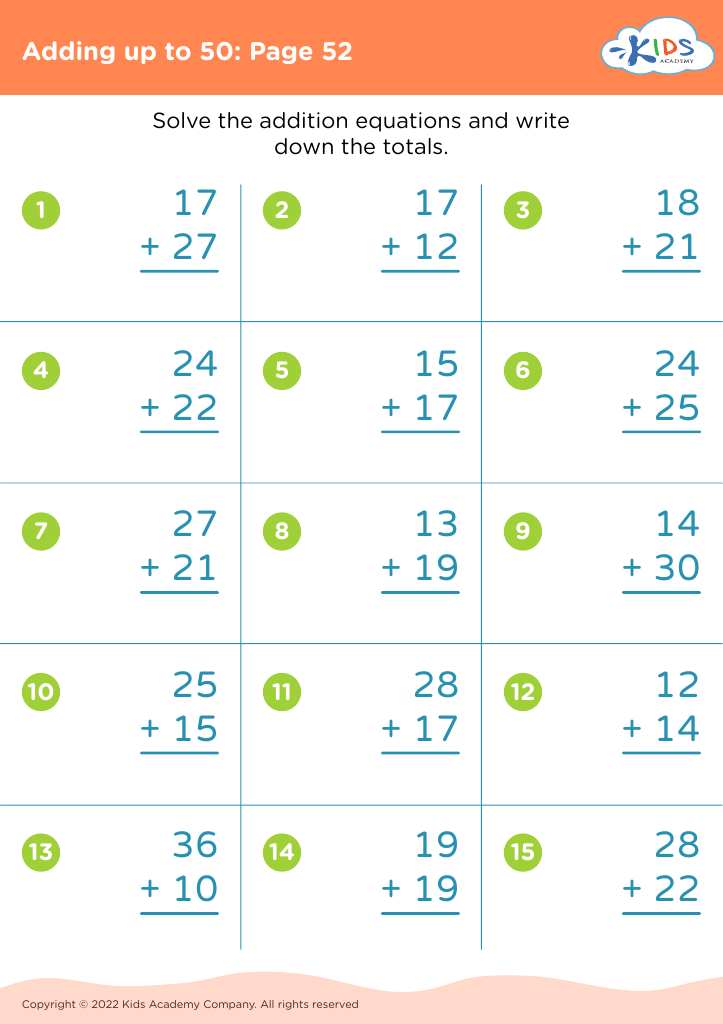
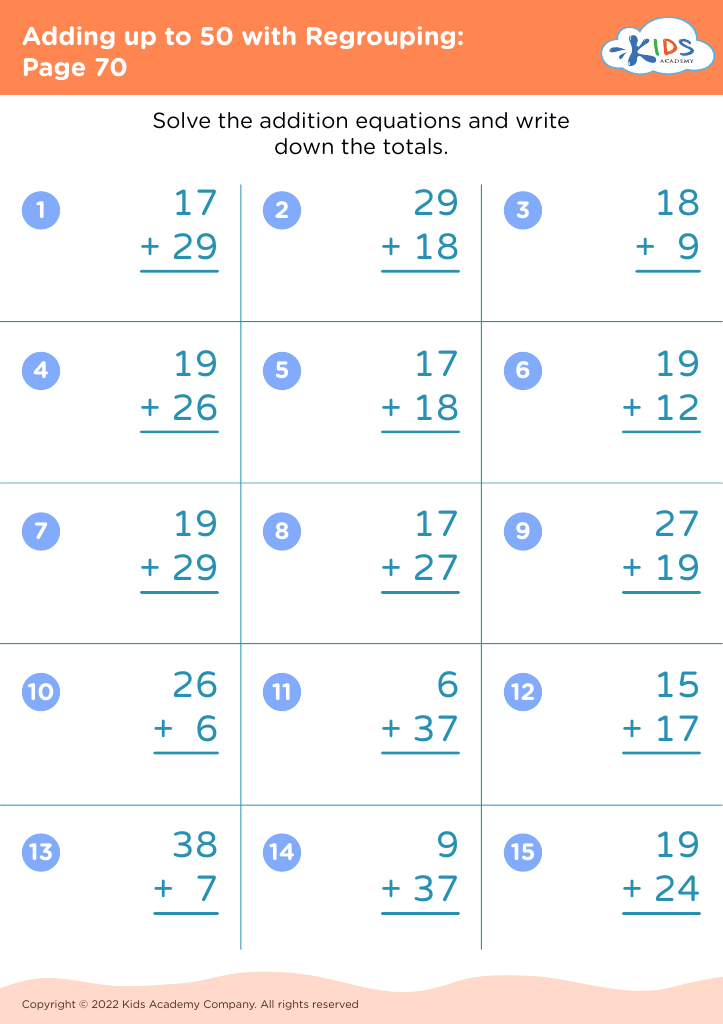
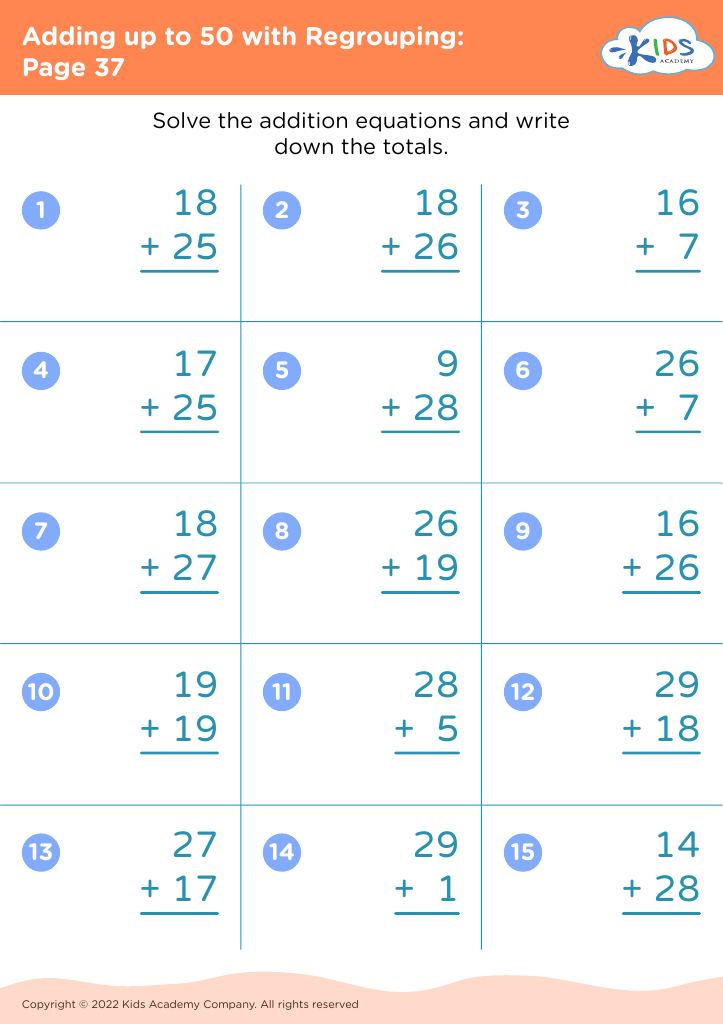
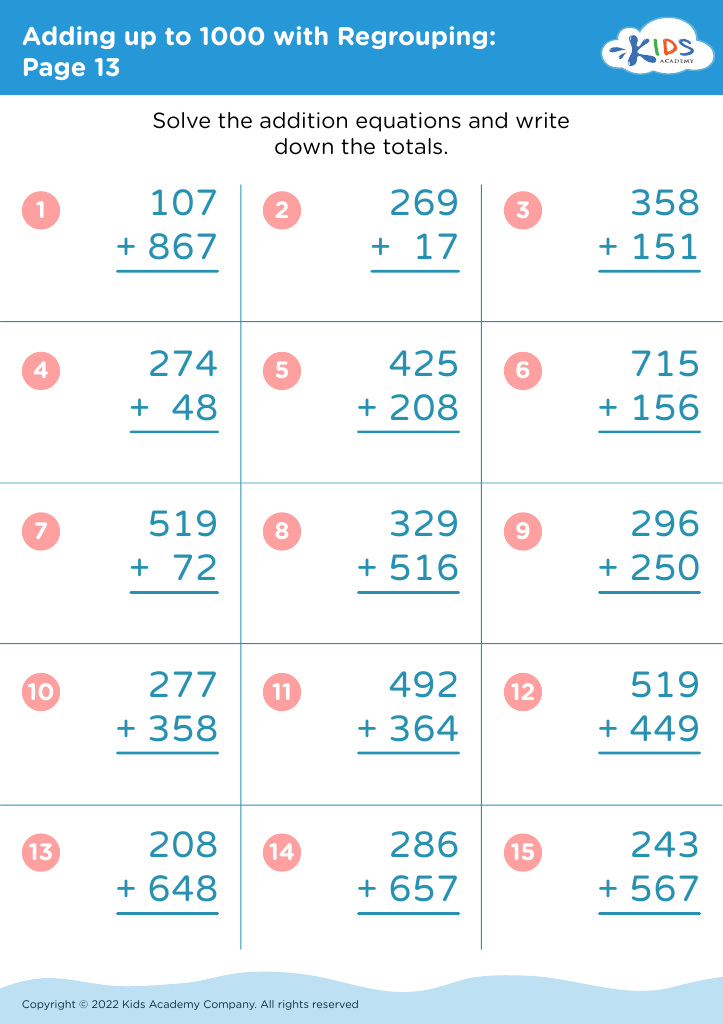
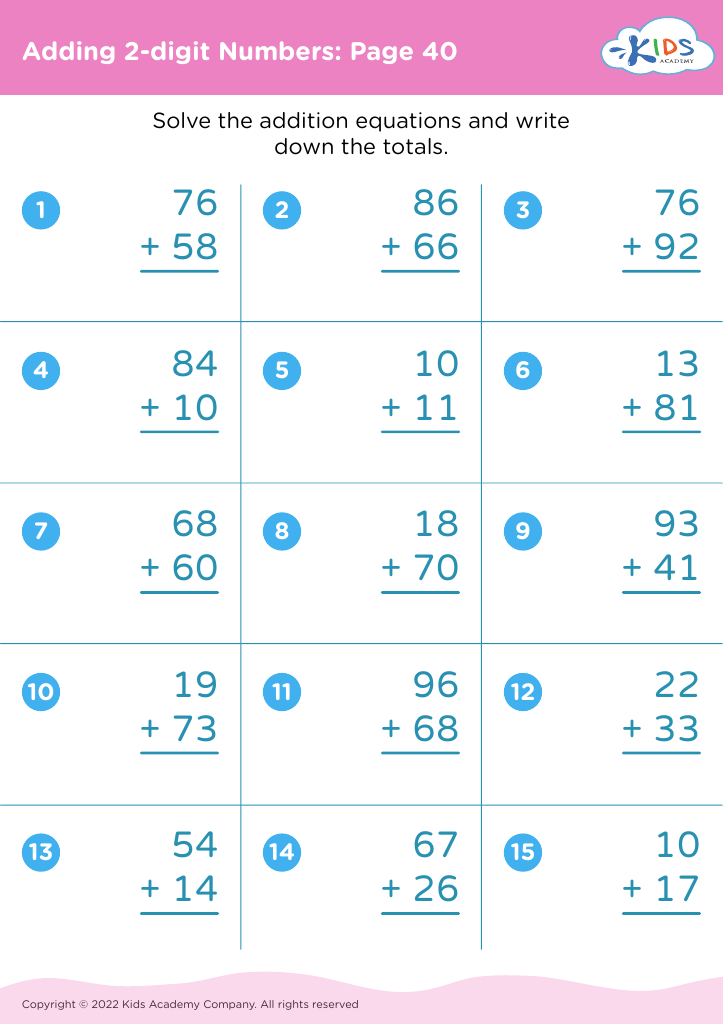
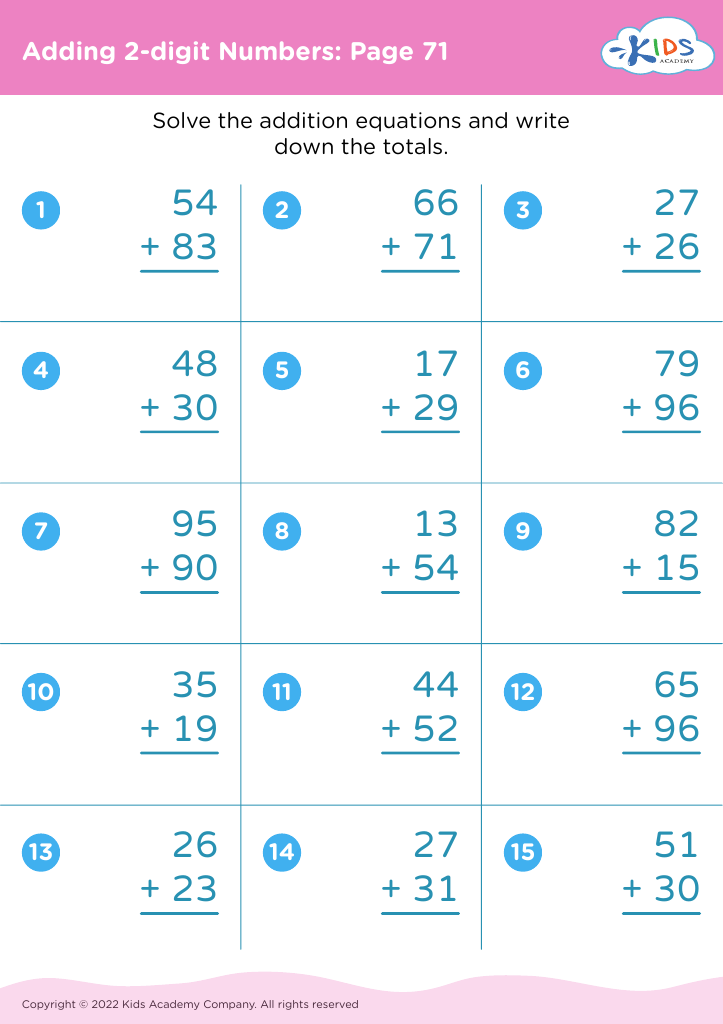
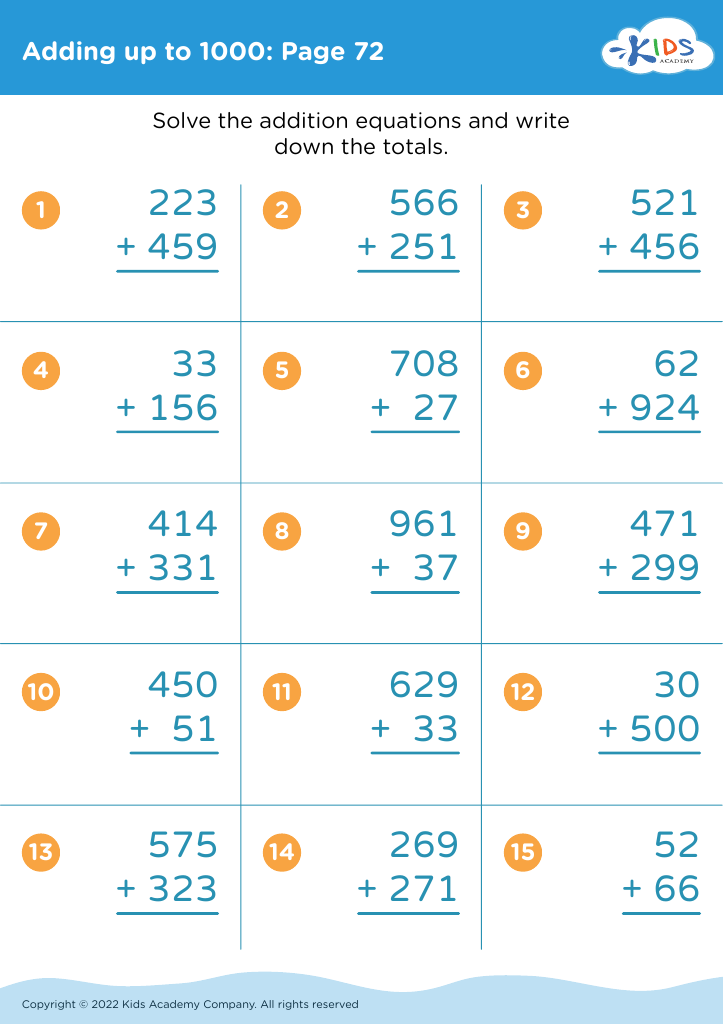
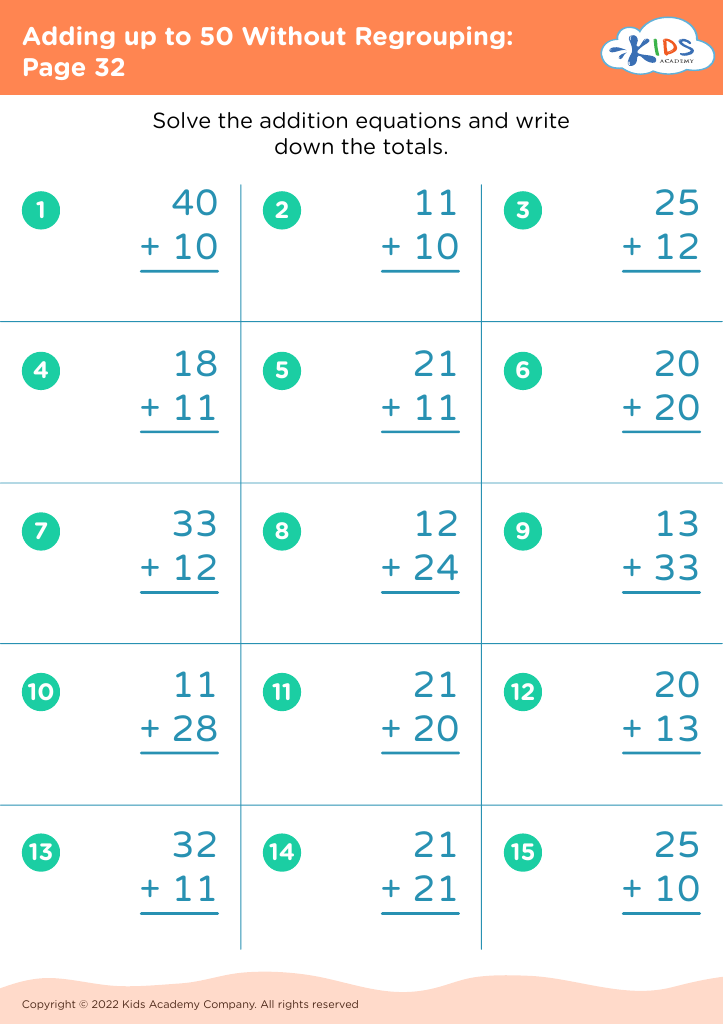
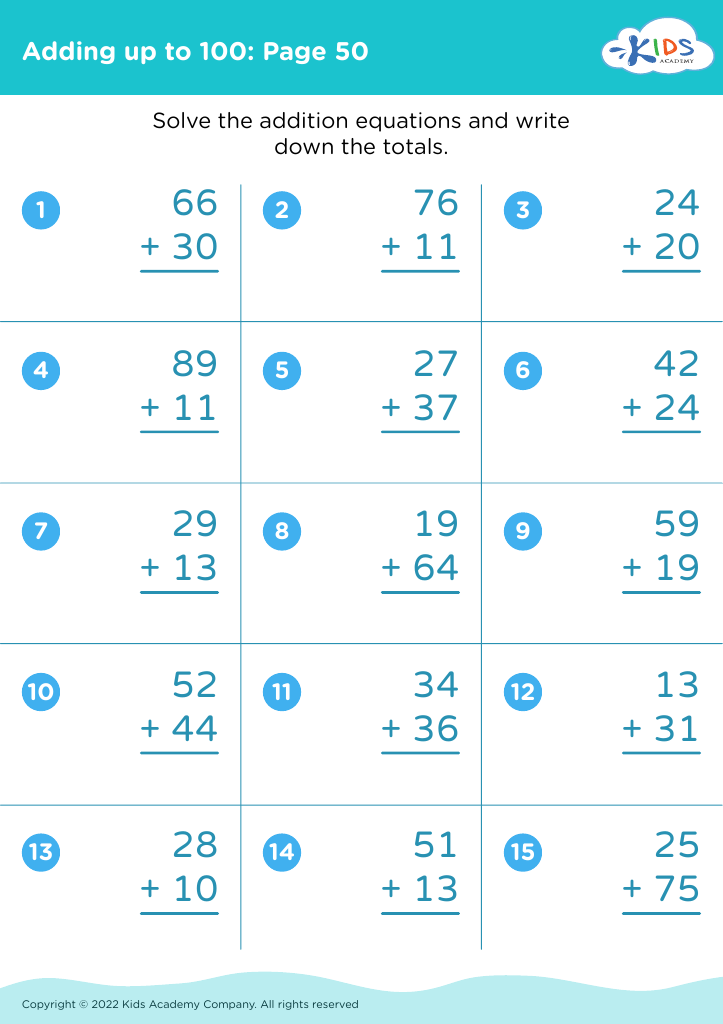
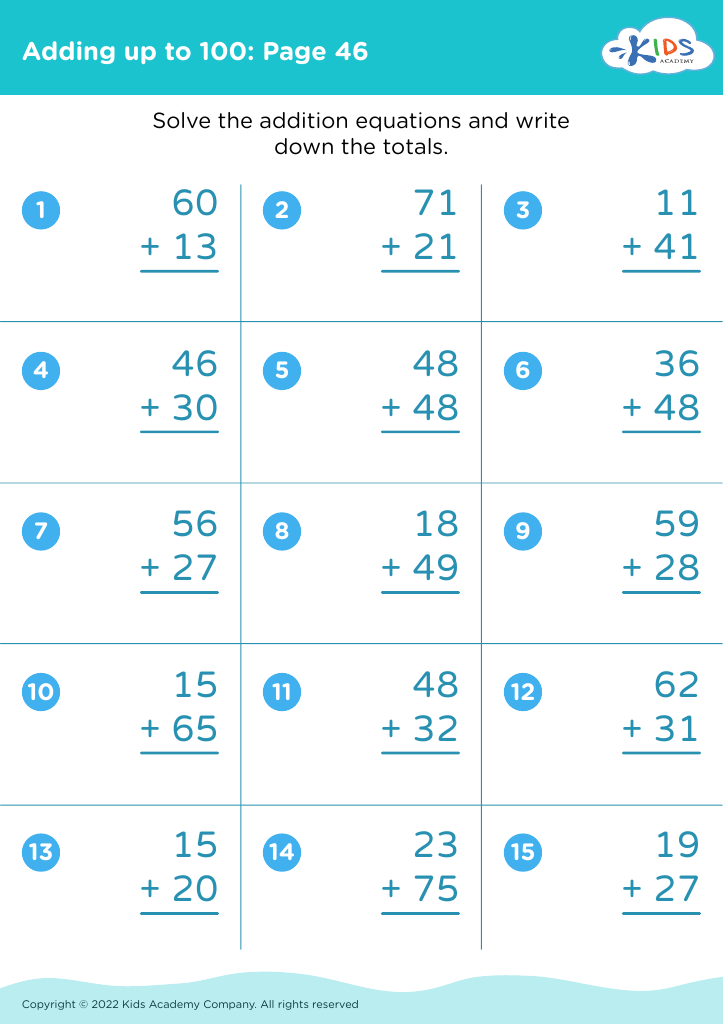








Identifying shapes and understanding addition are foundational skills for young learners aged 3-9 that significantly contribute to their cognitive development. Parents and teachers should care about these concepts because they form the basis for more complex mathematical and spatial reasoning that children will encounter later in their education.
First, shape recognition helps children develop critical observational skills. By identifying geometric shapes in their environment, children enhance their ability to categorize and differentiate objects, which is essential for problem-solving and logical thinking.
Moreover, mastering addition lays the groundwork for essential arithmetic skills. Understanding how to combine quantities reinforces number sense, encourages mental math, and fosters confidence in tackling math-related tasks. During this developmental stage, children build their ability to understand relationships between numbers, facilitating the transition to more advanced mathematical concepts.
Integrating shape identification and addition into playful, engaging activities can capture the children's interest and enthusiasm, making learning enjoyable. Both skills reinforce the importance of play in education, as hands-on activities can move theoretical knowledge into practical understanding. As parents and teachers actively promote these foundational skills, they empower children to become inquisitive, proficient learners equipped for future academic challenges.








