Improving concentration Addition Worksheets for Ages 3-9
15 filtered results
-
From - To
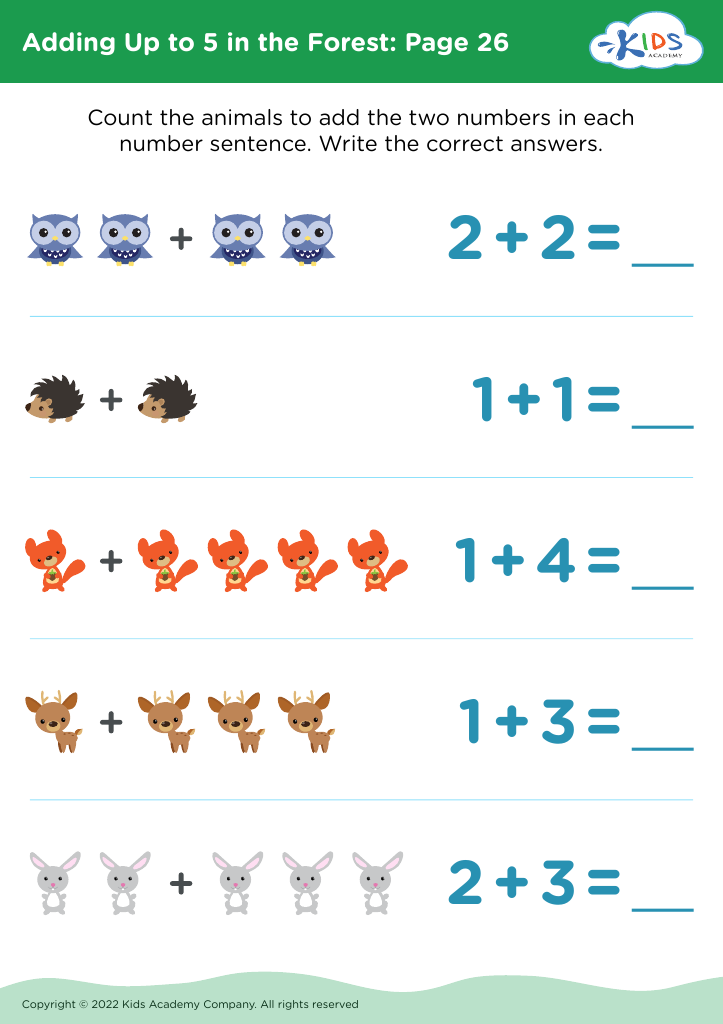
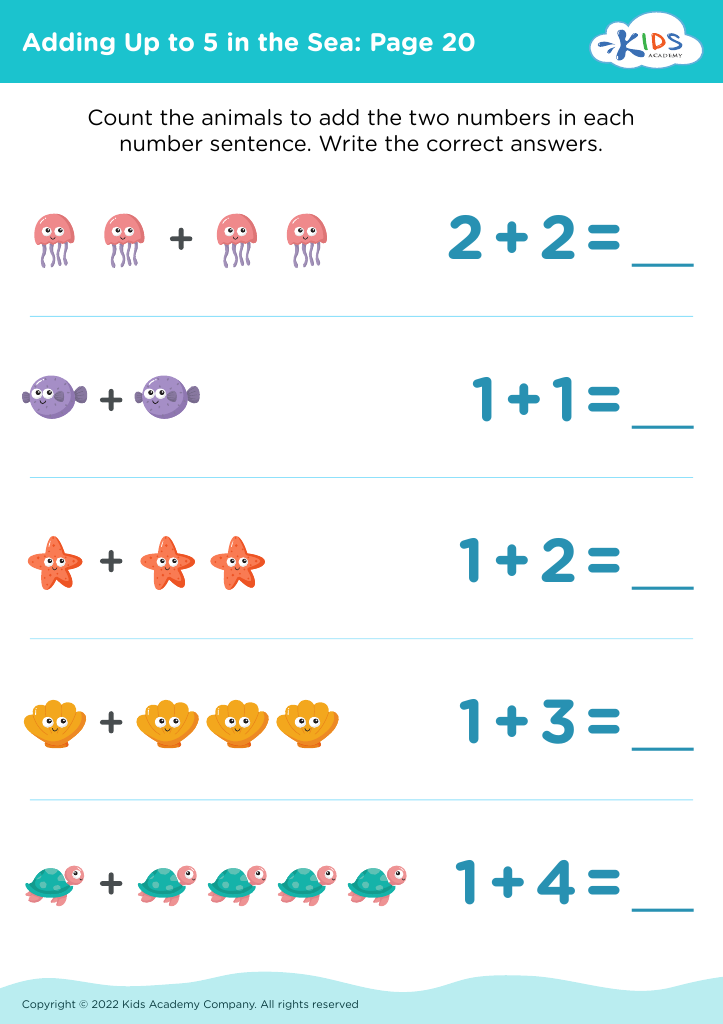
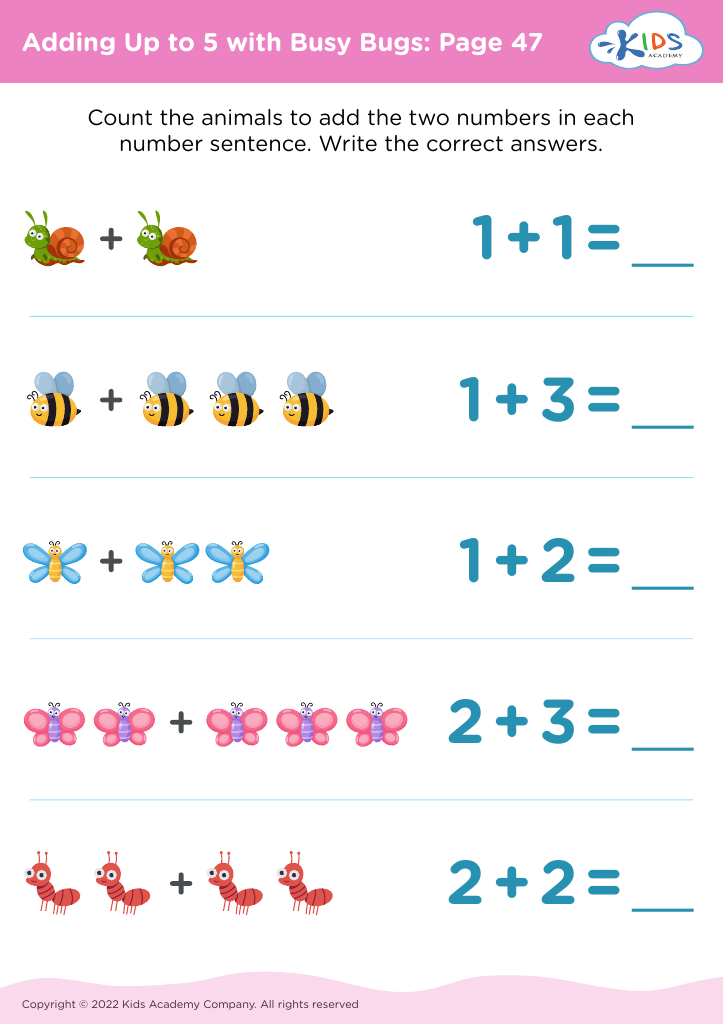
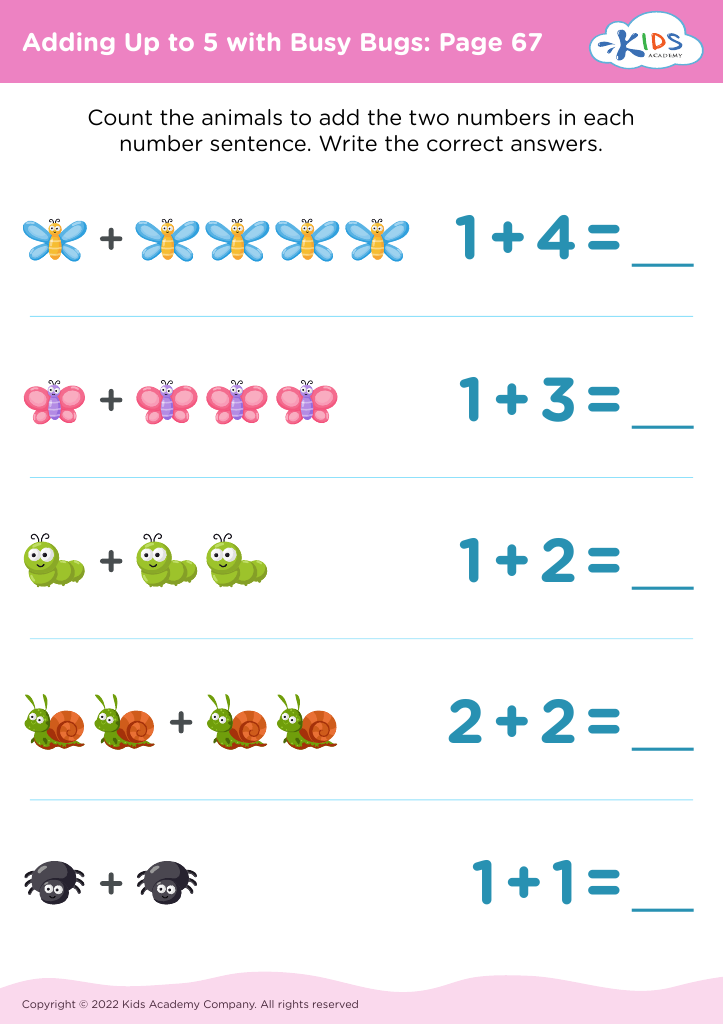
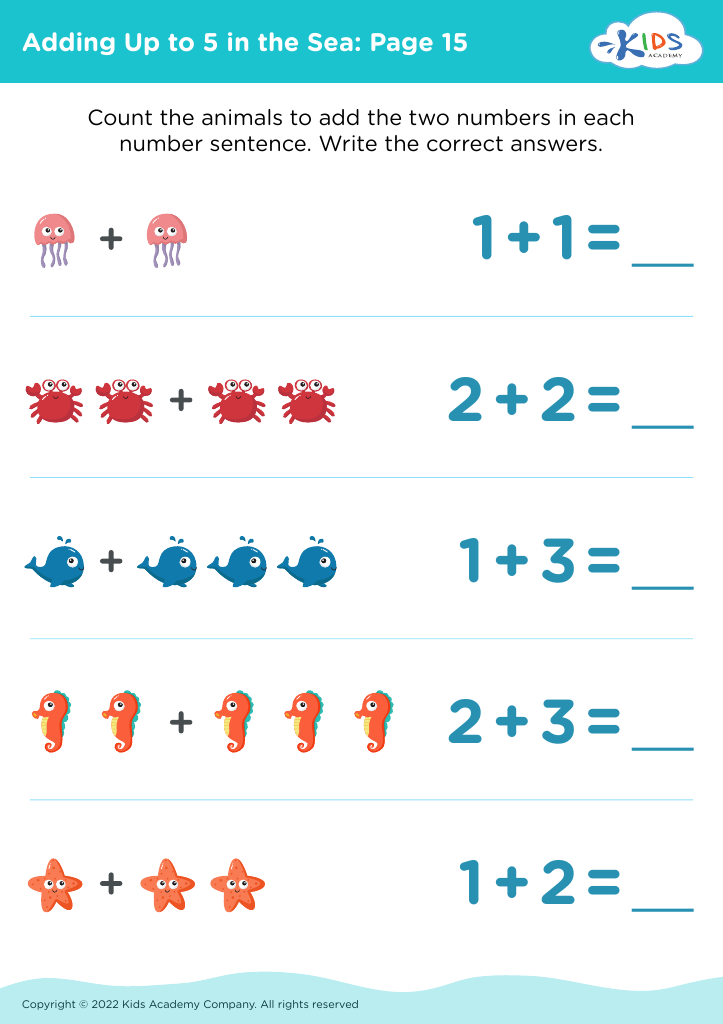
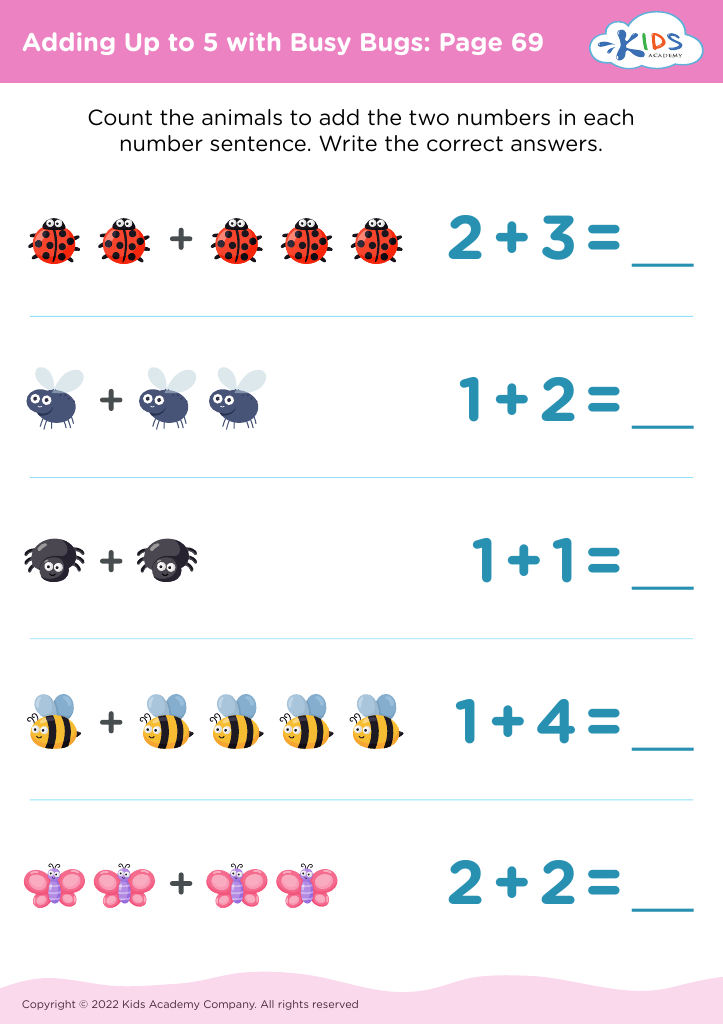
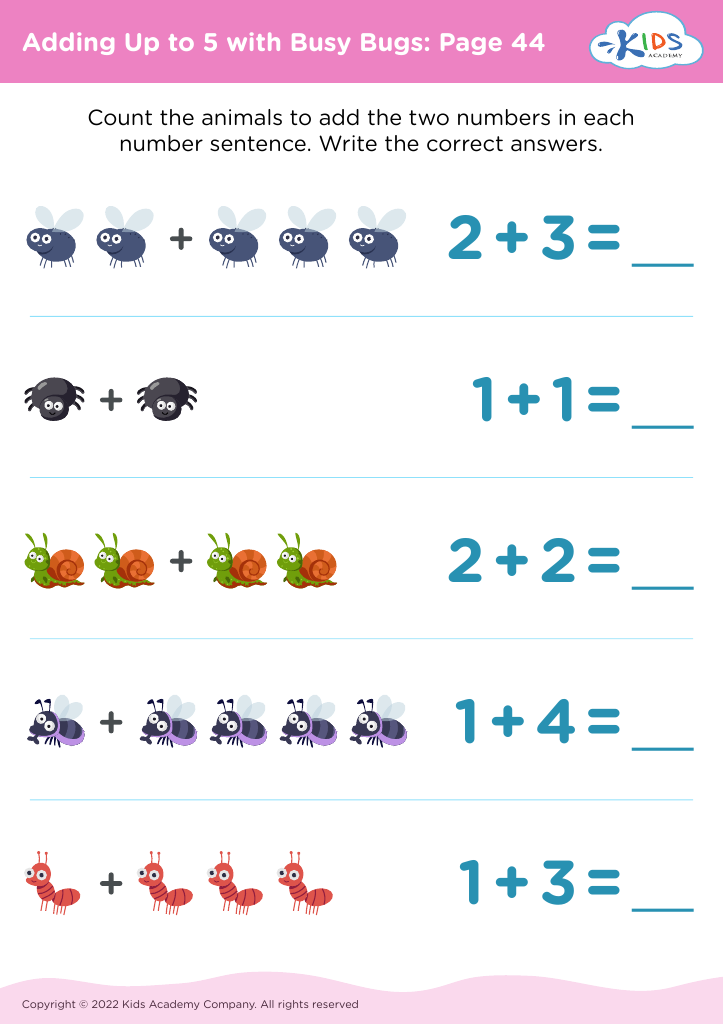
Unlock your child's full potential with our "Improving Concentration Addition Worksheets" tailored for ages 3-9. These engaging worksheets are designed to sharpen focus and boost concentration while mastering essential addition skills. Thoughtfully crafted, they blend fun, colorful activities with proven educational techniques to make learning enjoyable. Perfect for young learners, our worksheets encourage independent work, helping little ones enhance their attention spans and build a solid mathematical foundation. Suitable for both classroom and home use, these resources support diverse learning styles, making math practice effective and entertaining. Explore our collection and watch your child's concentration and confidence soar!
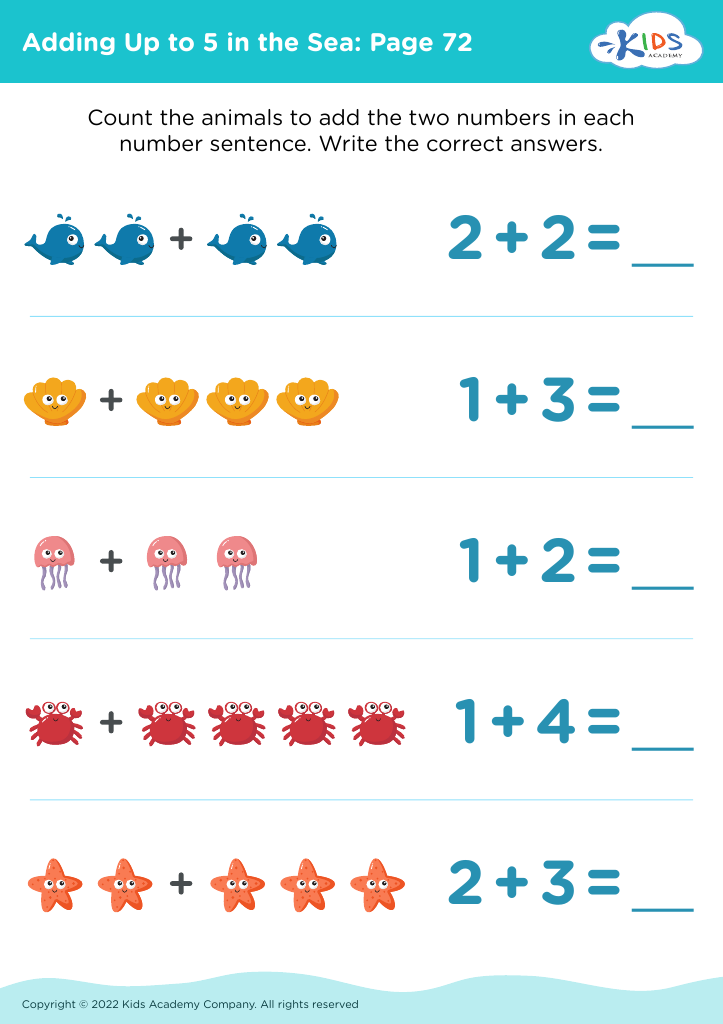
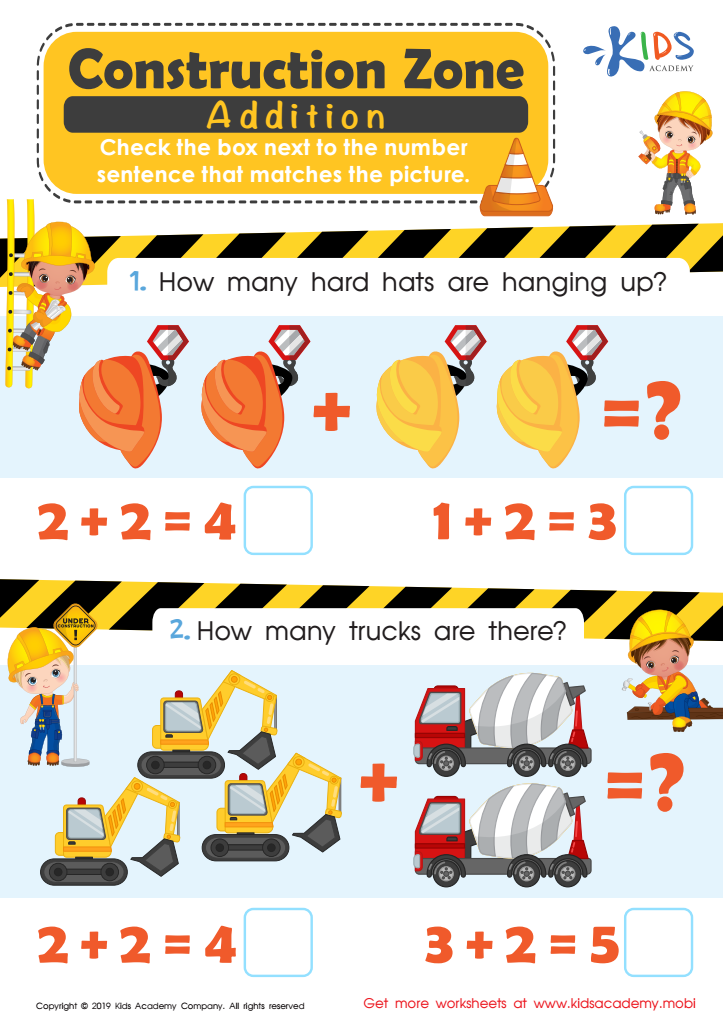
Construction Zone Addition Worksheet
 Assign to My Students
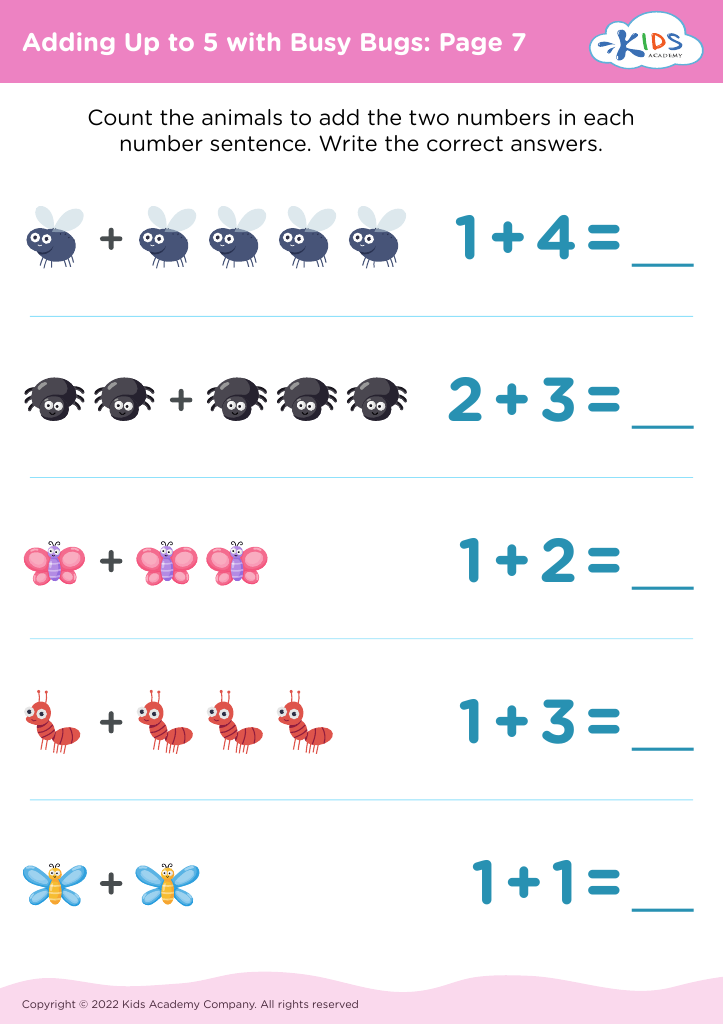
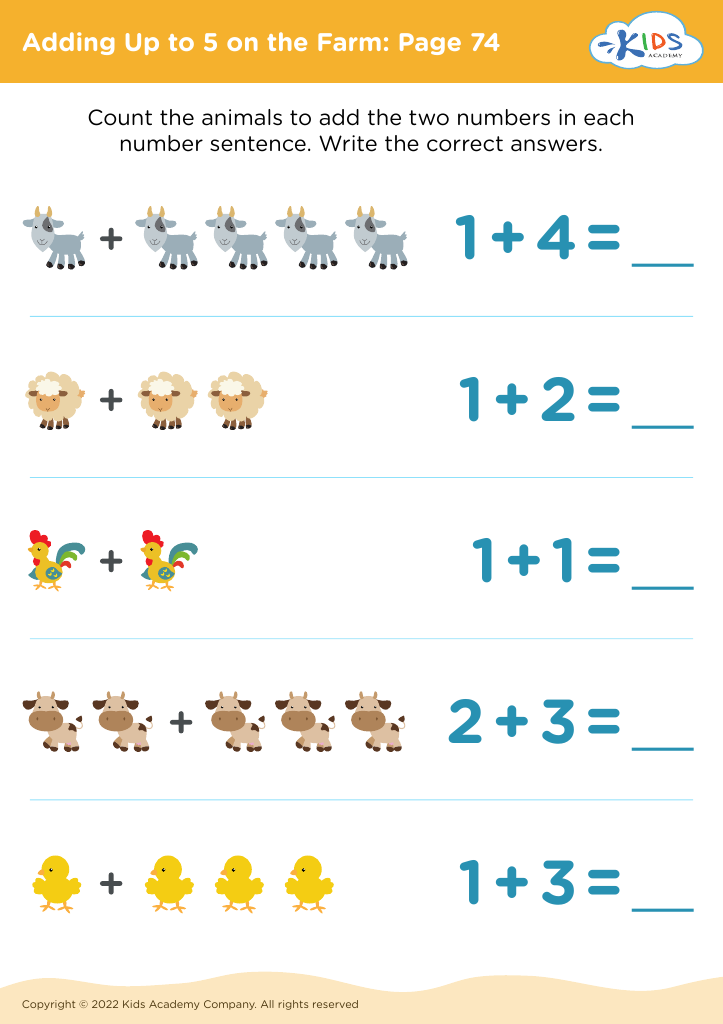
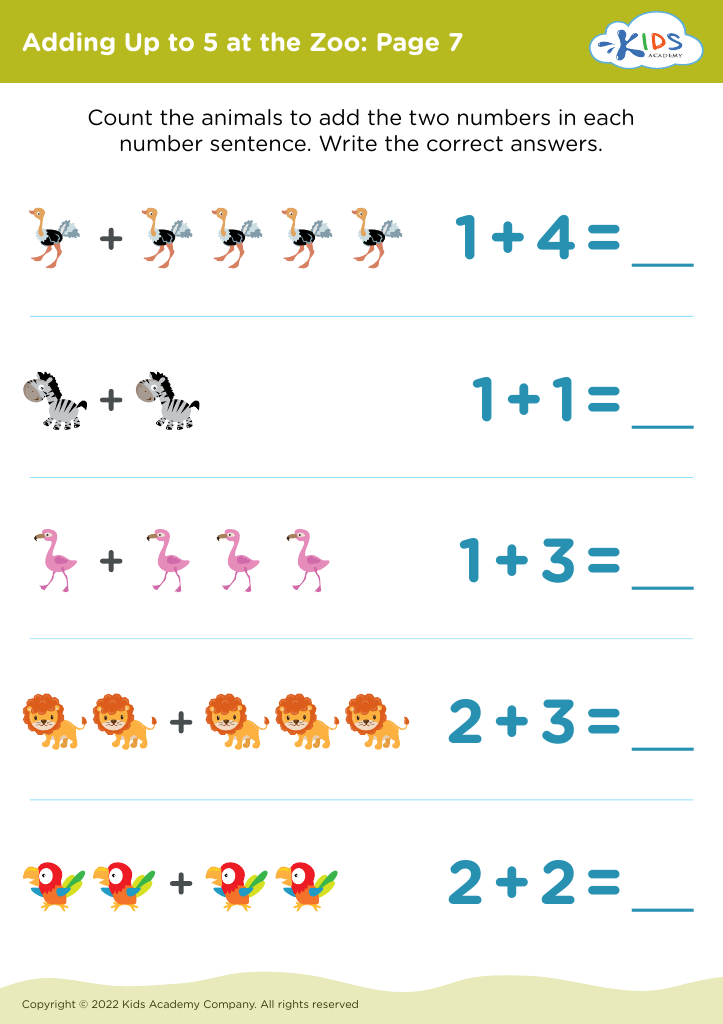
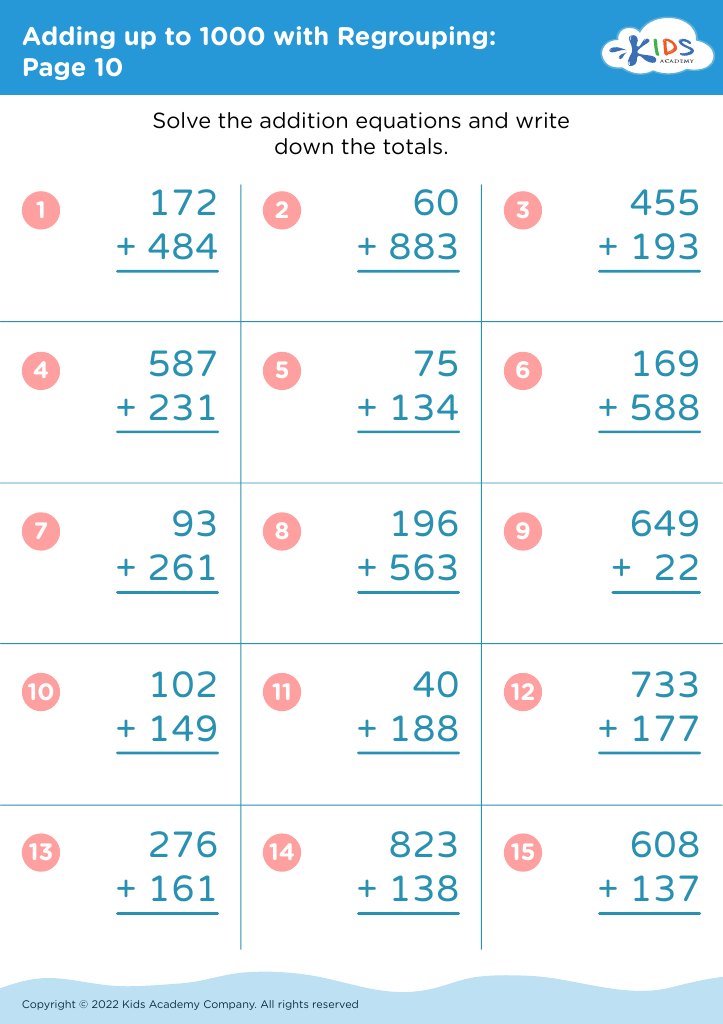
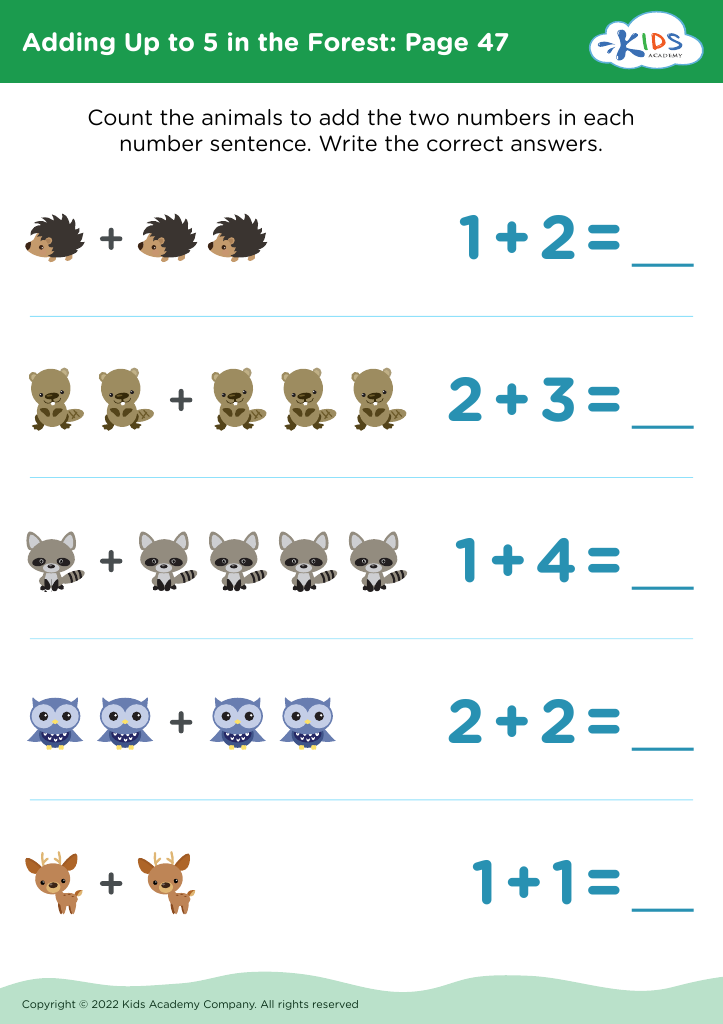
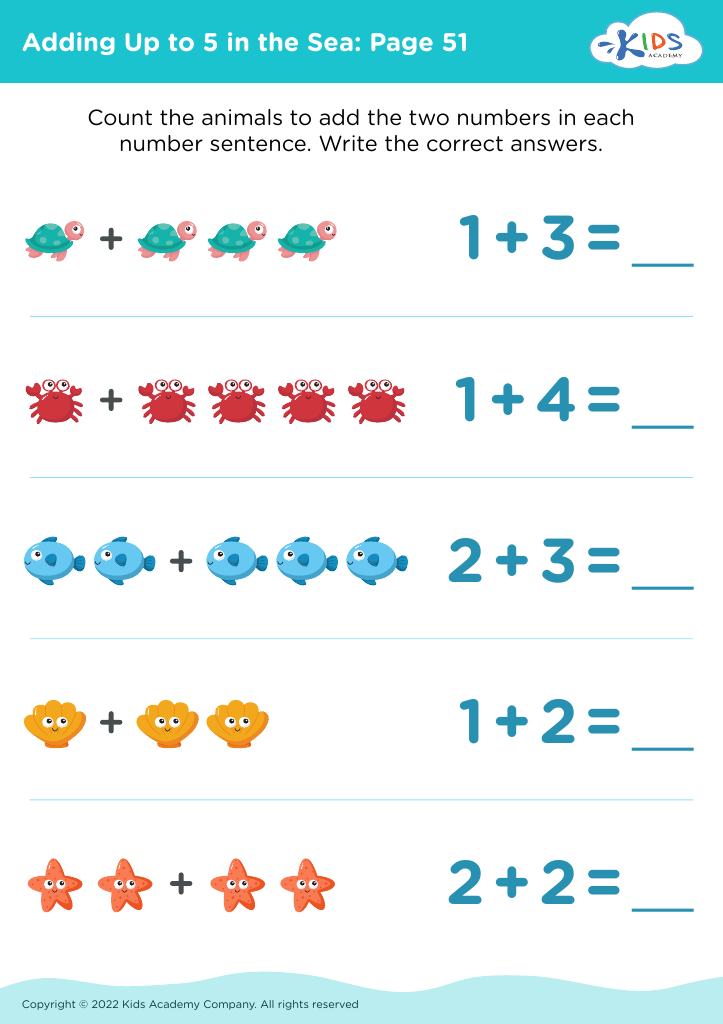








Improving concentration in addition for children aged 3-9 is crucial for their overall cognitive development and academic success. At this young age, children are at a formative stage where their brains are highly adaptable and receptive to learning basic mathematical concepts, which are foundational skills for later educational activities. Concentration enables kids to focus on tasks, understand concepts more deeply, and solve problems efficiently.
For parents, promoting concentration helps children become more self-reliant, improves memory retention, and builds persistence, ultimately fostering a love for learning. Focused children are less likely to feel overwhelmed by academic challenges and more likely to enjoy school, reducing the likelihood of stress or academic avoidance.
For teachers, developing concentration skills in math lessons can lead to more effective learning environments. When children are attentive, lessons can be more dynamic and inclusive, reducing classroom disruptions and allowing for more individualized assistance. Concentrated students are better prepared for conventional and standardized testing, contributing positively to educational benchmarks.
In sum, strong concentration skills in early math not only strengthen academic performance but also cultivate lifelong habits of focus, perseverance, and achievement, forming a solid groundwork for future learning and problem-solving capabilities.








