Practice division Addition Worksheets for Ages 3-9
3 filtered results
-
From - To
Unlock your child's potential with our Practice Division Addition Worksheets tailored for ages 3-9. These engaging and educational printables help children develop essential math skills in a fun and interactive way. Each worksheet combines division practice with addition exercises, reinforcing learned concepts and promoting critical thinking. Perfect for at-home practice or classroom use, these worksheets are designed to make learning straightforward and enjoyable. By integrating a variety of problem-solving techniques, kids can build confidence and mastery in both addition and division. Give your child the tools to succeed in math with our expertly crafted worksheets!
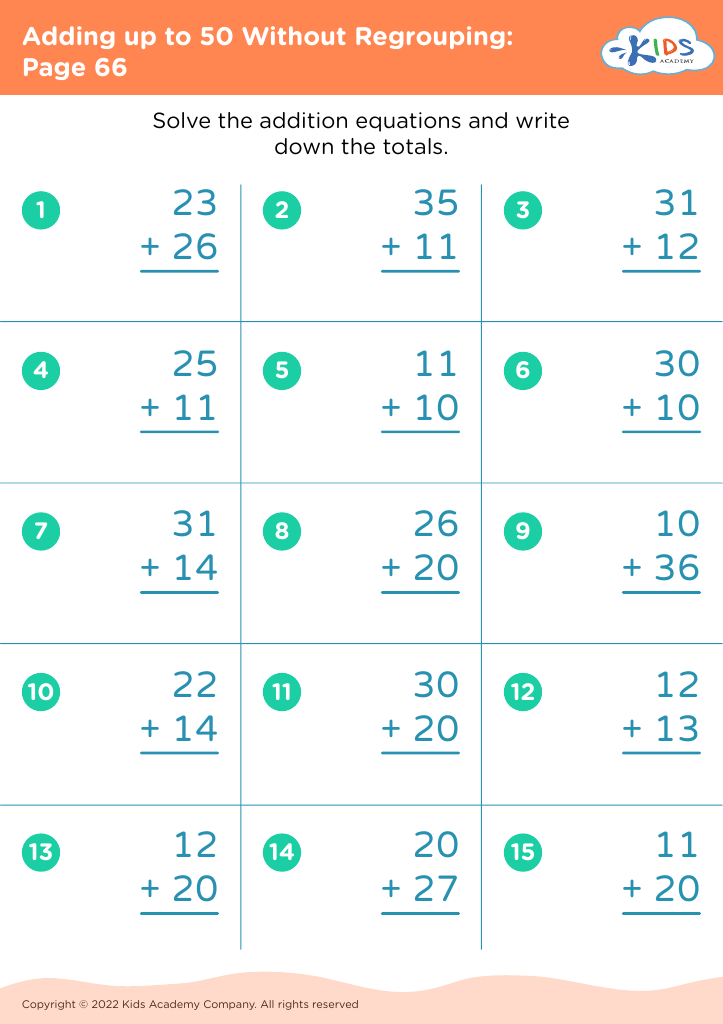
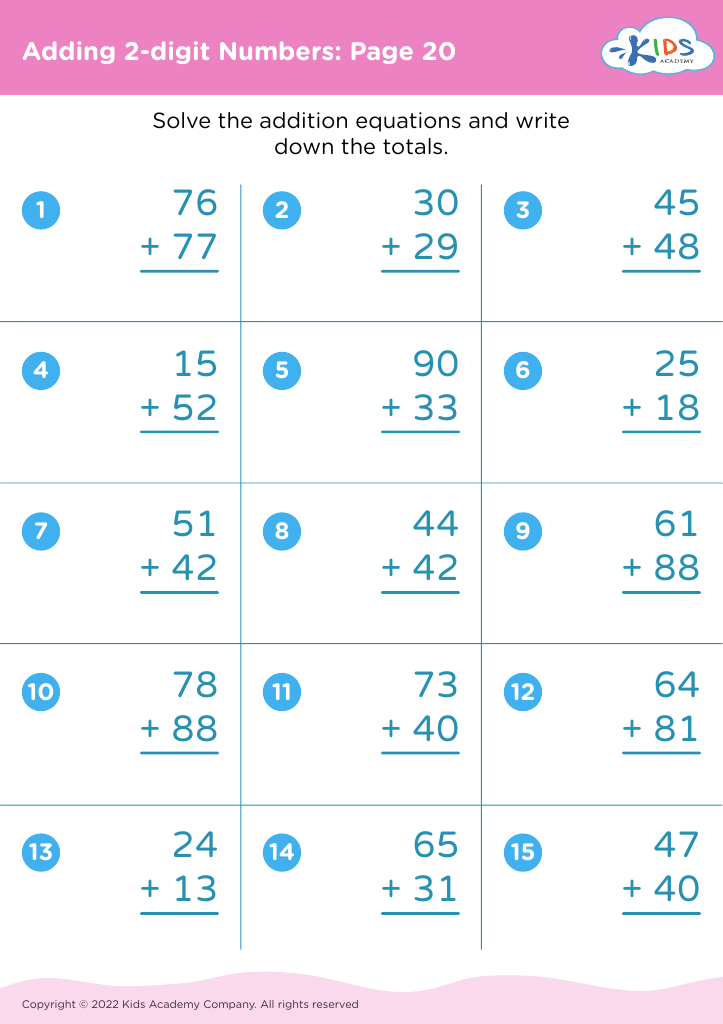
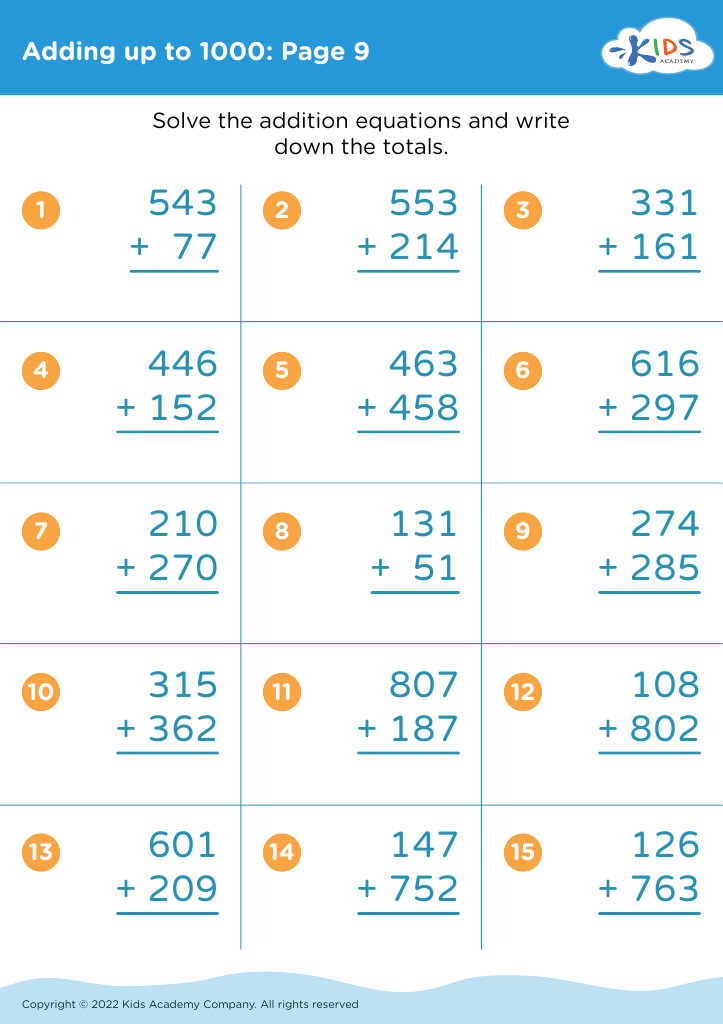







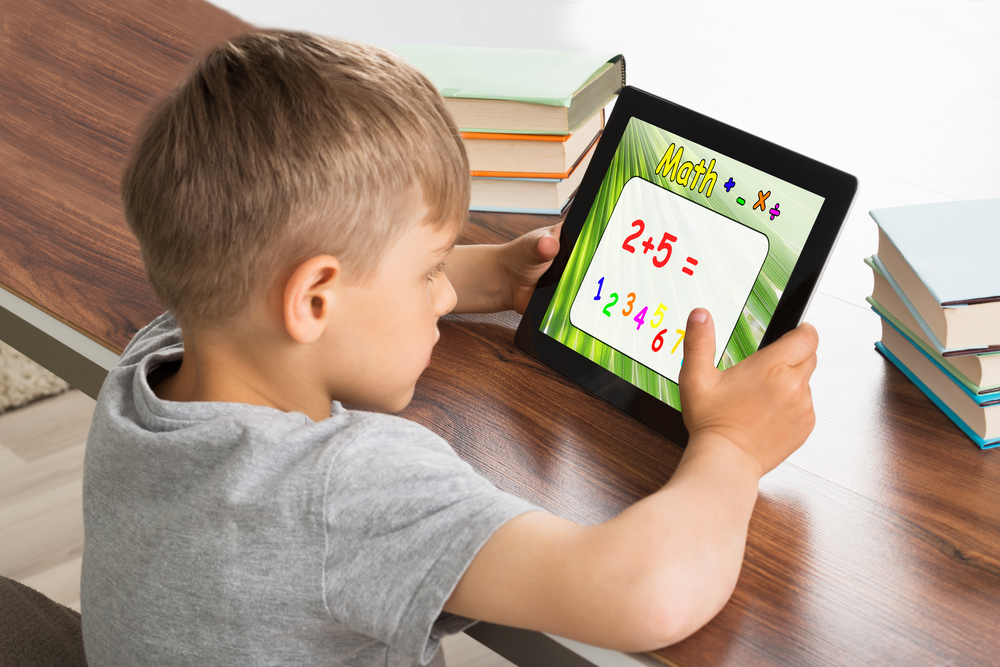
Mathematical foundations, like practice in addition and early exposure to division, play a crucial role in cognitive development and future academic success for children ages 3-9. Introducing these concepts early helps children develop critical thinking and problem-solving skills fundamental for more complex math tasks later on. Practice with addition enhances children's understanding of number relationships and arithmetic, paving the way for financial literacy, logical reasoning, and decision-making abilities.
Early math experiences positively impact brain development by stimulating neural pathways, improving memory, and promoting spatial awareness. This foundational knowledge equips children with the skills needed to perform well in school, fostering confidence and a positive attitude towards learning.
Moreover, learning division, even at a basic level, introduces the concept of breaking down larger problems into smaller, manageable parts, essential for academic progression. It enhances their comprehension of fractions, sharing, and equal distribution, which are everyday practical skills.
Parental and teacher investment in this crucial developmental stage showcases support and commitment to a child’s learning journey. Encouraging practice in these areas nurtures curiosity and establishes a solid academic foundation. By fostering a robust understanding of basic math early on, parents and teachers set children on a path to lifelong learning and success.








