Shape Recognition Addition Worksheets for Ages 3-9 - Page 2
32 filtered results
-
From - To
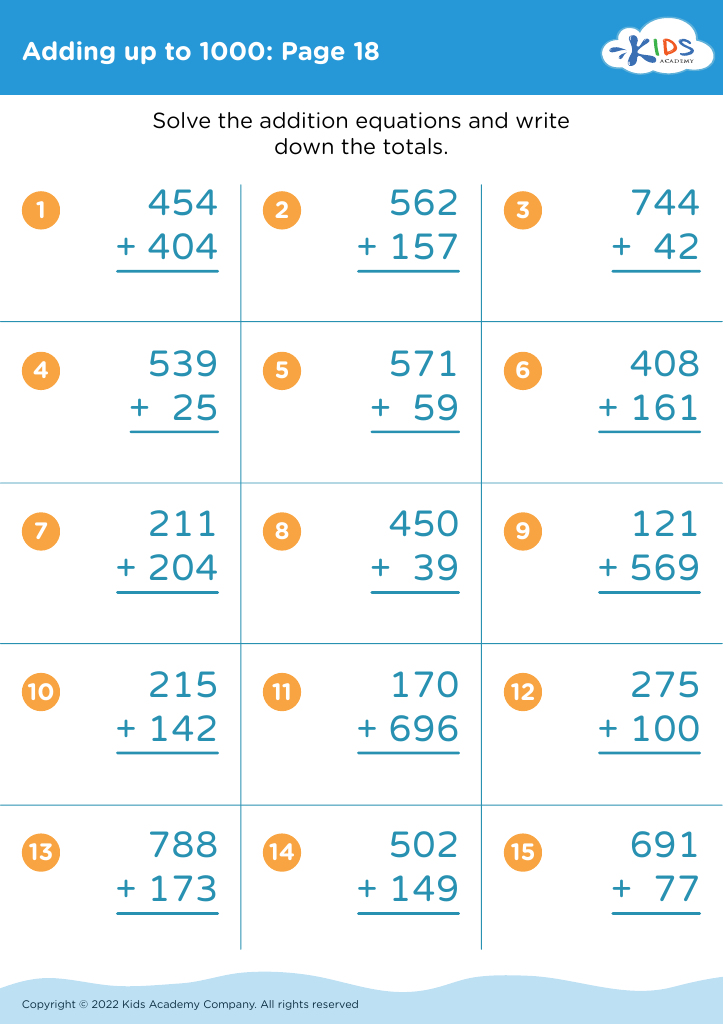
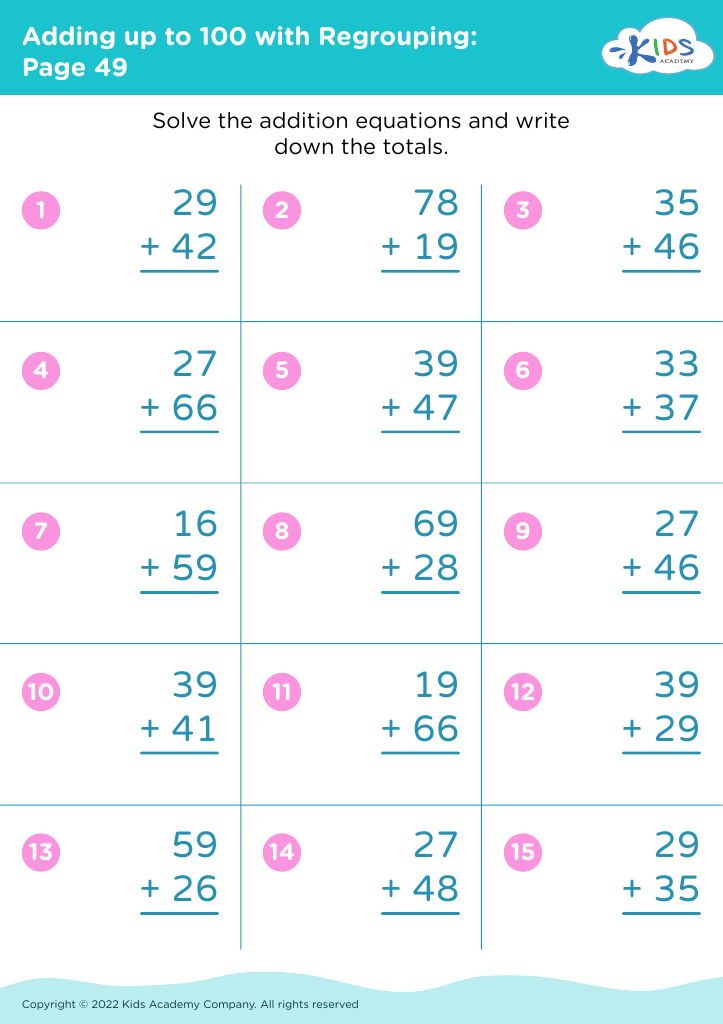
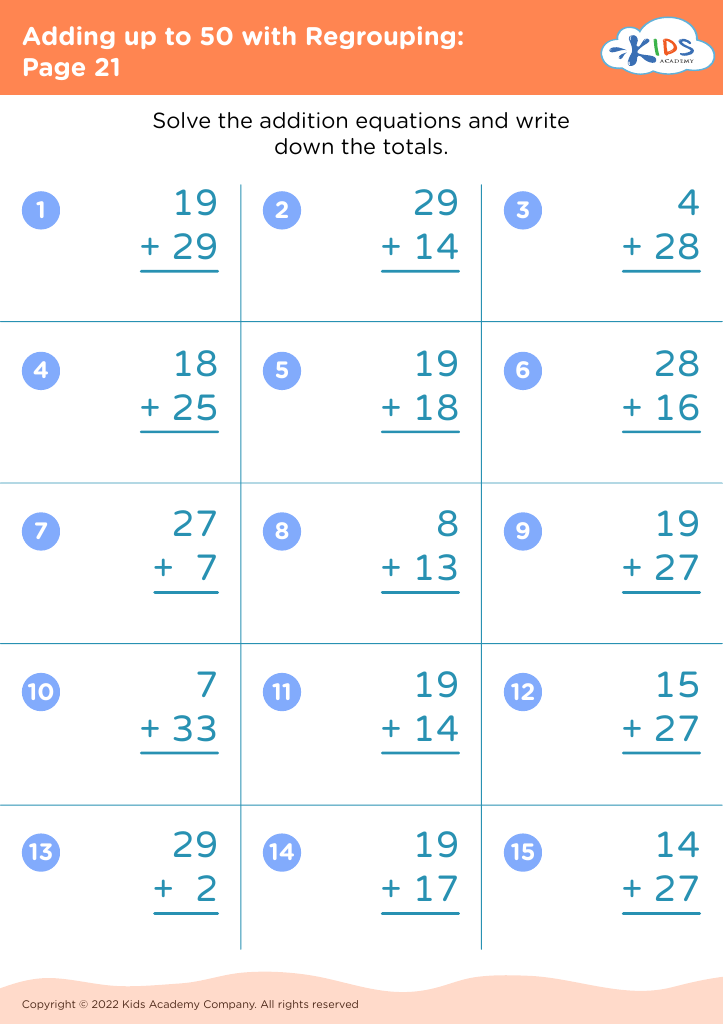
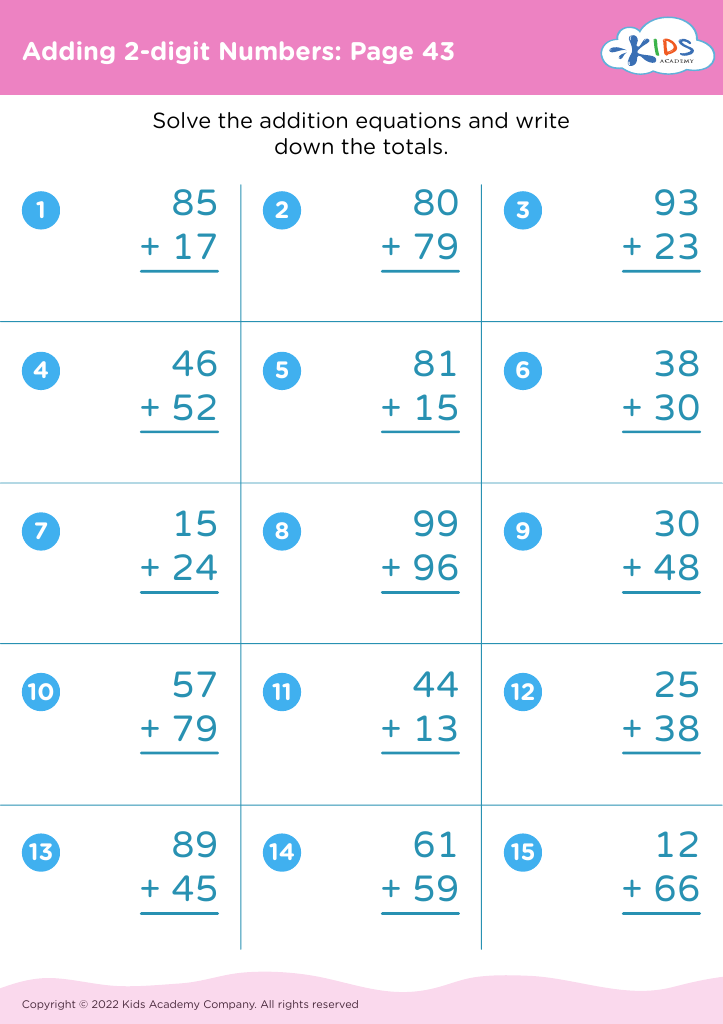
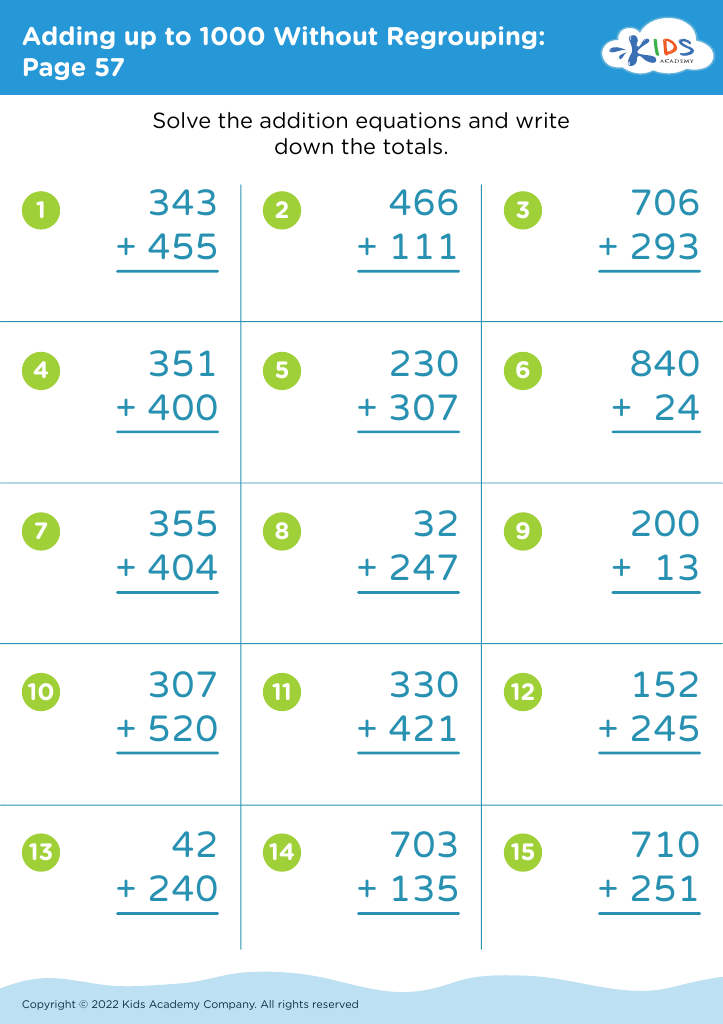
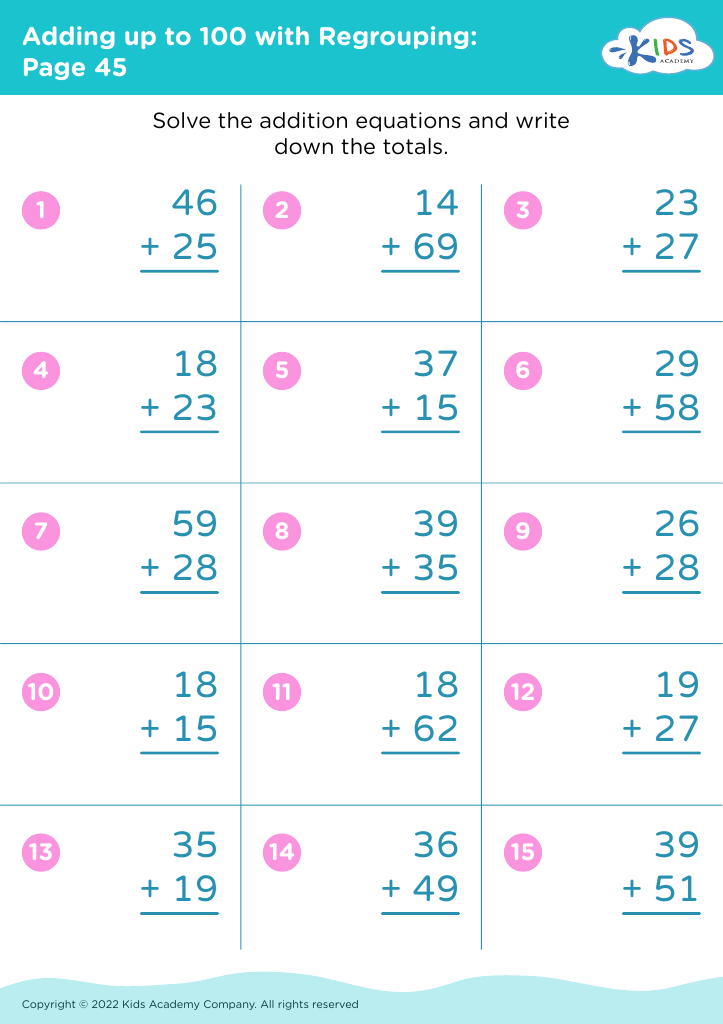
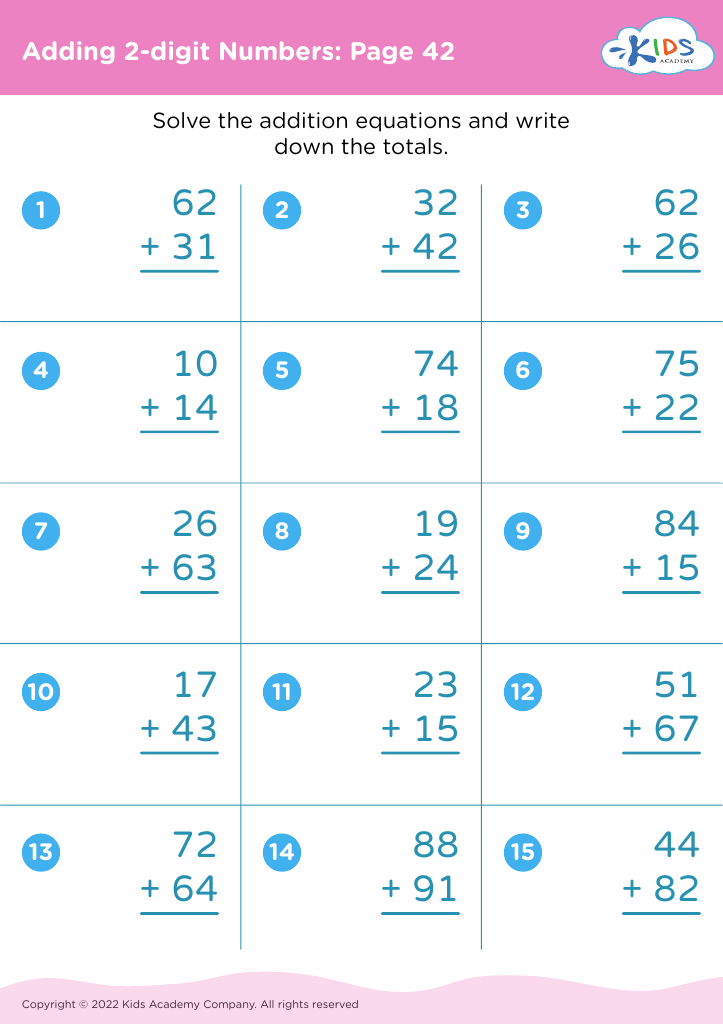
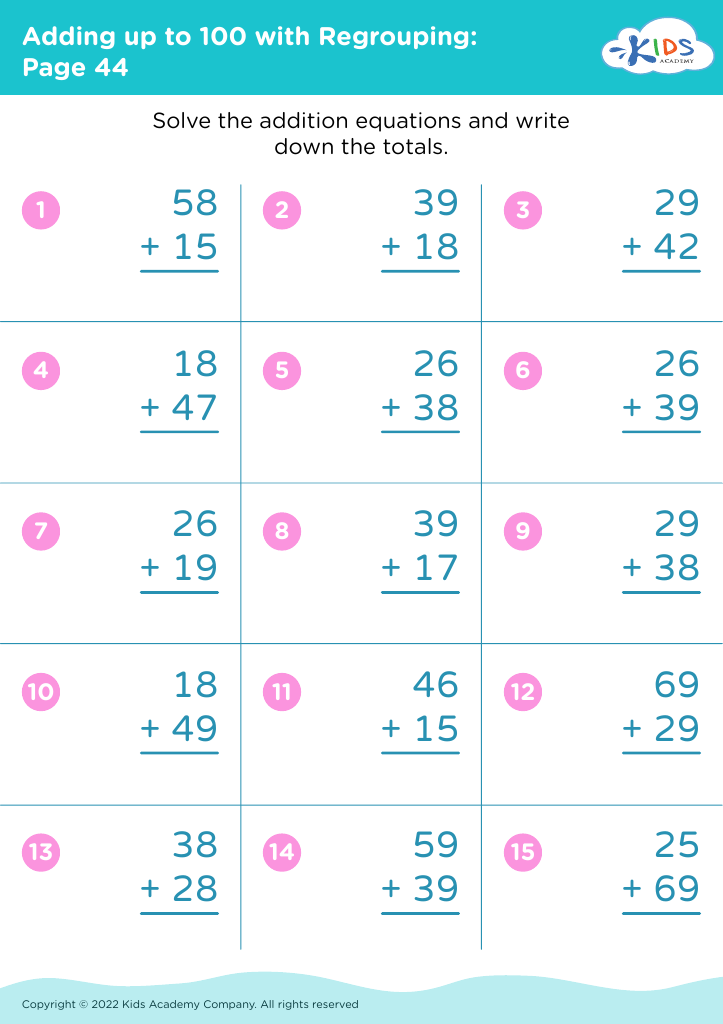








Shape recognition and addition skills are essential for children ages 3-9 because they form critical foundations for cognitive development and future academic success. Firstly, recognizing shapes enhances a child's spatial awareness and visual perception. These skills are pivotal in understanding mathematics, science, and everyday tasks, such as navigating physical spaces or solving puzzles. When children identify and differentiate shapes, they exercise their ability to observe, compare, and categorize objects, which boosts their overall analytical thinking.
Incorporating addition within shape recognition activities simultaneously fosters numerical literacy. As children count sides, corners, or elements within shapes, they practice basic arithmetic in an engaging, hands-on manner. This dual focus on shapes and numbers encourages a deeper understanding of both concepts. Playing with shapes and numbers also nurtures children's problem-solving abilities and promotes persistence, two key attributes for lifelong learning.
Furthermore, combining shapes and numbers in education bridges abstract concepts with tangible visuals, catering to various learning styles and making abstract math ideas more graspable. Early exposure to these skills boosts a child's confidence, making them more likely to engage and persist in challenging academic subjects. Thus, shape recognition addition activities are not merely about learning shapes and numbers but are an investment in a child's broader intellectual and academic proficiency.








