
Understand multiplication Addition Worksheets for Ages 3-9
6 filtered results
Difficulty Level
Grade
Age
-
From - To
Subject
Activity
Standards
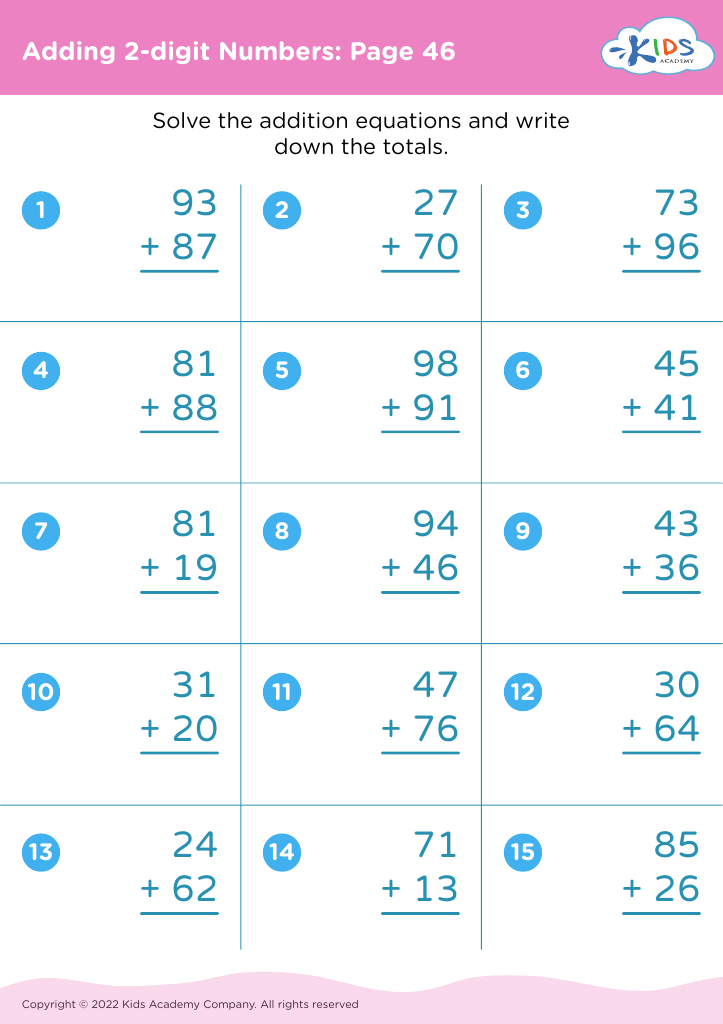
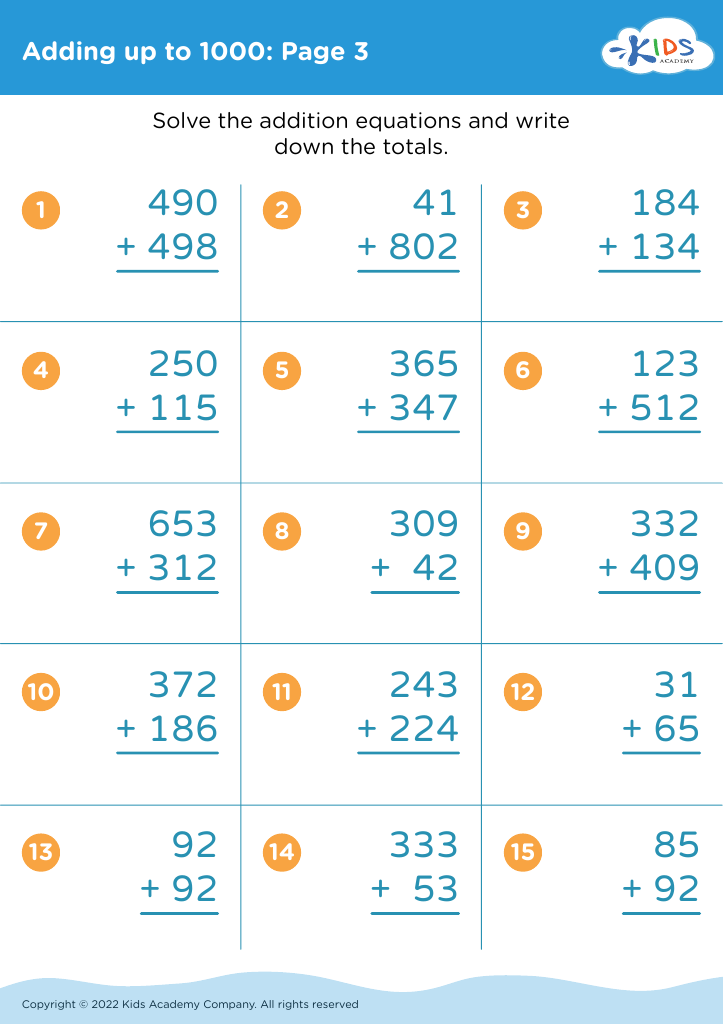
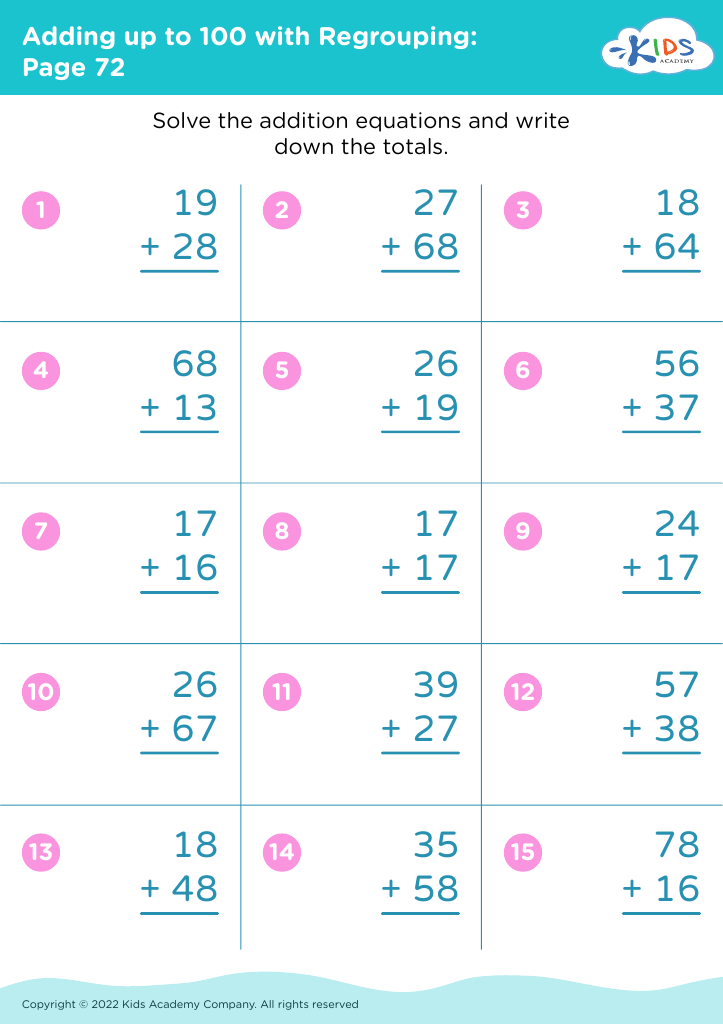
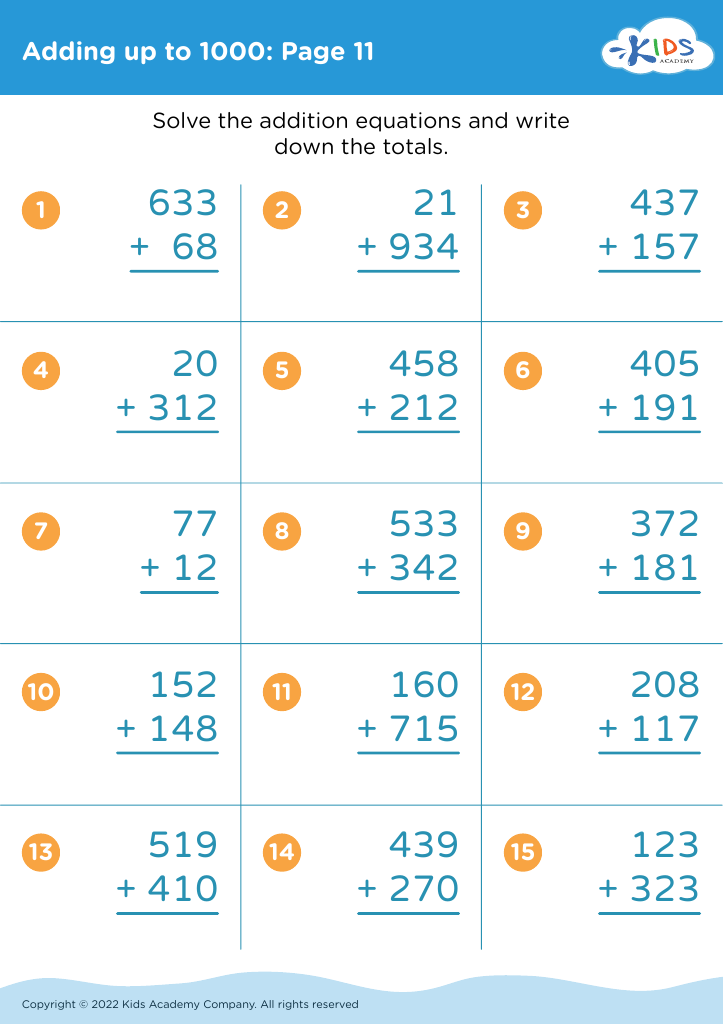
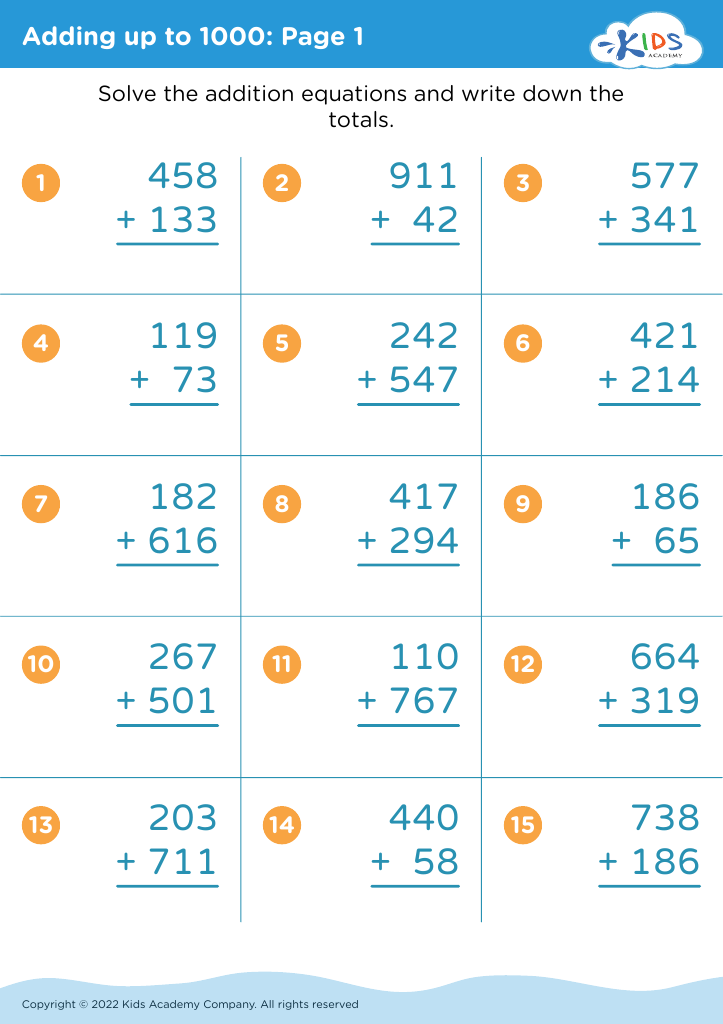
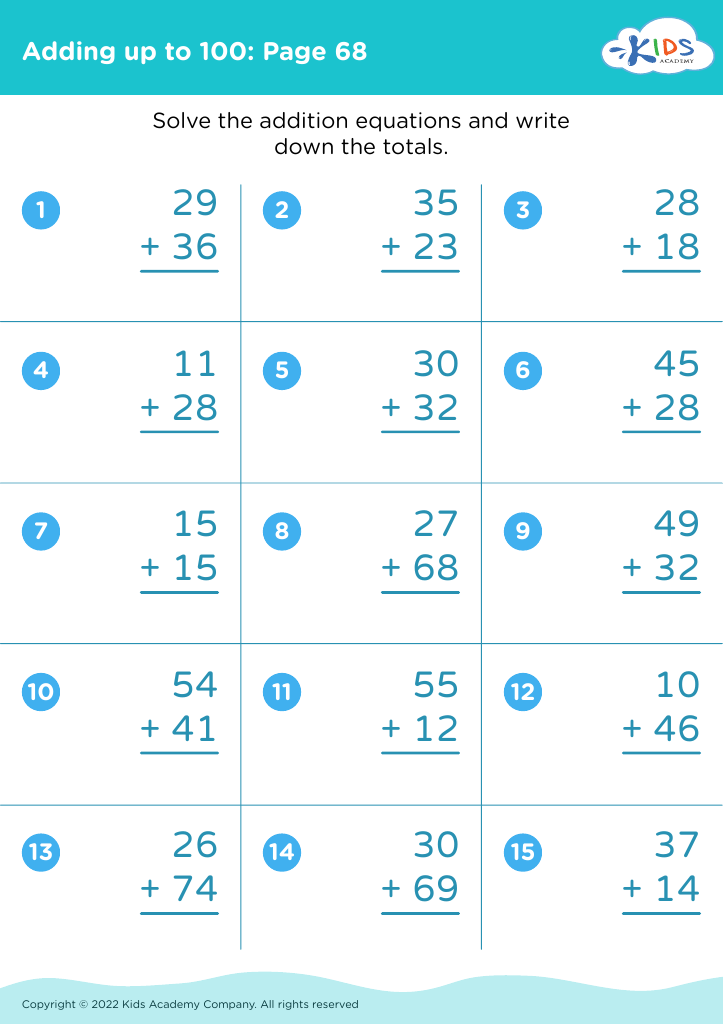
Discover our "Understanding Multiplication through Addition" worksheets designed for children ages 3-9. These engaging and educational printables help young learners grasp foundational math concepts by connecting addition and multiplication. Each worksheet provides fun, effective, and interactive problems that strengthen addition skills while introducing the basics of multiplication. Our age-appropriate activities ensure that early learners gain confidence and develop a strong mathematical foundation. Perfect for both classroom and home practice, our worksheets make learning math enjoyable and accessible. Equip your child with the tools to understand and excel in math today!
Favorites
With answer key
Interactive
Join Kids Academy for Free
Who is primarily going to use this learning content?








Teaching early mathematics concepts, such as multiplication and addition, to children aged 3-9 is critical for several reasons. It forms the foundation for more complex math skills, fostering logical thinking and problem-solving abilities essential for everyday decision-making and academic success. Early exposure to these concepts helps children develop a strong number sense, making it easier for them to grasp more advanced topics in later grades.
For parents, reinforcing these skills at home complements what is taught in school, creating a consistent learning environment that can boost a child's confidence and enthusiasm towards math. Simple, everyday activities—like counting objects, playing educational games, or cooking—can turn into fun math lessons, helping children see the practical applications of what they are learning.
For teachers, emphasizing the fundamentals of addition and multiplication in the classroom promotes a strong mathematical foundation. Using interactive lessons, visual aids, and hands-on activities ensure that these concepts are understood deeply and are not memorized passively. These early math experiences can significantly influence a child's academic trajectory, equipping them with the tools they need to excel in math and other subjects throughout their schooling.
Overall, nurturing a solid understanding of basic math principles from an early age sets children up for enduring academic success and curiosity in the world around them.








