
Visual perception Addition Worksheets for Ages 3-9
16 filtered results
Difficulty Level
Grade
Age
-
From - To
Subject
Activity
Standards
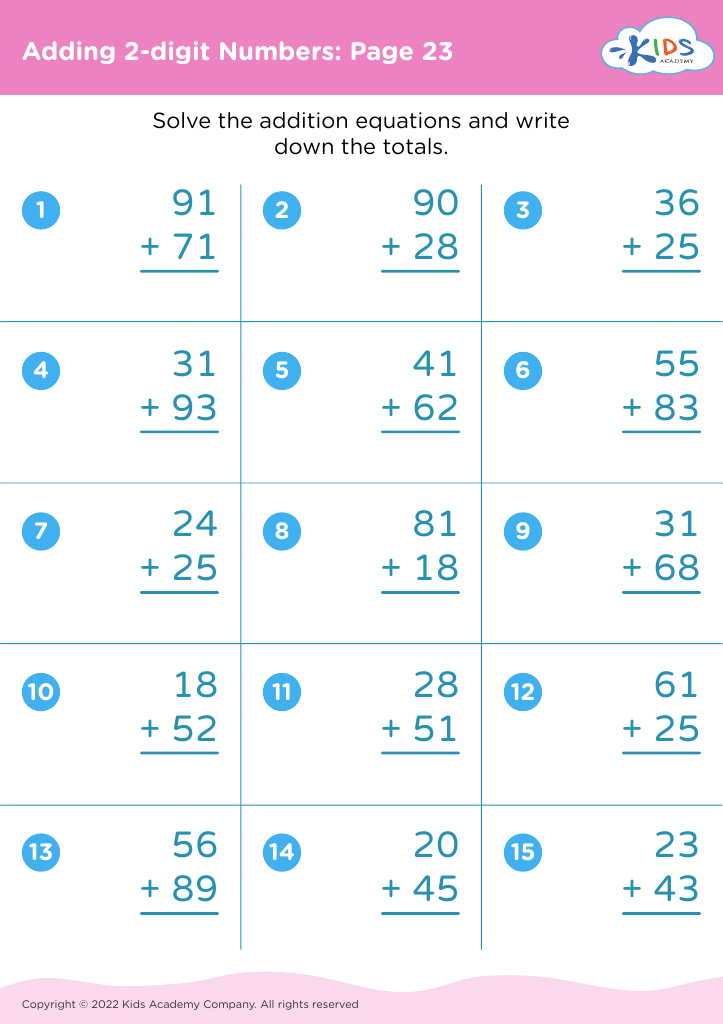
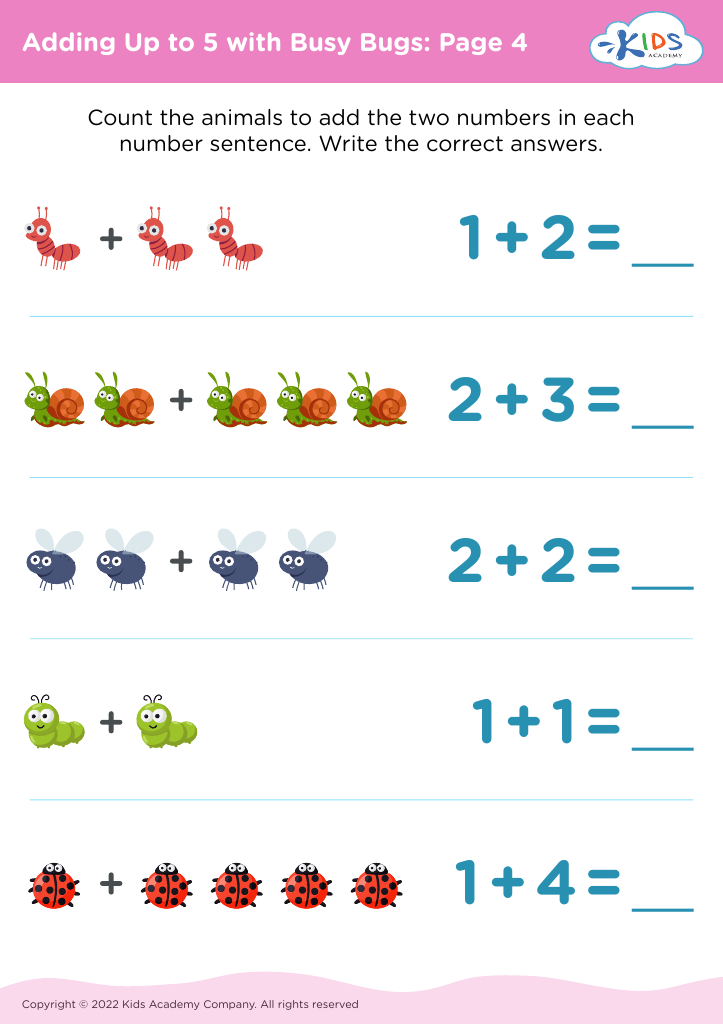
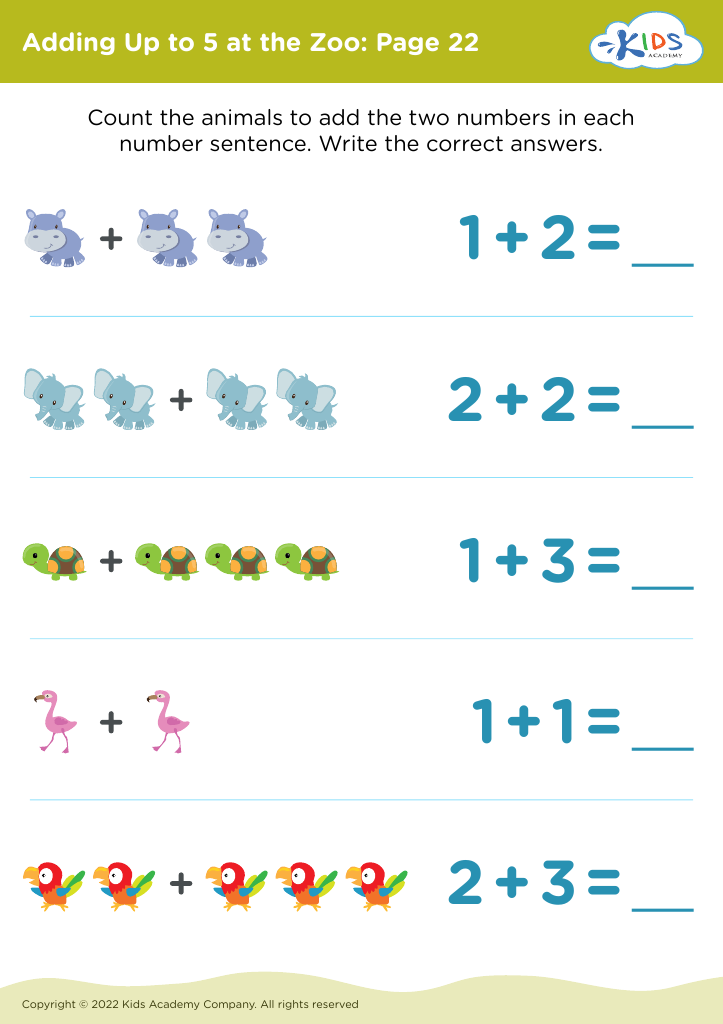
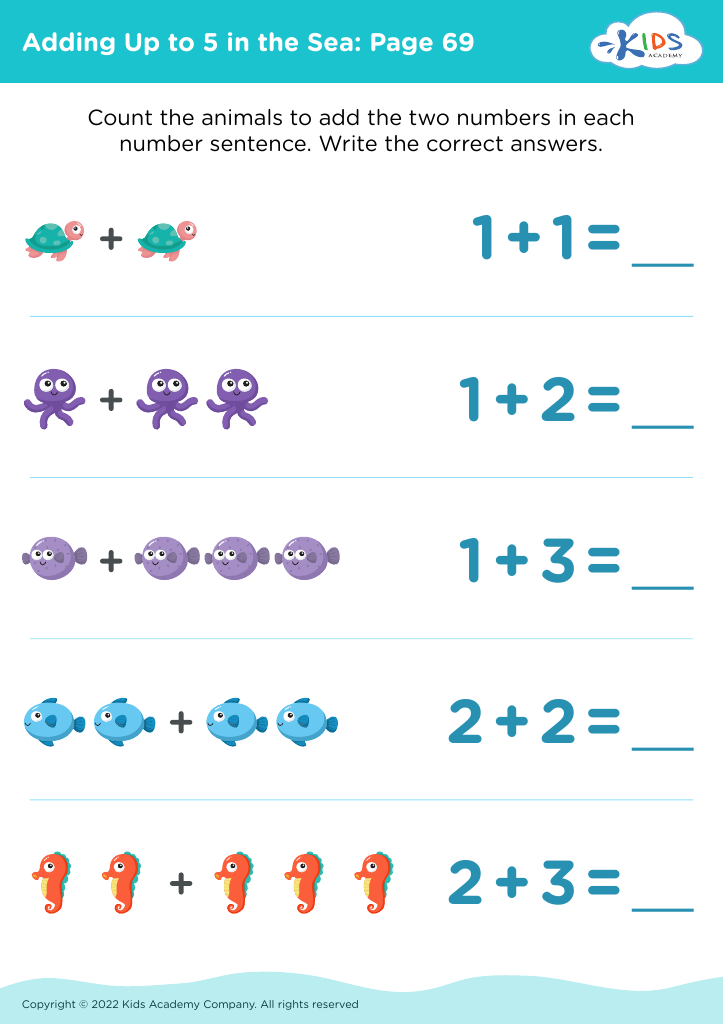
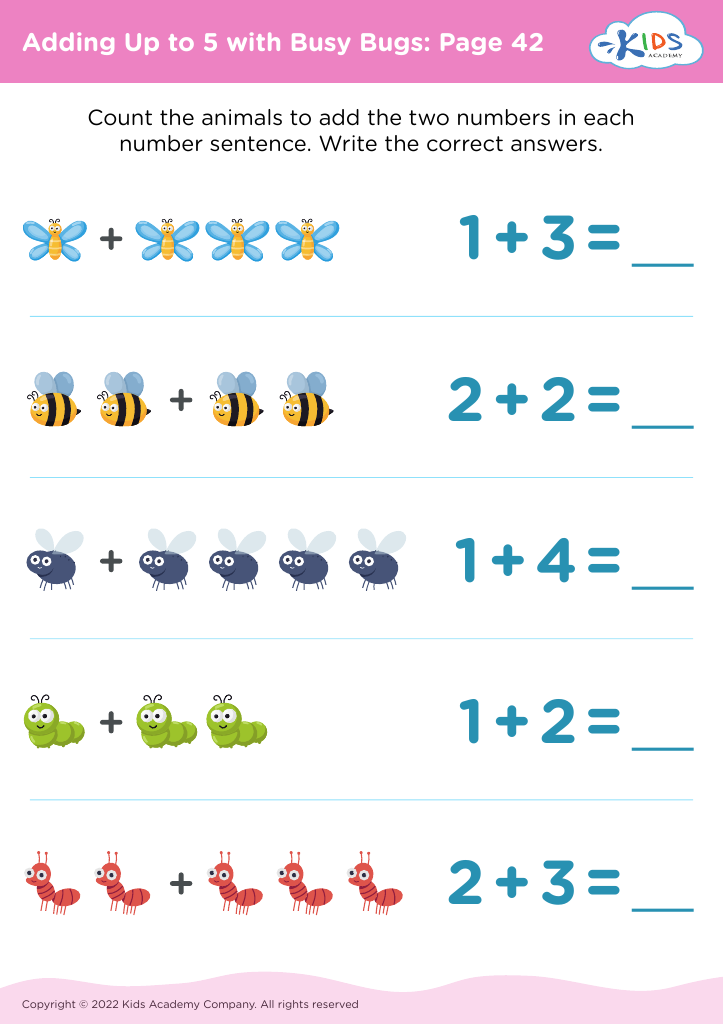
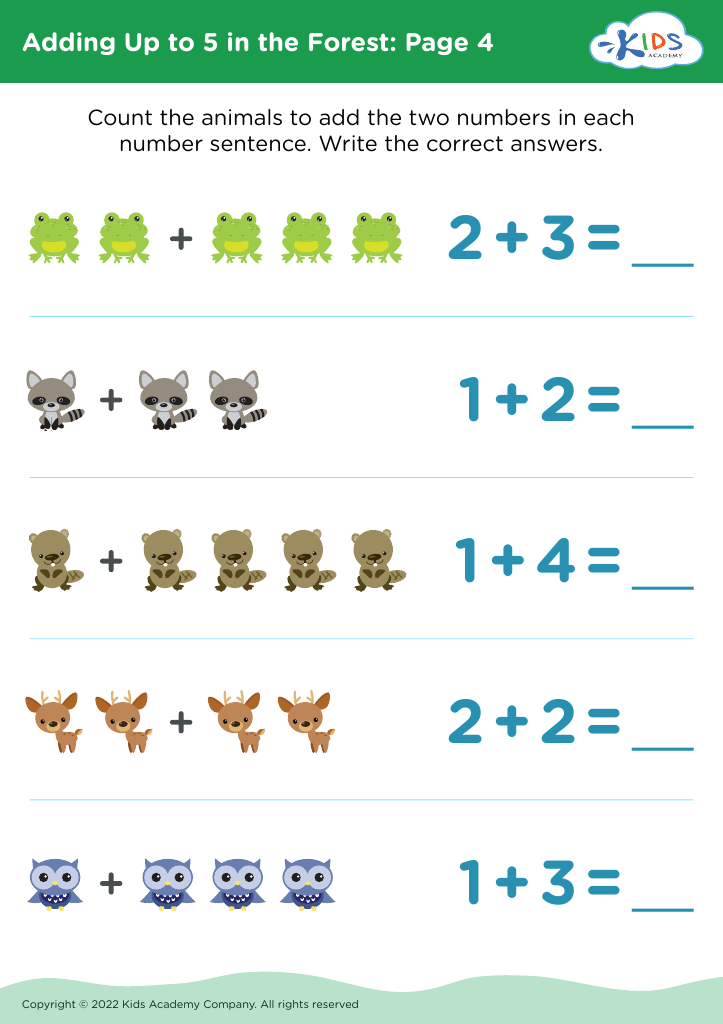
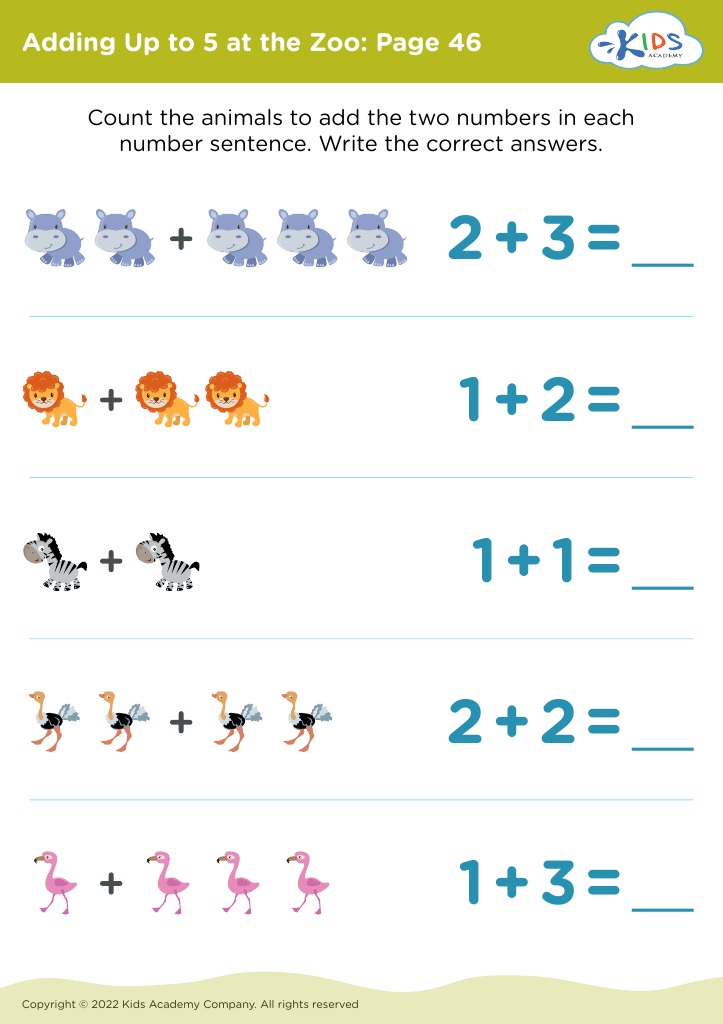
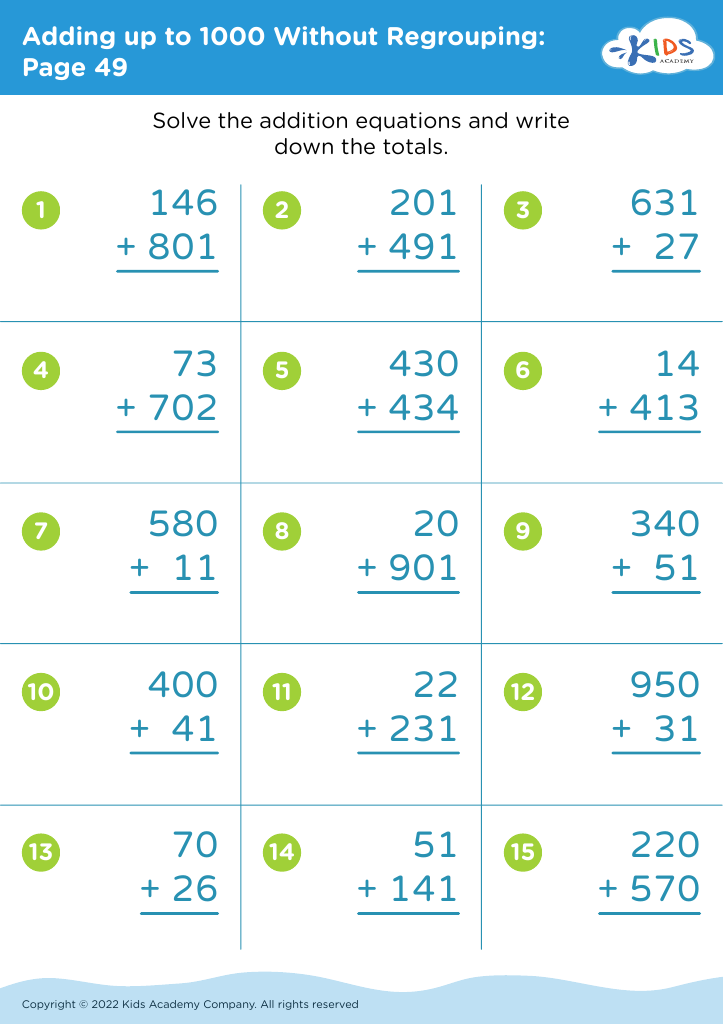
Enhance your child's learning experience with our Visual Perception Addition Worksheets, designed specifically for ages 3-9. These engaging worksheets help young learners develop crucial visual perception skills while practicing basic addition. By combining fun visuals and interactive activities, they promote concentration, cognitive development, and number recognition. Ideal for parents and educators, these worksheets support a well-rounded educational approach by merging math fundamentals with important visual skills. Explore a variety of colorful exercises that keep children motivated and excited about learning math. Perfect for at-home practice or classroom use, these visual perception worksheets are a fantastic resource for early education. Start learning today!
Favorites
With answer key
Interactive
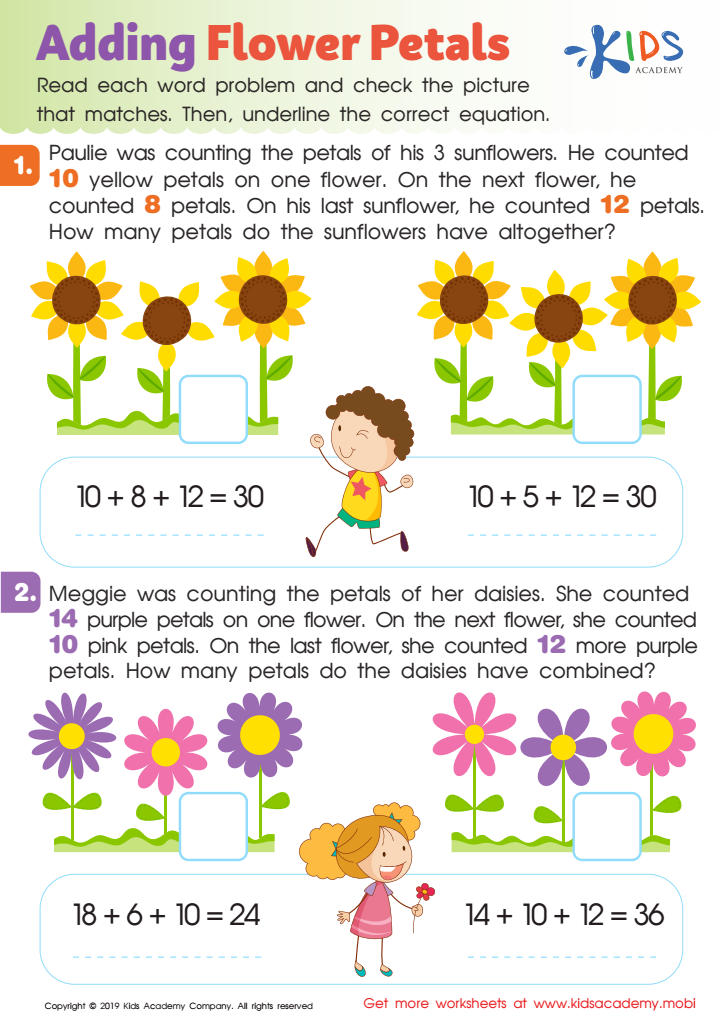
Adding Flower Petals Worksheet
This free worksheet helps little mathematicians learn to understand word problems. They'll read each one and match it to the corresponding picture. Important info is highlighted, teaching kids to look for key info when solving problems. Then they'll underline the correct number equation that matches the picture. A great way to practice problem-solving skills!
 Assign to My Students
Adding Flower Petals Worksheet
Worksheet
Join Kids Academy for Free
Who is primarily going to use this learning content?


.jpg)





Visual perception is a foundational skill that greatly influences a child's learning and development, particularly in early grades. For children aged 3-9, strong visual perception abilities are crucial for academic success in subjects like math, reading, and writing. Visual perception involves the ability to interpret and make sense of visual images, which includes recognizing shapes, distances, and spatial relationships.
Parents and teachers should care about visual perception addition because it directly supports children's cognitive development. For instance, when children can visually distinguish between numbers or quantities, they’re more prepared to tackle addition problems. This skill helps to improve problem-solving abilities, boosts confidence, and fosters a love for learning.
Furthermore, many daily activities—such as reading a clock, recognizing patterns, or completing puzzles—rely heavily on visual perception. Enhancing these skills during formative years equips children with tools they need for lifelong learning. It also lays the groundwork for critical thinking and comprehension abilities that will benefit them beyond the classroom.
Investing time in activities that promote visual perception not only aids in academic growth but also contributes to a child's overall independence and social-emotional development. For these reasons, parents and teachers should prioritize visual perception in their educational strategies.








