Number comparison Comparing Numbers Worksheets for Ages 3-9
5 filtered results
Difficulty Level
Grade
Age
-
From - To
Subject
Activity
Standards
Explore our Number Comparison: Comparing Numbers Worksheets for children aged 3-9. Designed to enhance early math skills, these engaging worksheets help kids grasp the concept of greater than, less than, and equal to through fun exercises. Our carefully curated activities ensure that young learners build confidence in comparing single and multi-digit numbers. With colorful visuals and age-appropriate challenges, these worksheets make learning number comparison enjoyable and effective. Perfect for both classroom use and at-home practice, these resources are essential for laying a strong mathematical foundation. Visit Kids Academy to boost your child's number comparison skills today!
Favorites
With answer key
Interactive
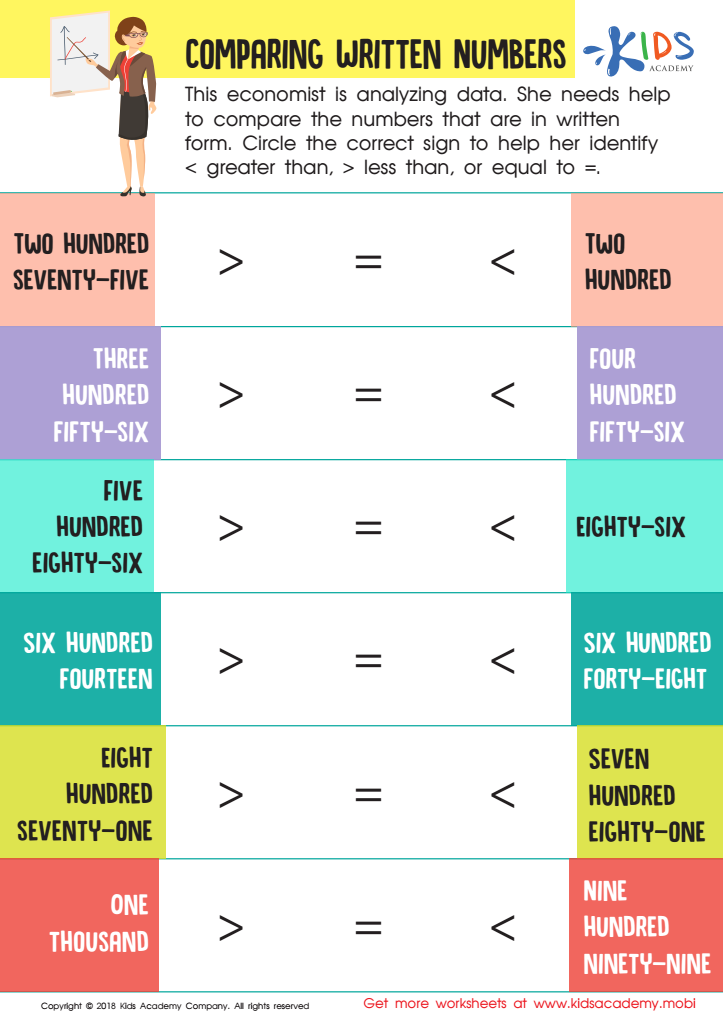
Comparing Written Numbers Worksheet
Children need to grasp that numbers come in different forms. This exciting PDF provides practice for comparing values written as words. Young economists can analyze the number pairs, then circle the sign (<, =, or >) to make comparisons true.
 Assign to My Students
Comparing Written Numbers Worksheet
Worksheet
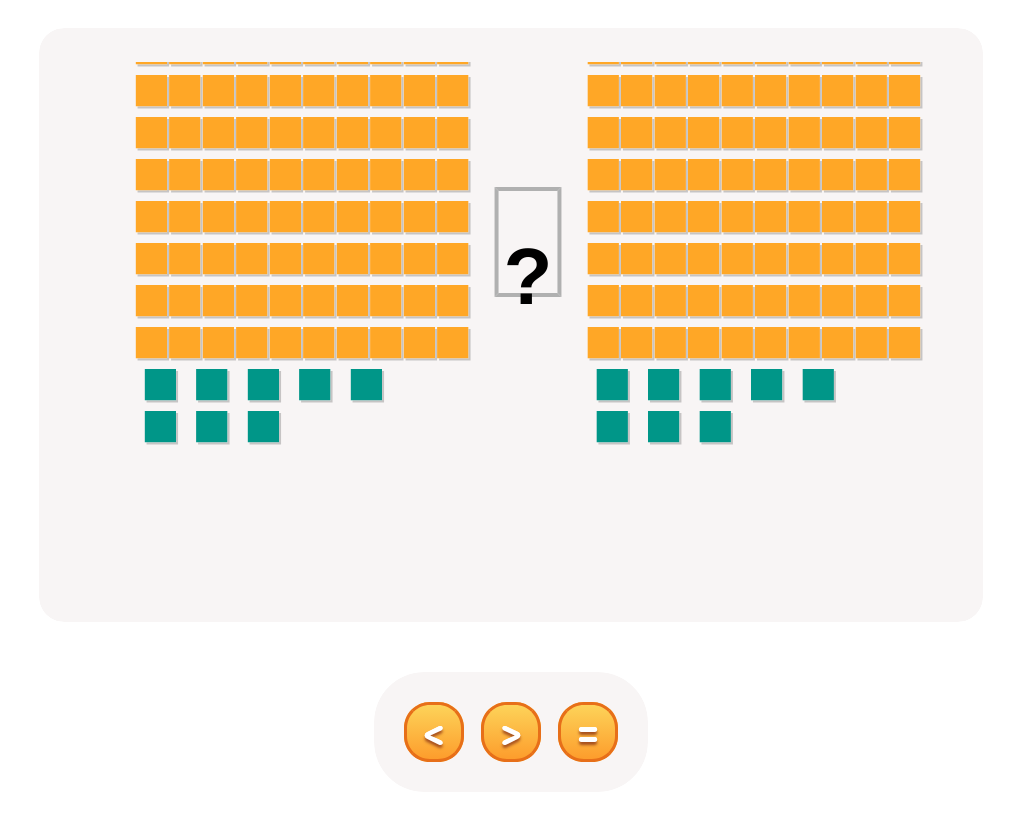

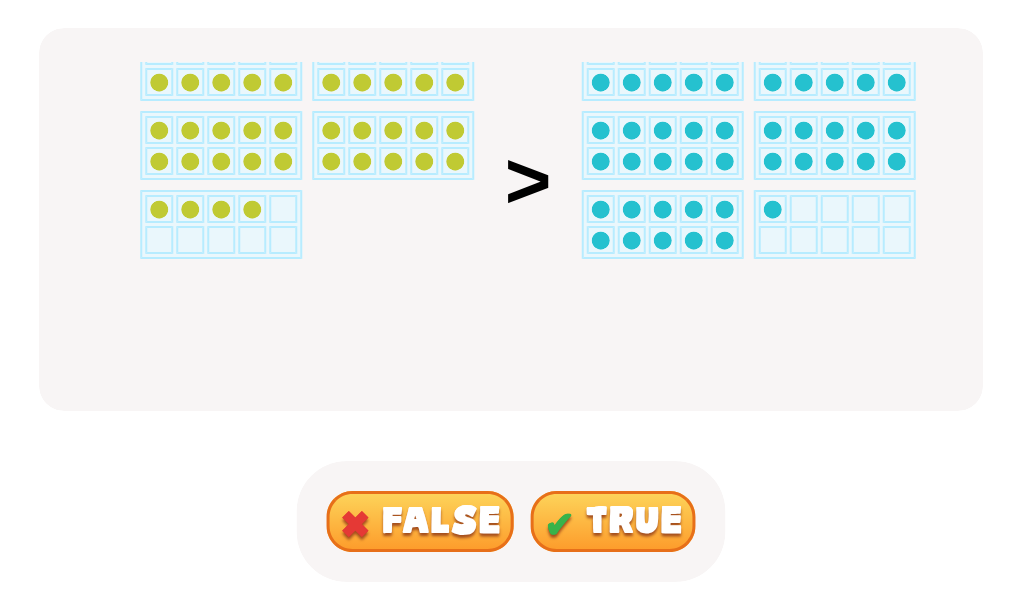
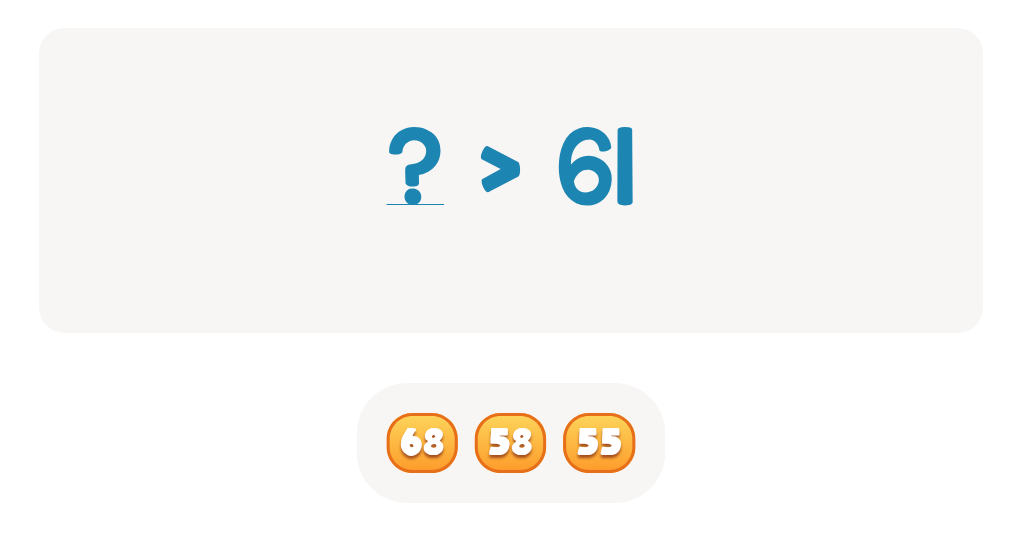
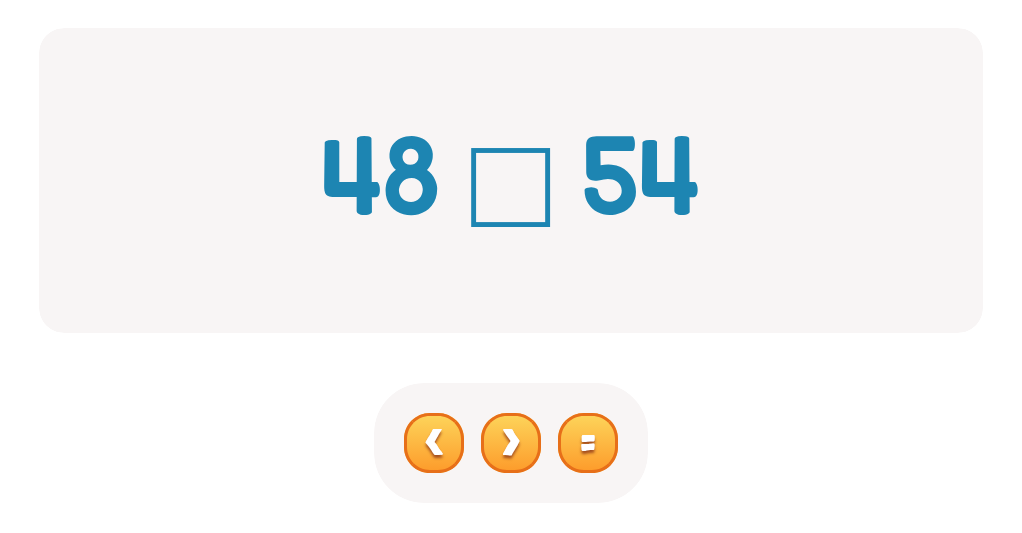
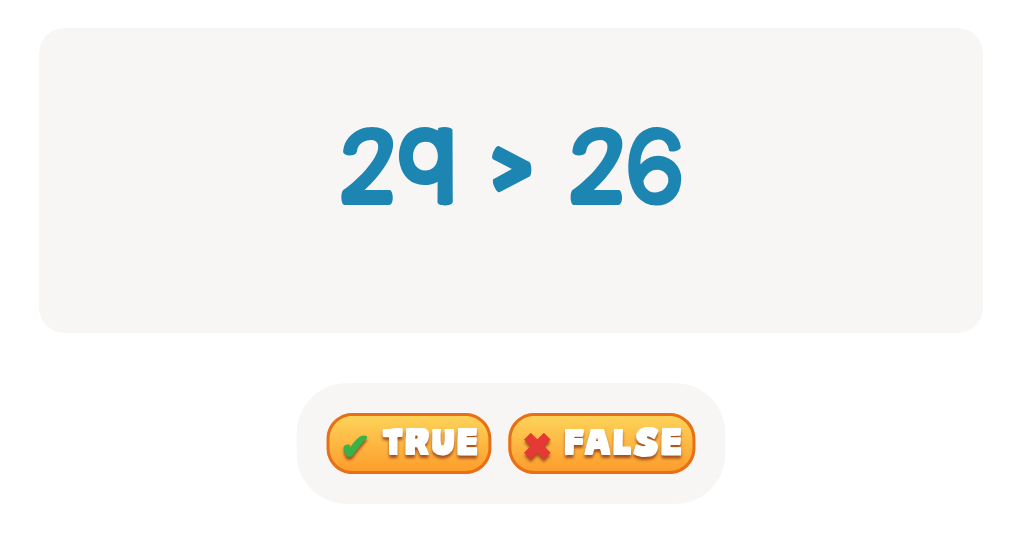
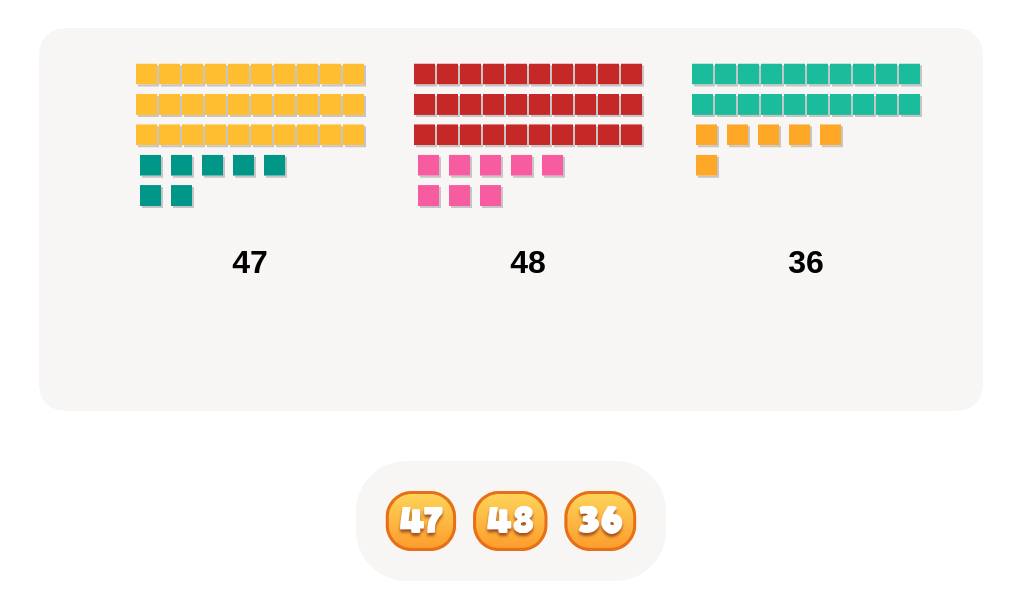
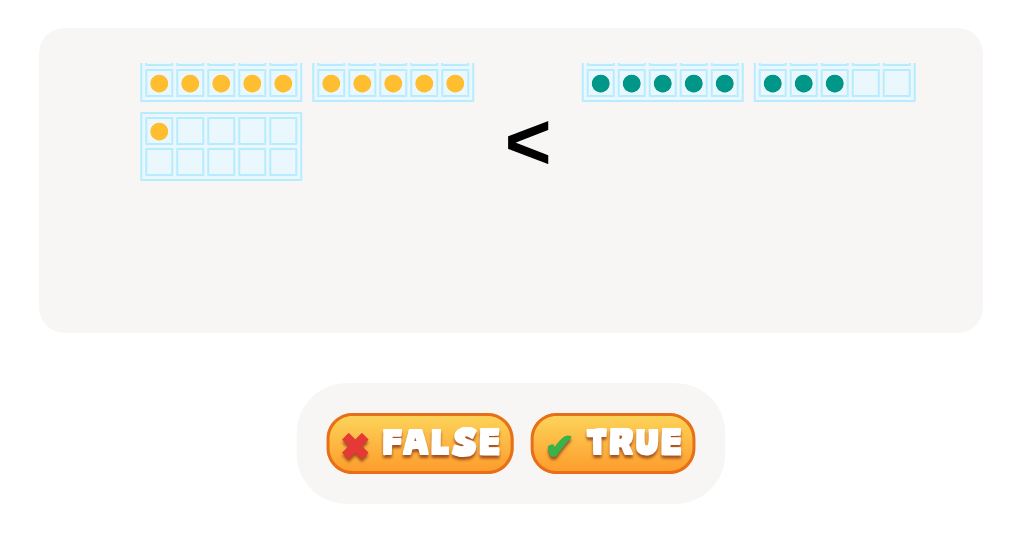
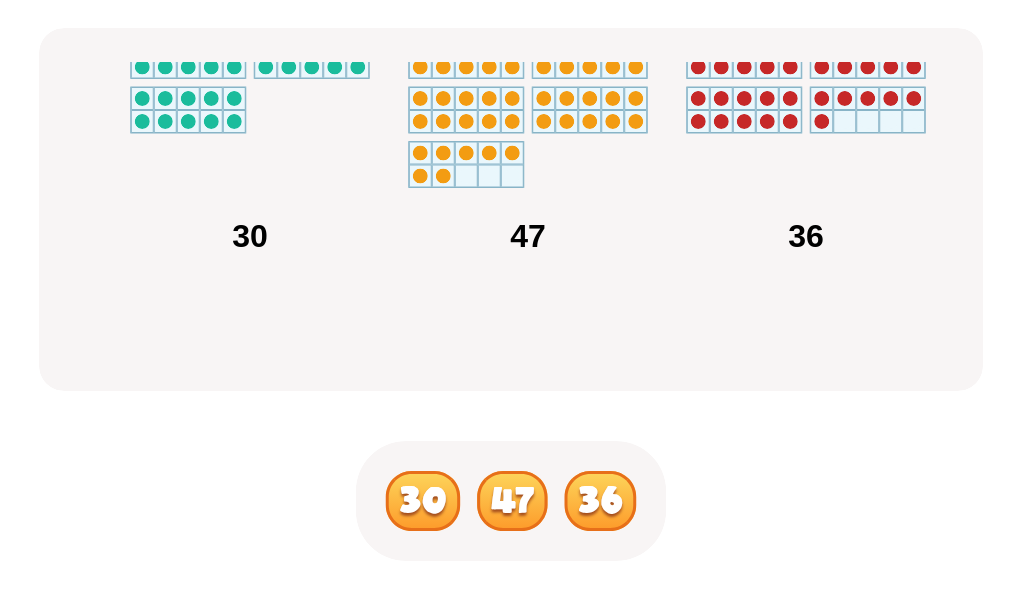
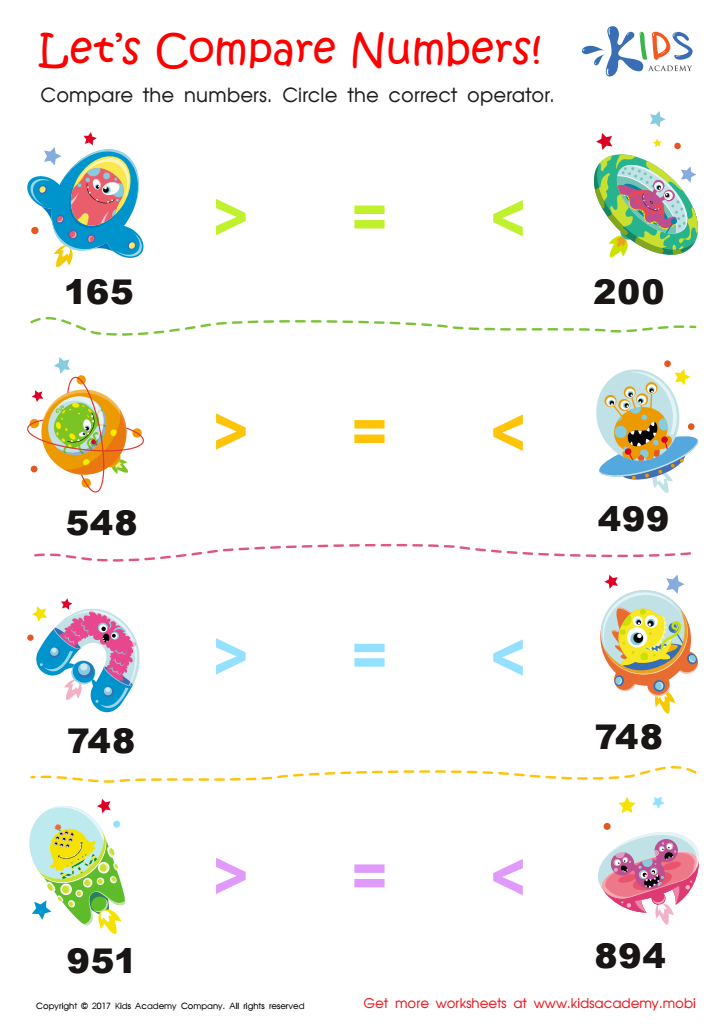
Comparing Numbers Worksheet for 2nd Grade
Alien friends are back to help your child learn to compare numbers using >, < and = symbols. This 2nd grade worksheet will challenge them with larger numbers!
Comparing Numbers Worksheet for 2nd Grade
Worksheet
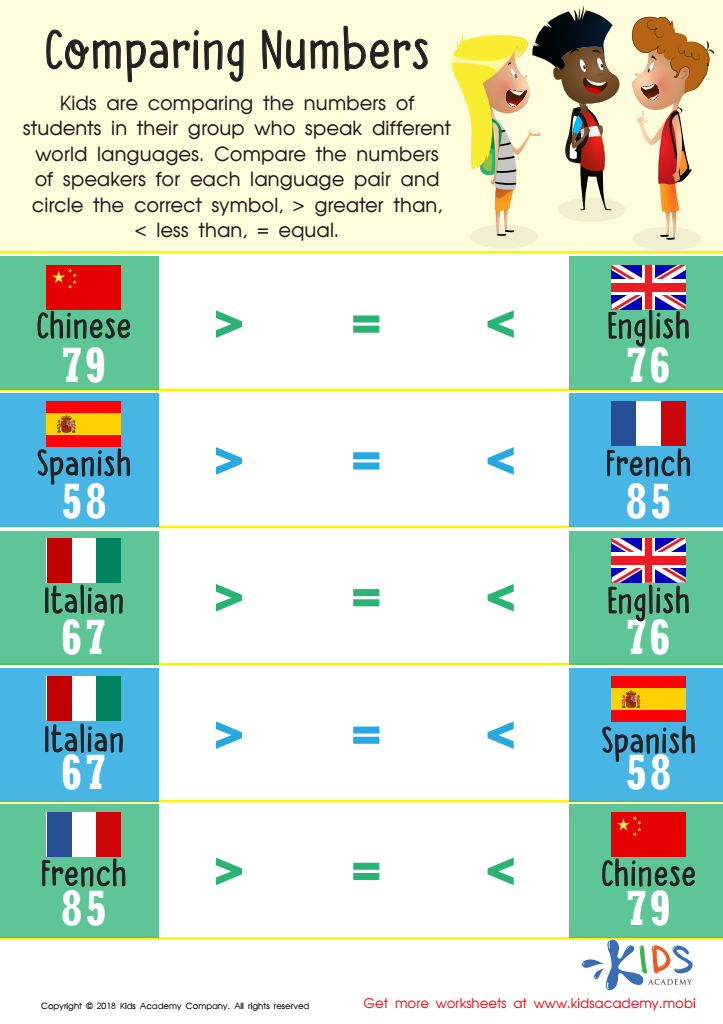
Comparing Numbers Worksheet for 1st Grade
Children can build number sense by exploring the relationship between numbers. This worksheet uses bright international flags to compare numerical groups. Kids will love the cheerful colors and flags from different countries. It encourages them to compare numbers and reinforces their number sense with tens and ones place values.
Comparing Numbers Worksheet for 1st Grade
Worksheet
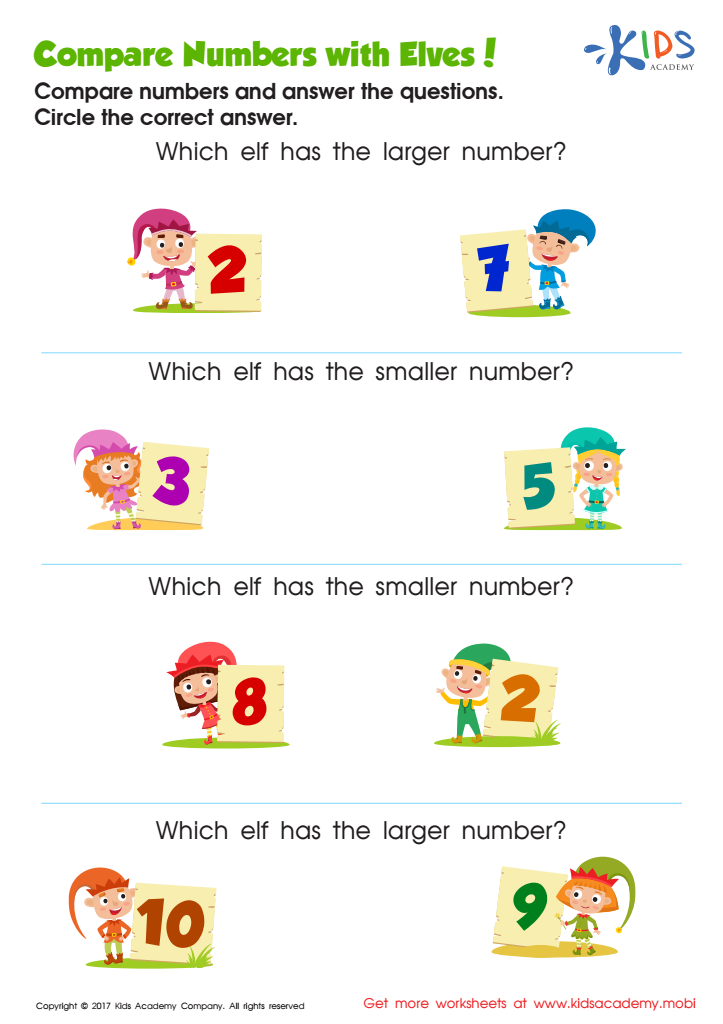
Comparing Numbers Worksheet for Kindergarten
Your child will love helping Santa's elves compare numbers with this fun worksheet for kindergarten! They must determine which number is bigger or smaller then circle the answer. It's a great activity for Christmas or any time!
Comparing Numbers Worksheet for Kindergarten
Worksheet
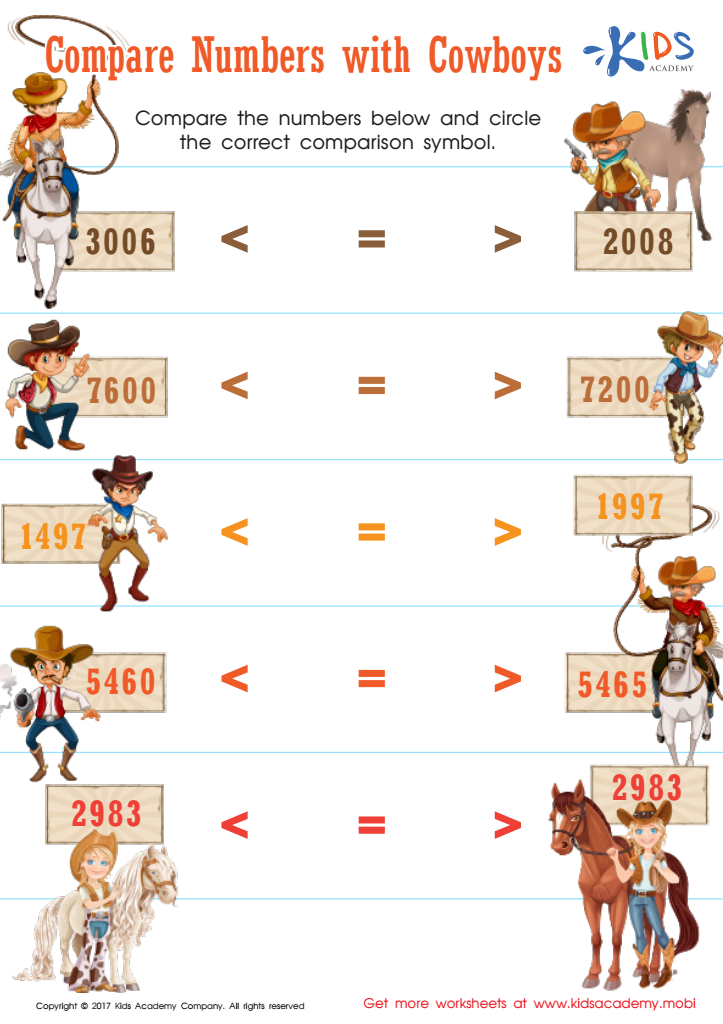
Compare Numbers Worksheet for 3rd Grade
Time to get a roundup on big numbers! Help your 3rd grader practice comparing thousands with this compare numbers worksheet. They'll use >, <, and = symbols for tricky numbers. Jump in and join the cowboys!
Compare Numbers Worksheet for 3rd Grade
Worksheet
Join Kids Academy for Free
Who is primarily going to use this learning content?



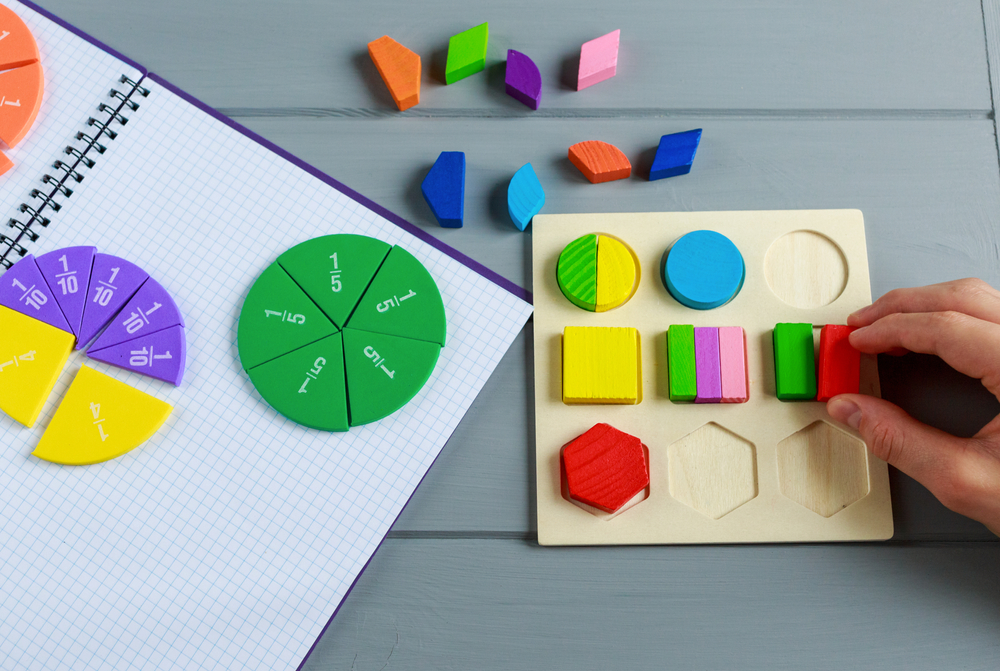




Parents and teachers should prioritize the concept of number comparison for children ages 3-9 because it lays a foundational cornerstone in early mathematical learning and cognitive development. Number comparison involves evaluating quantities to determine which is larger, smaller, or if they are equal. This skill is fundamental, influencing future math proficiency and broader analytical abilities.
For young children, grasping number comparison helps them understand basic quantities and relationships, easing them into more complex math operations like addition, subtraction, and eventually, multiplication and division. A solid grasp of this concept enhances their number sense, aiding in their ability to make quick, accurate numerical estimations—a crucial skill in everyday life.
Moreover, comparing numbers nurtures children's logical reasoning and critical thinking. They learn to observe patterns, make predictions, and solve problems systematically, which are essential skills across all academic disciplines. Encouraging these cognitive processes early fosters a mindset geared toward inquiry and understanding.
Additionally, confidence in math from an early age leads to a positive attitude towards the subject. Through engaging activities like number games, sorting objects, and using visual aids, parents and teachers can make learning number comparison exciting, promoting a lifelong interest in mathematics. By caring about number comparison, we equip children with robust intellectual tools for future academic and life success.