
Addition Practice Counting Worksheets for Ages 3-9
4 filtered results
Difficulty Level
Grade
Age
-
From - To
Subject
Activity
Standards
Welcome to our Addition Practice Counting Worksheets designed for kids aged 3-9! These engaging worksheets provide a fun and interactive way for young learners to develop their addition skills and enhance their counting abilities. Each worksheet features colorful illustrations and age-appropriate problems to capture children's interest and keep them motivated. Our resources cater to various skill levels, allowing educators and parents to tailor activities to children's needs. By practicing addition through playful exercises, kids build a strong mathematical foundation while boosting their confidence. Explore our collection and watch your child excel in math with ease and enjoyment!
Favorites
With answer key
Interactive
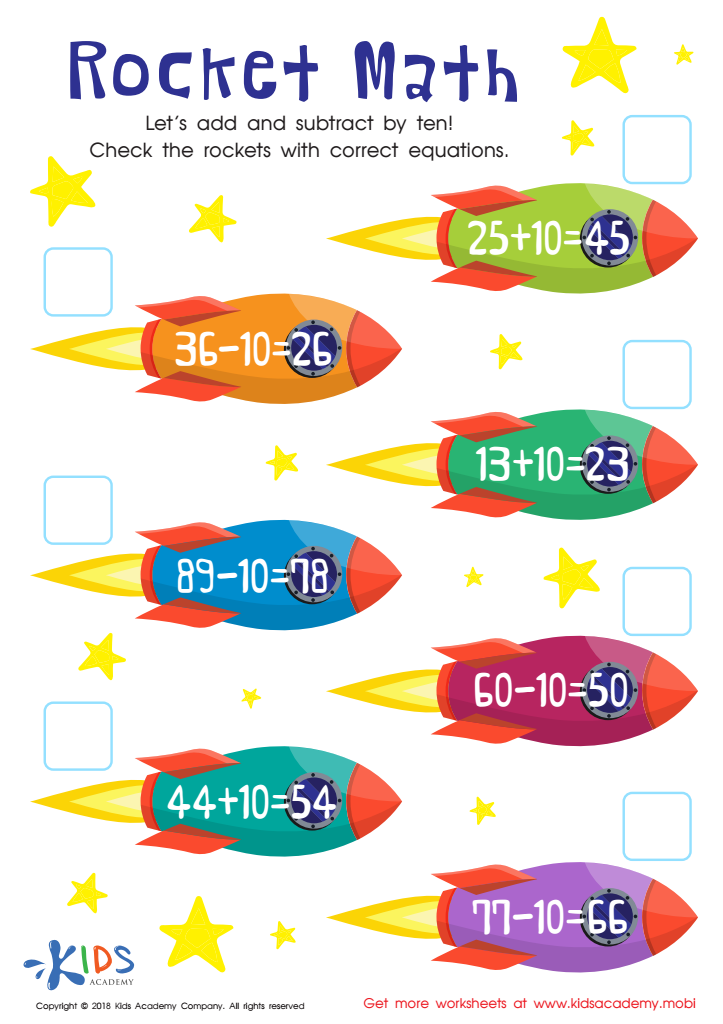
Rocket Math Worksheet
Your students will be math wizards in no time as they blast off on this exciting and colorful PDF worksheet. They'll use the 10s strategy to practice addition and subtraction, and they'll learn to skip count forwards and backwards. Keep them engaged and make learning fun!
 Assign to My Students
Rocket Math Worksheet
Worksheet


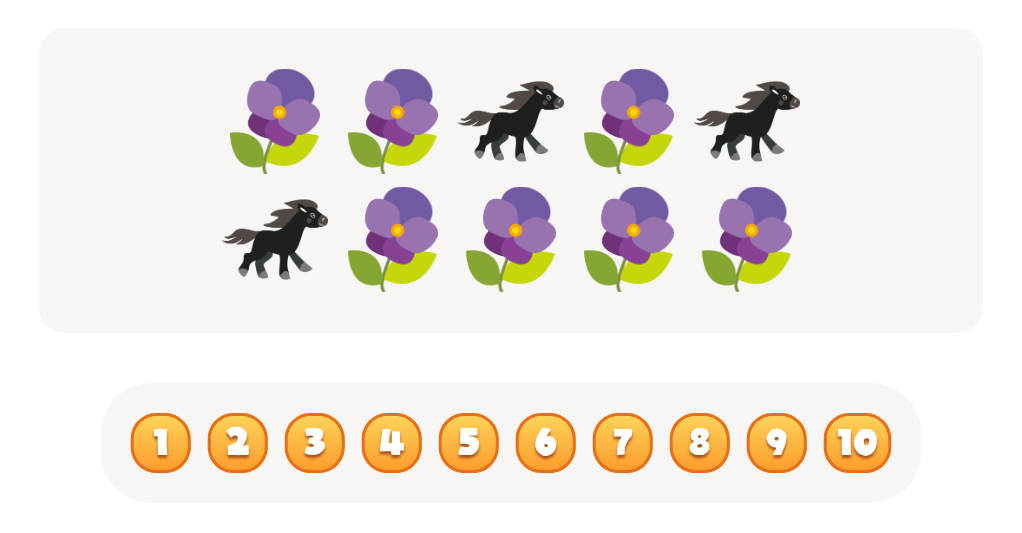
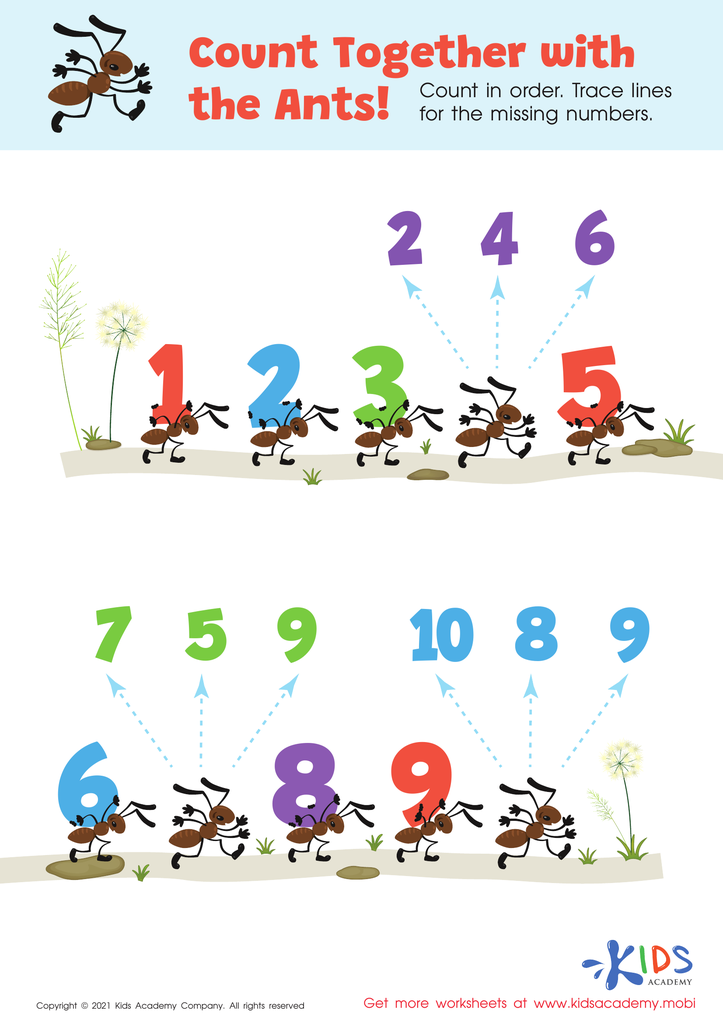
Count Together with the Ants Worksheet
Rather than letting kids get too deep in online games, keep them engaged with learning worksheets. Ask them to identify the insect in the picture, then count the ants. Help them trace lines to the missing numbers. It's simple and straightforward for young children to comprehend.
Count Together with the Ants Worksheet
Worksheet
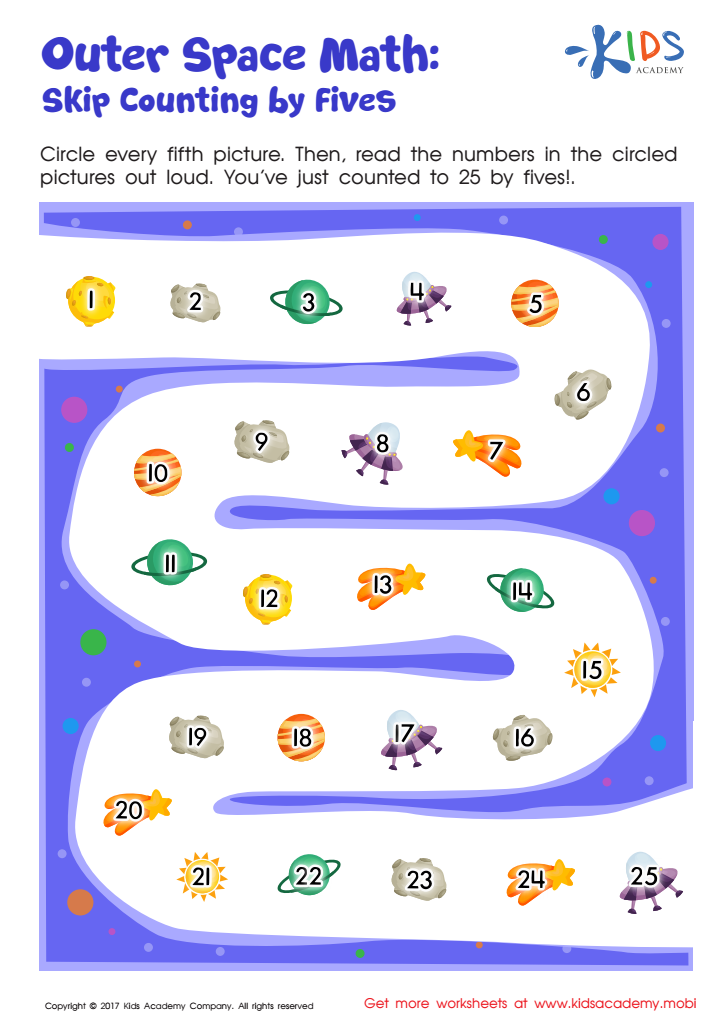
Skip Counting by 5s: Outer Space Math Printable
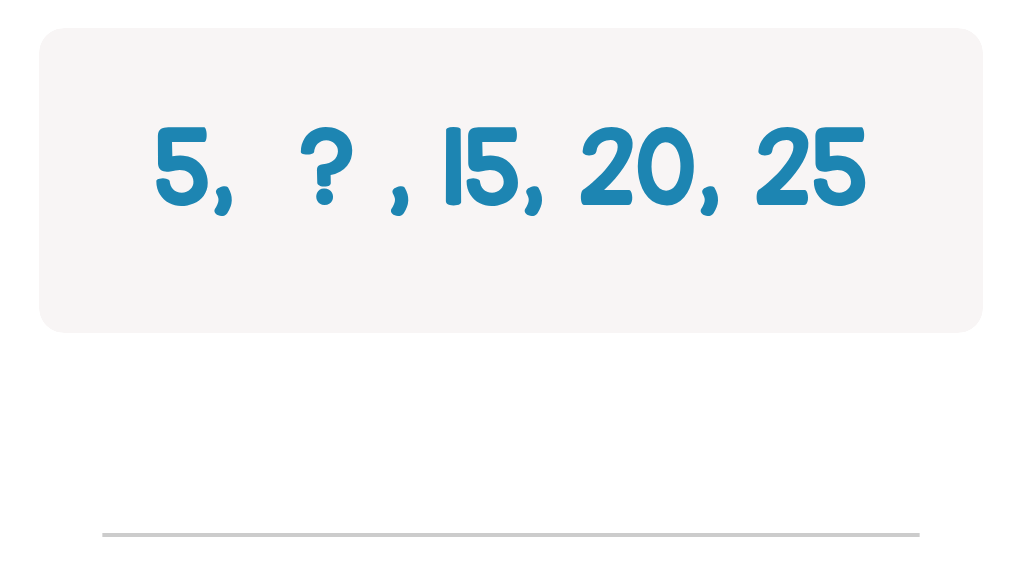
Let your kid learn skip counting by fives with this fun space-themed worksheet! With simple instructions, cute graphics, and an independent approach, your child will have a blast and gain a key skill for math success. Counting answers and learning numeracy, they'll sharpen cognitive and problem solving skills while having fun! A great way to introduce skip counting, they'll discover the concept through minimal assistance. Blast off!
Skip Counting by 5s: Outer Space Math Printable
Worksheet
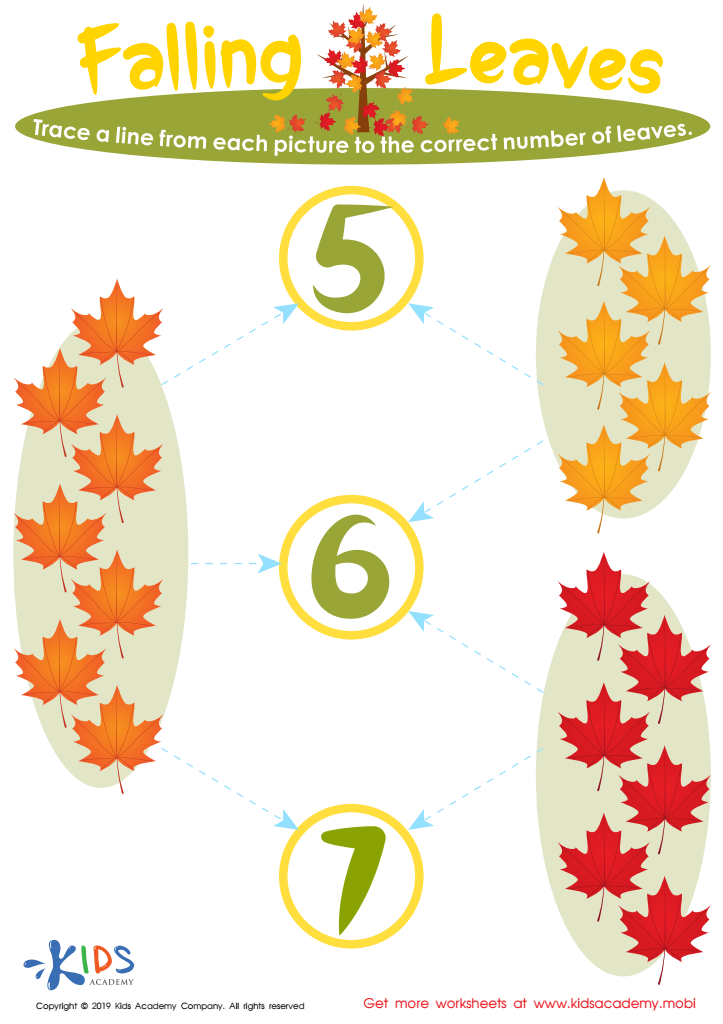
Falling Leaves Worksheet
Do your kids know the seasons? Ask them to name each one, then test their counting skills with a fun worksheet. Have them count from 1 to 10, then trace a line from each picture to the corresponding number of leaves. It's a great way to check their counting ability!
Falling Leaves Worksheet
Worksheet
Join Kids Academy for Free
Who is primarily going to use this learning content?




%20(1).jpg)



Addition practice and counting are essential foundational skills for children ages 3-9, making it crucial for parents and teachers to prioritize these activities. First, engaging in addition practice fosters a solid understanding of numbers and mathematical concepts, laying the groundwork for future learning. Children within this age range are at a prime developmental stage where they can grasp fundamental arithmetic ideas, enhancing their cognitive skills and ability to think abstractly.
Additionally, counting and addition activities help improve children’s problem-solving skills, critical thinking, and resilience. Regular practice promotes mental agility and encourages a positive attitude towards math; often a subject where many students face anxiety as they progress. Furthermore, incorporating counting and addition into everyday activities, such as cooking or playing games, makes learning enjoyable and relevant to real-life situations.
Moreover, early mastery of these skills boosts children's confidence, making them more willing to tackle complex mathematical problems later on. By fostering a supportive learning environment at home and in school that emphasizes addition practice, adults can significantly reduce math-related apprehension and inspire a lifelong love for learning, ultimately leading to greater academic success and numeracy skills as children grow.








