Basic counting skills Geometry Worksheets for Ages 3-9
3 filtered results
-
From - To
Unlock your child's potential with our Basic Counting Skills Geometry Worksheets, designed specifically for ages 3-9! These engaging and interactive worksheets seamlessly blend foundational counting skills with essential geometric concepts. With colorful visuals and child-friendly activities, kids will explore shapes, patterns, and spatial relationships while enhancing their counting abilities. Our thoughtfully crafted exercises cater to different learning styles, ensuring that every child can master these important skills at their own pace. Perfect for home learning or classroom use, our worksheets make math fun and intuitive. Start your child's mathematical journey today and watch them thrive in both counting and geometry!
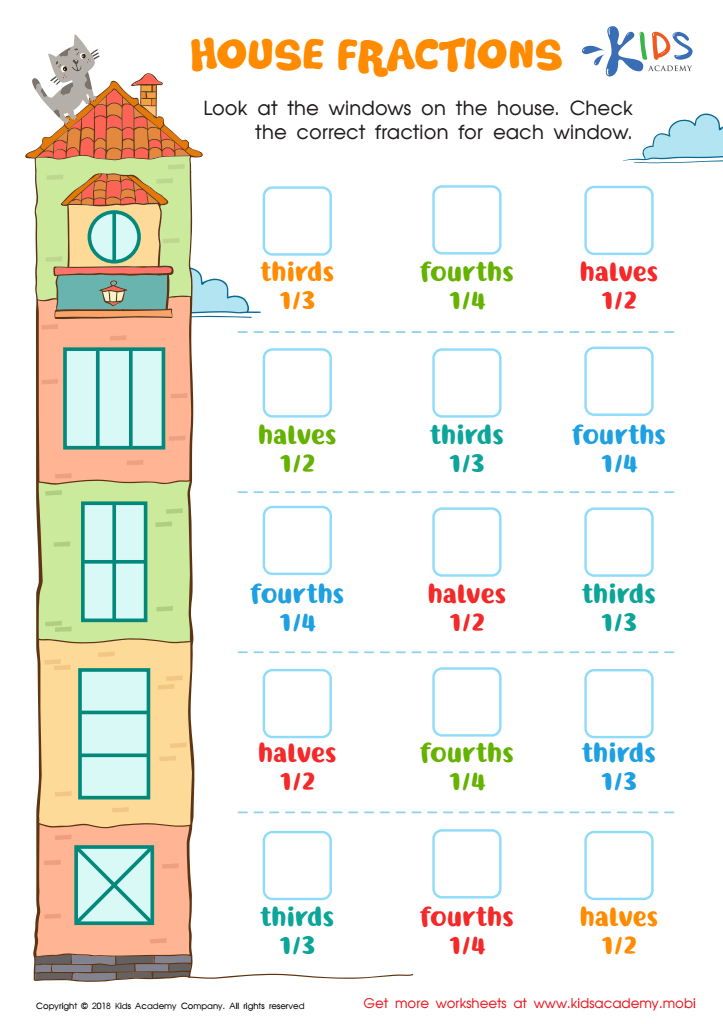
House Fractions Worksheet
 Assign to My Students











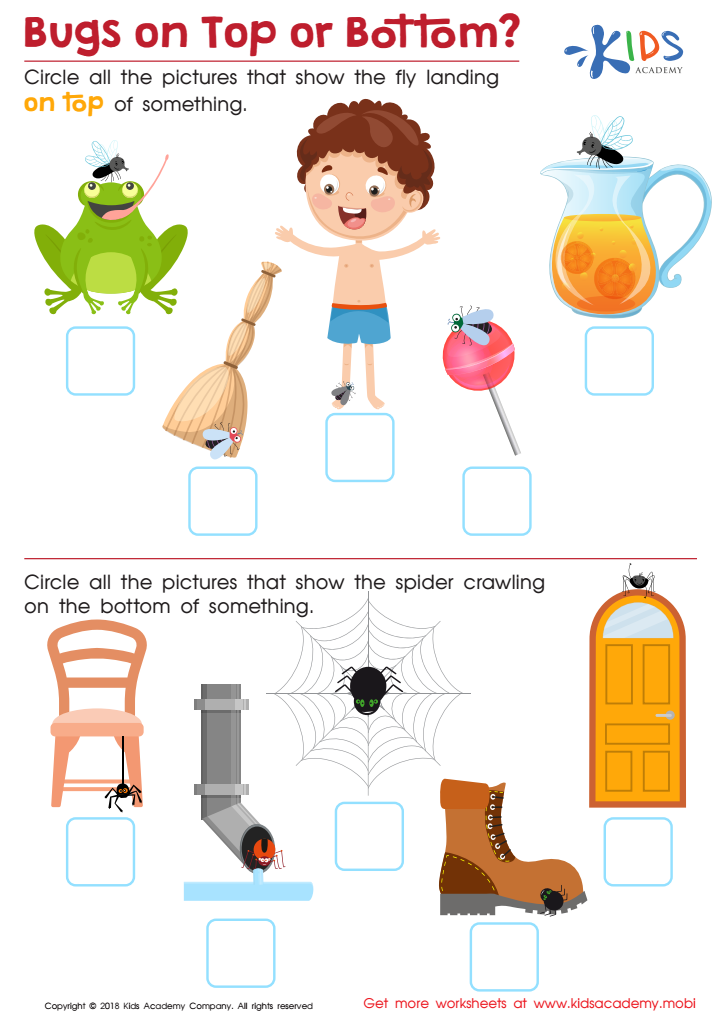
Bugs on Top or Bottom? Worksheet
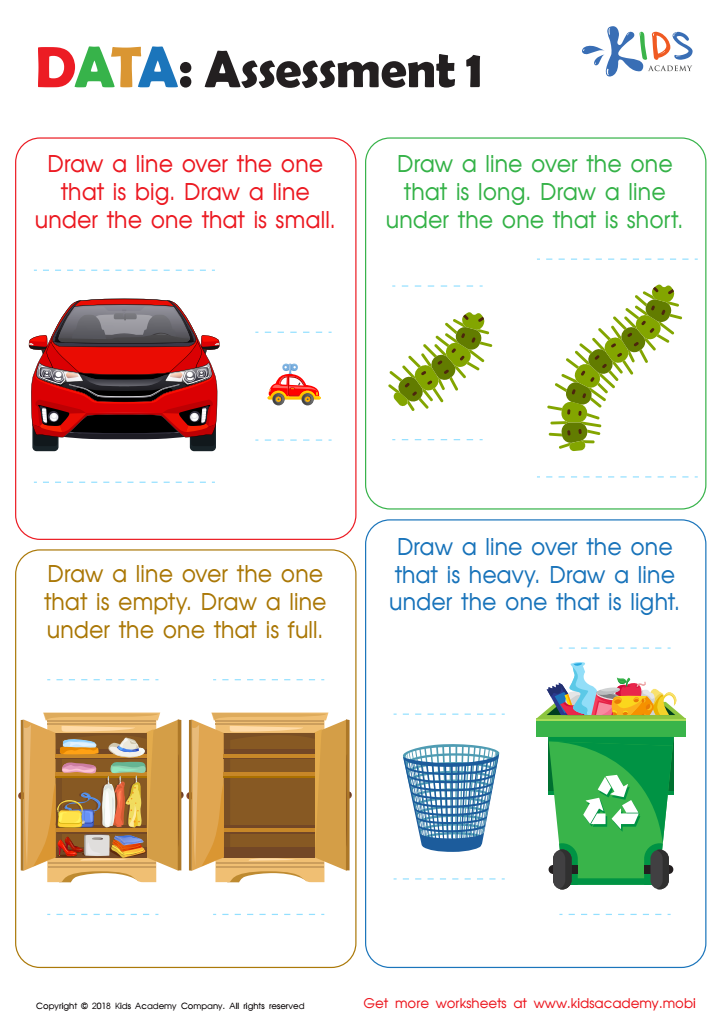
Data: Assessment 1 Worksheet








Basic counting skills and an understanding of geometry are foundational elements in early childhood education that significantly influence a child's cognitive development. For children aged 3-9, counting skills foster number recognition, one-to-one correspondence, and an understanding of quantities. These skills are crucial not just for math but also for problem-solving and critical thinking later in life.
Geometry introduces children to shapes, spatial relationships, and visual reasoning. Recognizing geometric shapes lays the groundwork for more advanced mathematical concepts and promotes children's ability to visualize and interpret the world around them. Understanding geometry also supports skills in art, construction, and even science, as children combine creativity with analytical thinking.
Furthermore, these skills are integrated into everyday life. Counted objects like blocks or snacks enhance practical counting experiences, while identifying shapes in the environment cultivates observation skills. Parents and teachers play a pivotal role in nurturing these abilities through playful activities, interactive lessons, and real-life examples. Supporting early counting and geometry not only prepares children for academic success but also builds confidence and enthusiasm towards math and learning, setting a strong foundation for lifelong skills.








