Hand-eye Coordination Numbers Worksheets for Ages 3-9 - Page 2
27 filtered results
-
From - To
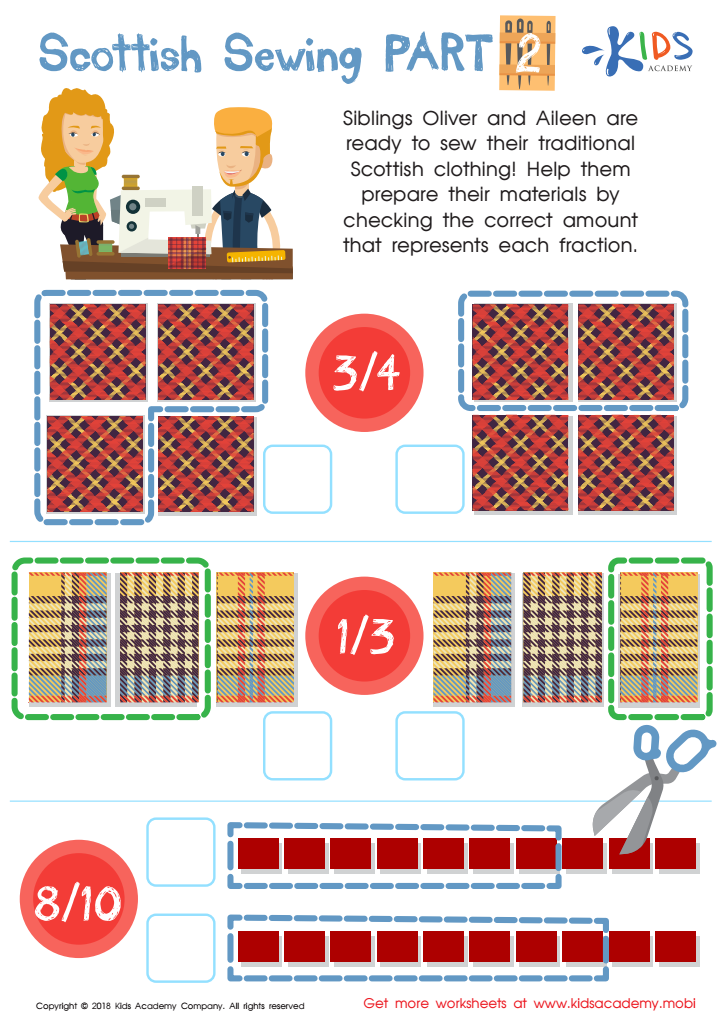
Scottish Sewing Part 2 Worksheet
 Assign to My Students
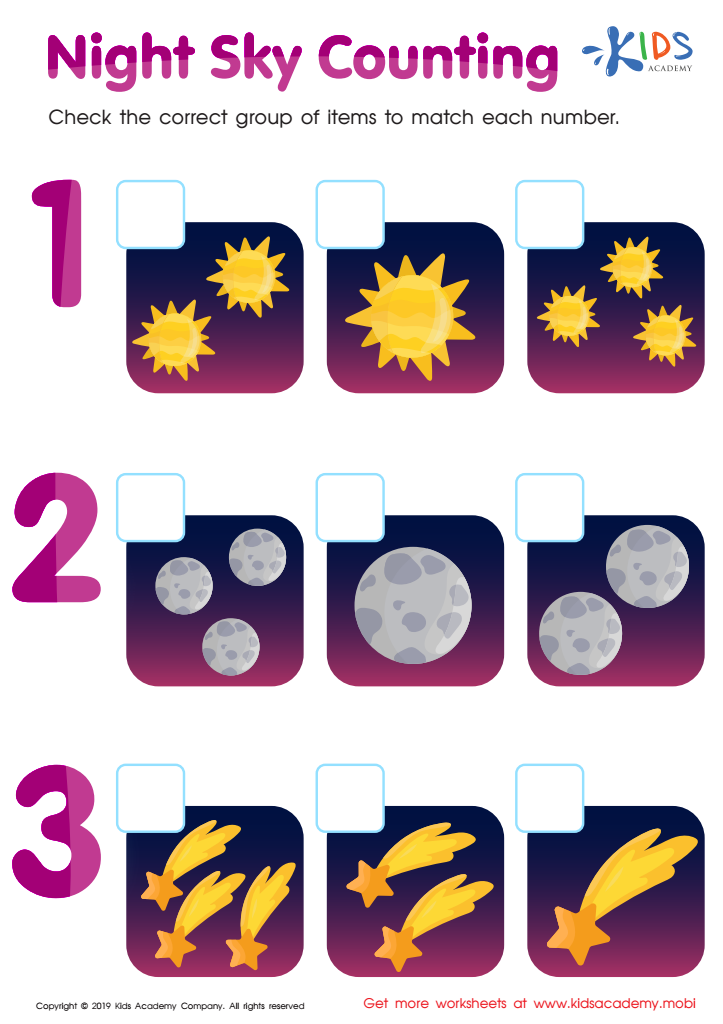
Night Sky Counting Worksheet
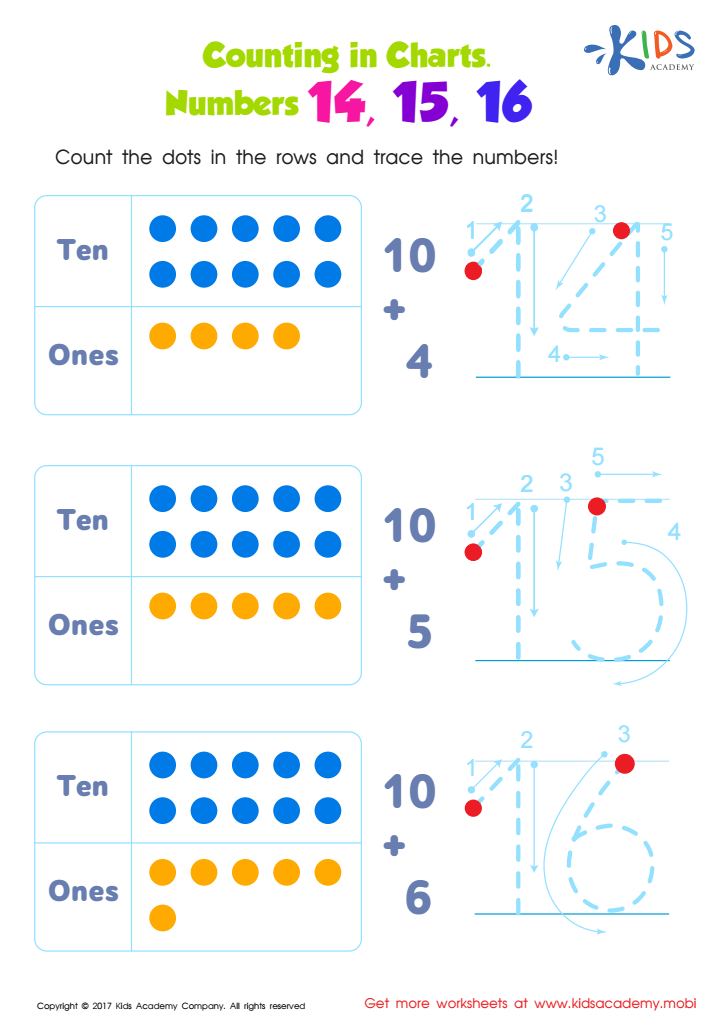
Number Tracing Worksheet





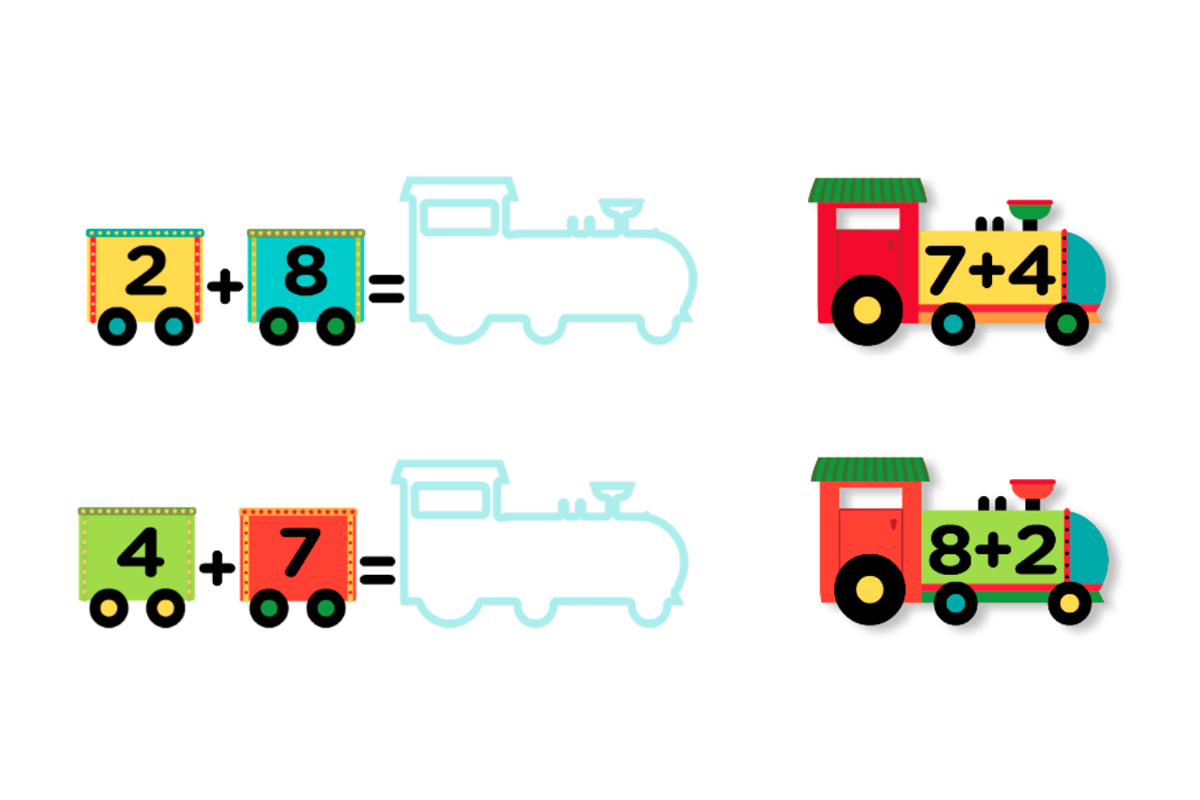


Hand-eye coordination is an essential skill for young children, particularly those between the ages of 3 and 9. This developmental milestone aligns vision with hand movements, enabling children to complete various tasks effectively and efficiently. For parents and teachers, prioritizing exercises that enhance hand-eye coordination offers numerous benefits.
First, hand-eye coordination fosters academic success. Writing, drawing, and cutting activities in school require precise hand movements that are guided by visual cues. Strengthening this coordination lays the groundwork for excellent fine motor skills, contributing to a smoother learning experience.
Second, improved hand-eye coordination supports physical development and sports participation. Catching a ball, riding a bicycle, or mastering playground equipment depends on the seamless interaction between what children see and what their hands do. These activities are not only crucial for physical health but also for building confidence and teamwork skills.
Lastly, facilitating hand-eye coordination exercises contributes to cognitive growth. Puzzles, building blocks, and other dexterously challenging activities foster problem-solving abilities, spatial awareness, and timing.
Supporting the development of hand-eye coordination naturally encourages holistic growth, preparing children for academic, physical, and cognitive achievements. Prioritizing this skill set offers children a robust foundation, setting them up for success both inside and outside the classroom.








