Money recognition Numbers Worksheets for Ages 3-9
3 filtered results
-
From - To
Introduce your child to the exciting world of money with our comprehensive "Money Recognition Numbers Worksheets for Ages 3-9.” Designed to make learning fun, these worksheets help young learners grasp the basics of identifying coins and bills while enhancing their number recognition skills. Our engaging activities include matching exercises, counting games, and simple addition and subtraction problems featuring real-world currency scenarios. Perfect for both homeschooling and classroom settings, these worksheets empower kids with essential financial literacy skills in an enjoyable way. Kickstart your child's journey towards math and money management proficiency today!
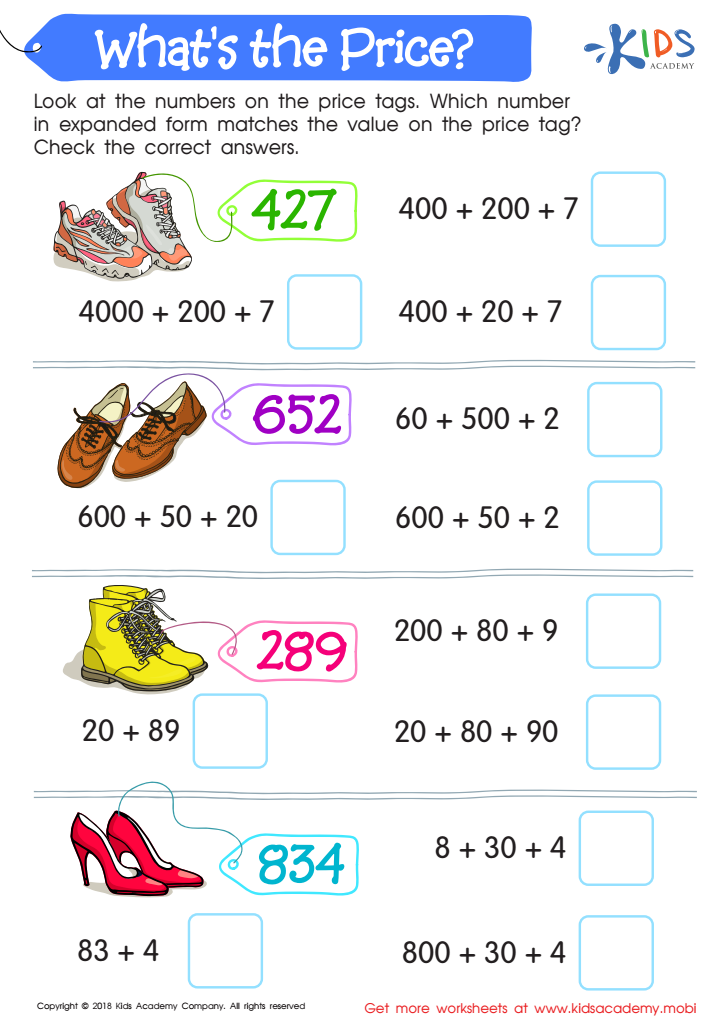
What's the Price? Worksheet
 Assign to My Students
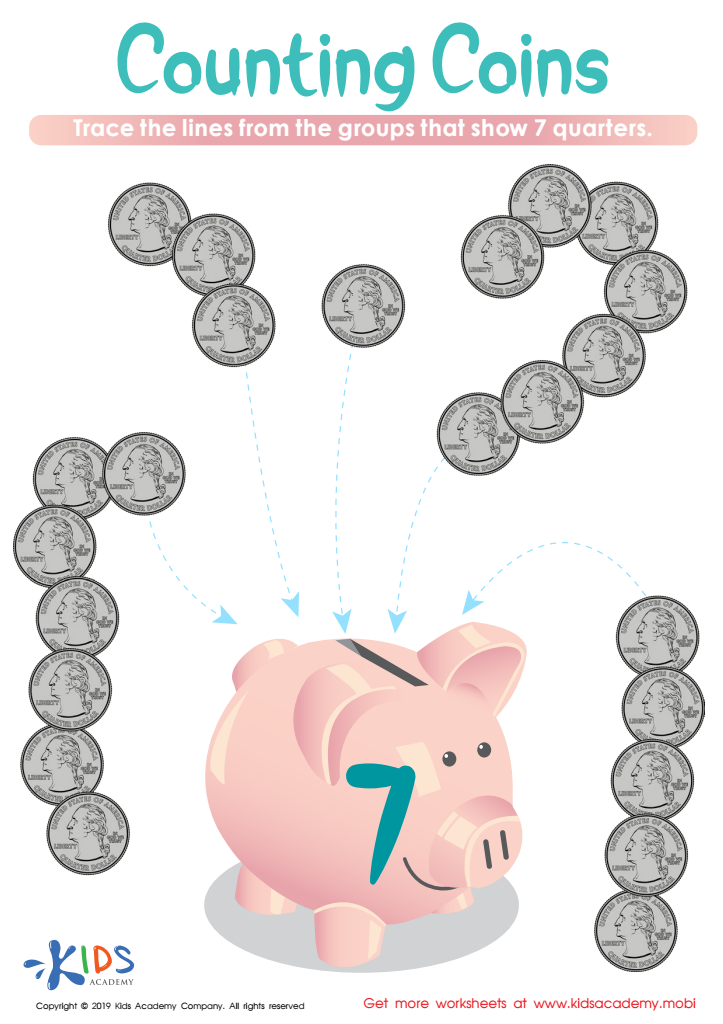
Counting Coins Worksheet
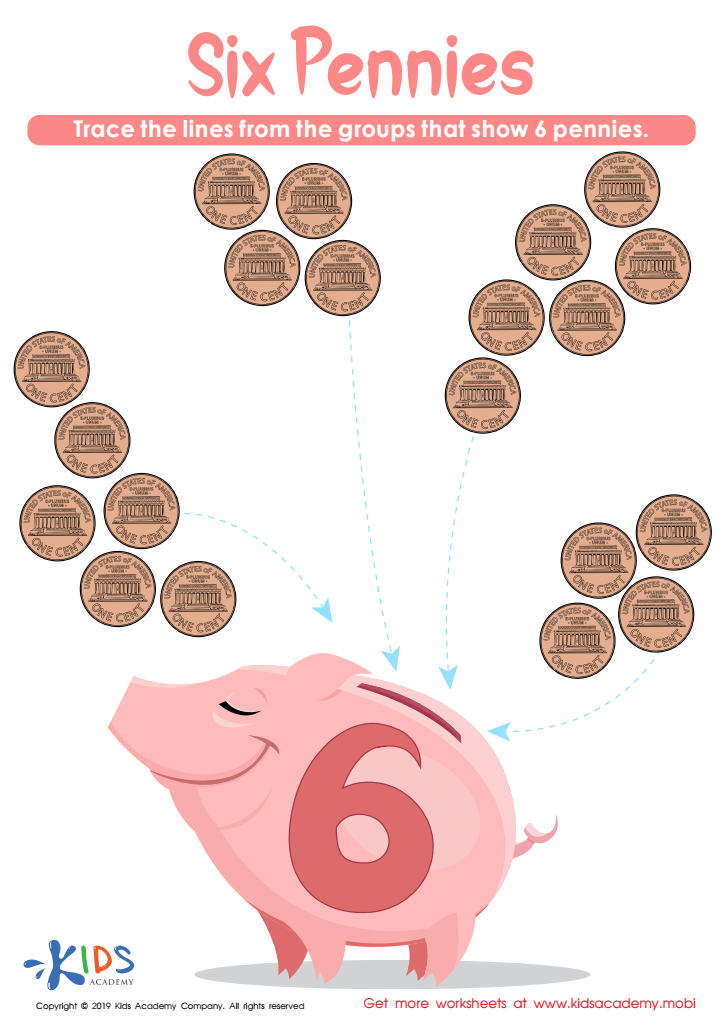
Six Pennies Worksheet


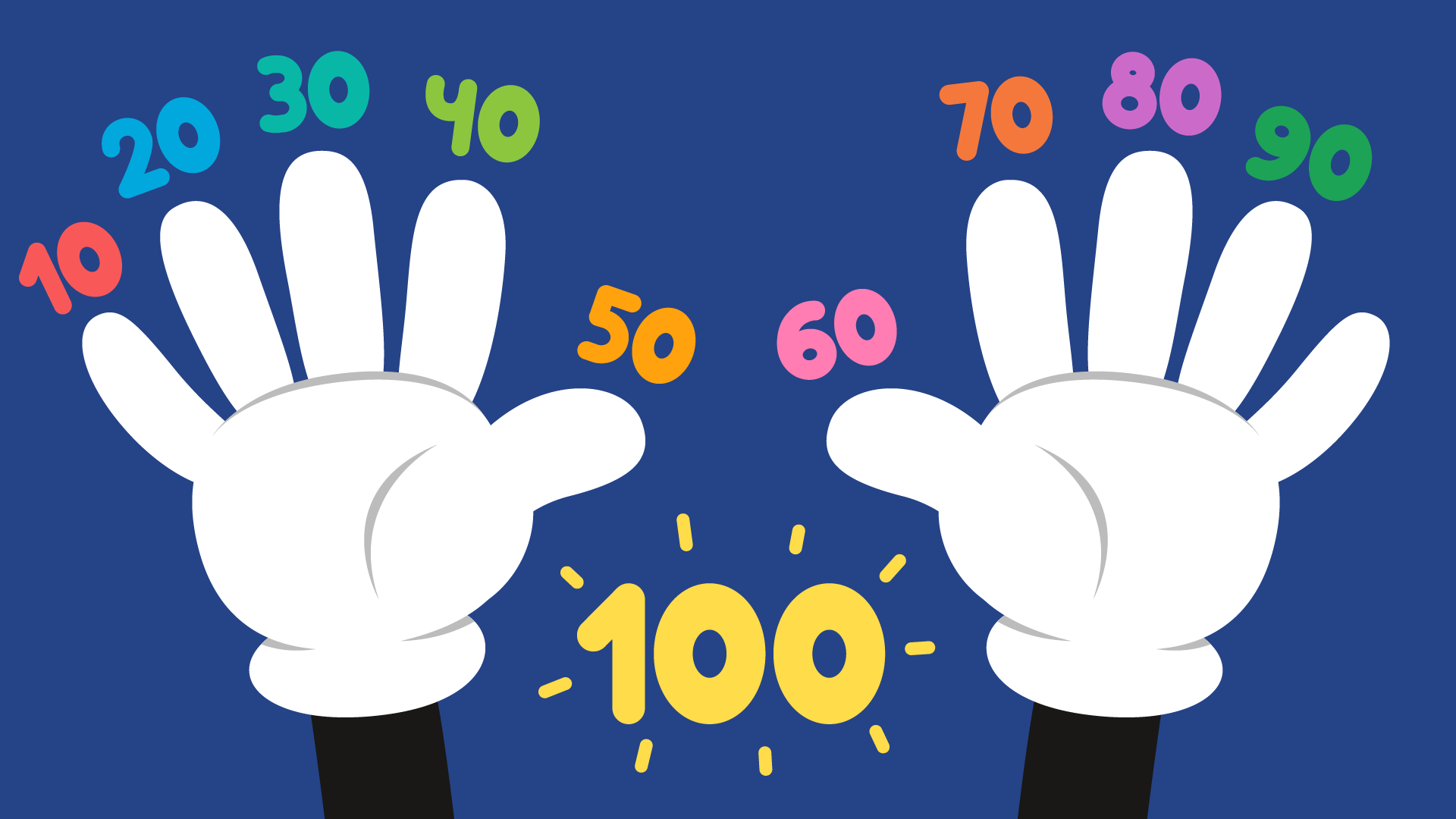




Understanding money recognition is a critical foundational skill for young children between the ages of 3-9. Parents and teachers should prioritize this aspect of education for several reasons. Firstly, it enhances basic numeracy skills, enabling children to identify and differentiate between various denominations. This early acquaintance with numbers and values is crucial as it sets the stage for more complex mathematical concepts they will encounter later.
Secondly, recognizing and understanding money fosters financial literacy from a young age. Children learn the value of money, which can lead to better money management skills in the future. They begin to grasp concepts such as saving, spending, and even budgeting, laying the groundwork for responsible financial behavior.
Additionally, money recognition nurtures cognitive and social skills. For example, when children play "store" or deal with actual transactions, they practice decision-making, problem-solving, and social interactions.
Lastly, this skill is an integral part of everyday life. Whether making small purchases, receiving pocket money, or participating in communal activities at school, children who can confidently recognize and use money tend to develop better self-esteem and independence.
In summary, focusing on money recognition builds essential life skills, promotes cognitive development, and prepares children for real-world financial interactions.








