Basic Addition Skills Math Worksheets for Ages 3-9 - Page 3
286 filtered results
-
From - To
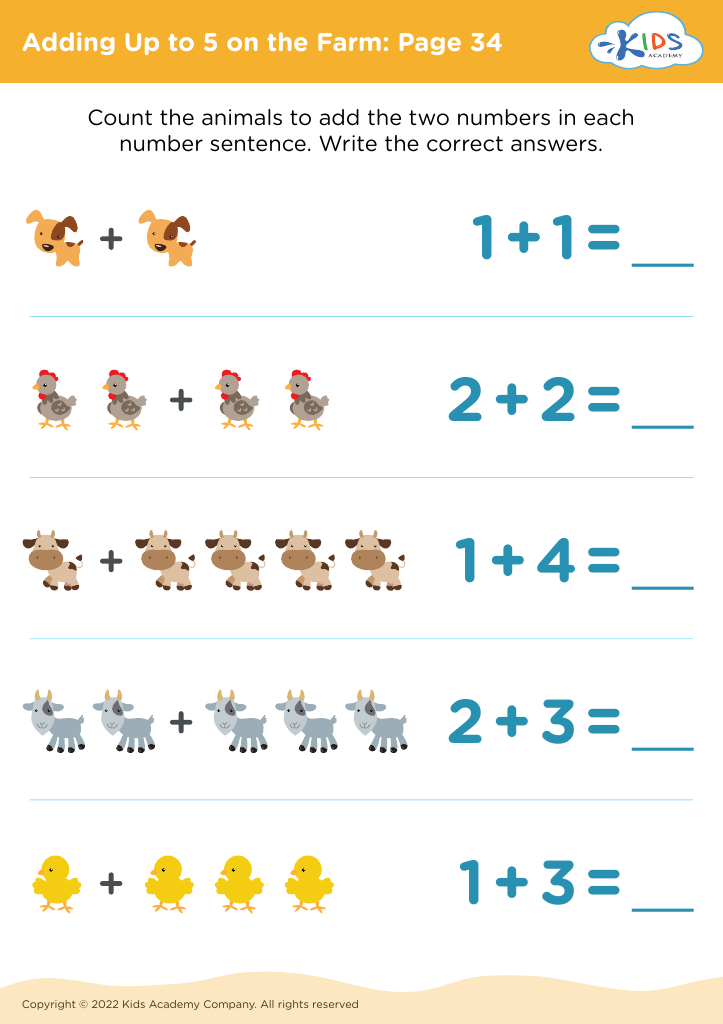
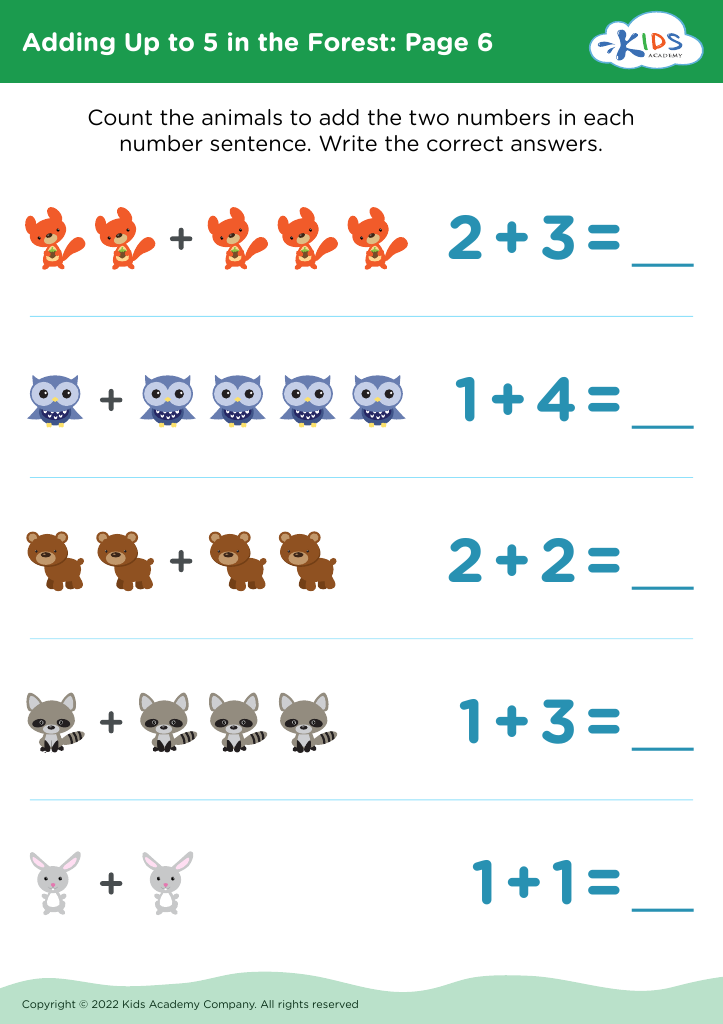
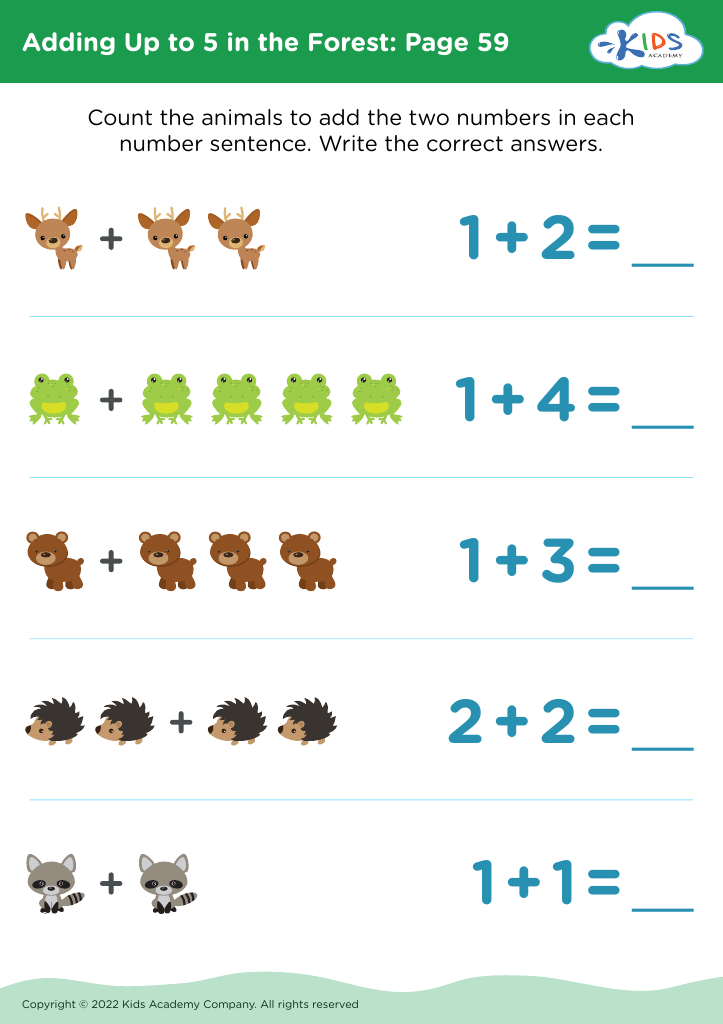
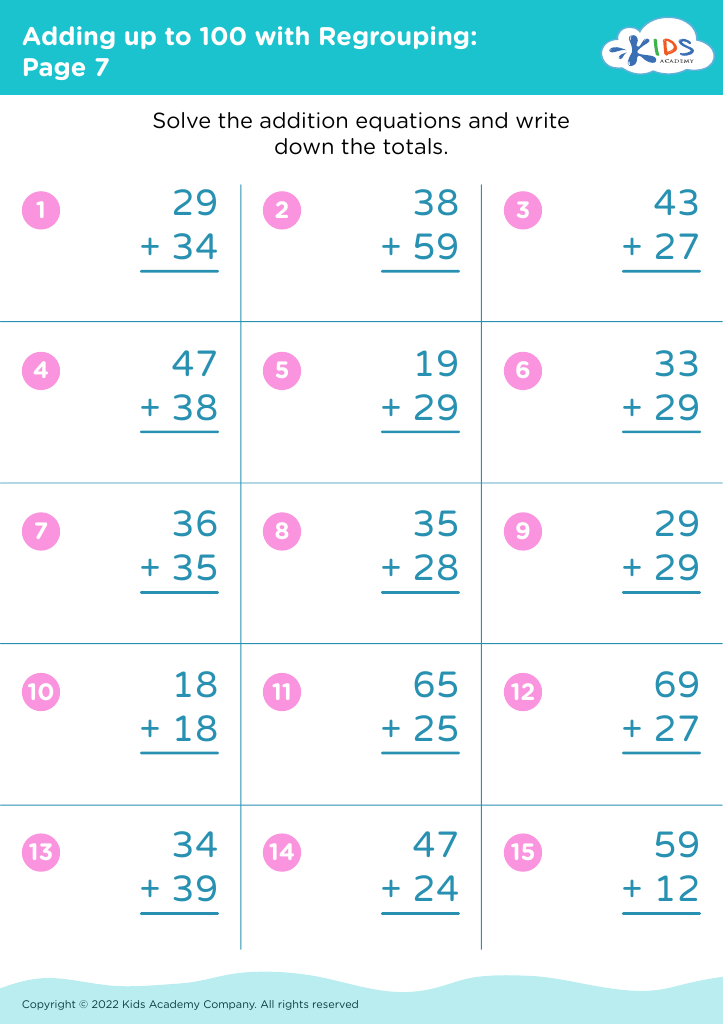
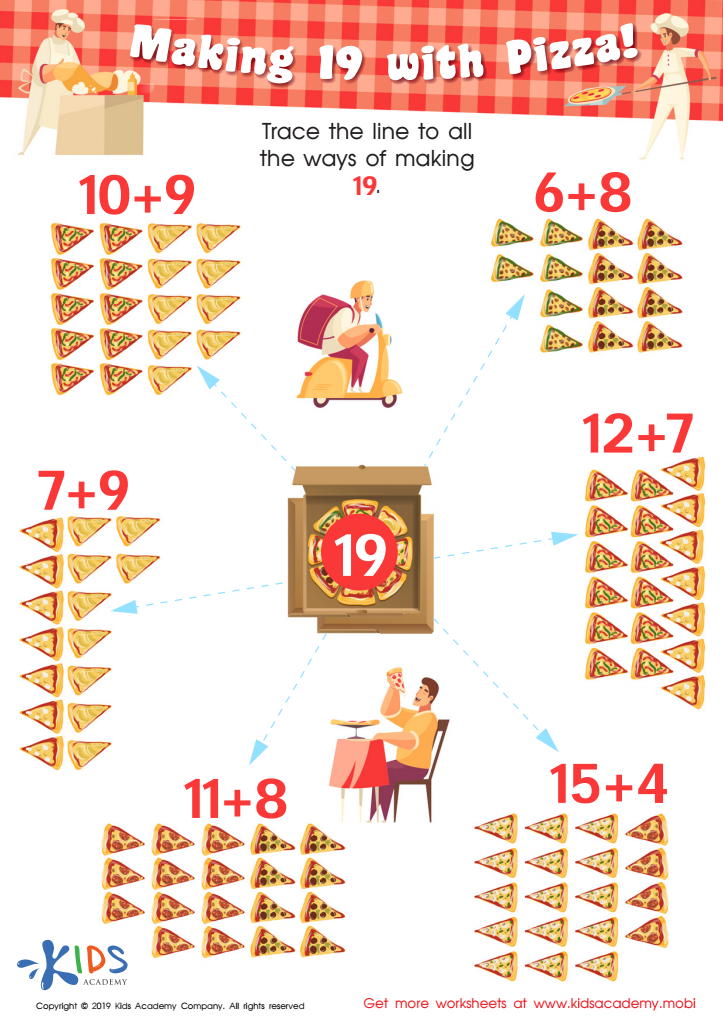
Making 19 with Pizza! Worksheet
 Assign to My Students
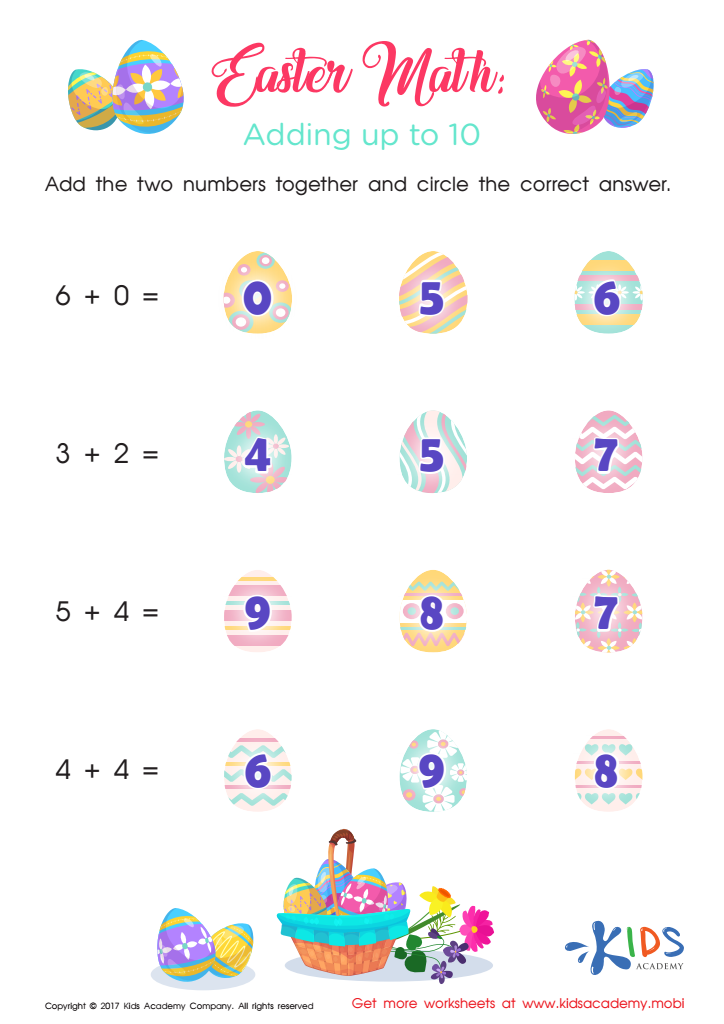
Addition Up To 10 Worksheet
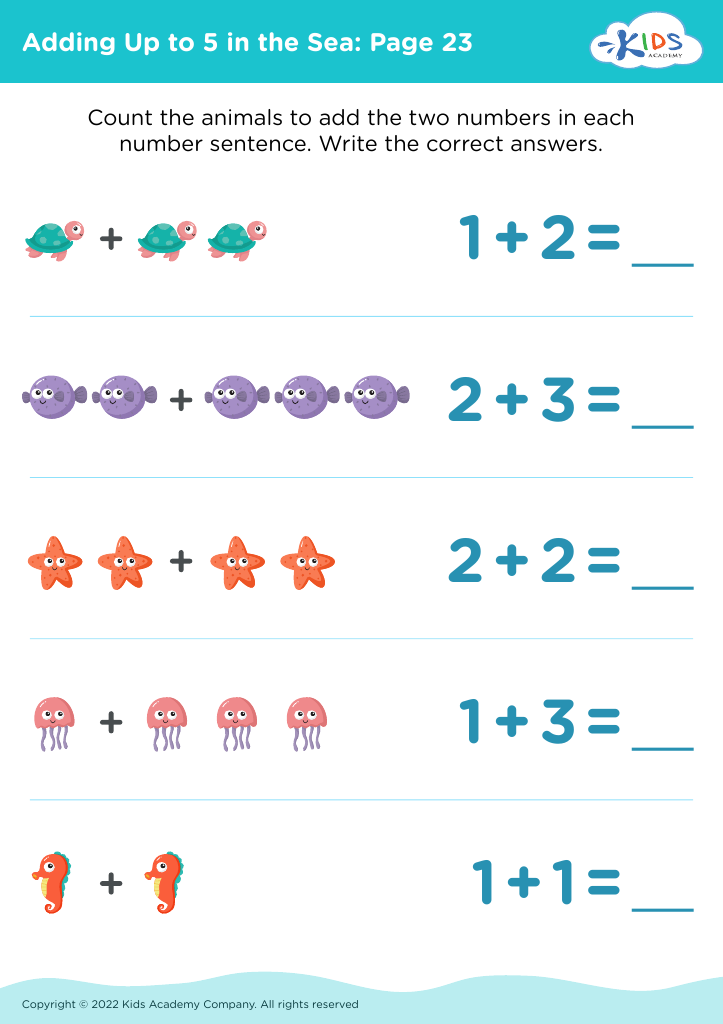
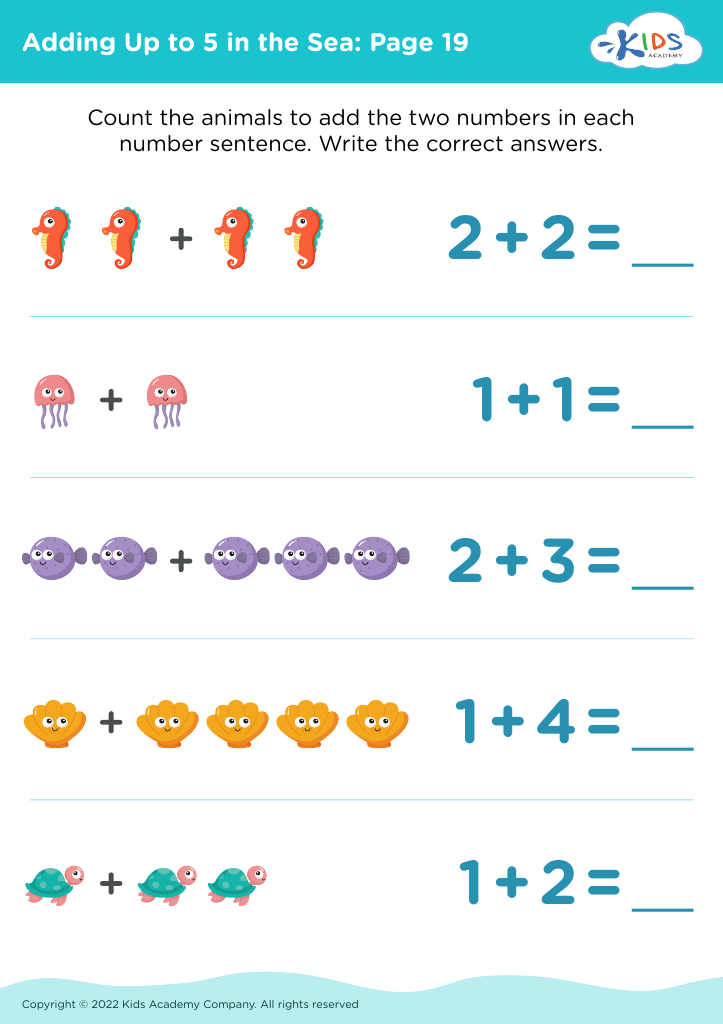
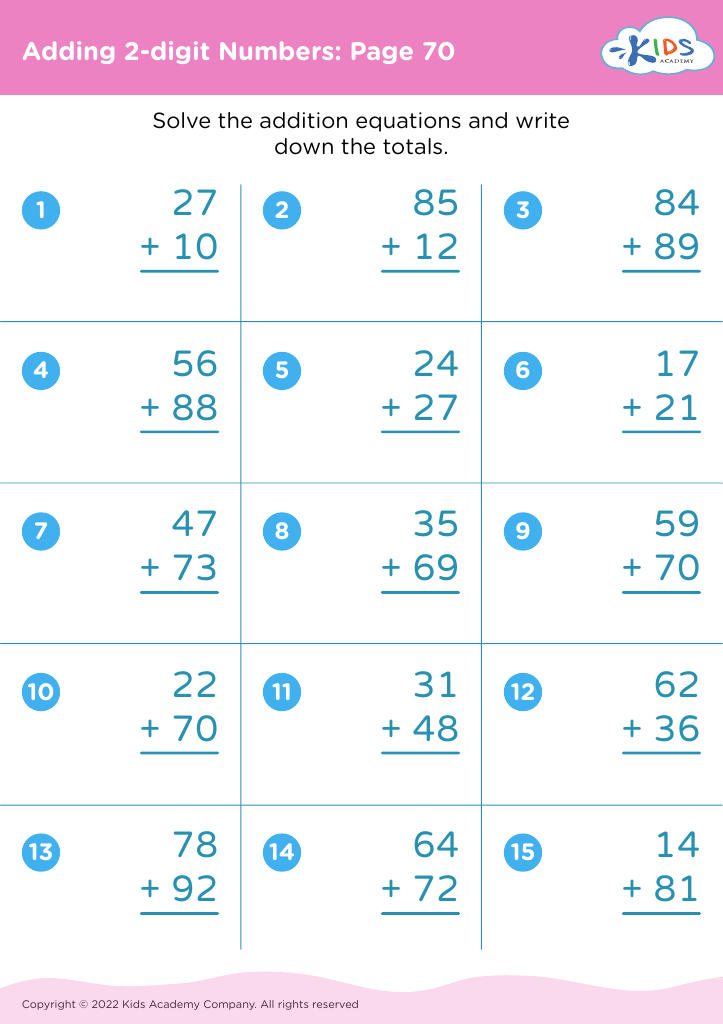
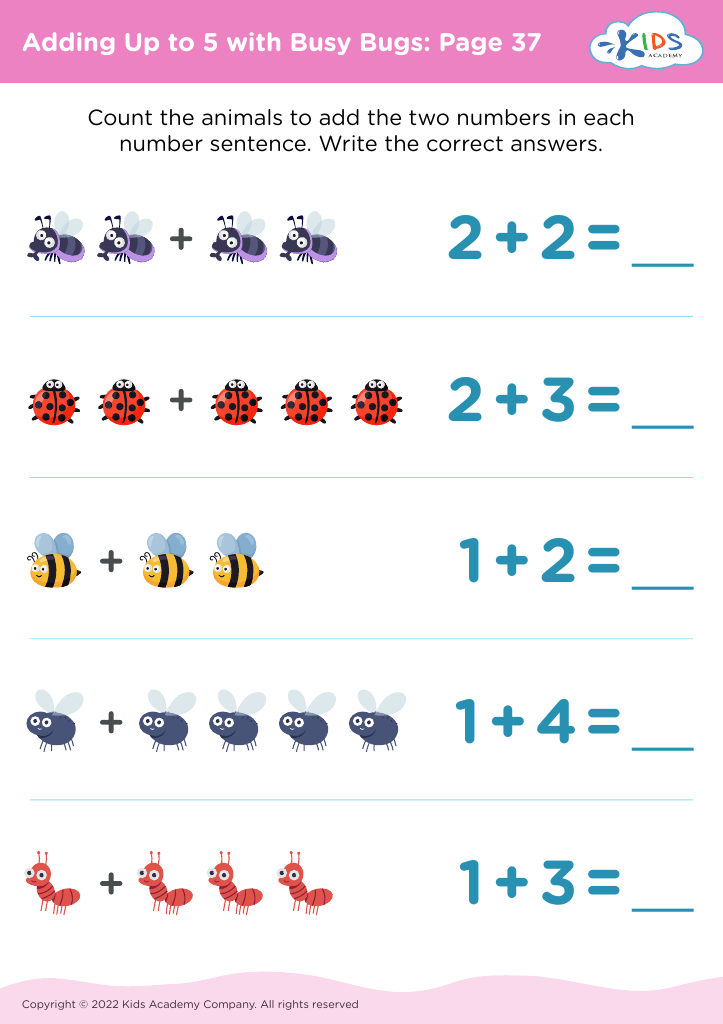
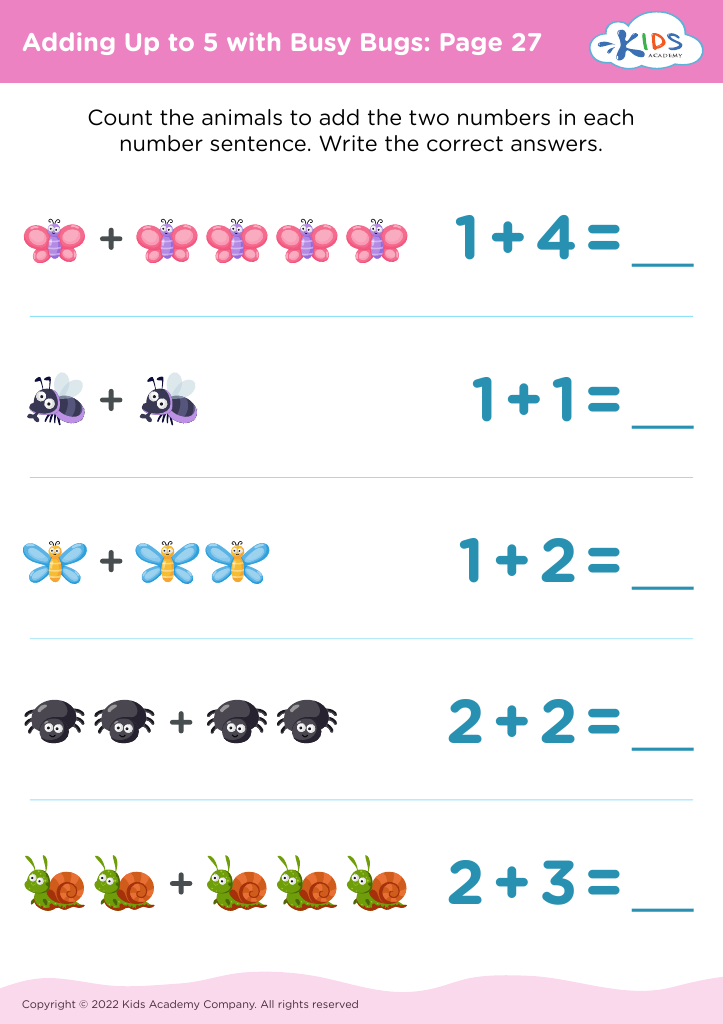
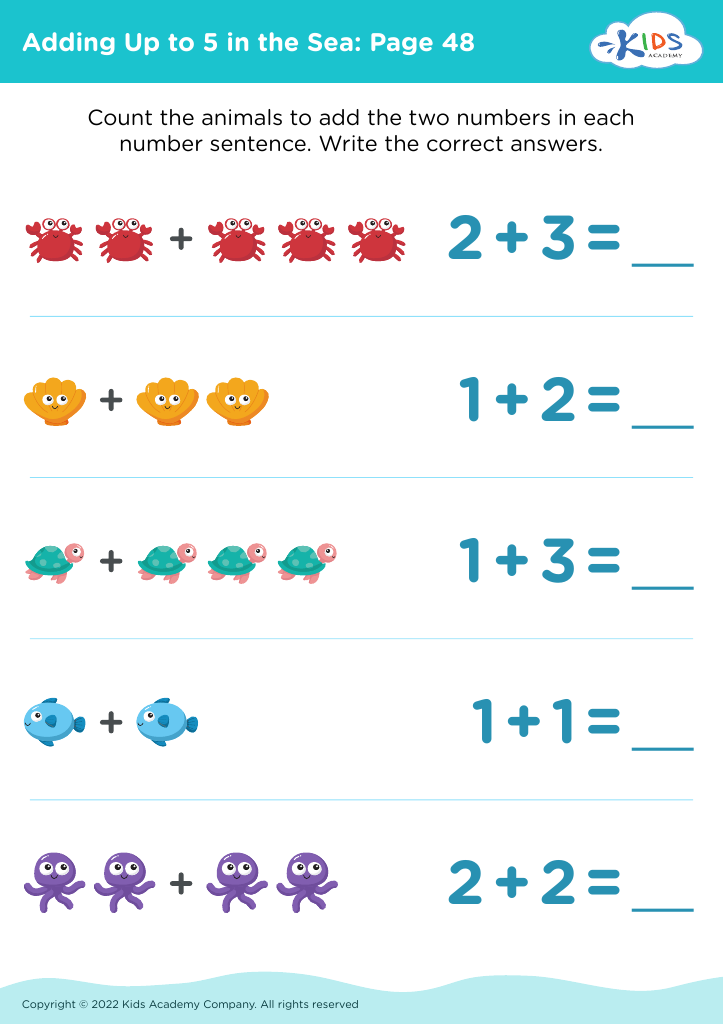
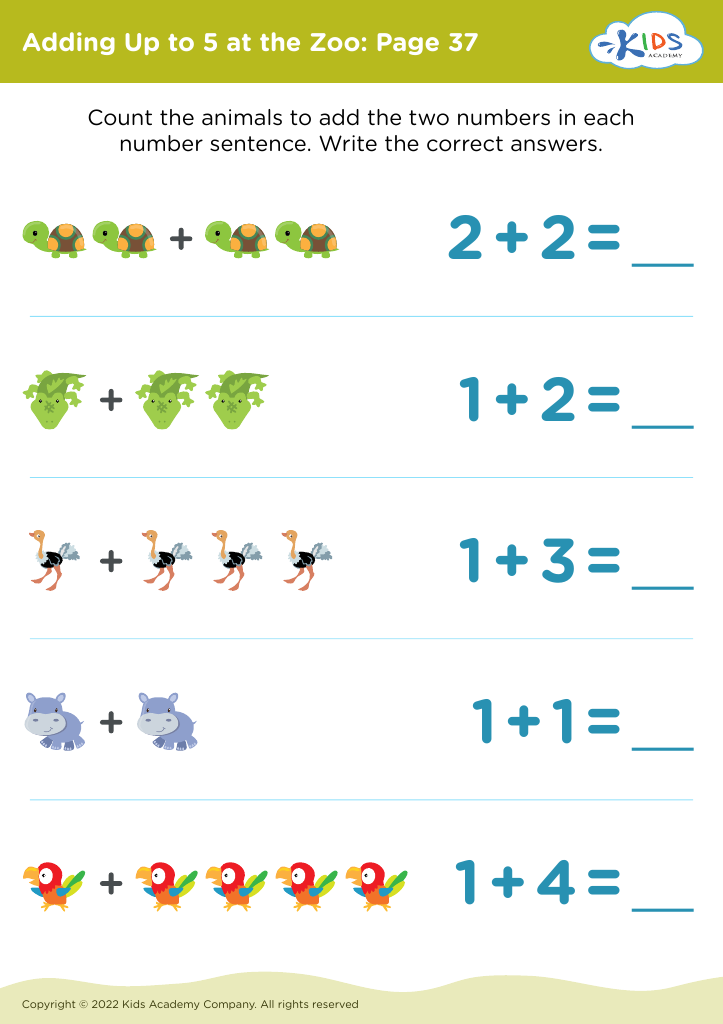
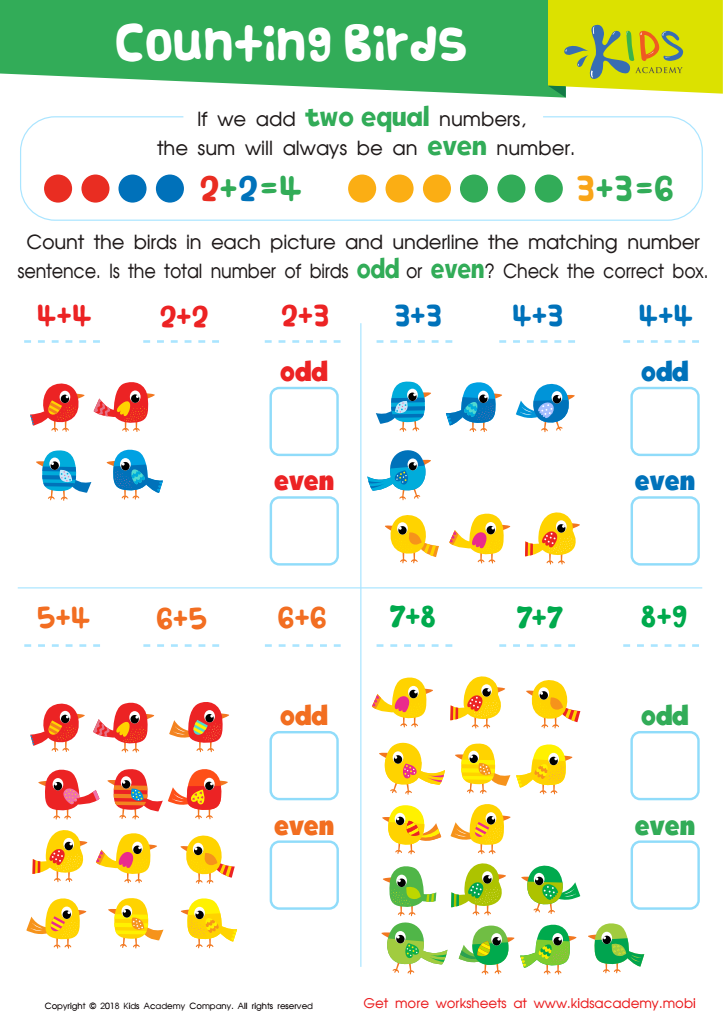
Counting Birds Worksheet
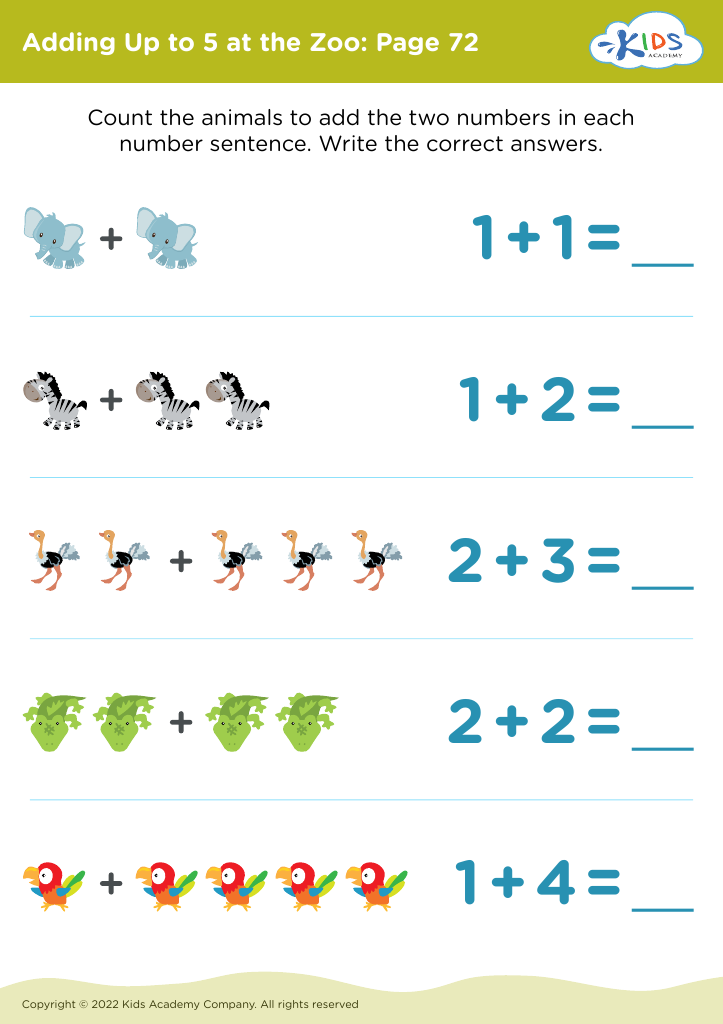
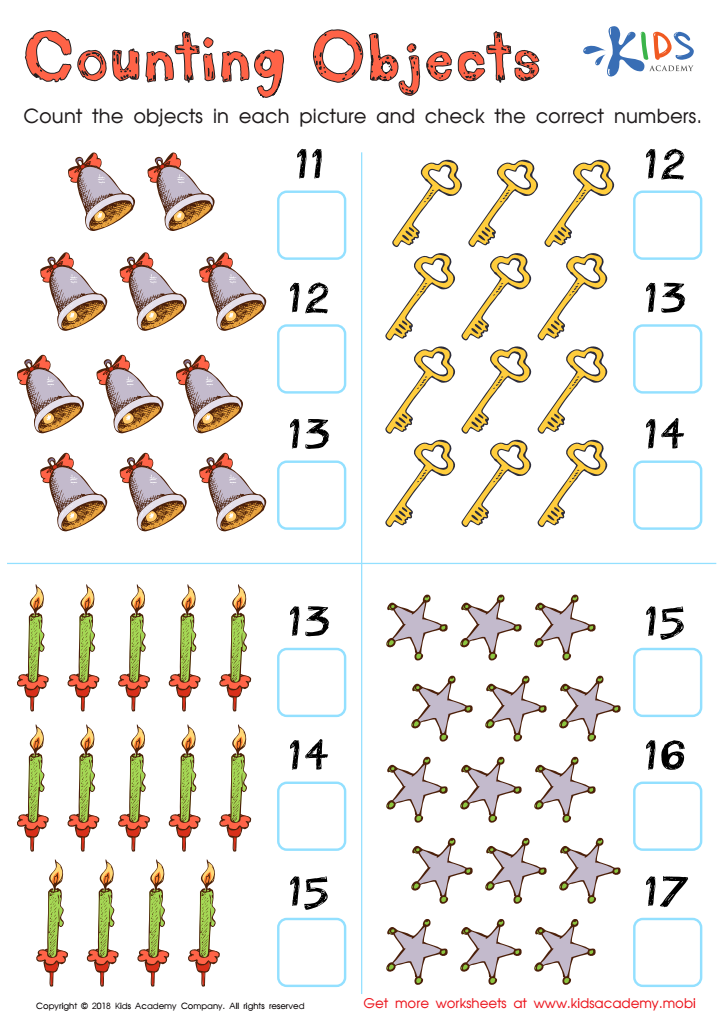
Counting Numbers Worksheet For Kindergarten
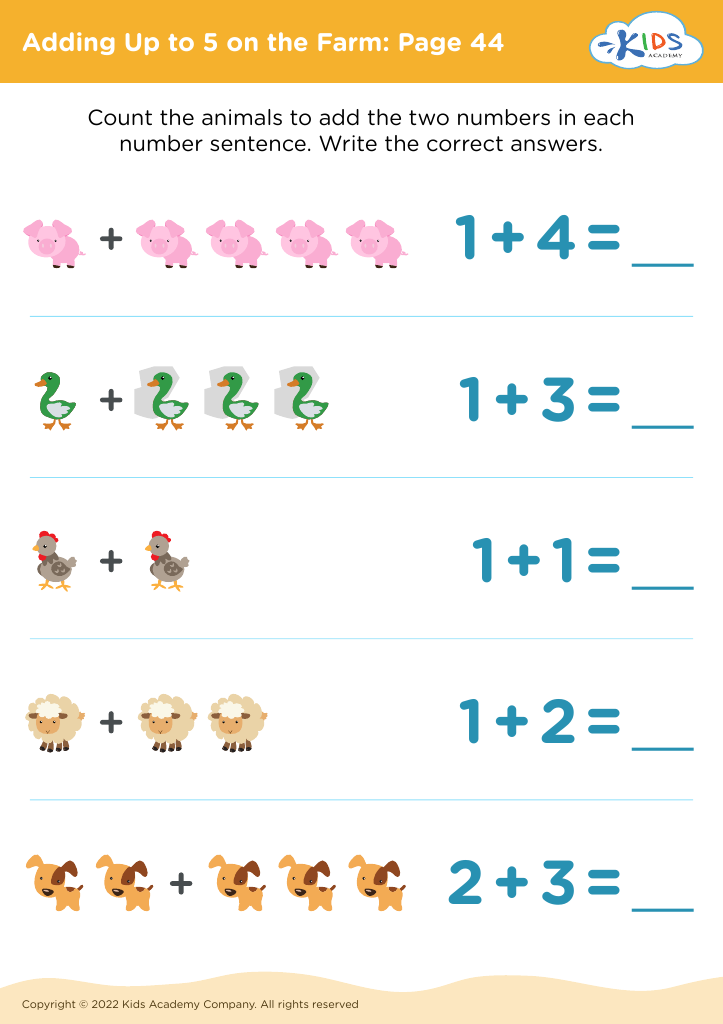
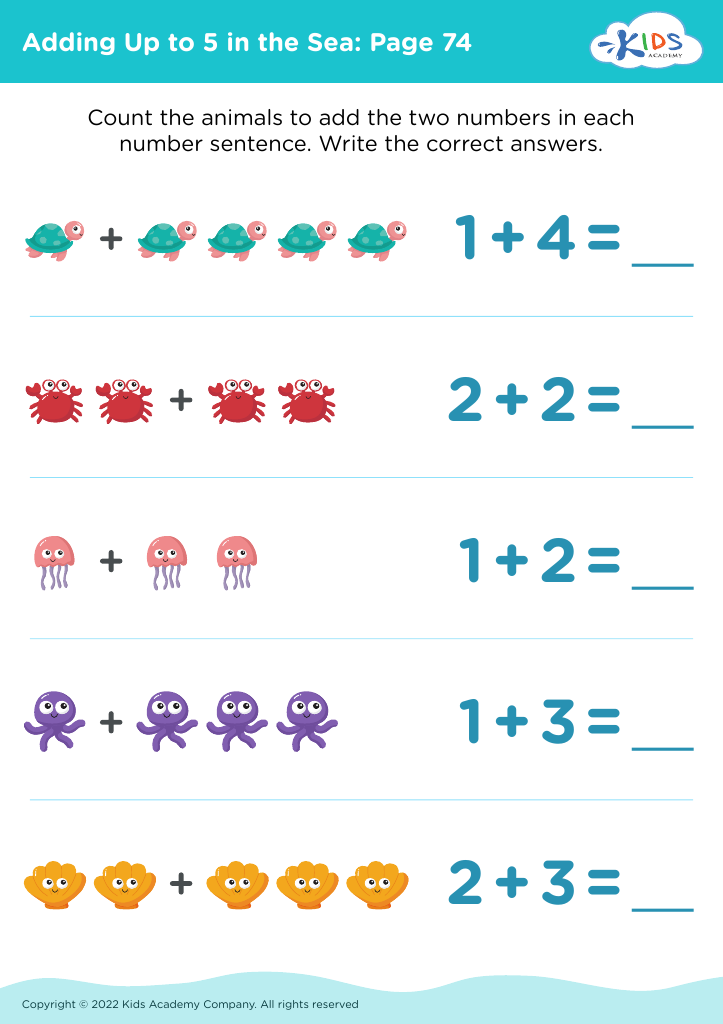
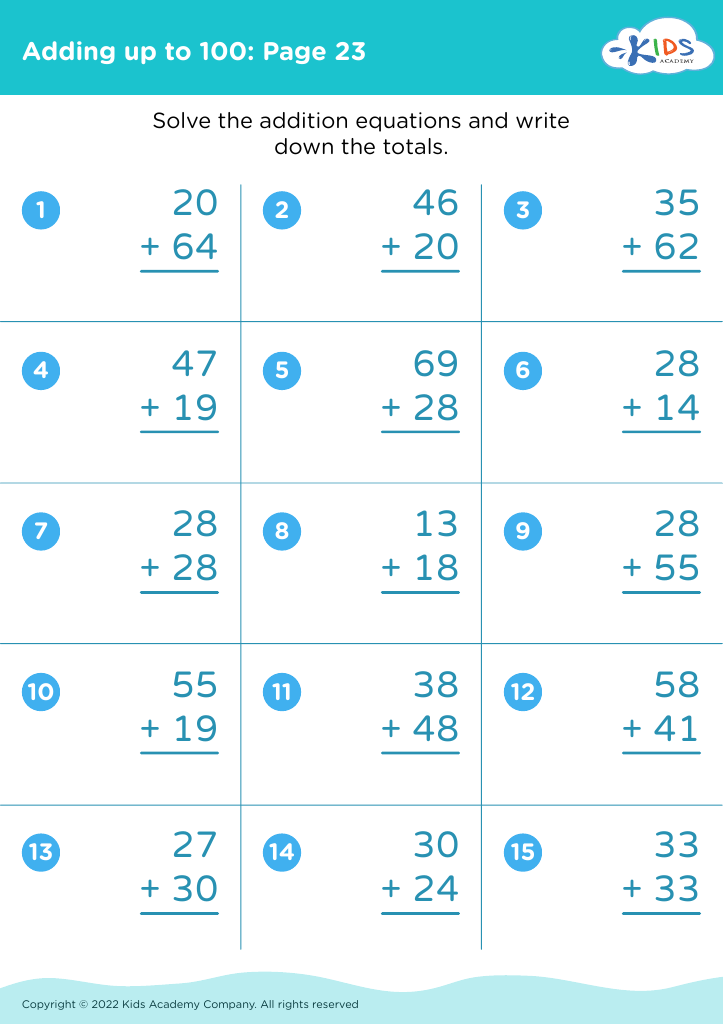
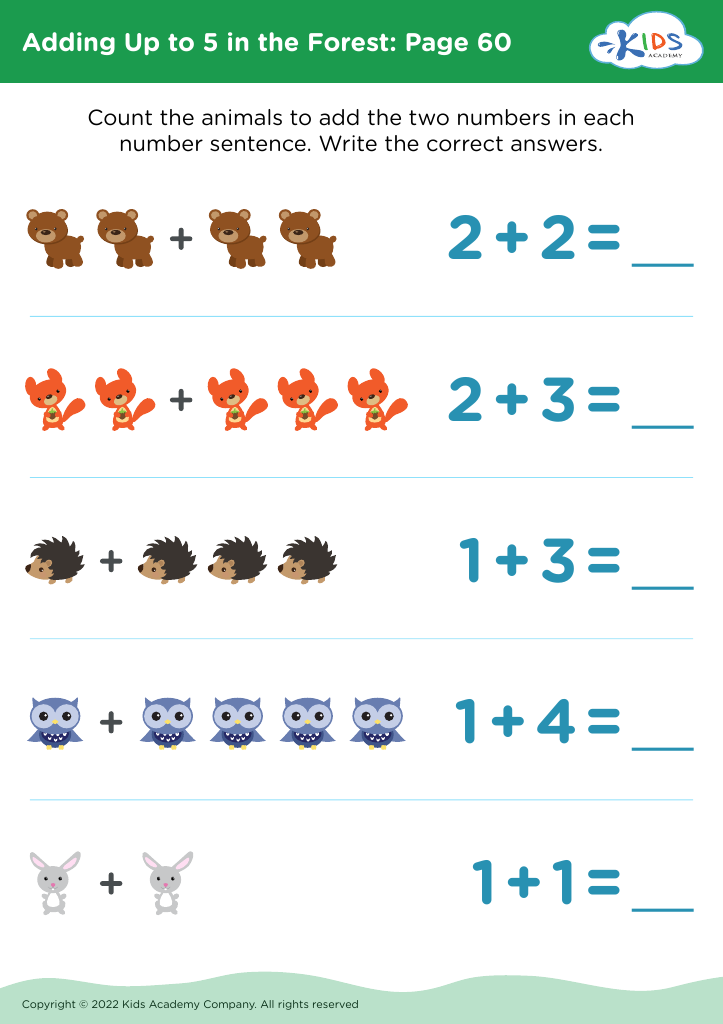
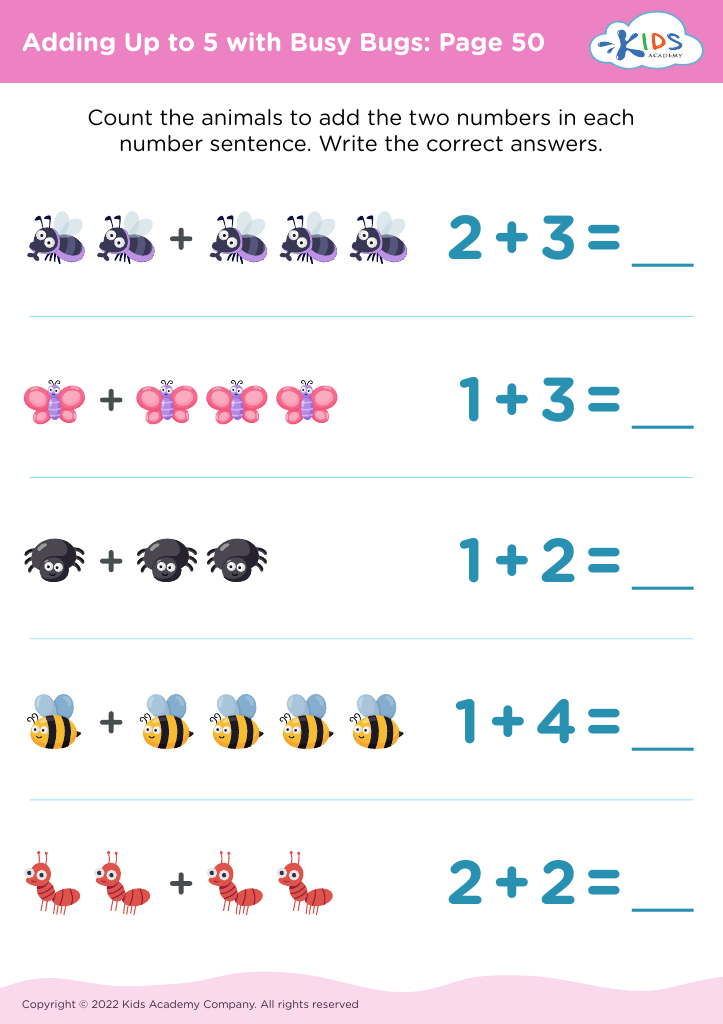
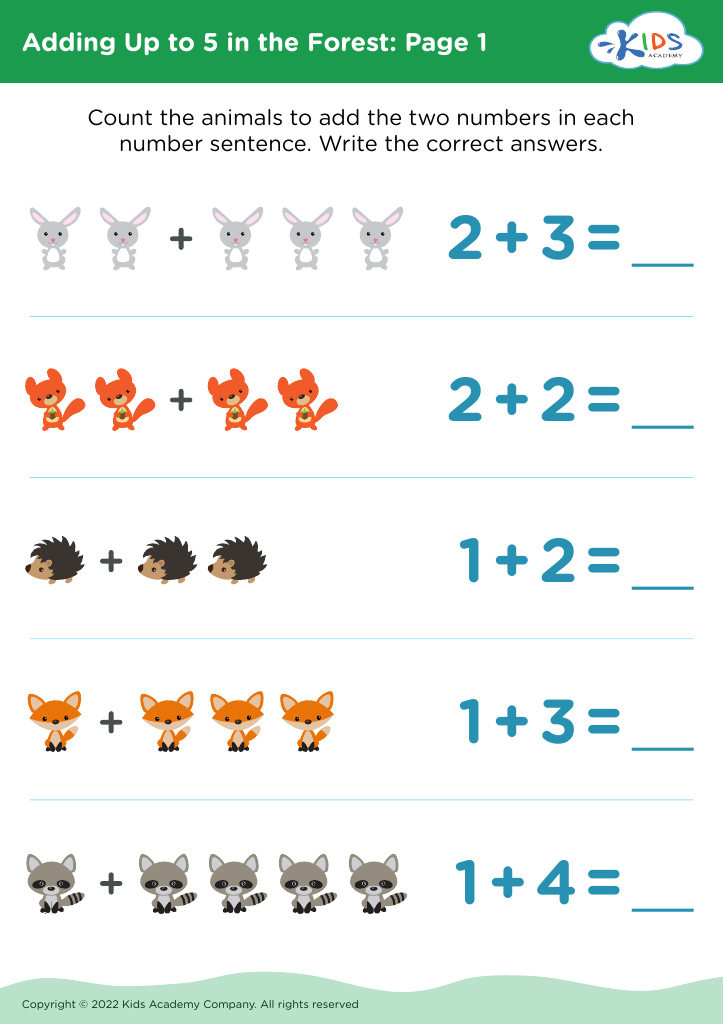
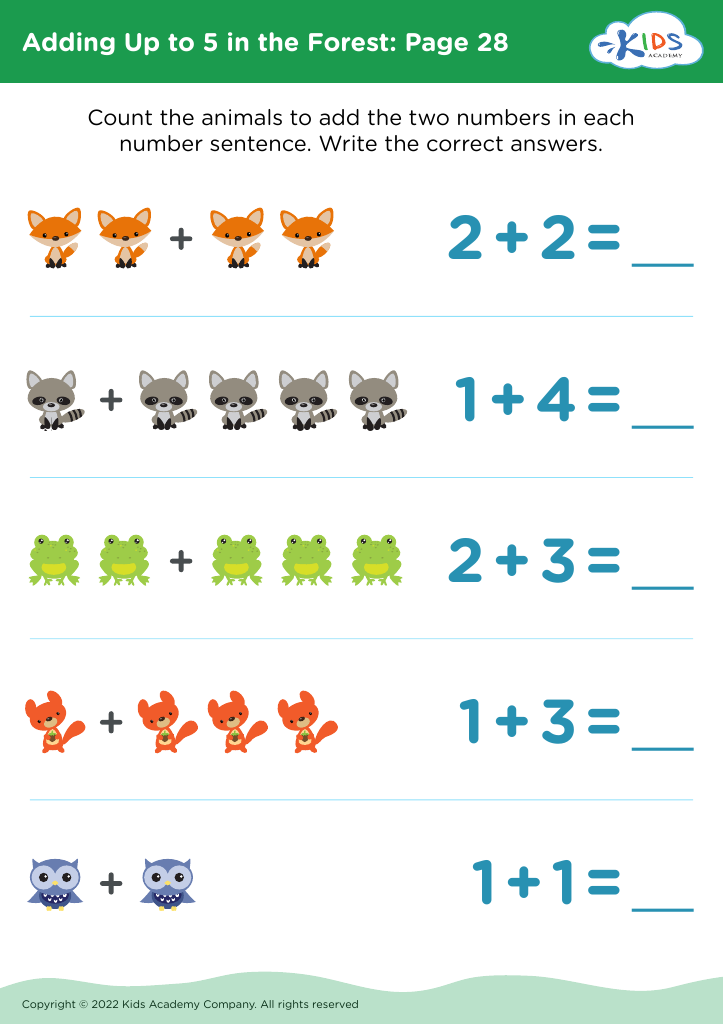
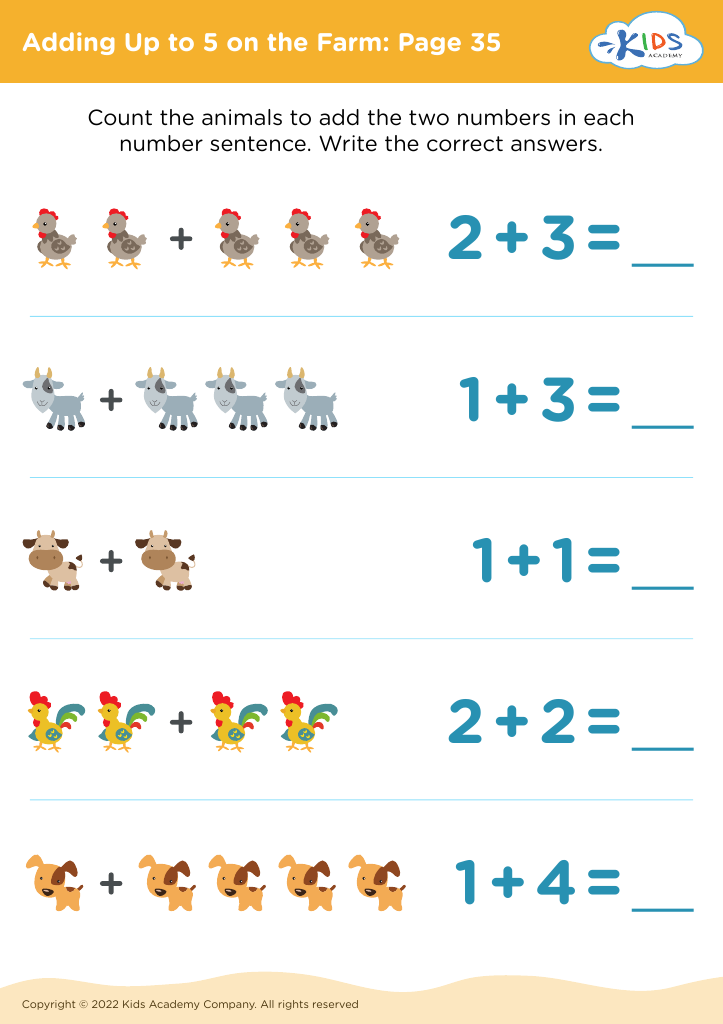







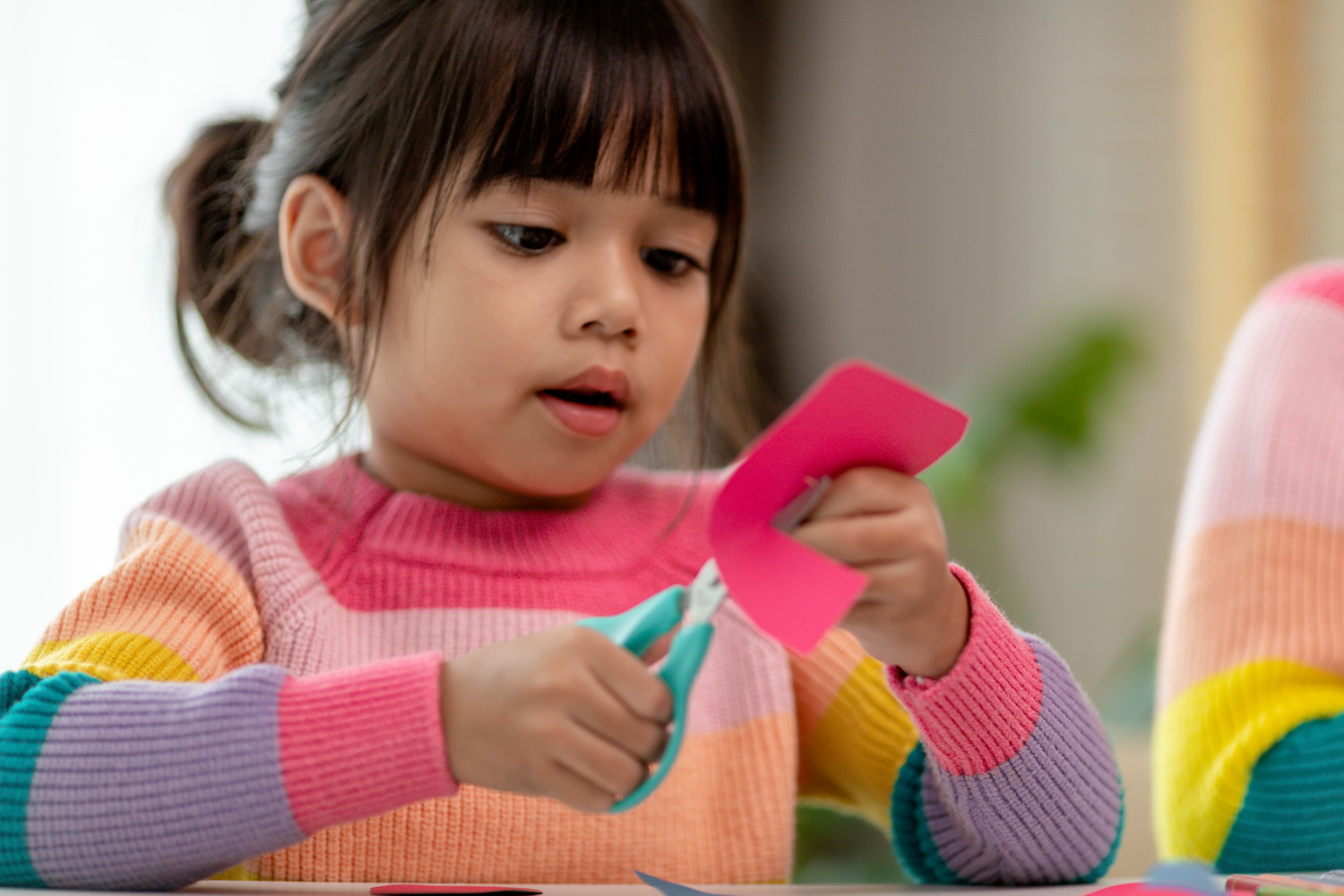
Basic addition skills are fundamental for children aged 3-9, forming a crucial foundation for their future mathematical understanding and overall cognitive development. During these early years, children transition from intuitive number sense to more structured mathematical reasoning. Mastering addition helps develop problem-solving skills and critical thinking, which are essential not just in math but in everyday life.
For parents and teachers, emphasizing basic addition offers multiple benefits. It nurtures fluency in arithmetic, allowing students to handle larger problems and complex concepts later on. Additionally, learning addition promotes confidence in children, encouraging a positive attitude towards math, which is often anxiety-provoking for many students. Engaging in fun, age-appropriate activities makes learning enjoyable and accessible, reinforcing understanding through play.
Moreover, basic addition skills are interconnected with essential life skills like budgeting, time management, and even emotional intelligence, as children learn to navigate challenges and resolve conflicts involving calculations. By fostering this foundation, parents and teachers can cultivate not only proficient mathematicians but also well-rounded individuals equipped with critical skills necessary for success in school and beyond. Investing in early math education pays dividends, ensuring children are prepared for the complexities of the world they will encounter as they grow.








