Basic Math understanding Math Worksheets for Ages 3-9
12 filtered results
-
From - To
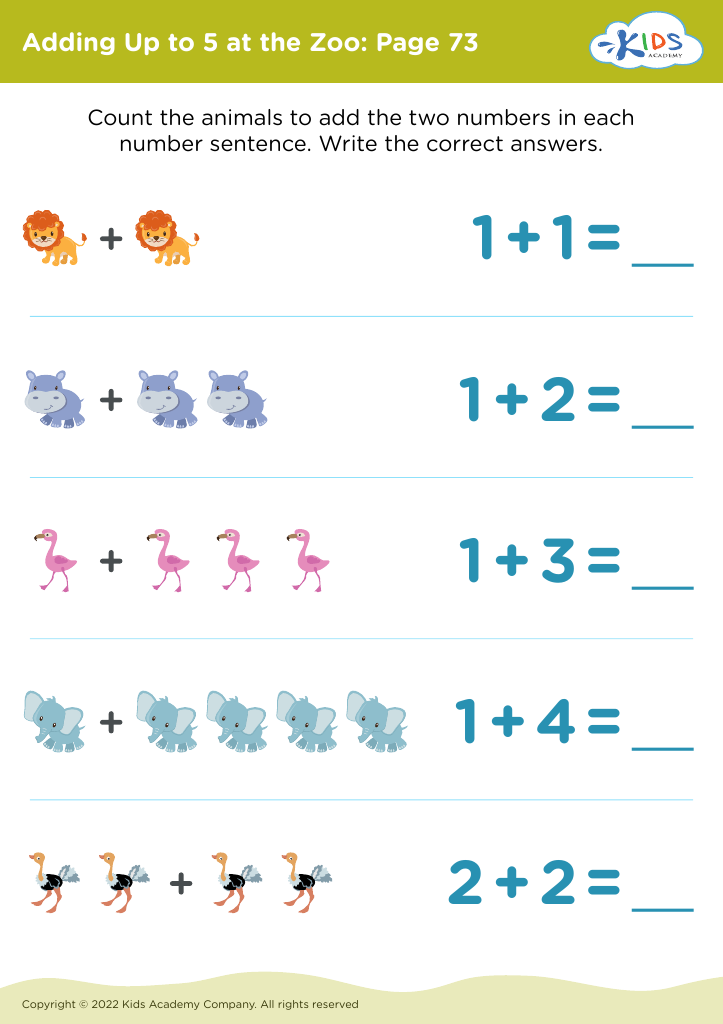
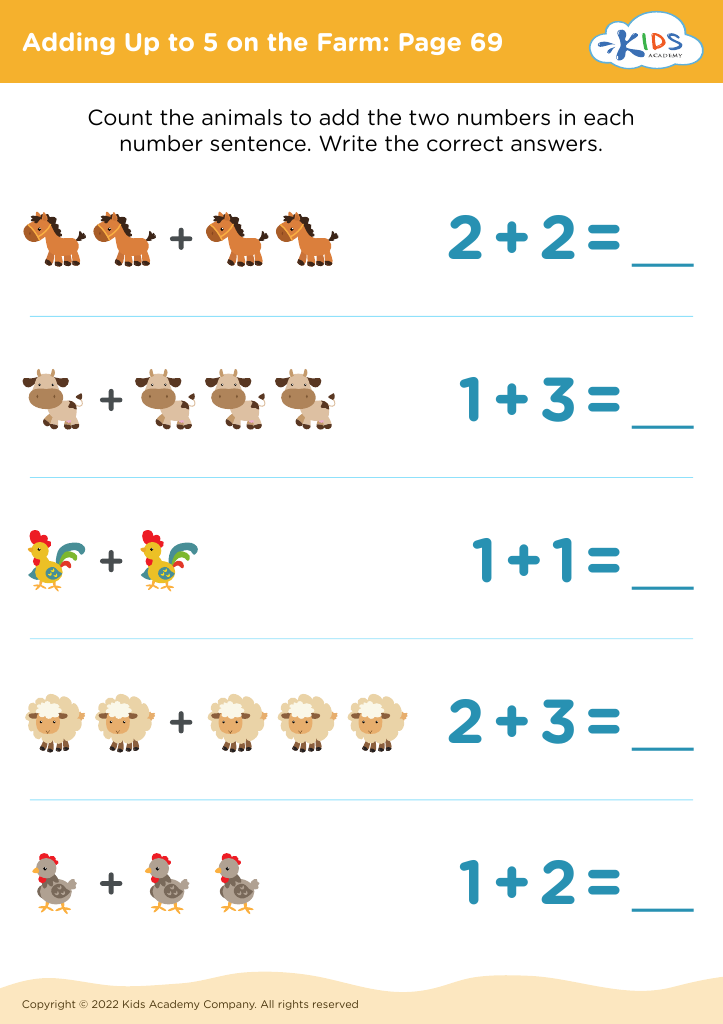
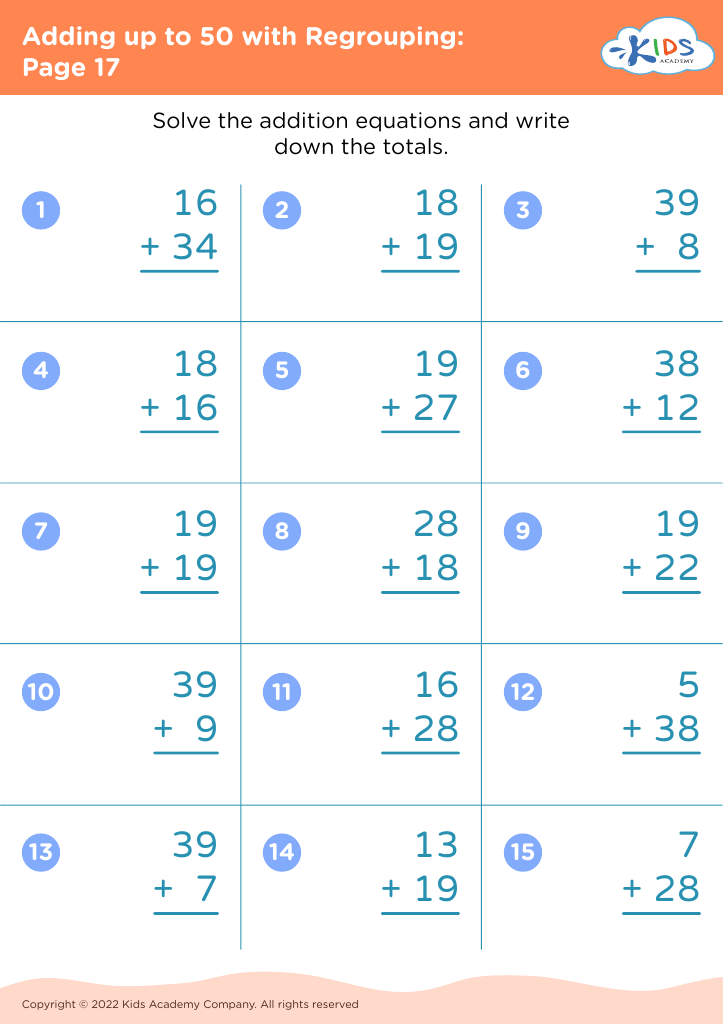
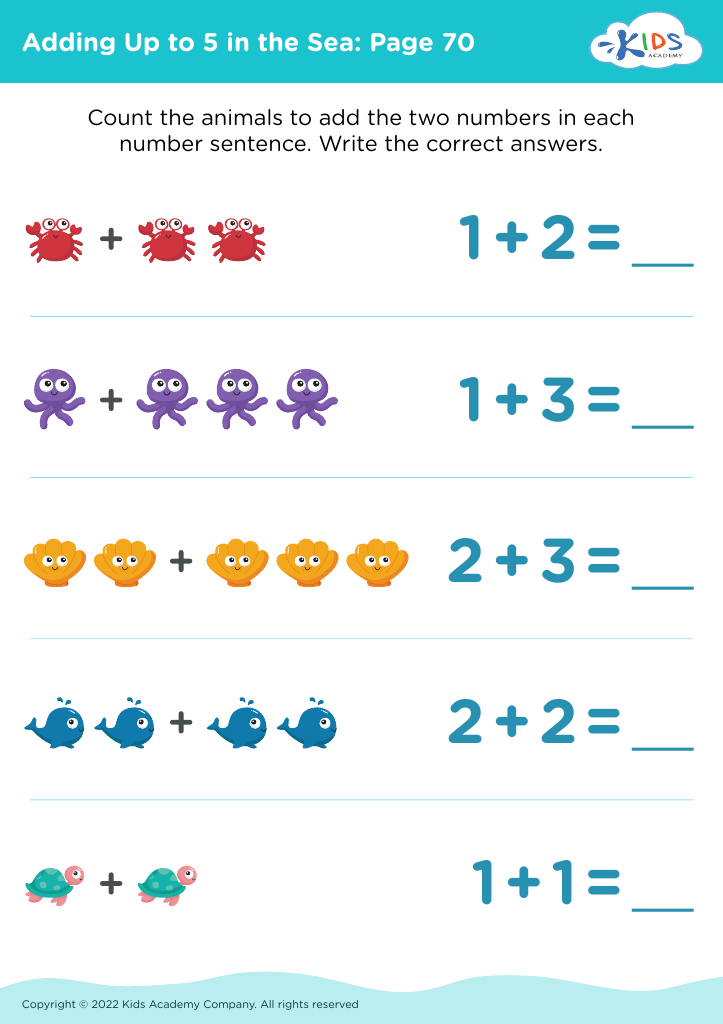
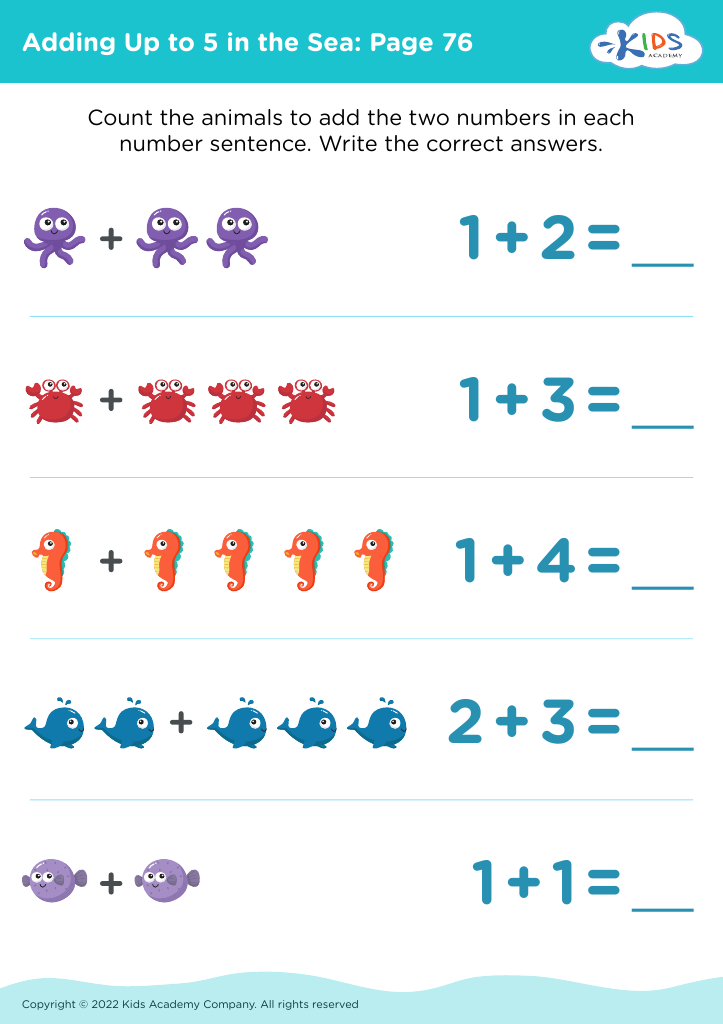
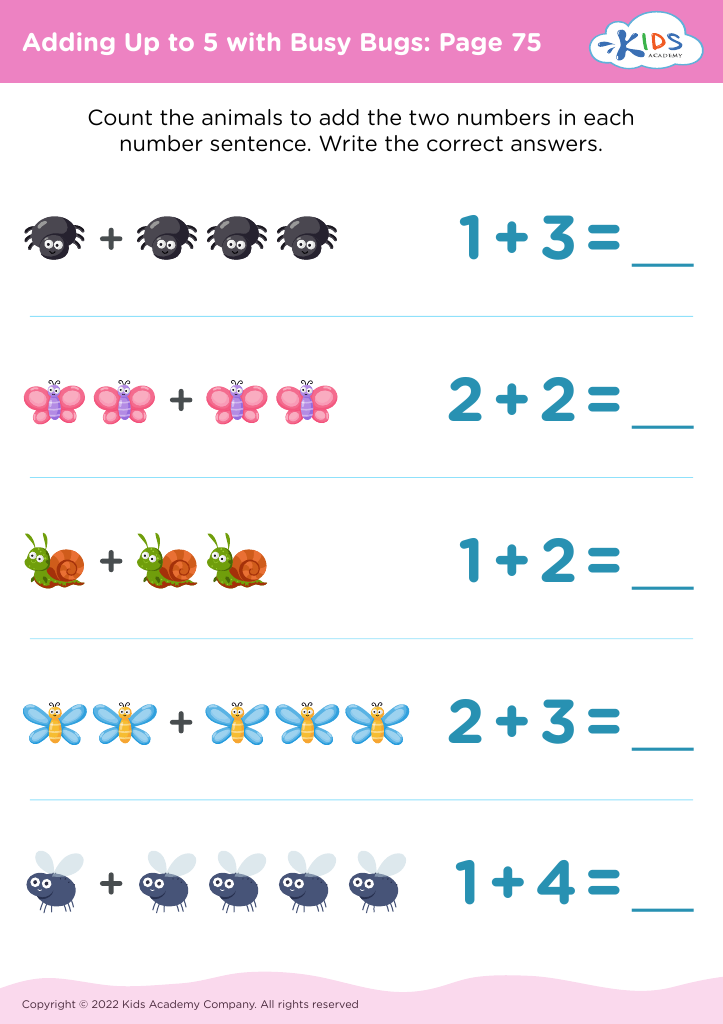
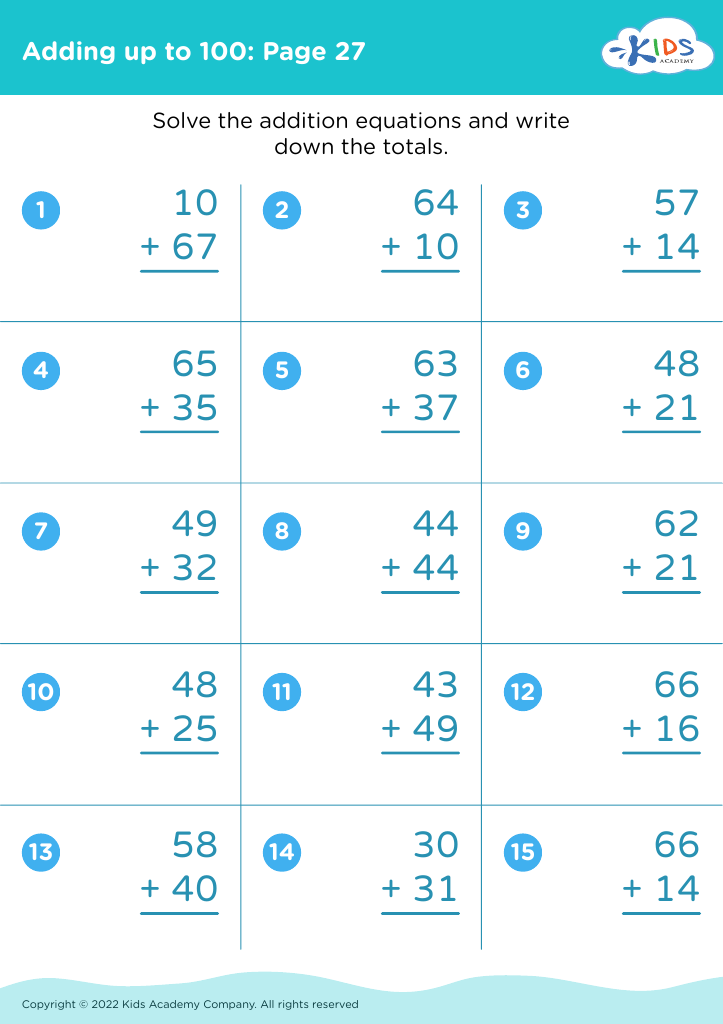
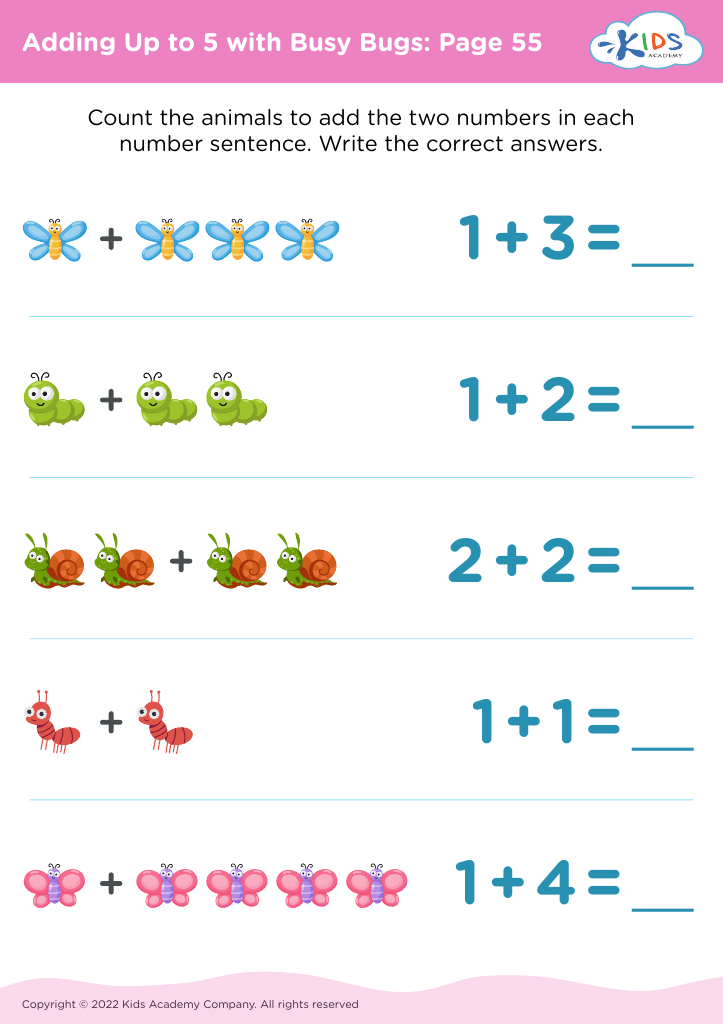
Explore our collection of Basic Math Understanding worksheets, designed for children aged 3-9! These engaging and colorful resources introduce essential math concepts, from counting and number recognition to simple addition and subtraction. Each worksheet is carefully crafted to promote hands-on learning and build foundational skills in a fun, interactive way. Ideal for at-home learning or classroom activities, our worksheets cater to various learning styles, ensuring a well-rounded understanding of basic math principles. Foster a love for math in your little ones while enhancing their problem-solving abilities. Empower your child’s learning journey today with our expertly designed math worksheets!
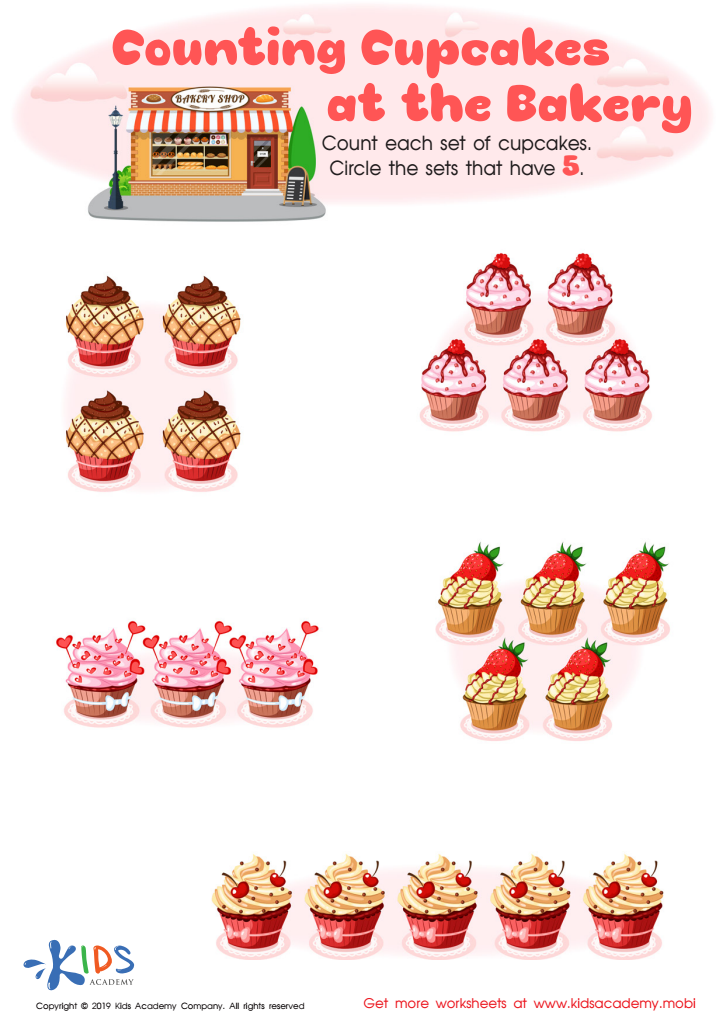
Counting Cupcakes Worksheet
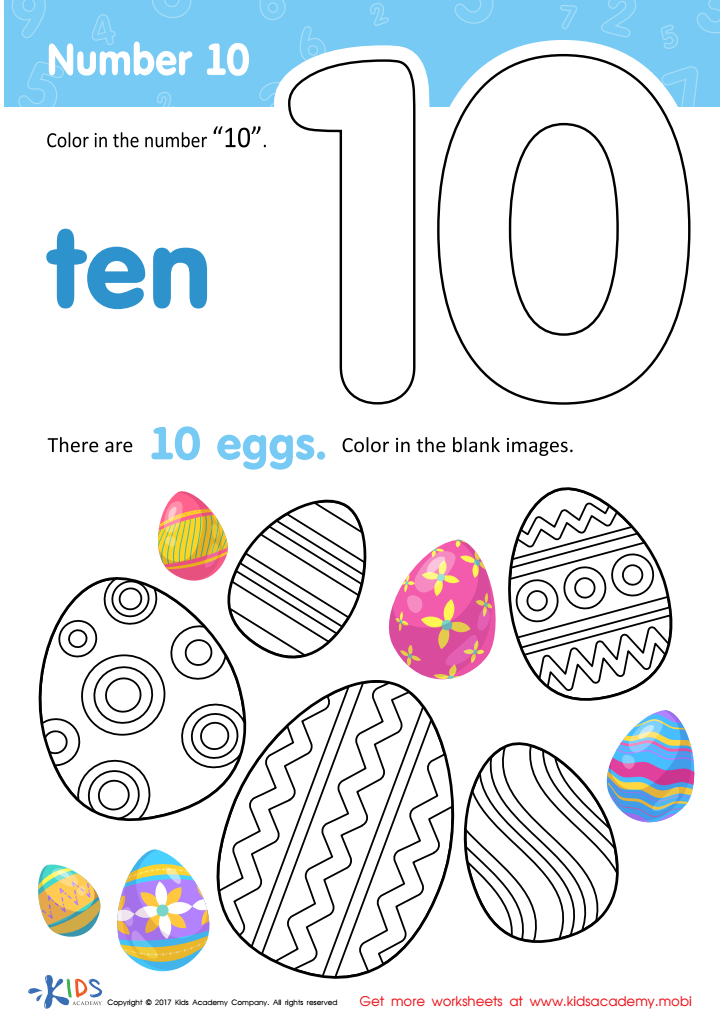
Number 10 Printable
 Assign to My Students
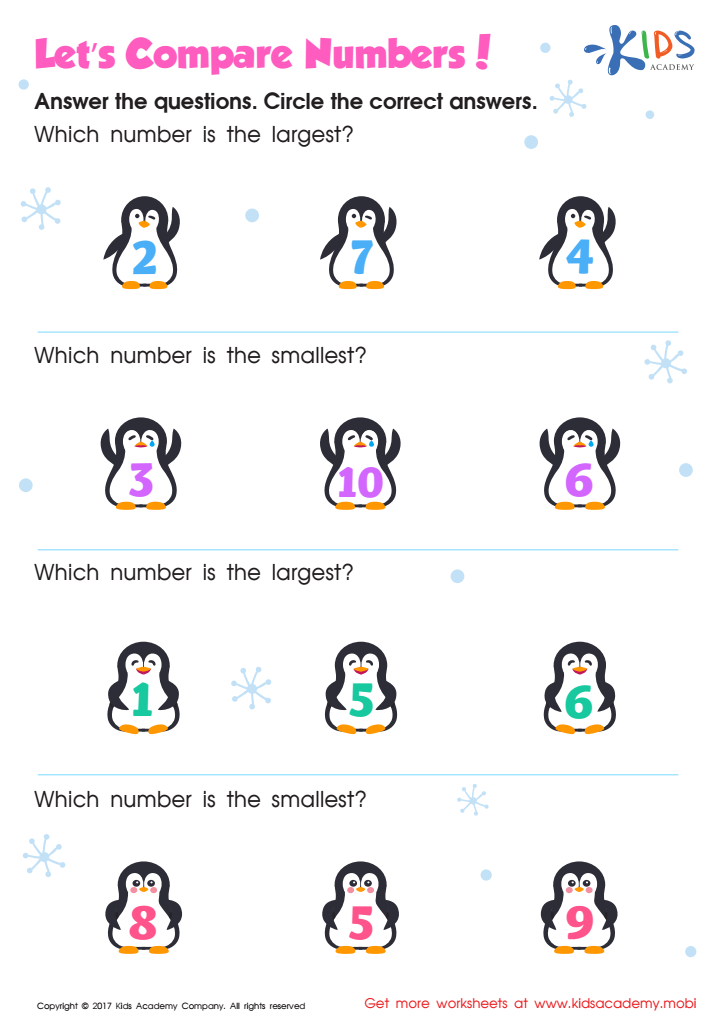
Comparing Numbers 1–10 Worksheet Kindergarten
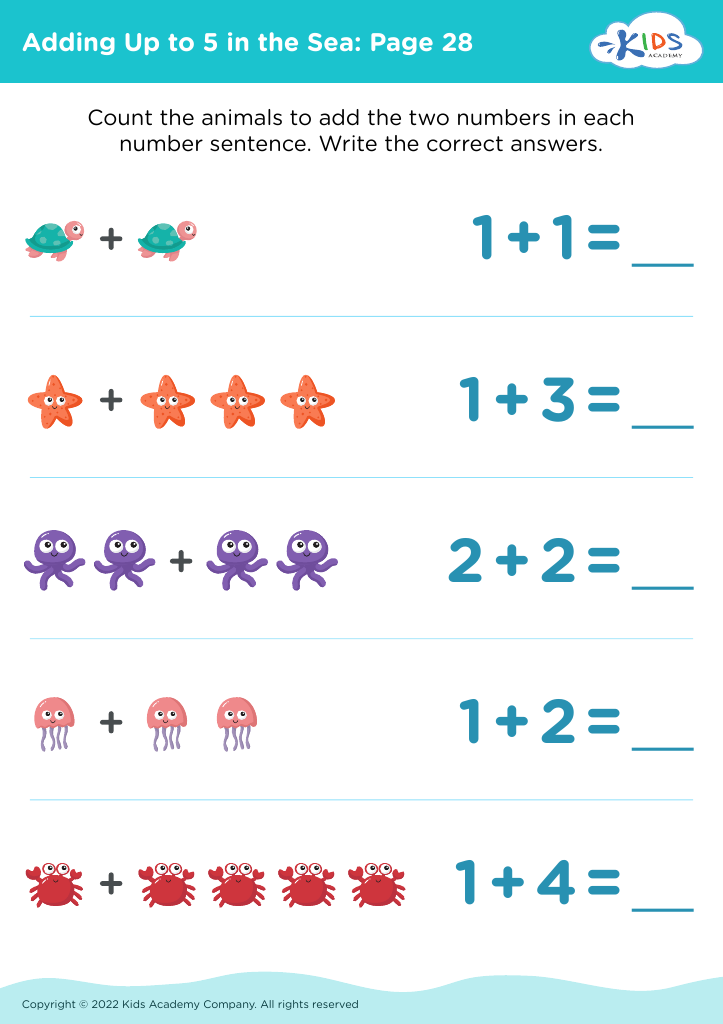



.jpg)


Understanding basic math concepts is crucial for children aged 3-9 as it lays the foundation for their future academic success and daily life skills. During these formative years, children are naturally curious and eager to explore the world around them, making it an ideal time to introduce mathematical thinking through playful and engaging activities. Mastery of basic math—such as numbers, counting, patterns, and simple addition or subtraction—enhances critical thinking, problem-solving abilities, and cognitive development.
Moreover, early math skills correlate strongly with later achievement in mathematics and other subjects. A solid grasp of basic math provides children with the tools to navigate both academic challenges and real-life situations, from budgeting allowance money to measuring ingredients for recipes.
Teachers and parents play a pivotal role in fostering this understanding. By providing a supportive environment that encourages exploration and questions, they can help children develop confidence in their abilities. Integrating math into everyday activities, such as grocery shopping or cooking, makes learning relevant and enjoyable. Ultimately, prioritizing math understanding in early education empowers children to become capable problem solvers, nurturing a generation equipped for a future where mathematical literacy is increasingly essential.








