
Compare fractions Math Worksheets for Ages 3-9
6 filtered results
Difficulty Level
Grade
Age
-
From - To
Subject
Activity
Standards
Discover our engaging "Compare Fractions Math Worksheets" designed for children ages 3-9! These worksheets introduce young learners to the concept of fractions through fun, age-appropriate activities. Each worksheet helps kids build a solid understanding of comparing fractions using visuals and number lines. With colorful graphics and interactive exercises, students will enjoy learning how to identify larger, smaller, and equal fractions. Perfect for classroom use or at-home practice, our worksheets cater to various skill levels, ensuring every child fits learn and grow. Boost your child's confidence in math while making learning enjoyable with our comprehensive collection of fraction comparison worksheets!
Favorites
With answer key
Interactive
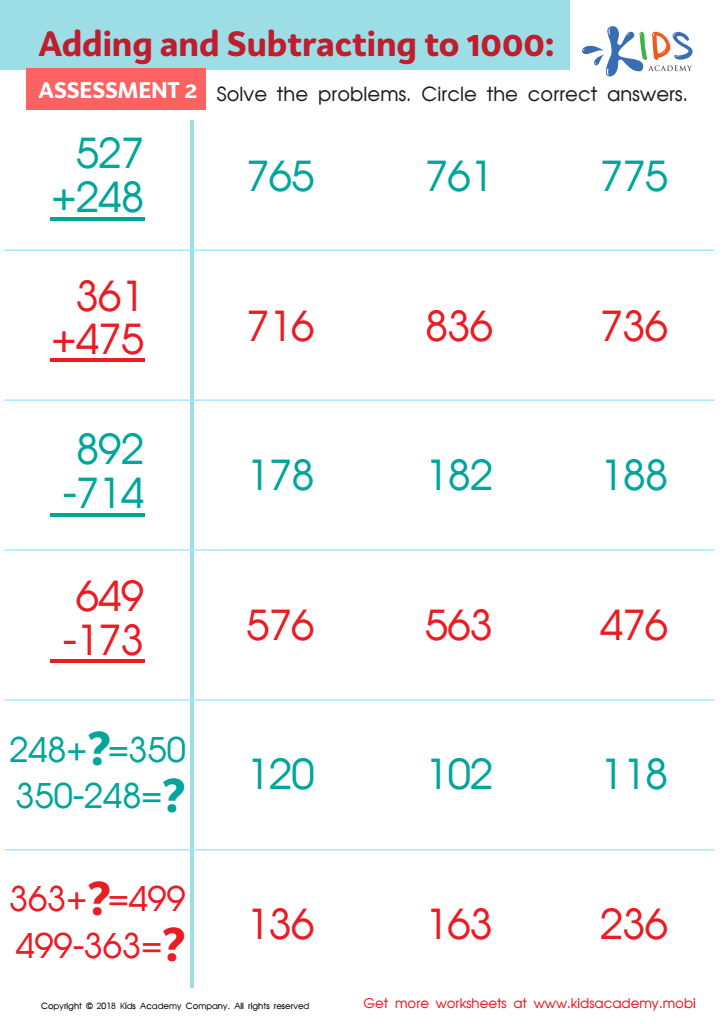
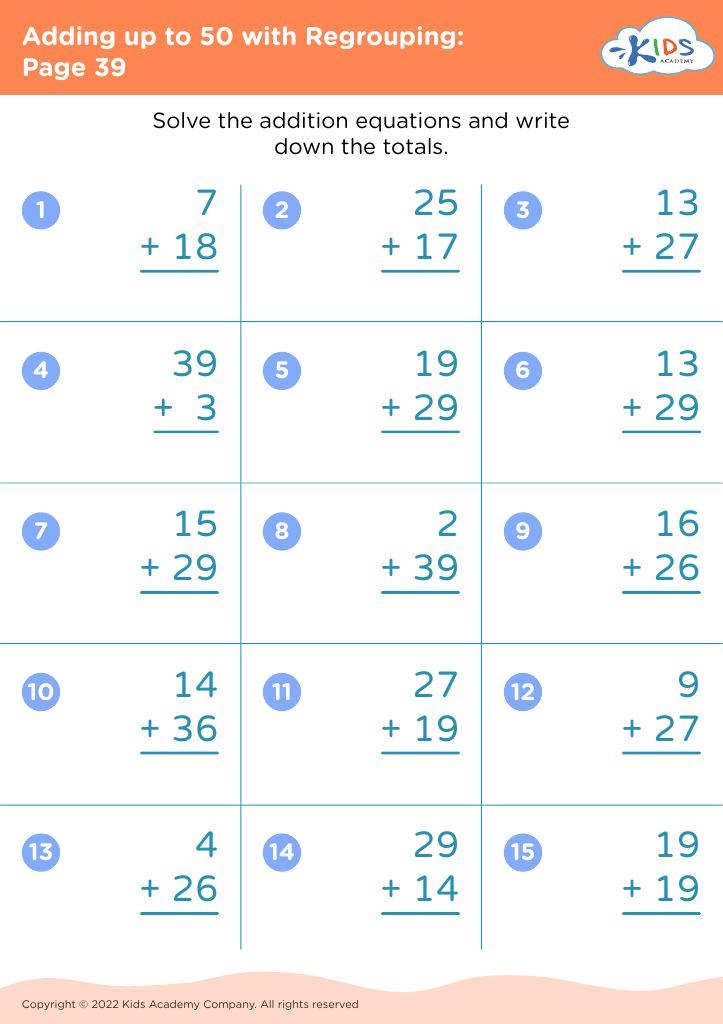
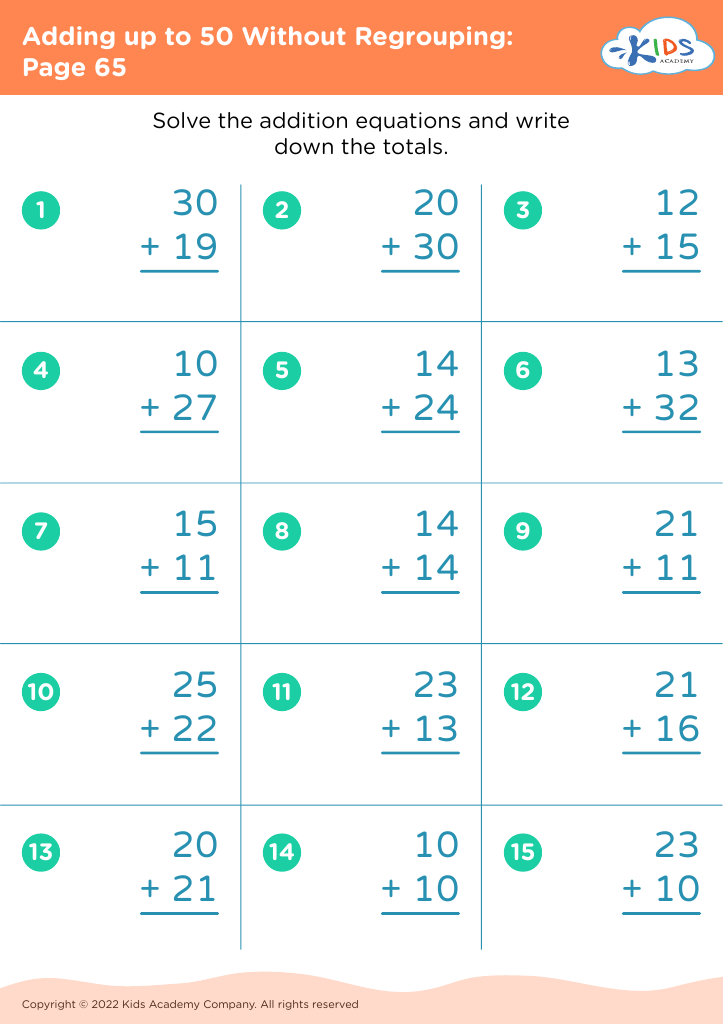
Adding and Subtracting to 1 Worksheet: Assessment 2
Test your child's addition and subtraction of 3-digit numbers with this assessment worksheet! They'll practice regrouping and pre-algebra skills to show their expertise. Have them work through the page and circle their answers, then see how many they got right to check their understanding and progress.
 Assign to My Students
Adding and Subtracting to 1 Worksheet: Assessment 2
Worksheet
Join Kids Academy for Free
Who is primarily going to use this learning content?



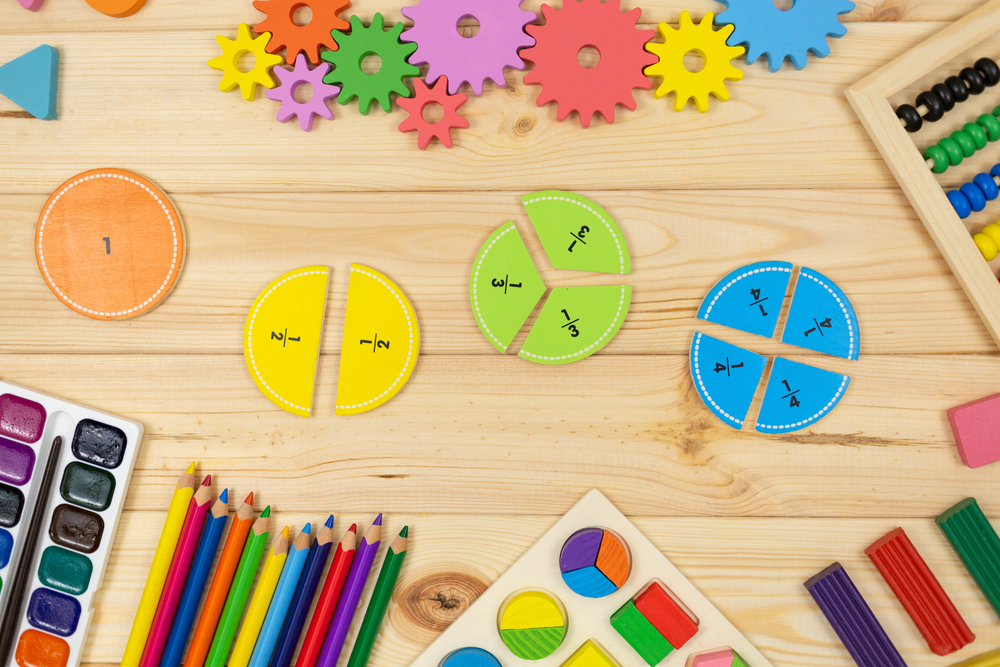



Understanding how to compare fractions is a fundamental mathematical skill that lays the foundation for more complex concepts later on. For children ages 3-9, grasping the idea of fractions enhances their overall numeracy and problem-solving abilities. As parents and teachers, recognizing the importance of this skill helps prepare children for future success in math-related subjects.
Firstly, comparing fractions develops critical thinking and reasoning skills. Children learn to analyze relationships between quantities—an essential skill not only for math but also for everyday decision-making. For example, understanding that 1/2 is greater than 1/3 helps them visualize portion control when sharing food or dividing objects.
Secondly, early exposure to fractions can make future math concepts, such as ratios and division, less daunting. By building a strong foundational understanding of fractions, children are more likely to develop a positive attitude towards math, reducing anxiety as they progress in their education.
Finally, when parents and teachers emphasize the relevance of fractions in daily life—such as cooking, shopping, or sharing—children are more likely to engage with and appreciate this mathematical concept. Investing effort into teaching fraction comparison sets children on a path toward mathematical confidence and competence.








