Comparison Skills Math Worksheets for Ages 3-9
10 filtered results
-
From - To
Enhance your child's critical thinking and problem-solving abilities with our comprehensive Comparison Skills Math Worksheets for ages 3-9. These engaging printable worksheets, designed by educational experts, focus on foundational math concepts such as comparing numbers, sizes, and quantities. Perfect for preschool and early grade students, these activities make learning fun and interactive, promoting logical reasoning in young minds. With colorful visuals and age-appropriate challenges, our worksheets cater to individual learning needs, ensuring your child develops essential comparison skills with confidence. Start your child’s mathematical journey with organized and effective practice from Kids Academy.
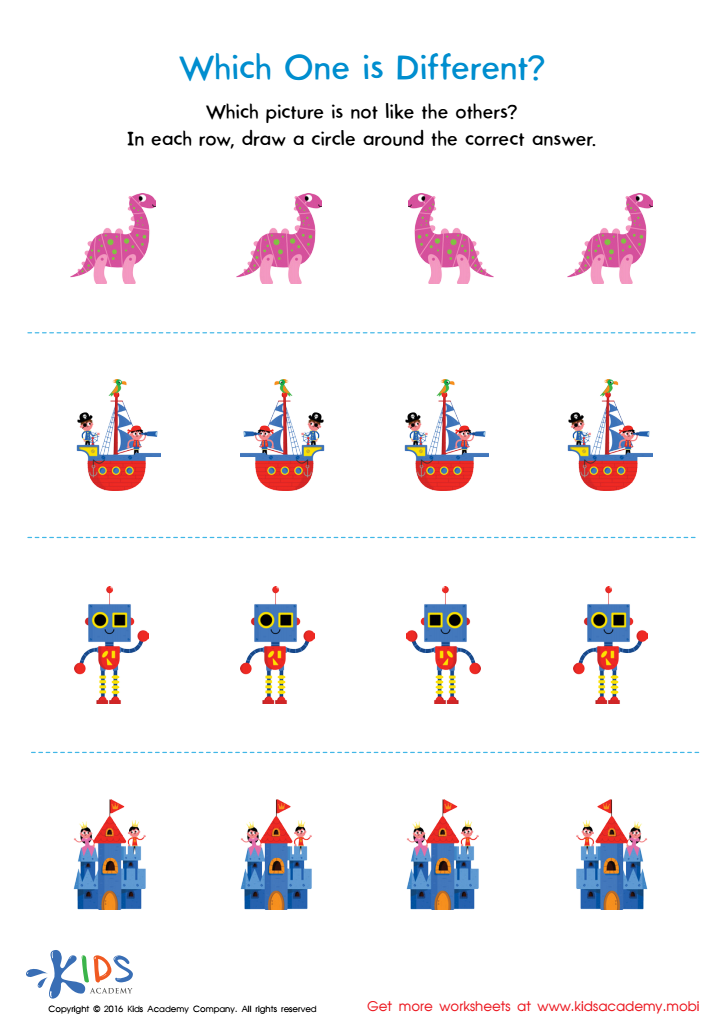
Which One Is Different Worksheet
 Assign to My Students
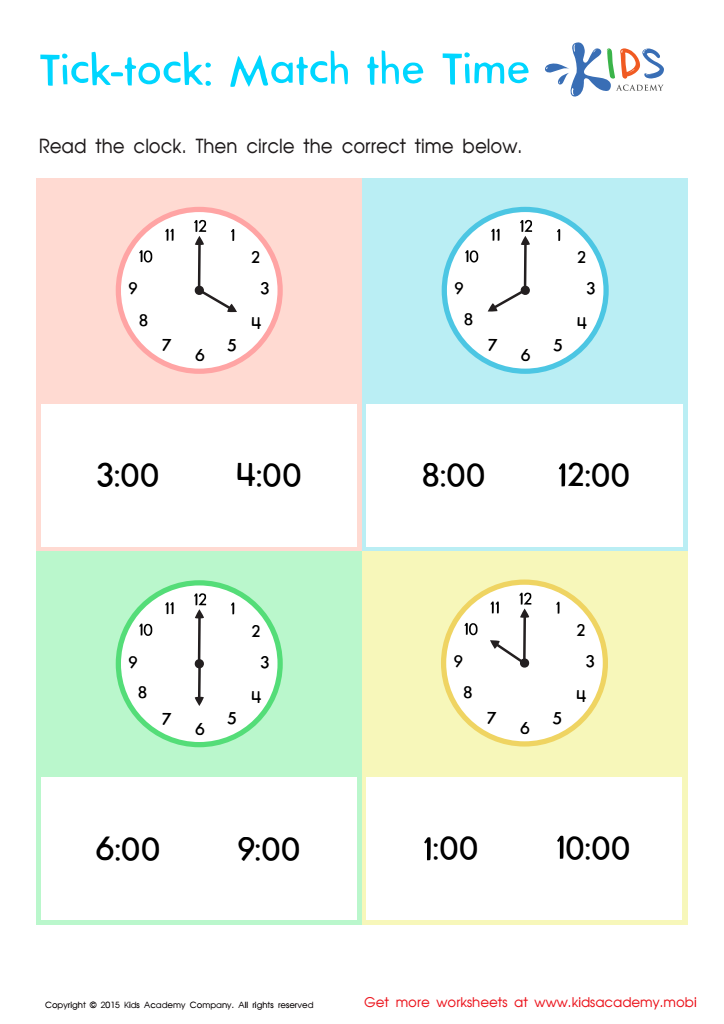
Telling The Time Worksheet: Part 4
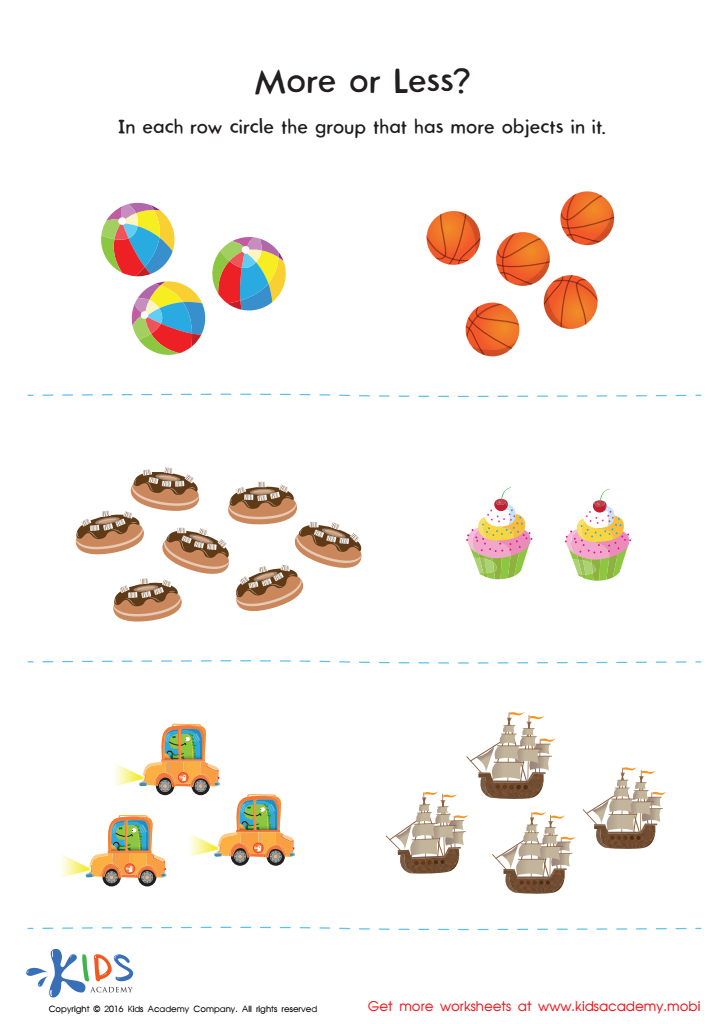
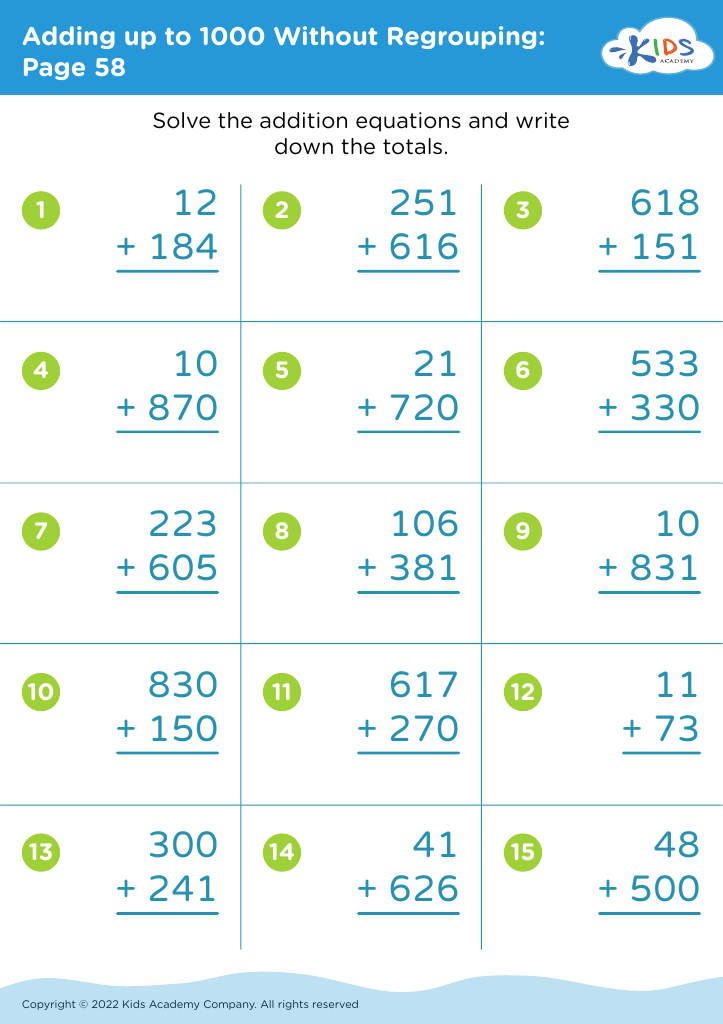
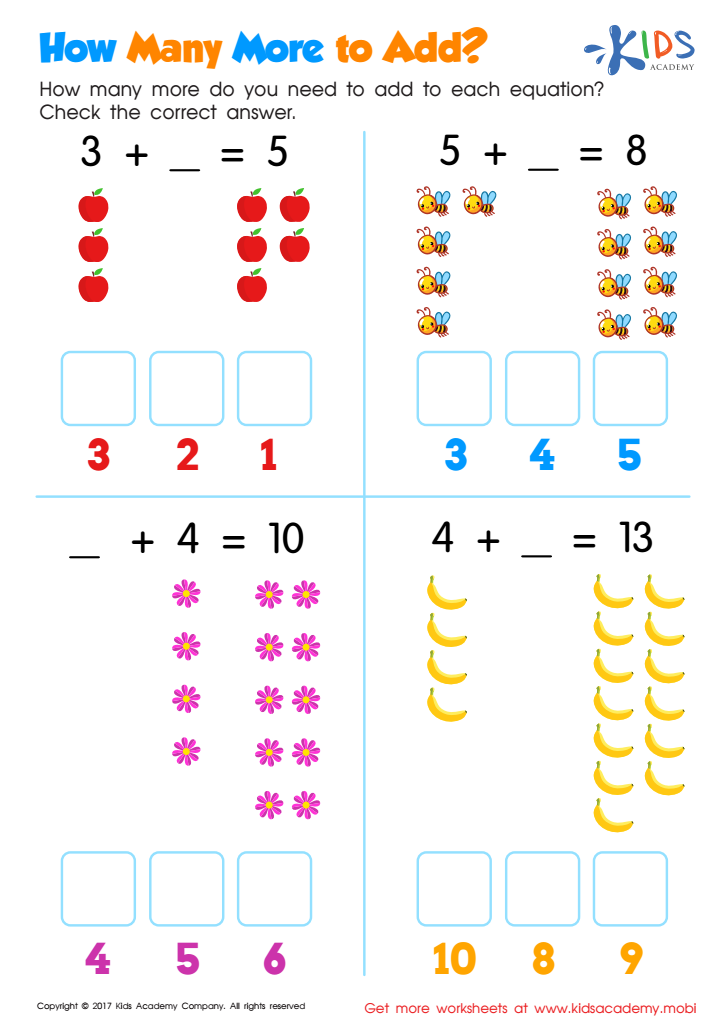
How Many More to Add Worksheet
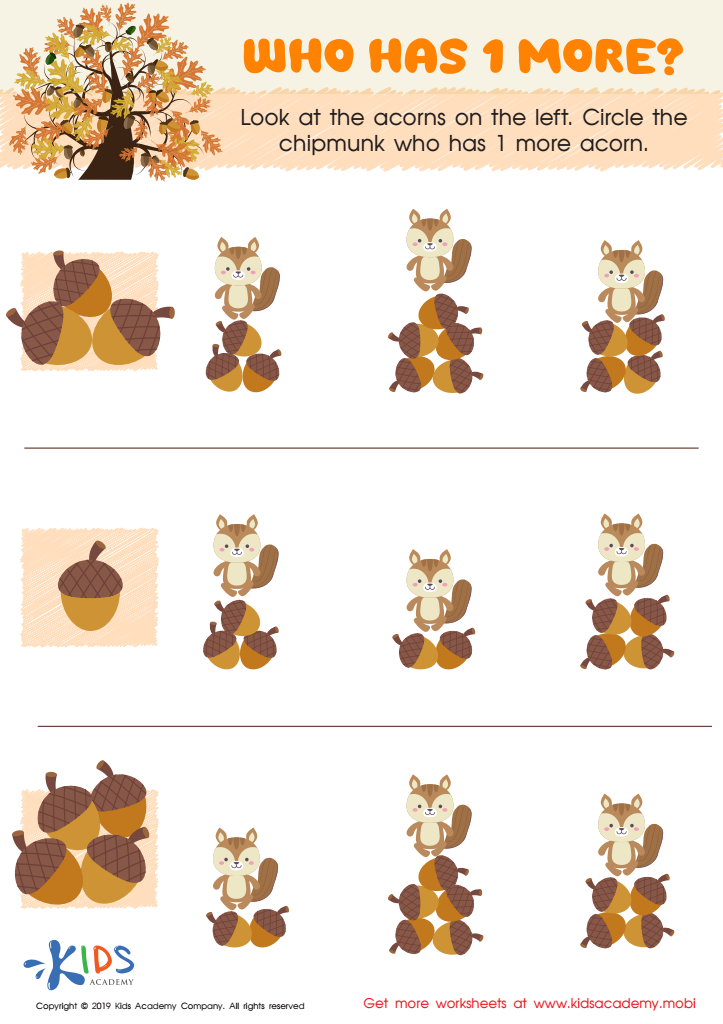
Who Has 1 More? Worksheet
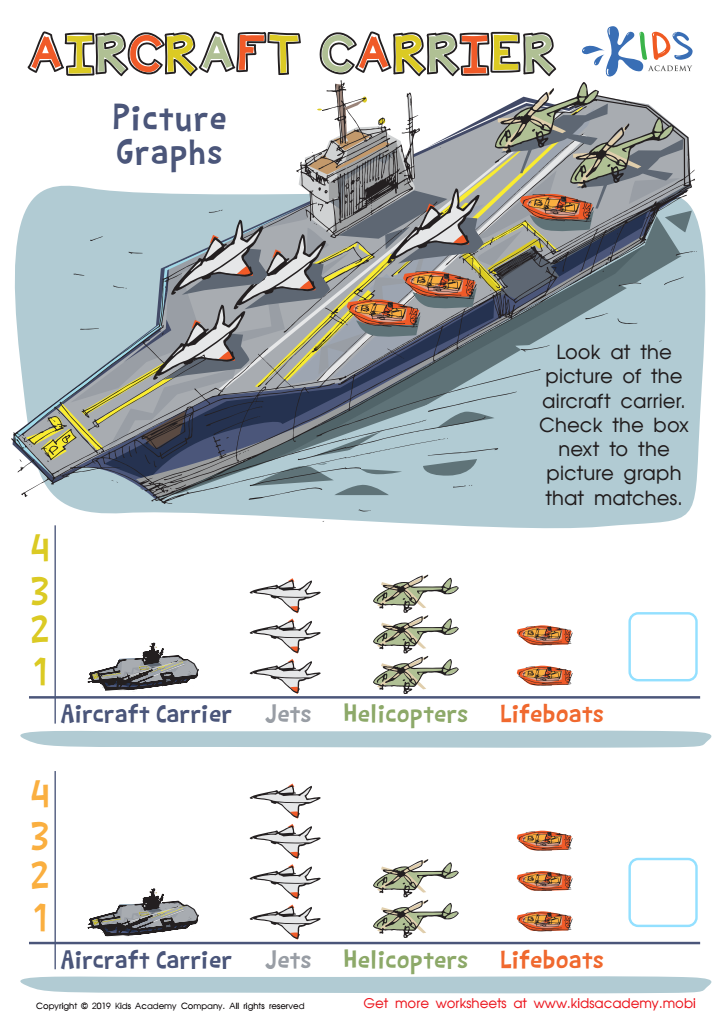
Aircraft Carrier Picture Graphs Worksheet
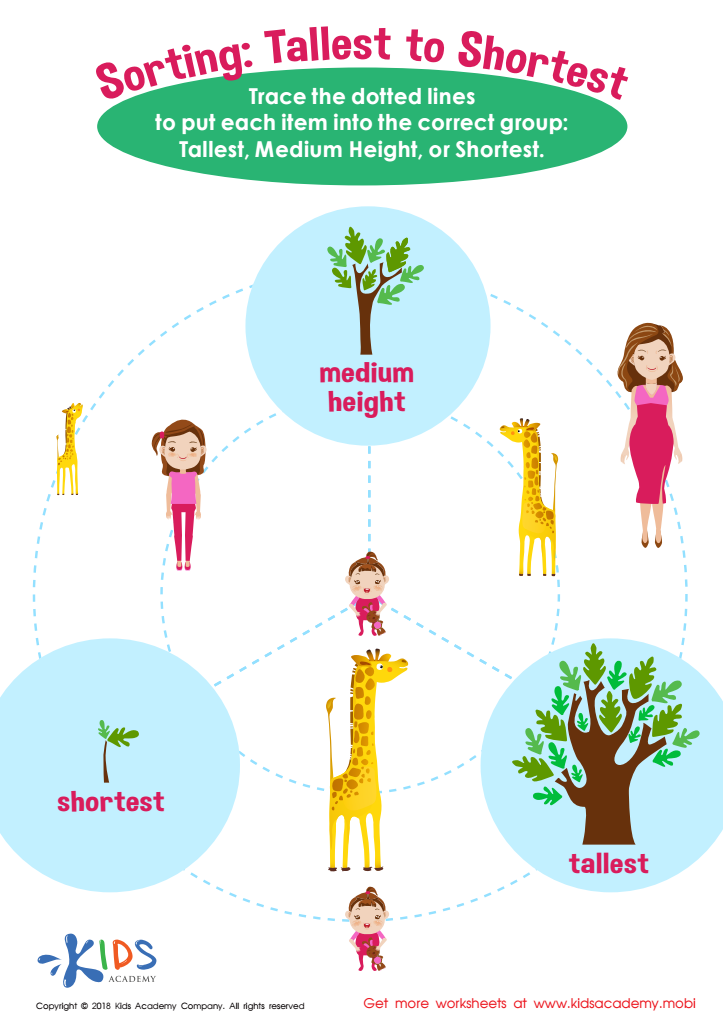
Sorting: Tallest to Shortest Worksheet



.jpg)


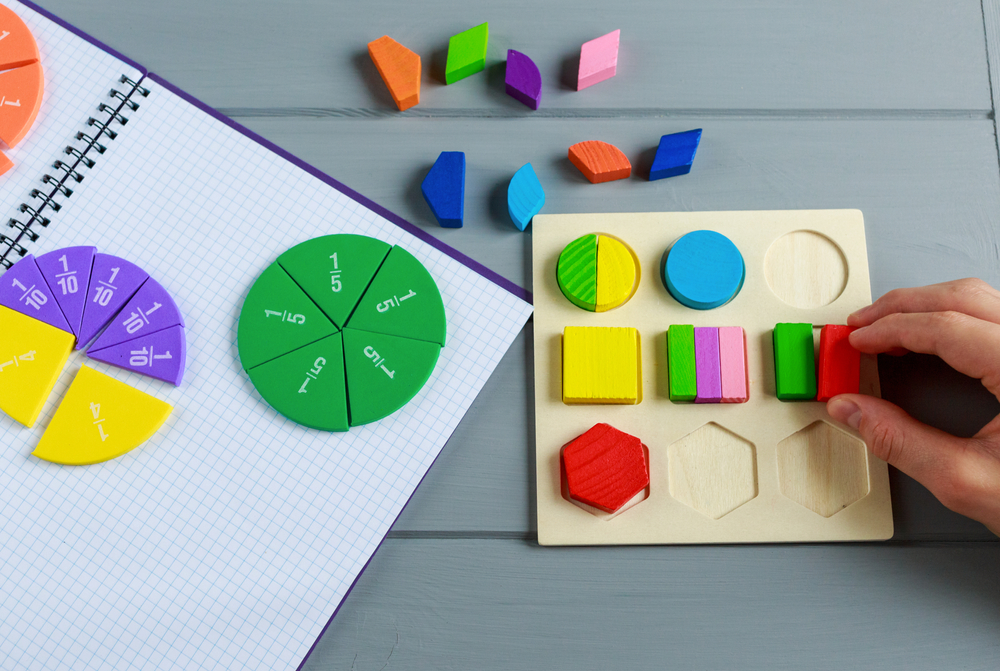

Understanding and developing comparison skills in early math is critical for children aged 3–9 because it lays the foundation for their future mathematical and logical reasoning abilities. At this age, children are naturally curious and inclined to observe differences and similarities in objects. By nurturing these skills, parents and teachers help children develop essential cognitive abilities like critical thinking, problem-solving, and decision-making.
Comparison skills in math, such as identifying which elements are bigger, smaller, longer, shorter, heavier, or lighter, are essential for understanding more complex mathematical concepts later on, like measurement, number sense, and algebraic thinking. When children learn to compare, they begin to comprehend relationships between numbers and quantities, which subsequently aids in developing arithmetic operations like addition and subtraction.
Furthermore, these skills transcend beyond mathematics. They enhance language development, comprehension, and analytical abilities, as children often articulate the reasoning behind their comparisons. This cognitive growth bolsters their overall academic performance and everyday life skills. Therefore, parents and teachers should prioritize fostering comparison abilities through engaging activities and discussions. Such foundational math learning not only supports academic success but also encourages a sustained interest and confidence in learning.








