Counting practice Math Worksheets for Ages 3-9 - Page 8
359 filtered results
-
From - To
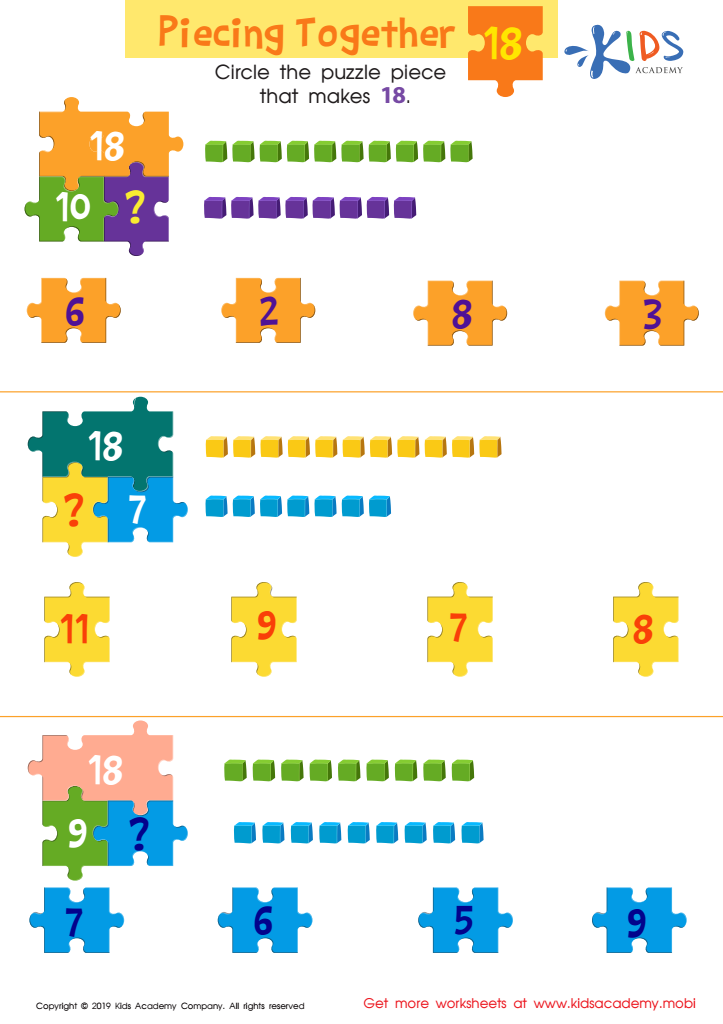
Piecing Together 18 Worksheet
 Assign to My Students
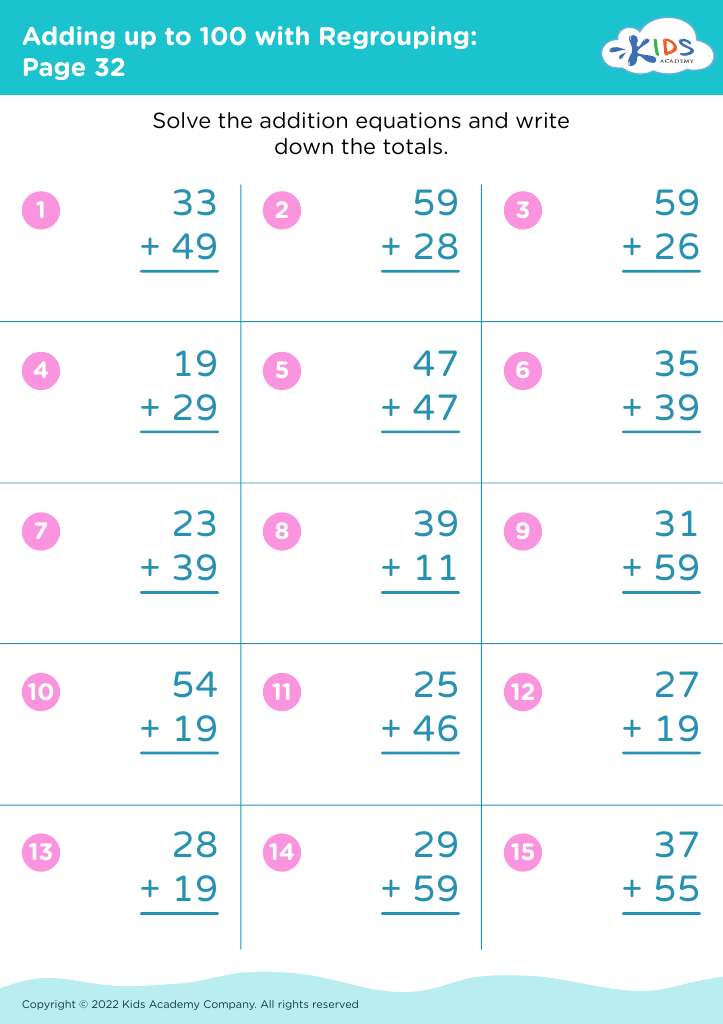
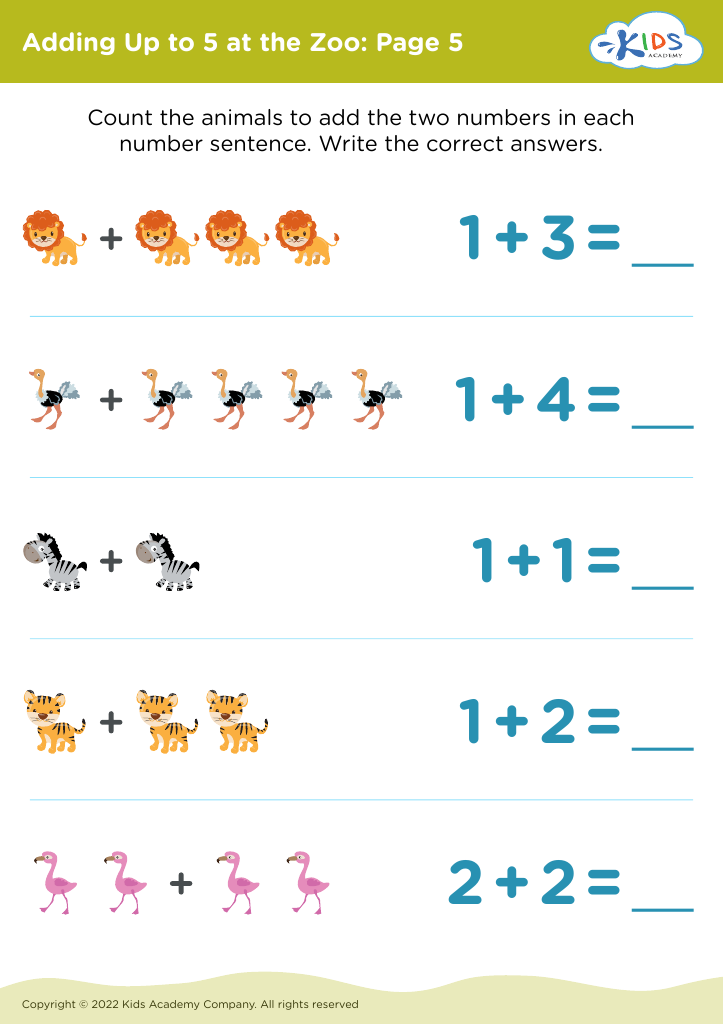
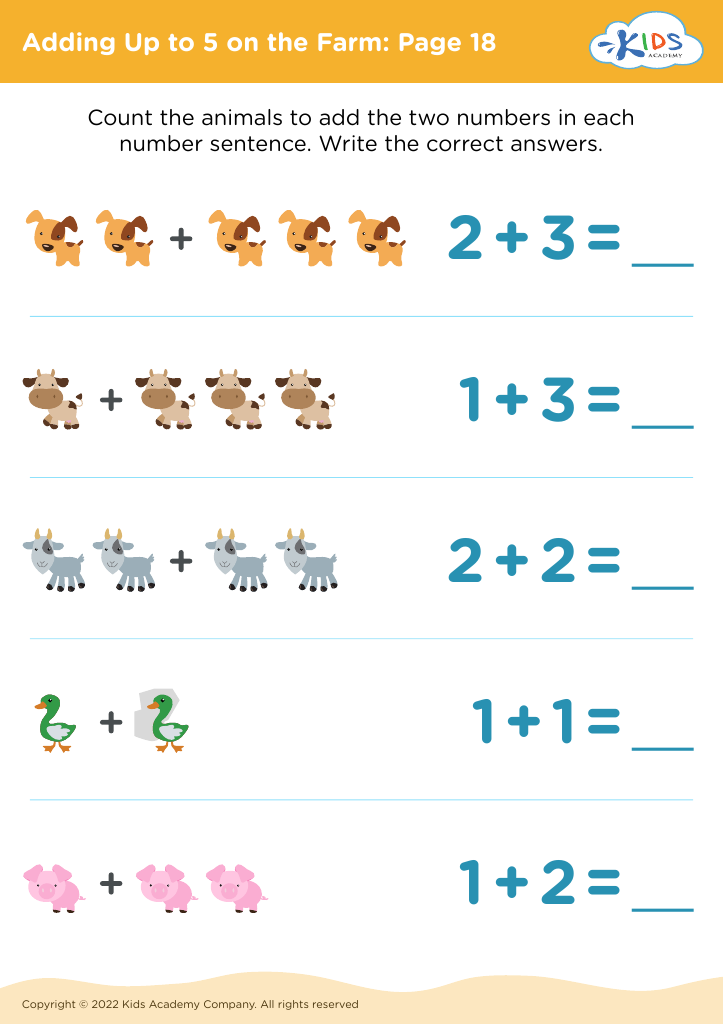
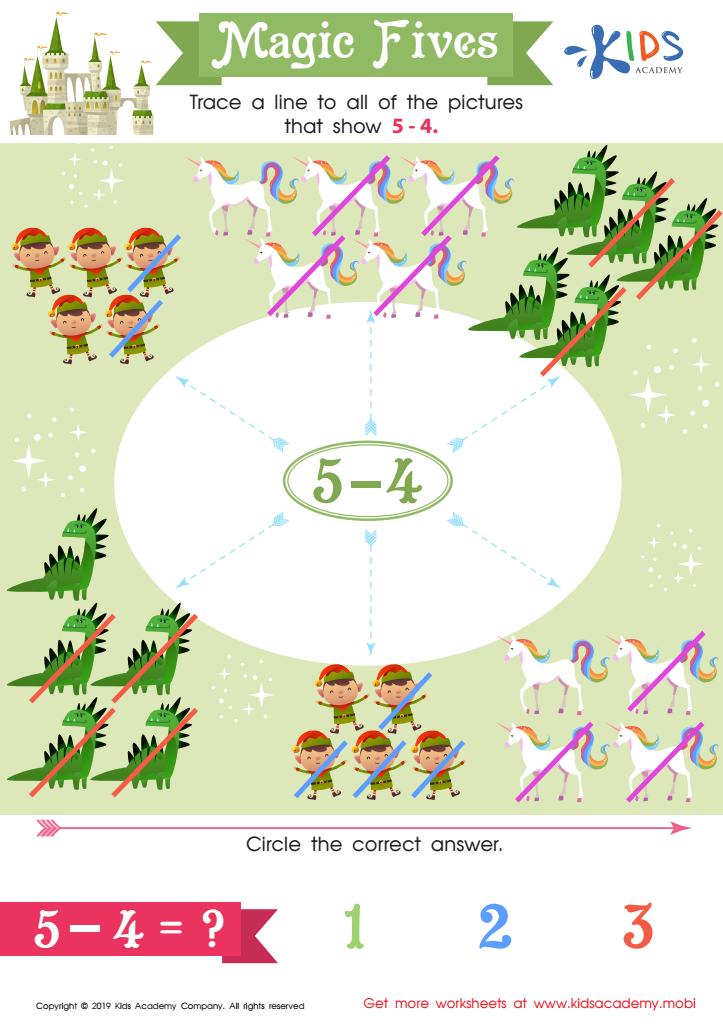
Magic Fives Worksheet
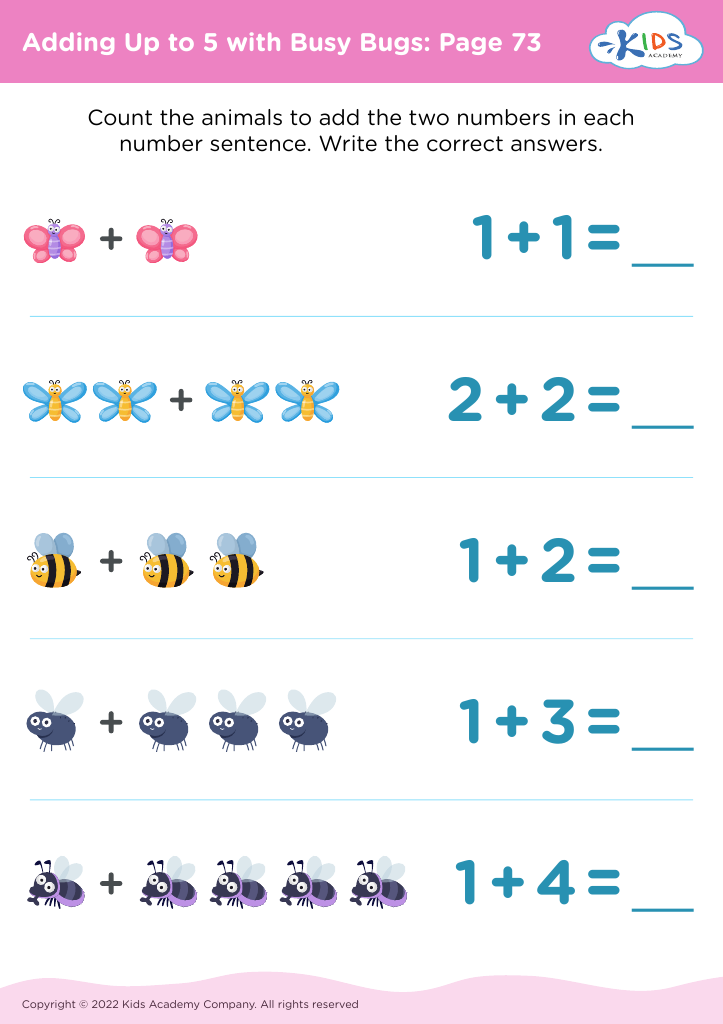
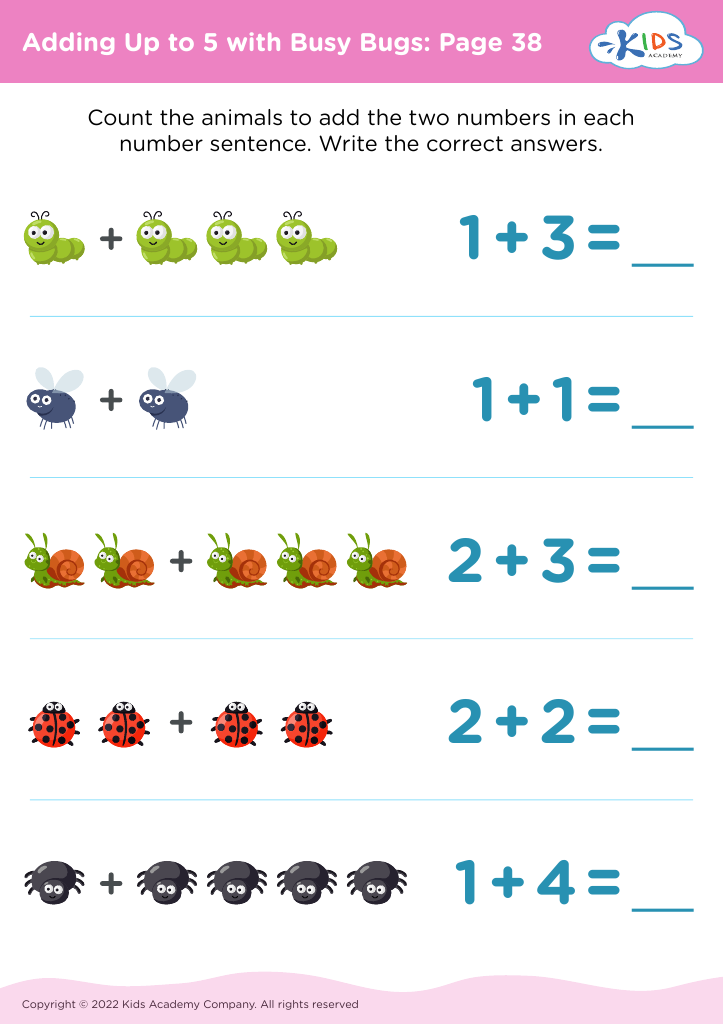
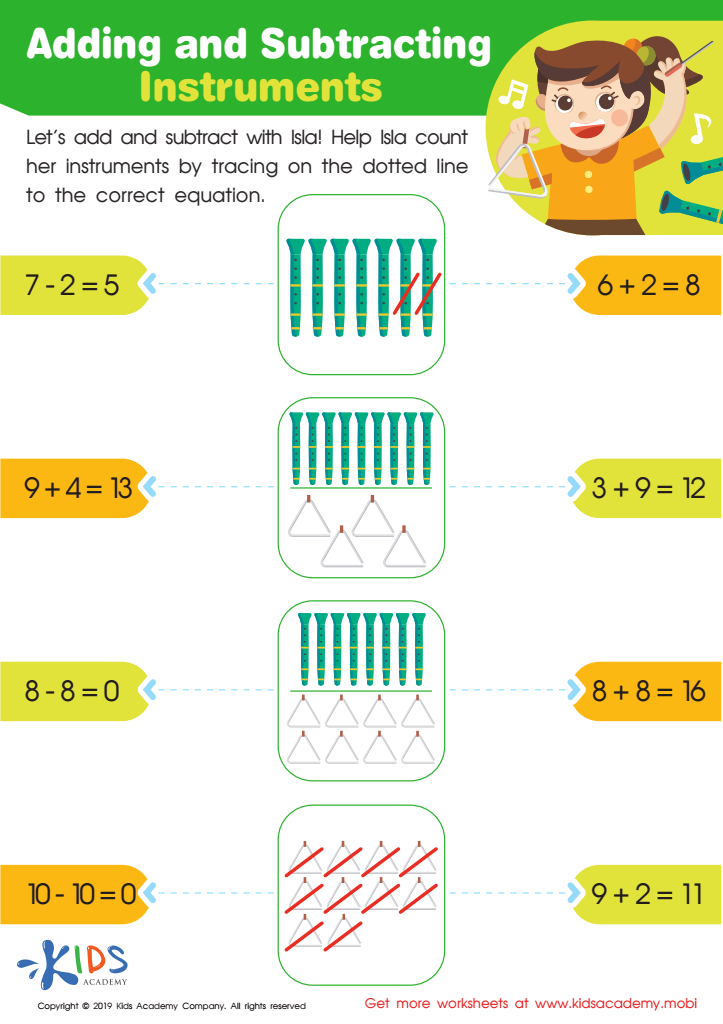
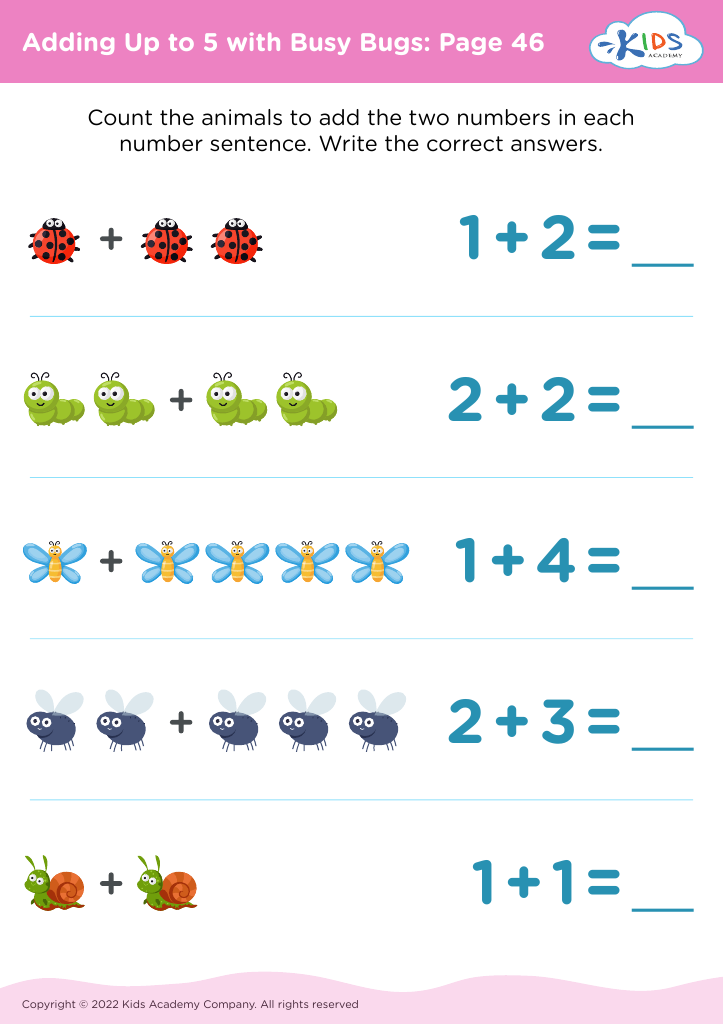
Adding and Subtracting: Instruments Worksheet
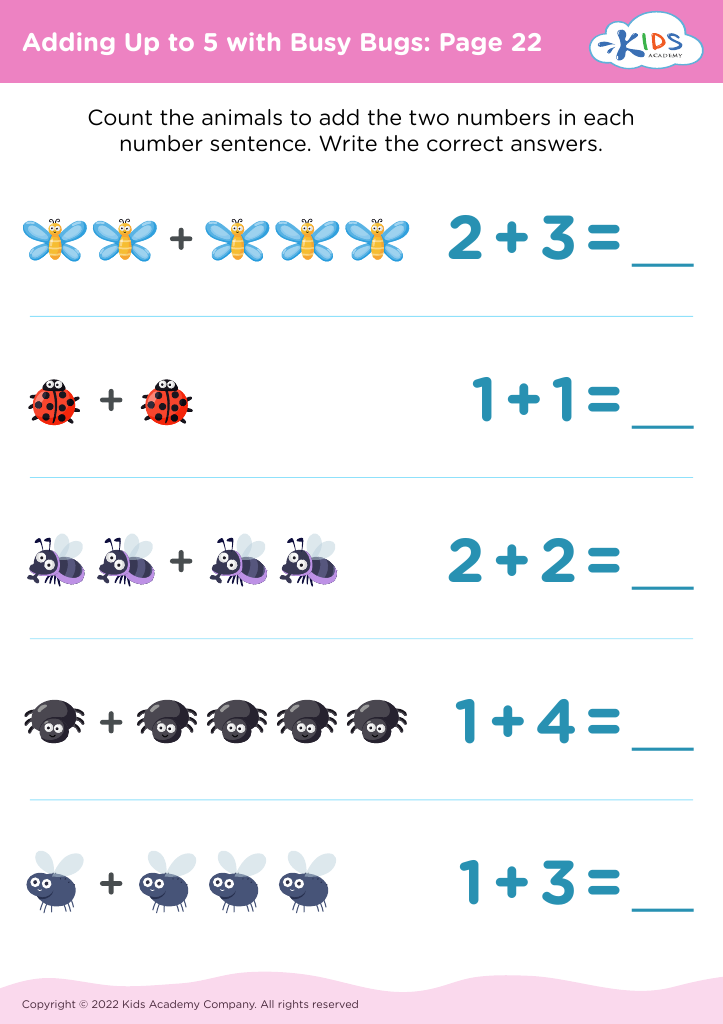
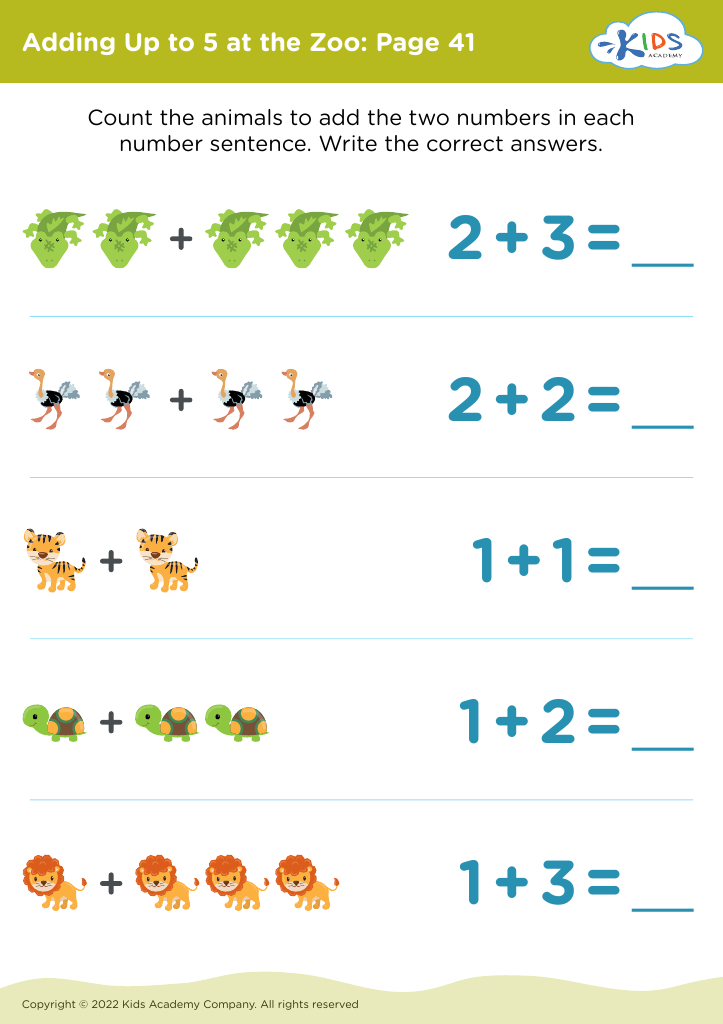
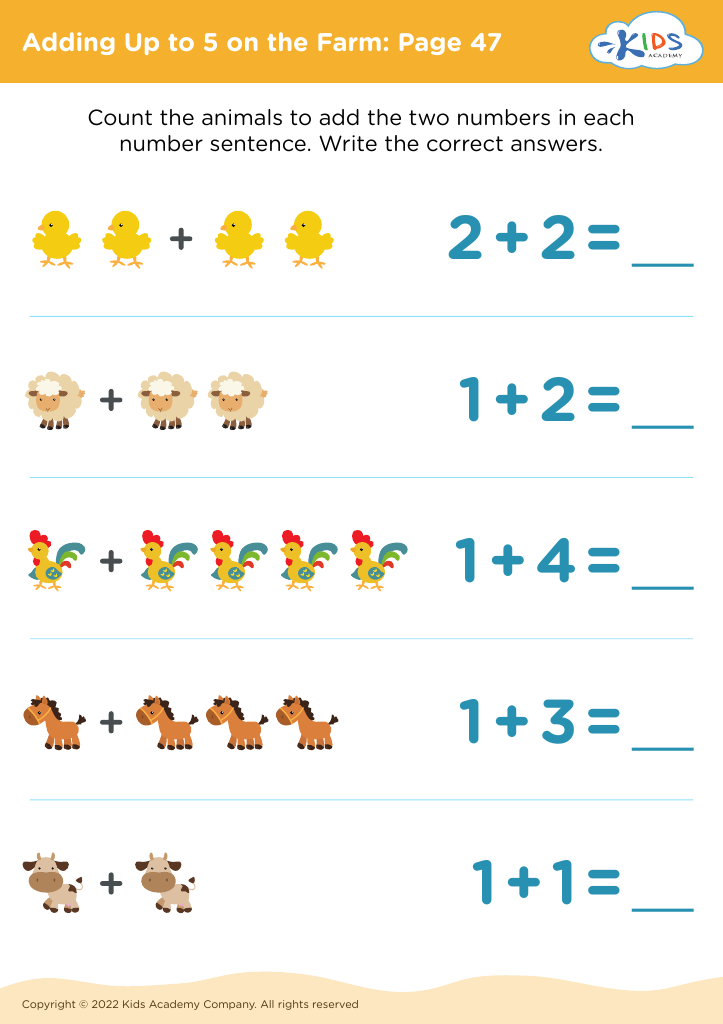
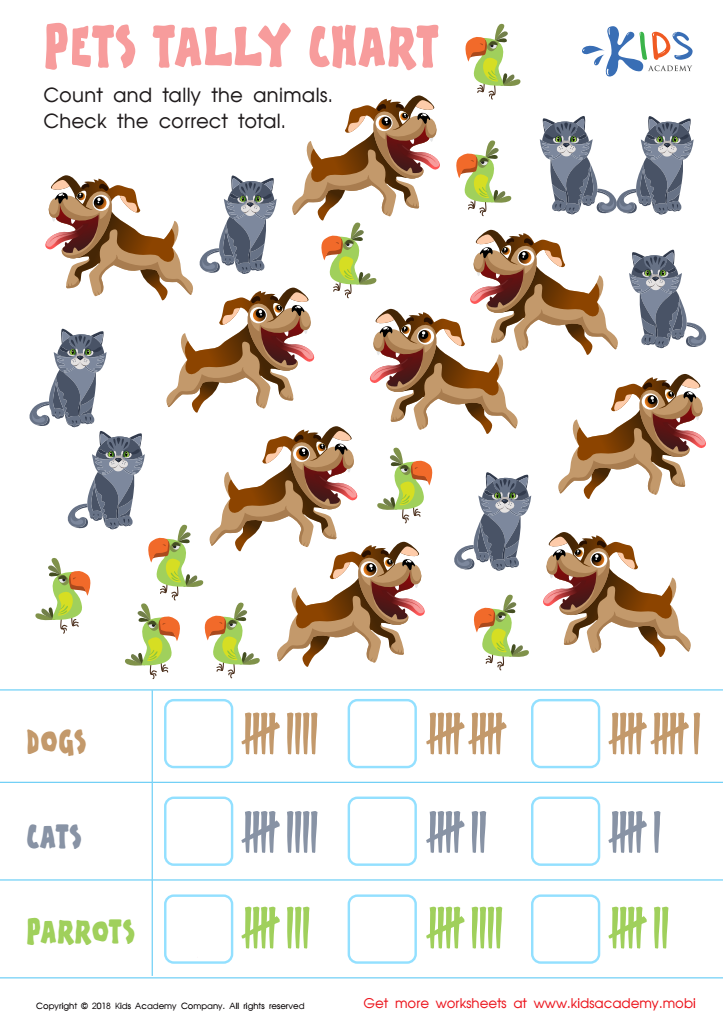
Pets Tally Chart Worksheet
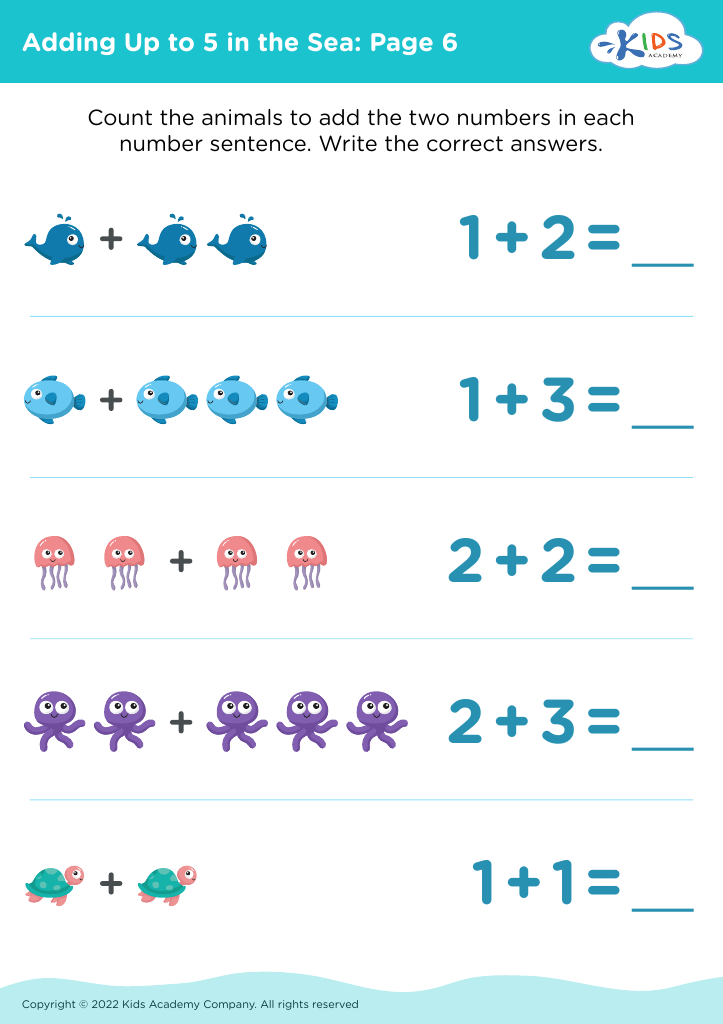
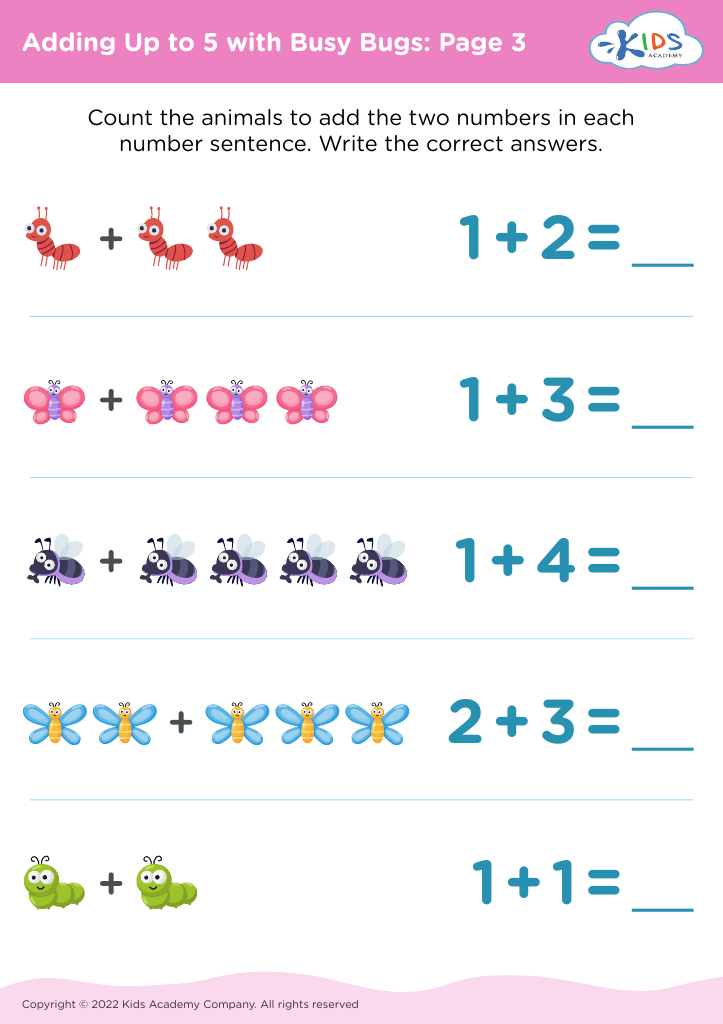
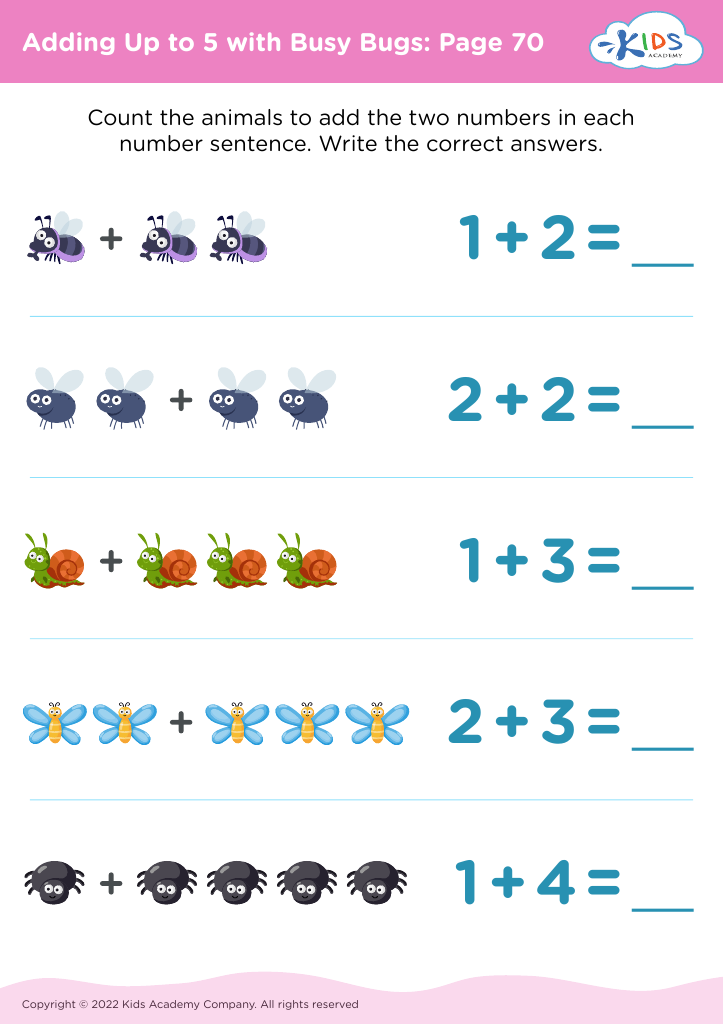
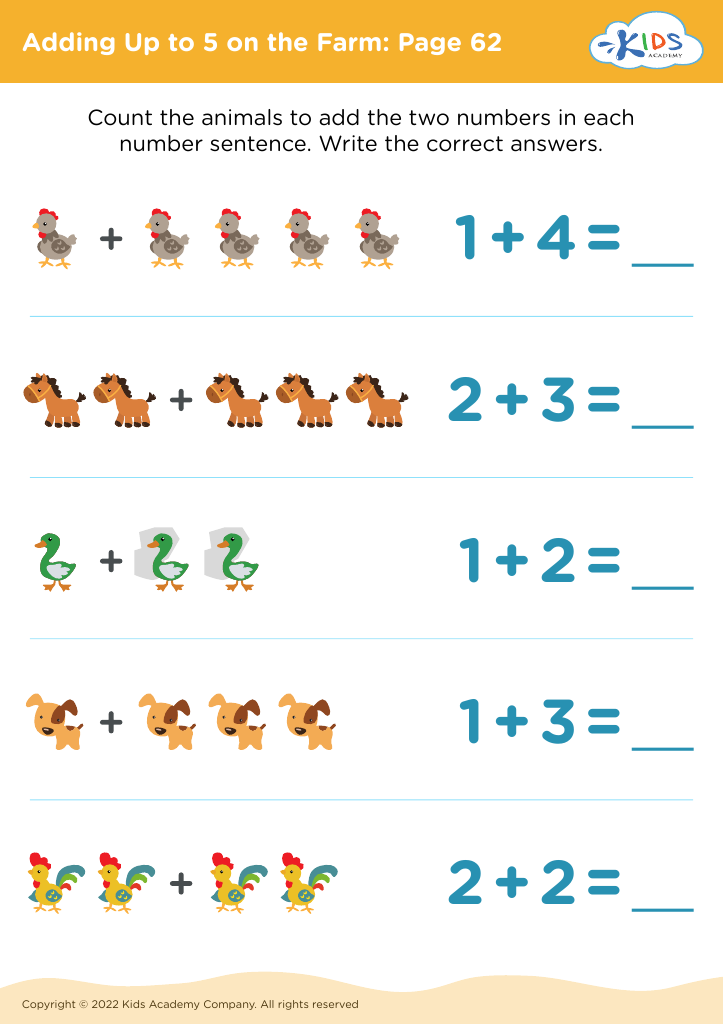
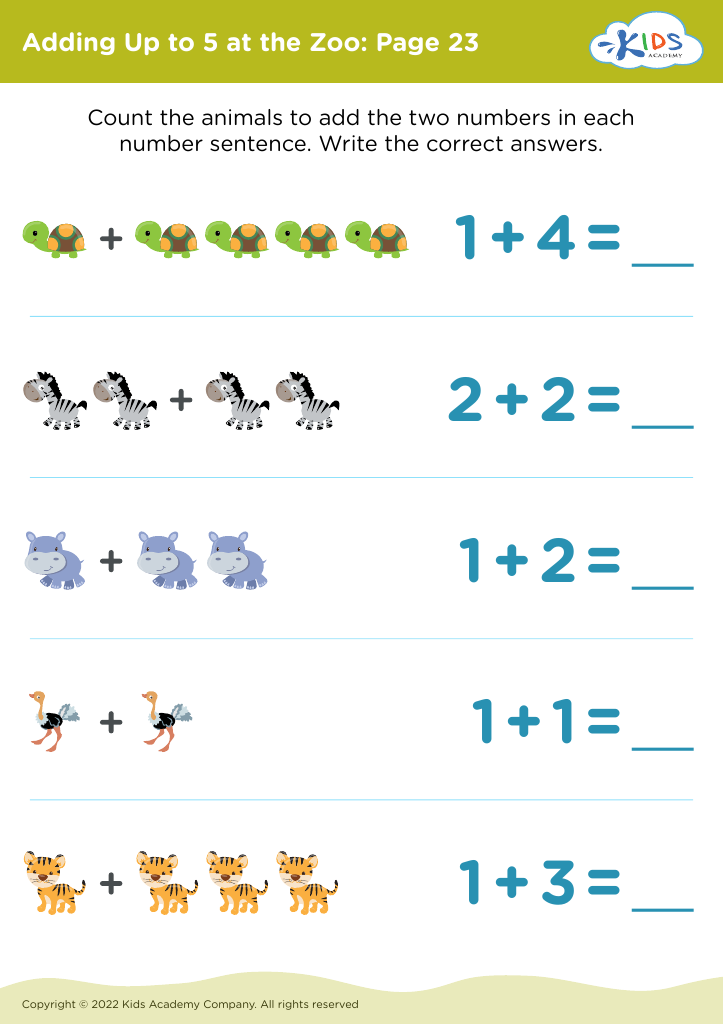
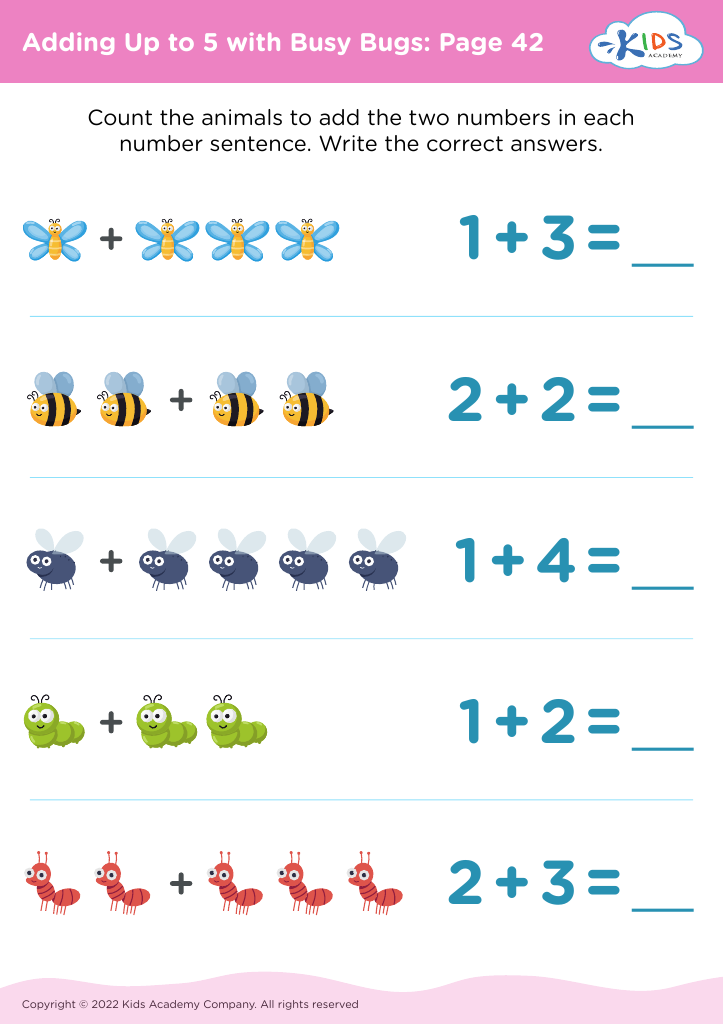
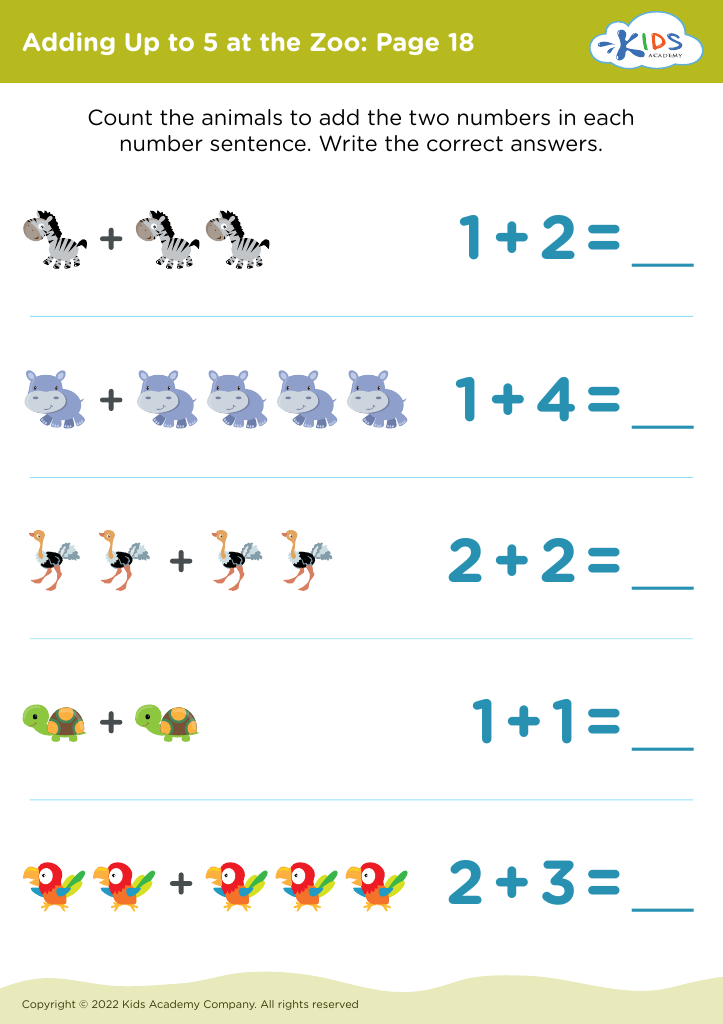
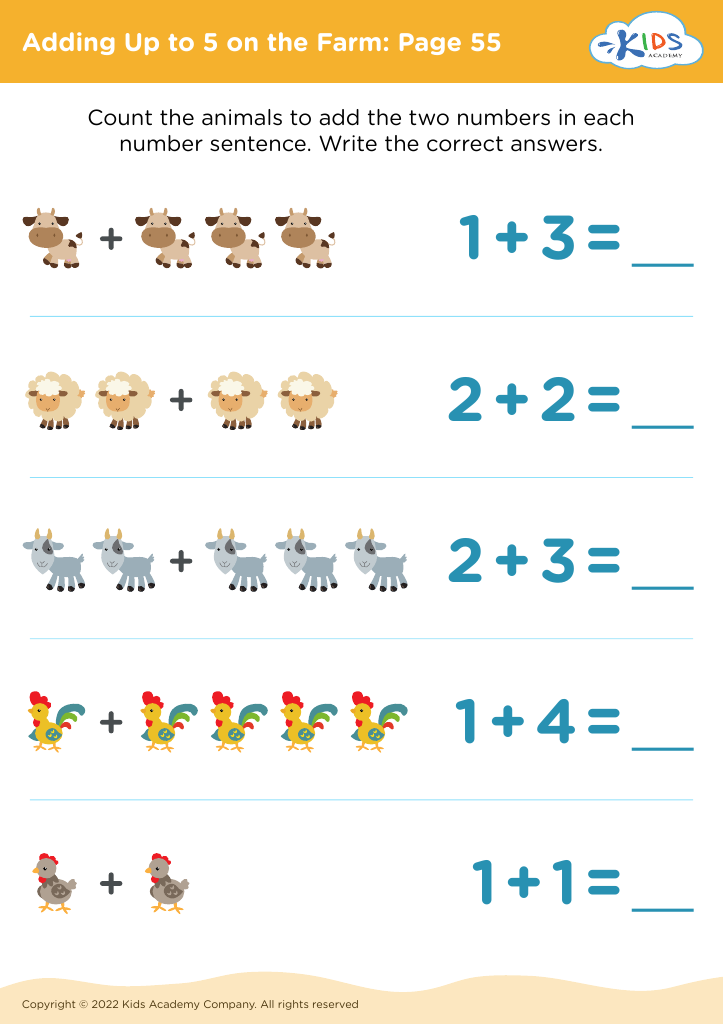



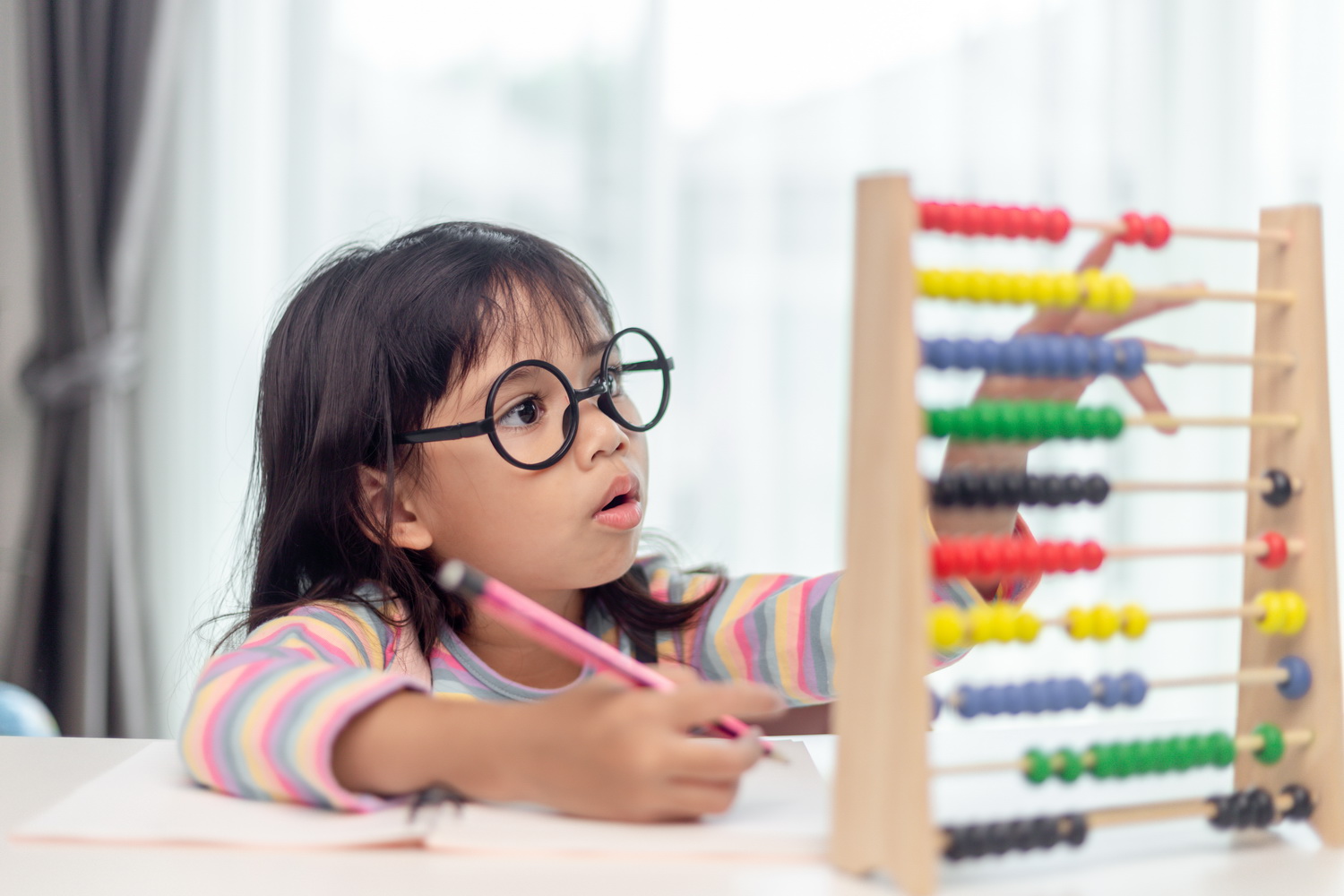



Counting practice in math for children aged 3-9 is foundational for their numerical understanding and has lasting benefits for their educational journey. At a young age, children are developing critical cognitive skills, and counting helps to build a strong number sense. This early exposure is crucial as it introduces basic concepts such as quantity, sequence, and the ability to compare and contrast.
For parents and teachers, fostering these skills through counting practice supports not only mathematical development but also language, problem-solving, and logical reasoning. Activities like counting objects, using number songs, or playing counting games make the learning process enjoyable and engaging, which enhances retention and fosters a positive attitude towards math.
Additionally, early counting proficiency correlates with future success in more complex mathematical concepts. As children enter formal schooling, they will encounter arithmetic, measurement, and data interpretation, all of which build upon foundational counting skills.
Counting practice also aids in developing fine motor skills and concentration. When children manipulate objects to count, they refine their hand-eye coordination and attentiveness. Ultimately, integrating counting practice within daily routines creates a seamless learning experience, making math an accessible and integral part of a child's world. By emphasizing counting practice, parents and teachers lay a crucial groundwork that supports overall academic success and a lifelong love for learning.








