Critical thinking enhancement Math Worksheets for Ages 3-9
6 filtered results
-
From - To
Discover our engaging Critical Thinking Enhancement Math Worksheets designed for children ages 3-9! Our curated collection empowers young learners to cultivate essential problem-solving and analytical skills through fun, interactive exercises. Each worksheet is crafted to challenge emerging minds, encouraging creative thinking and logical reasoning. With activities that incorporate math concepts, spatial awareness, and pattern recognition, kids will build a strong foundation for future academic success. Perfect for home or classroom use, our worksheets motivate children to think independently while nurturing their love for learning. Start enhancing your child's critical thinking skills today with our captivating math resources!

Around the Globe Worksheet
 Assign to My Students
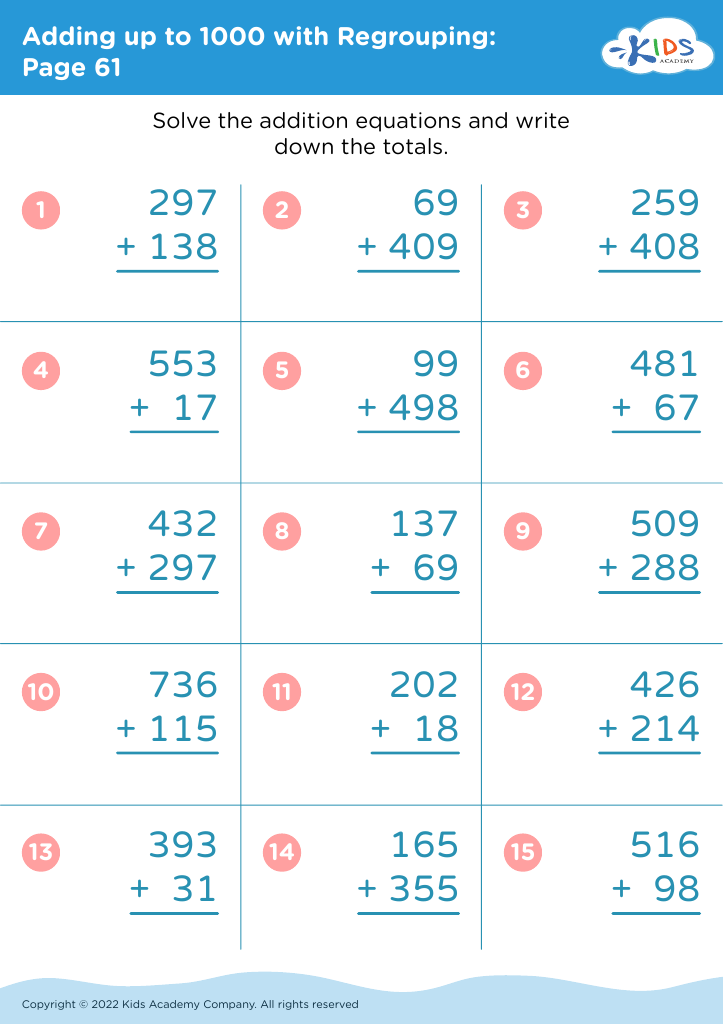
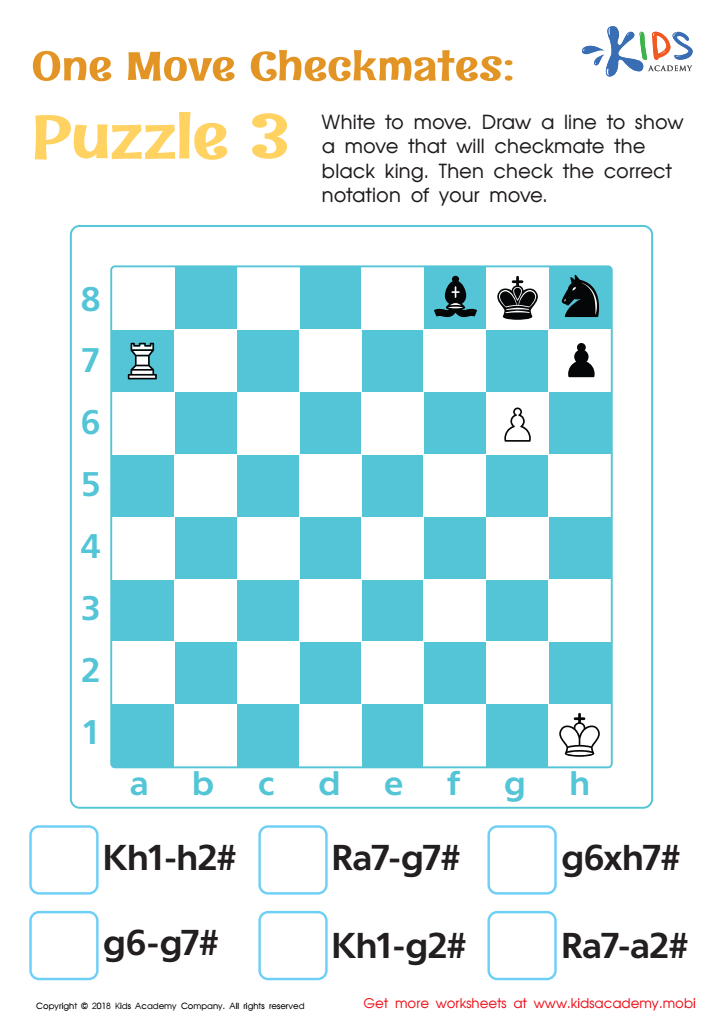
One Move Checkmates: Puzzle 3 Worksheet

Dividing with Landforms
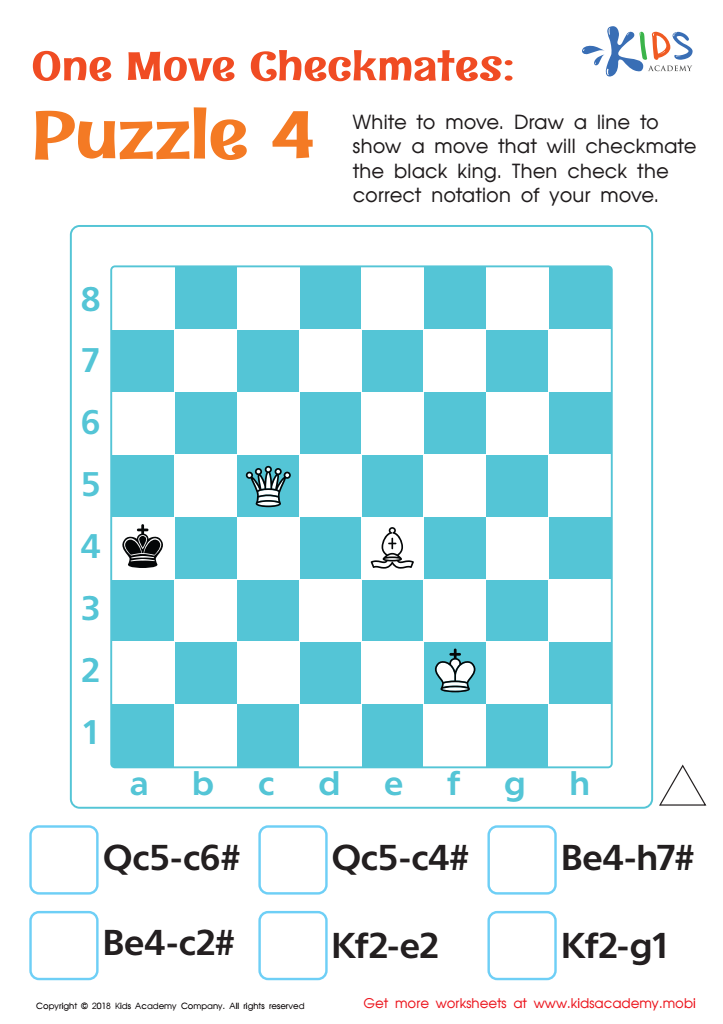
One Move Checkmates: Puzzle 4 Worksheet
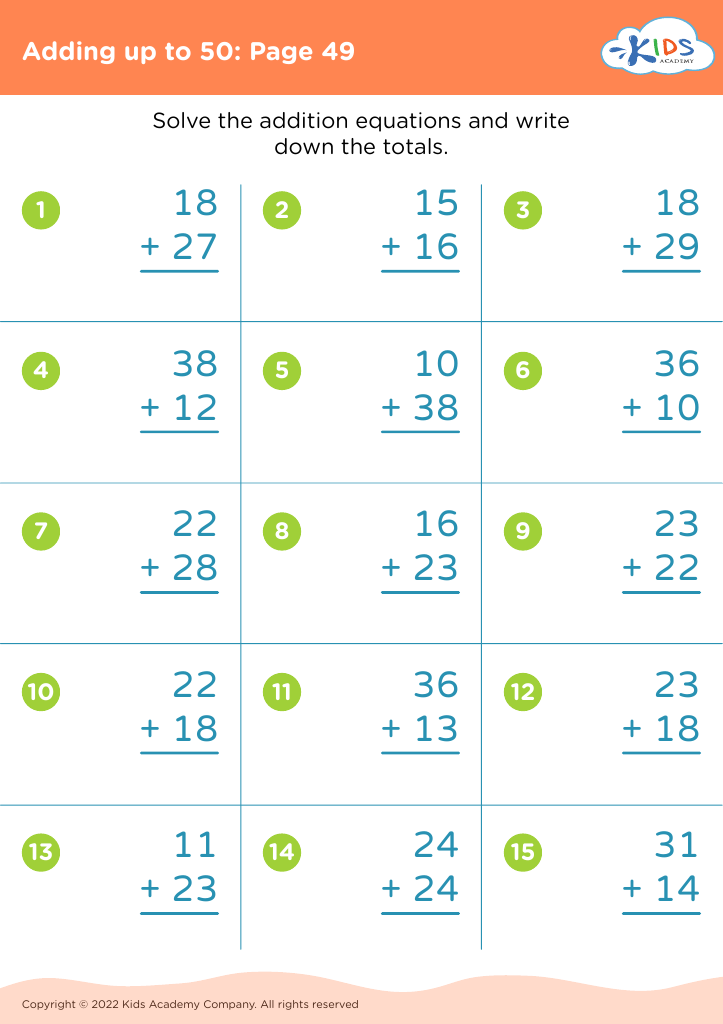








Critical thinking enhancement in math for children ages 3-9 is essential for several reasons. First, this early stage of development is crucial for laying a solid foundation in cognitive skills. Engaging children in critical thinking activities—such as problem-solving, pattern recognition, and logical reasoning—encourages them to explore mathematical concepts deeply and improves their ability to think creatively.
Secondly, critical thinking fosters independence. By learning to analyze, evaluate, and synthesize information, children become adept at tackling challenges on their own. This growth in self-reliance builds confidence, encouraging them to embrace difficulties rather than shy away from them.
Additionally, in our fast-paced and technology-driven world, the ability to think critically is more important than ever. Children equipped with these skills are better prepared for future academic demands and real-world applications, enabling them to navigate complex situations and make informed decisions.
Finally, enhancing critical thinking in math helps develop a love for learning. When children actively engage with mathematical concepts and understand their relevance in daily life, they are more likely to remain motivated and curious. Thus, parents and teachers should prioritize critical thinking in early math education to ensure today’s learners become tomorrow’s innovative thinkers.








