Develop analytical thinking Math Worksheets for Ages 3-9
3 filtered results
-
From - To
Boost your child's analytical abilities with our curated math worksheets for ages 3-9. At Kids Academy, we design engaging and age-appropriate activities that build essential analytical skills. Our printables encourage logical thinking, problem-solving, and pattern recognition through fun, interactive exercises. With a variety of topics including counting, shapes, and simple arithmetic, each worksheet is tailored to challenge young minds and foster a love for math. Perfect for both classroom and at-home learning, our resources aim to make mastering math an enjoyable and rewarding experience. Invest in your child's future with Kids Academy's expert-designed analytical thinking math worksheets.
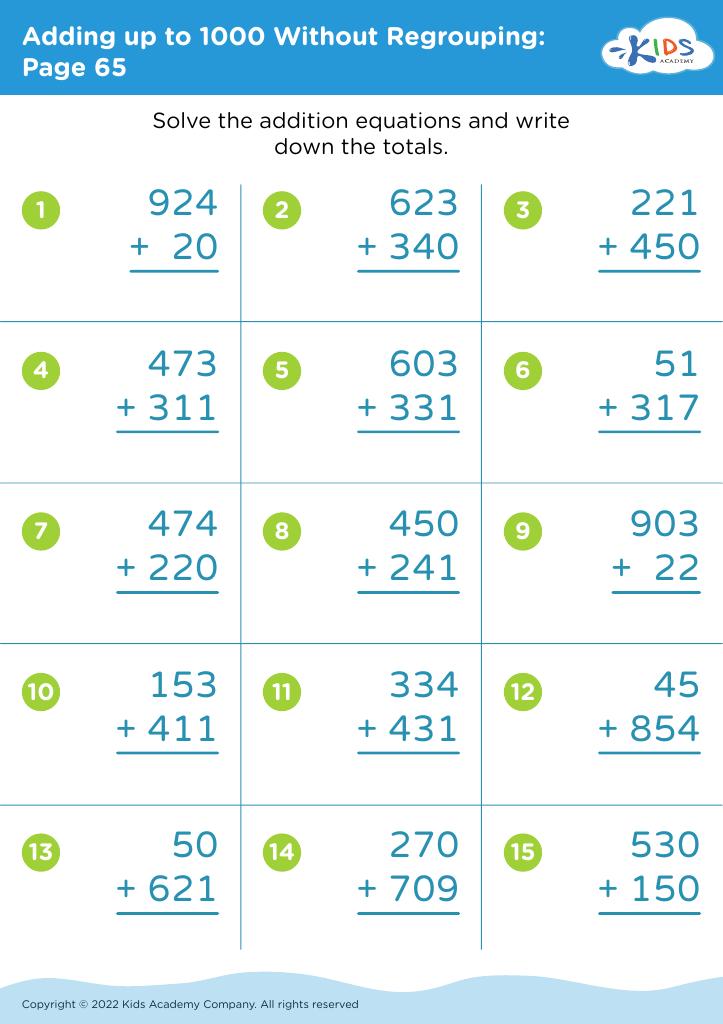
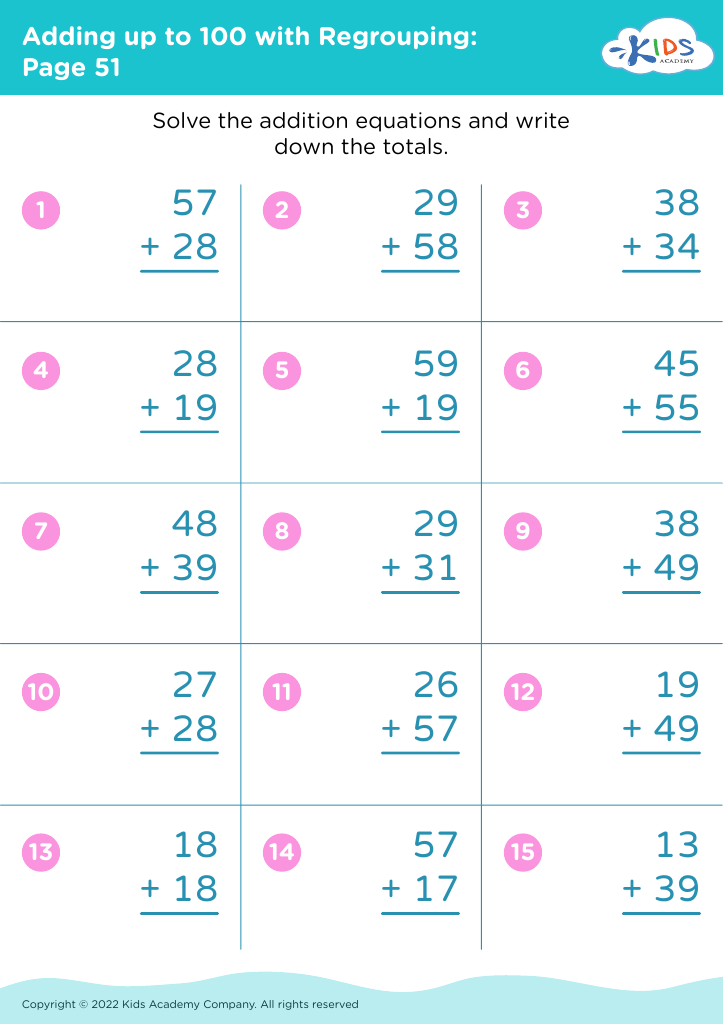
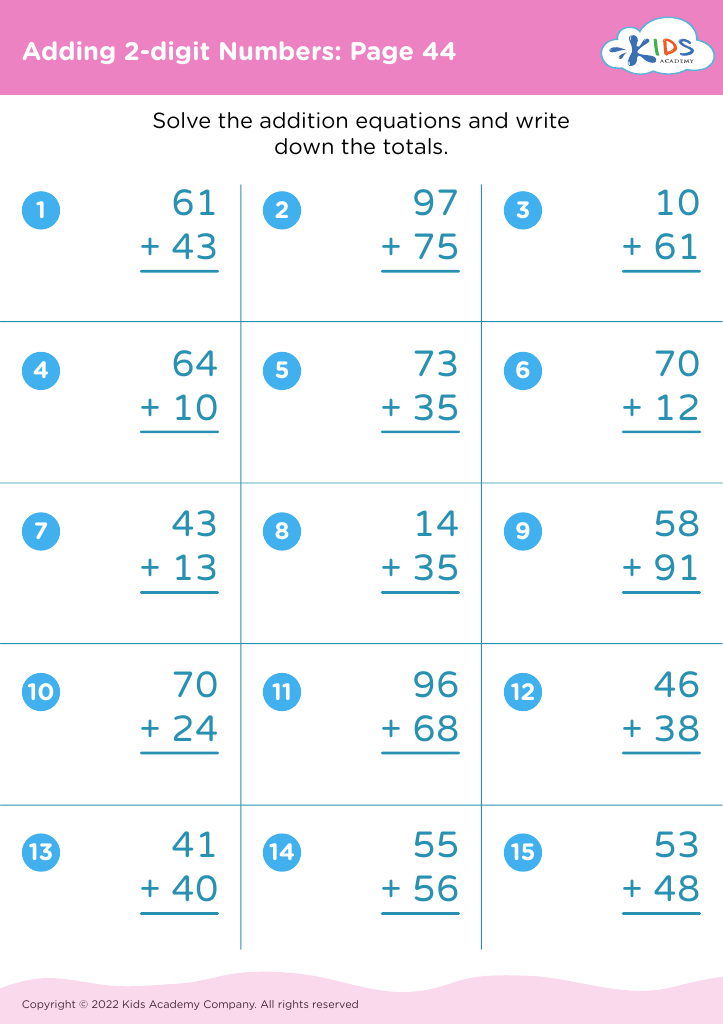








Developing analytical thinking in math for children aged 3-9 is crucial for laying a solid educational foundation. At this formative age, children's brains are highly receptive to new concepts, and fostering analytical thinking can significantly enhance their cognitive development. Analytical thinking involves breaking down complex problems into manageable parts, recognizing patterns, and applying logical reasoning. These skills are transferable across various subjects, boosting overall intellectual growth.
Parents and teachers who emphasize analytical thinking in math help children develop problem-solving abilities that are essential in everyday life. For instance, understanding mathematical concepts like shapes, numbers, and measurements can help in grasping more complex subjects later on. It also enhances non-mathematical skills such as critical thinking, creativity, and the ability to make reasoned decisions.
Moreover, early exposure to analytical thinking can increase confidence and motivation in children. When kids learn to solve problems and recognize patterns, they feel a sense of accomplishment that encourages a positive attitude towards learning.
Analytical thinking also promotes perseverance and resilience. As children encounter challenges and learn to approach them methodically, they develop the persistence needed to overcome obstacles. This early investment in developing these skills equips children not just for academic success, but for navigating life's complexities more effectively.








