Developing logical thinking Math Worksheets for Ages 3-9
7 filtered results
-
From - To
Discover a world of engaging math worksheets designed to enhance logical thinking for children ages 3-9. Our carefully crafted resources foster critical cognitive skills, encouraging young learners to think analytically and solve problems creatively. Through fun exercises that include puzzles, pattern recognition, and basic problem-solving scenarios, these worksheets stimulate mental development while making math enjoyable. Perfect for parents and teachers alike, our printable worksheets support early math education at home or in the classroom. Equip your child with the foundational skills they need to excel in math and beyond, all while embracing the joy of learning through play and exploration!
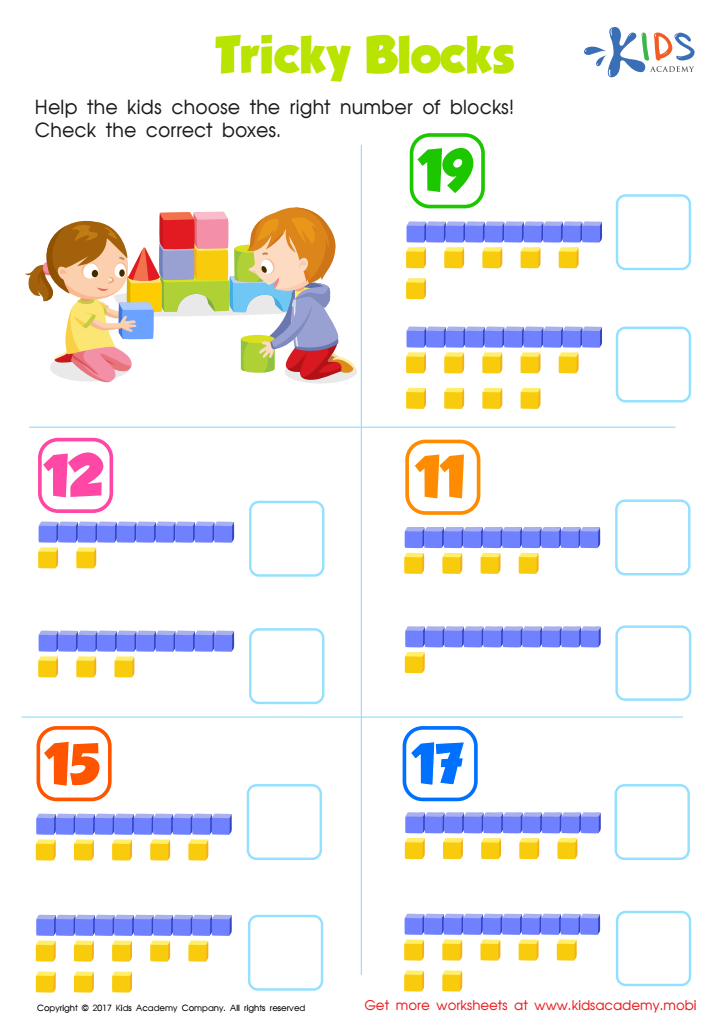
Tricky Blocks Worksheet
 Assign to My Students
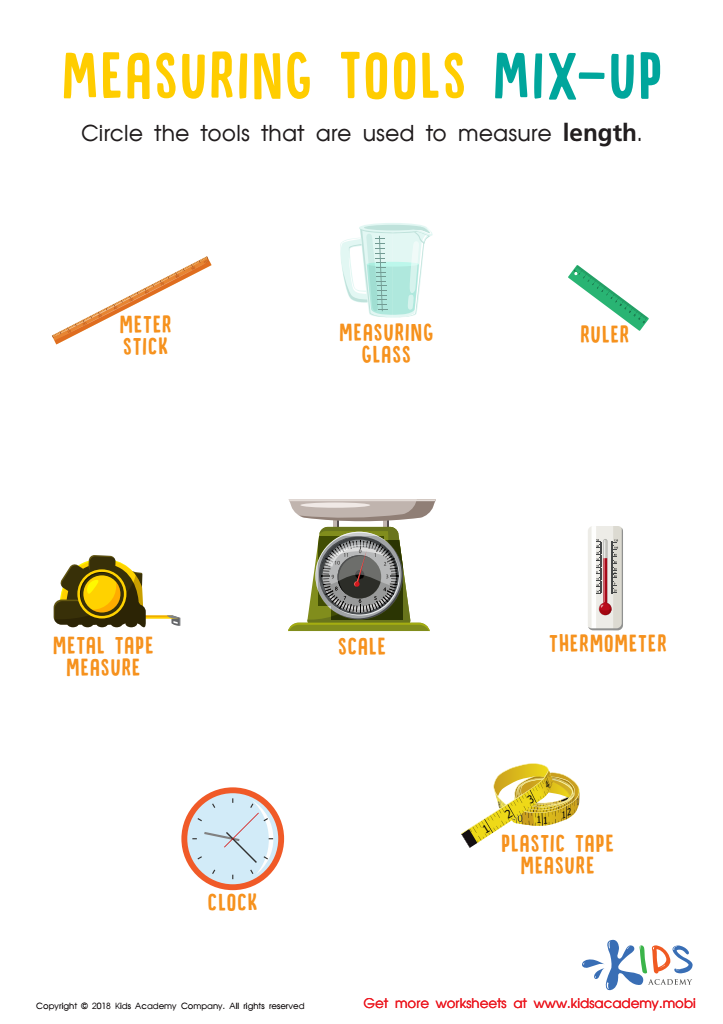
Measuring Tools Mix–up Worksheet
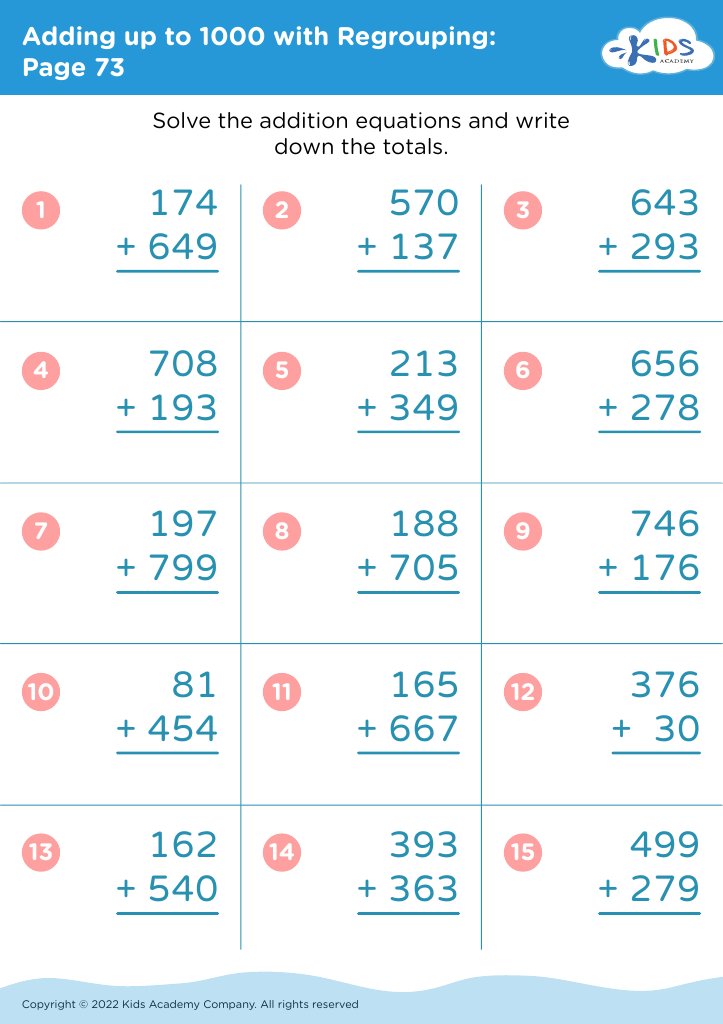
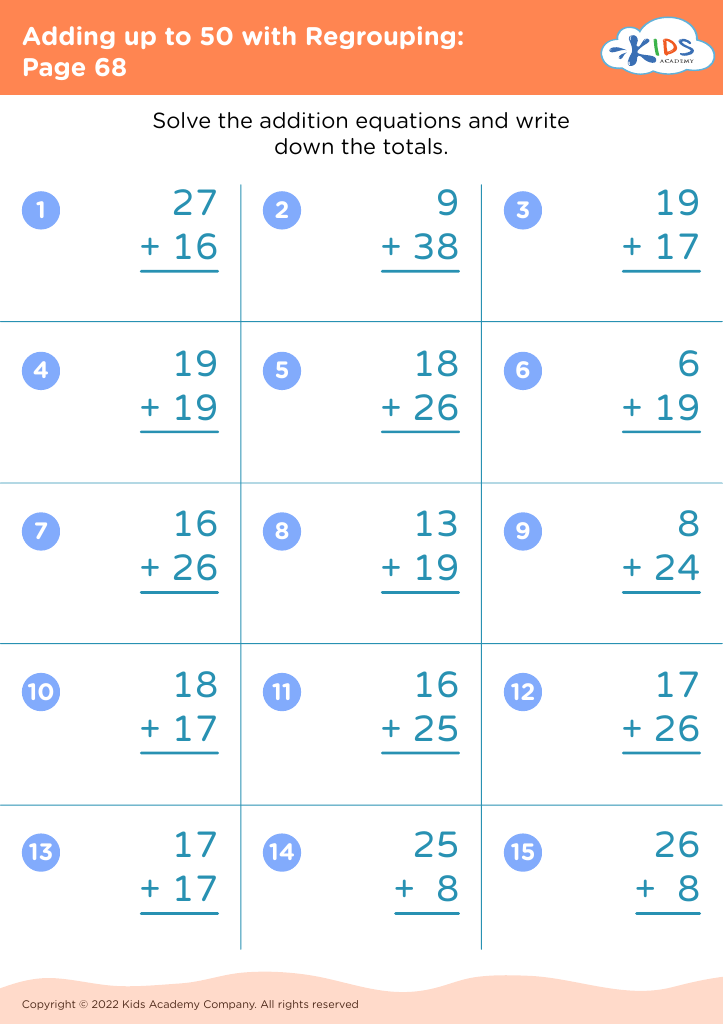
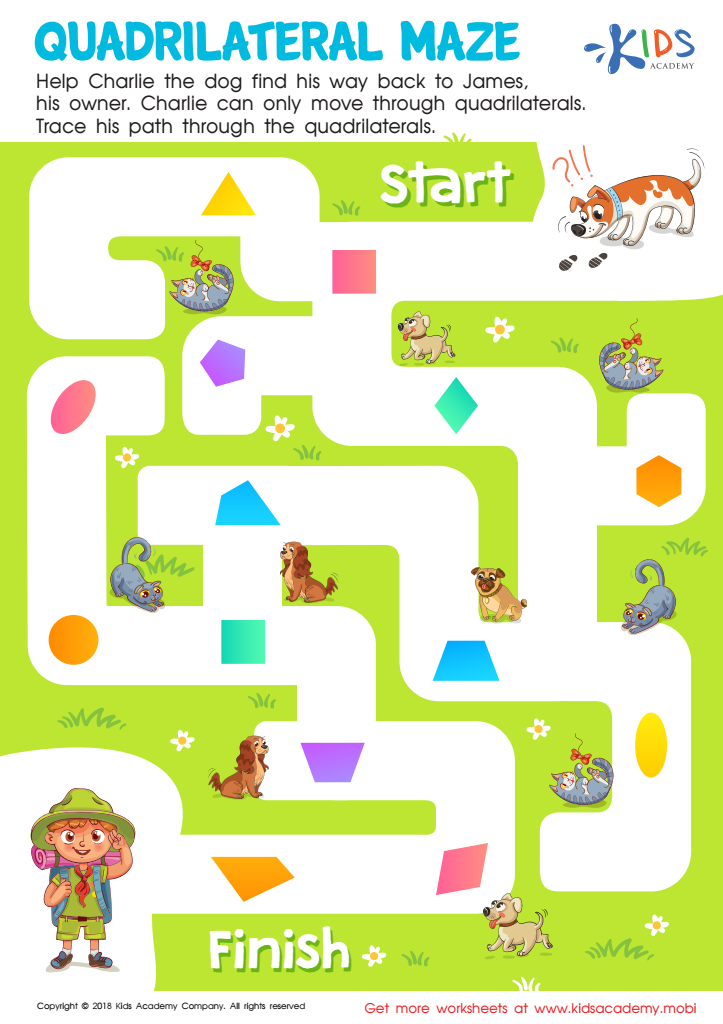
Quadrilateral Maze Worksheet
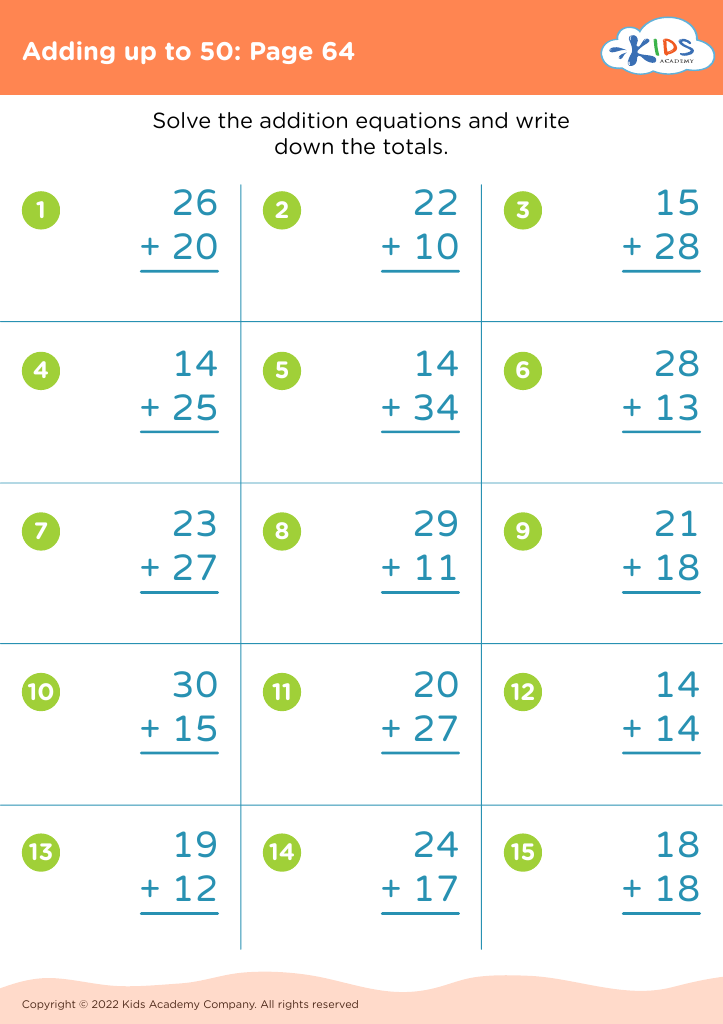
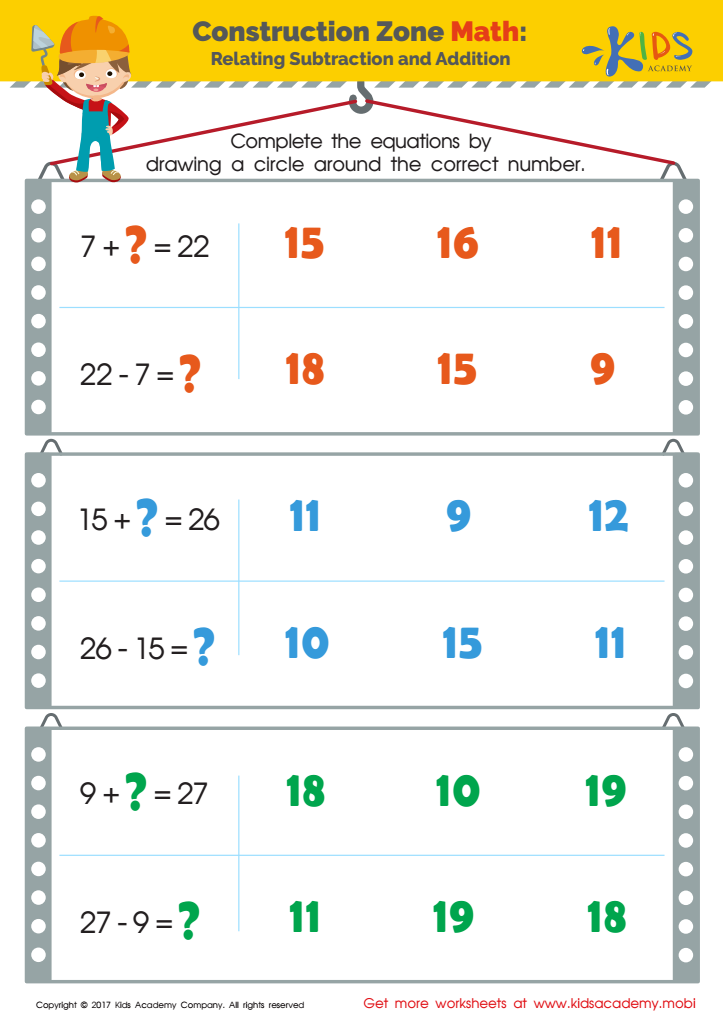
Related Addition and Subtraction Facts Worksheet








Developing logical thinking in math for children aged 3 to 9 is crucial for their overall cognitive development and future academic success. During these formative years, children are naturally curious and eager to explore. Engaging them in logical mathematical thinking helps strengthen their problem-solving abilities, which are not only essential in mathematics but also in everyday life.
Logical thinking fosters critical skills such as reasoning, pattern recognition, and sequential thinking. By introducing concepts such as basic operations, recognizing shapes, and understanding simple patterns, parents and teachers lay the groundwork for advanced mathematical concepts down the line. For example, understanding sequences and relationships in early math supports skills in areas like science and technology, areas that increasingly influence modern careers.
Moreover, children who develop strong logical thinking skills tend to exhibit higher confidence in their academic abilities. They learn to approach problems methodically, promoting perseverance and a growth mindset. By nurturing these skills early on, parents and teachers equip children with the tools they need to tackle challenges throughout their educational journey. Ultimately, fostering logical thinking in math at a young age empowers children to view mathematics as an enjoyable and invaluable part of their learning experience and fosters a lifelong appreciation for the subject.








