Fine Motor Skills Math Worksheets for Ages 3-9 - Page 9
211 filtered results
-
From - To
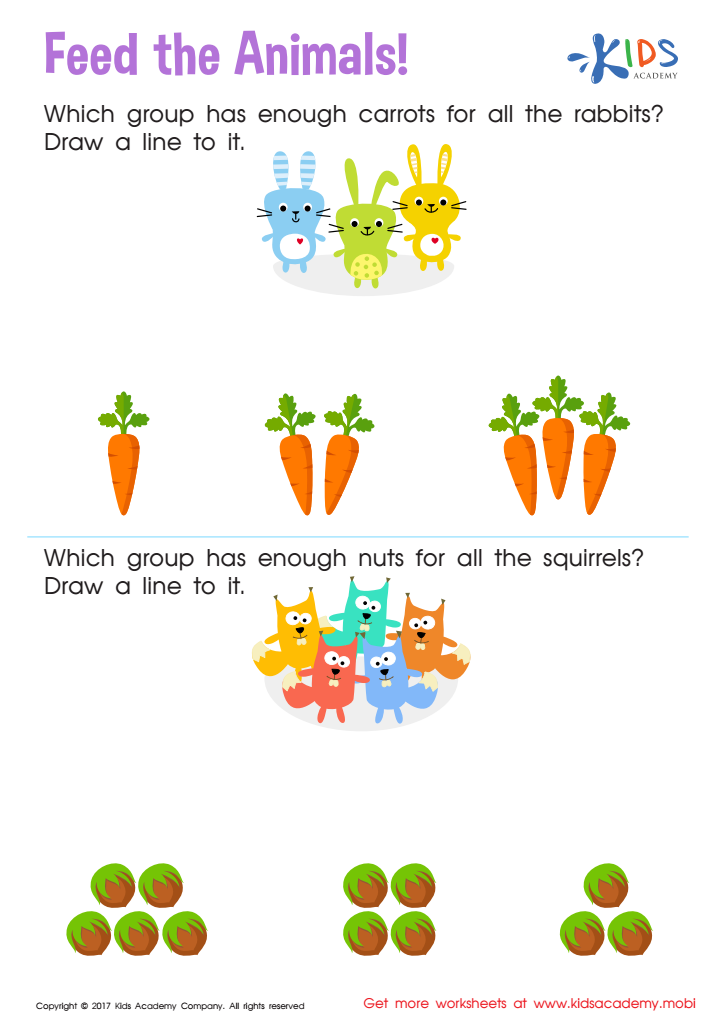
Count and Match: Feed the Animals Worksheet
 Assign to My Students
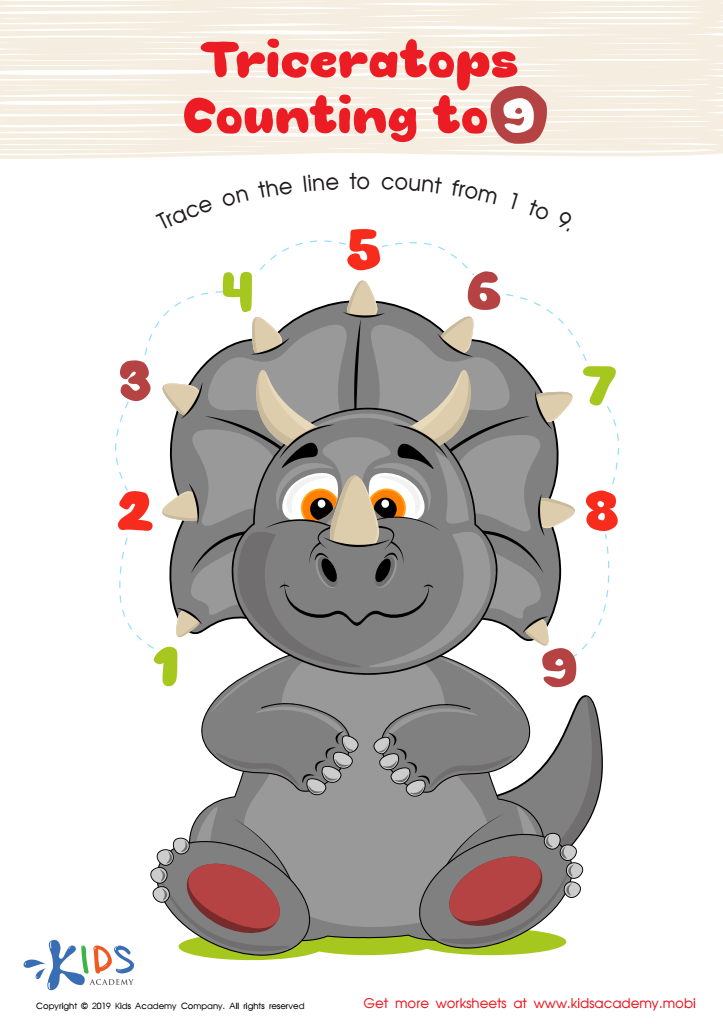
Triceratops Counting to 9 Worksheet

Great Hornbill – Coloring by Numbers

Counting on the City Skyline: Dot-to-Dot Worksheet
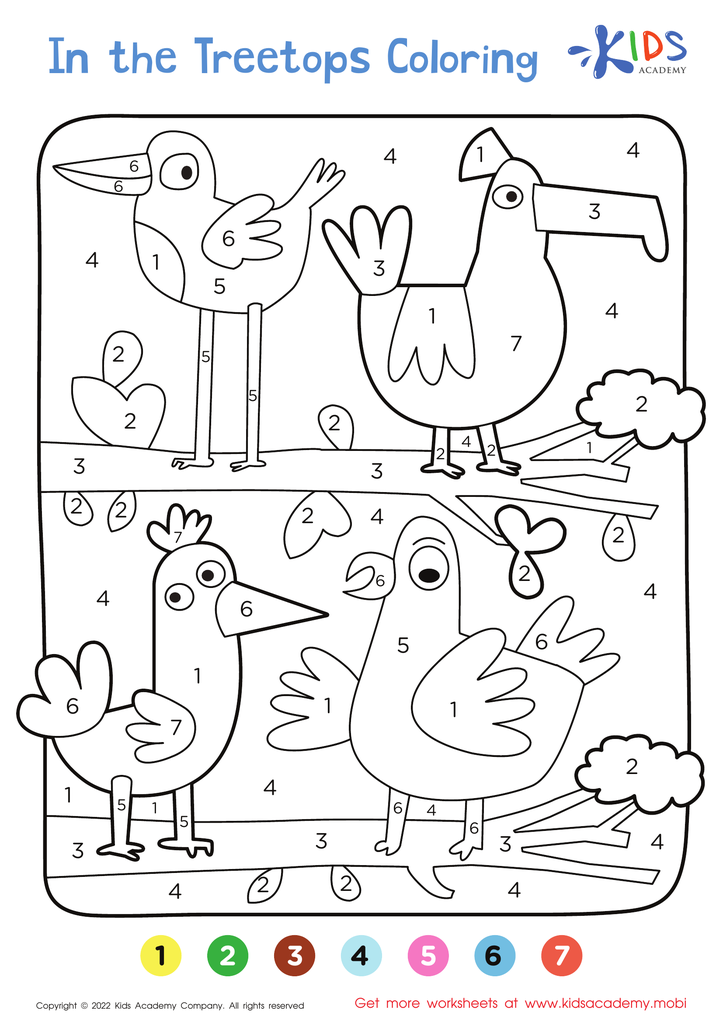
In the Treetops – Coloring Page
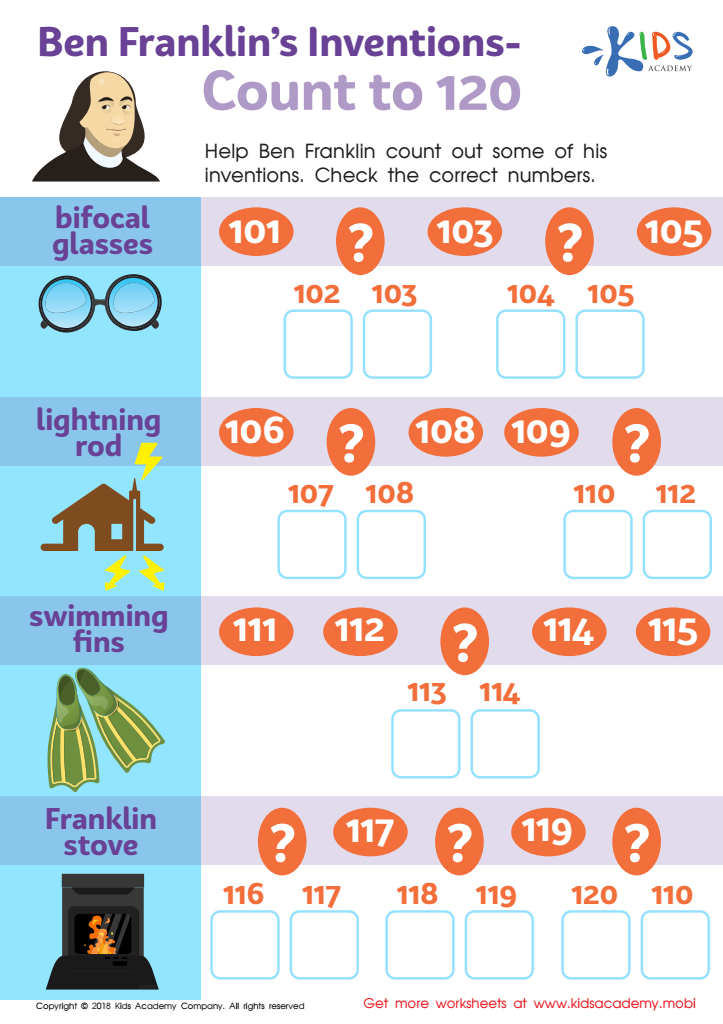
Ben Franklin’s Inventions – Count to 120 Worksheet

Twinkle, Twinkle, Little Star – Coloring by Numbers
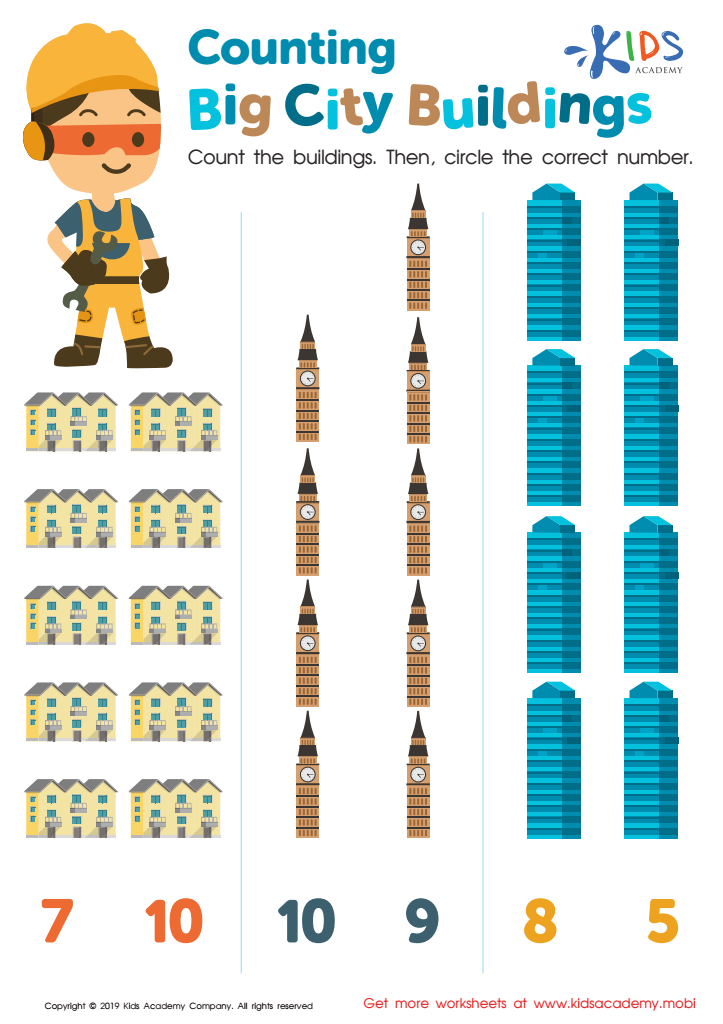
Counting Big City Buildings Worksheet
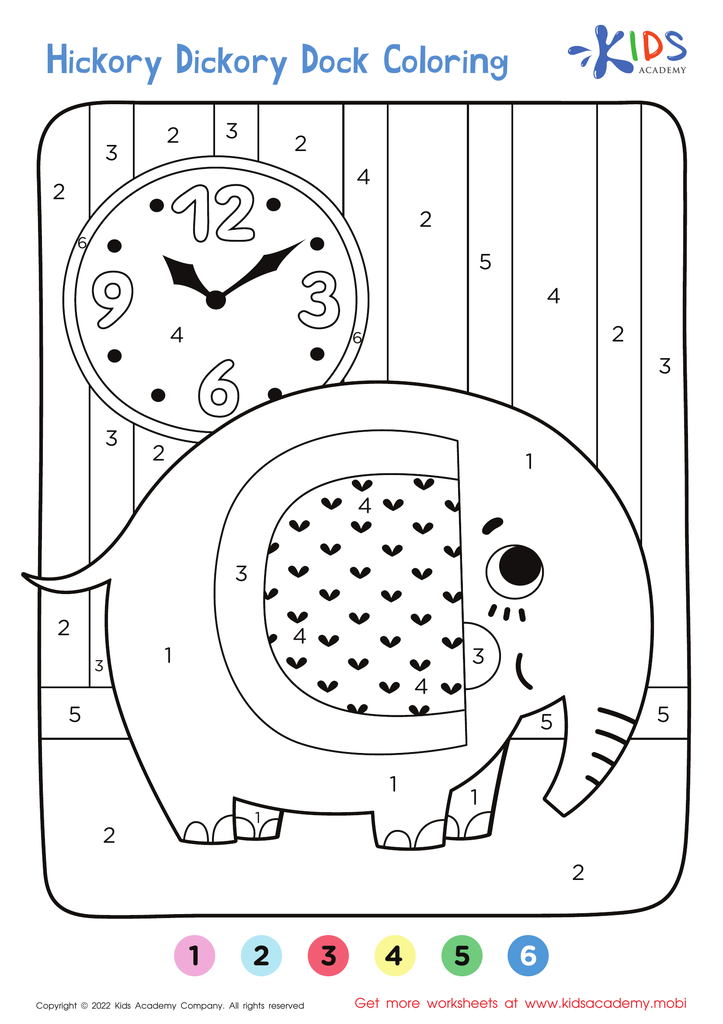
Hickory Dickory Dock – Coloring by Numbers
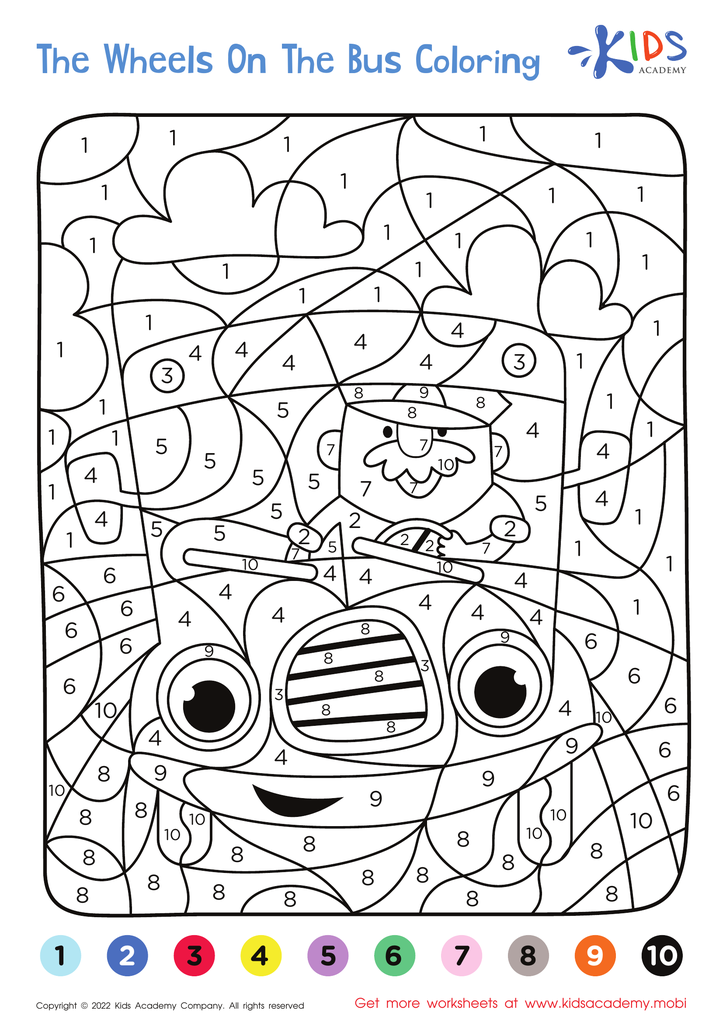
Wheels on the Bus – Coloring by Numbers
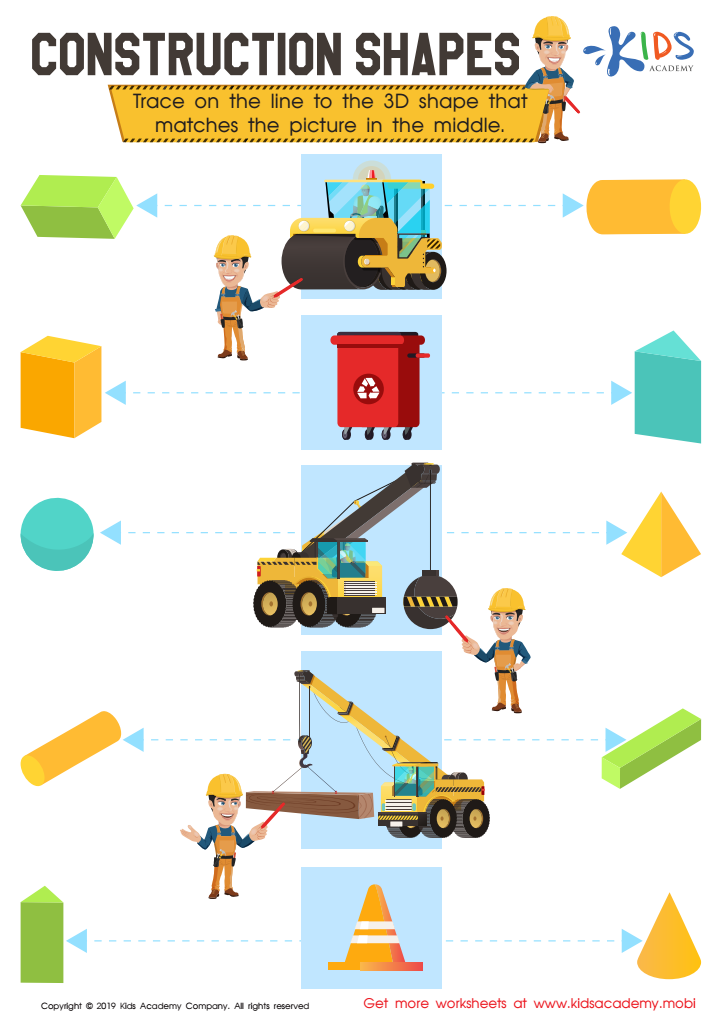
Construction Shapes Worksheet

Night Sky Numbers Worksheet

Little Chef – Coloring by Numbers
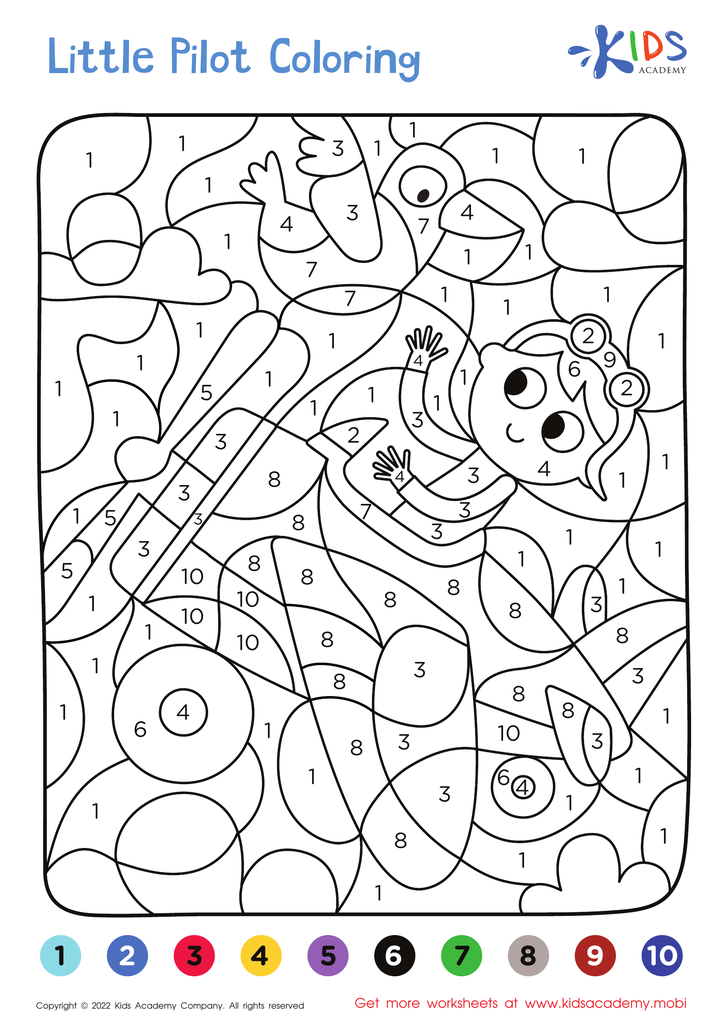
Little Pilot – Coloring by Numbers
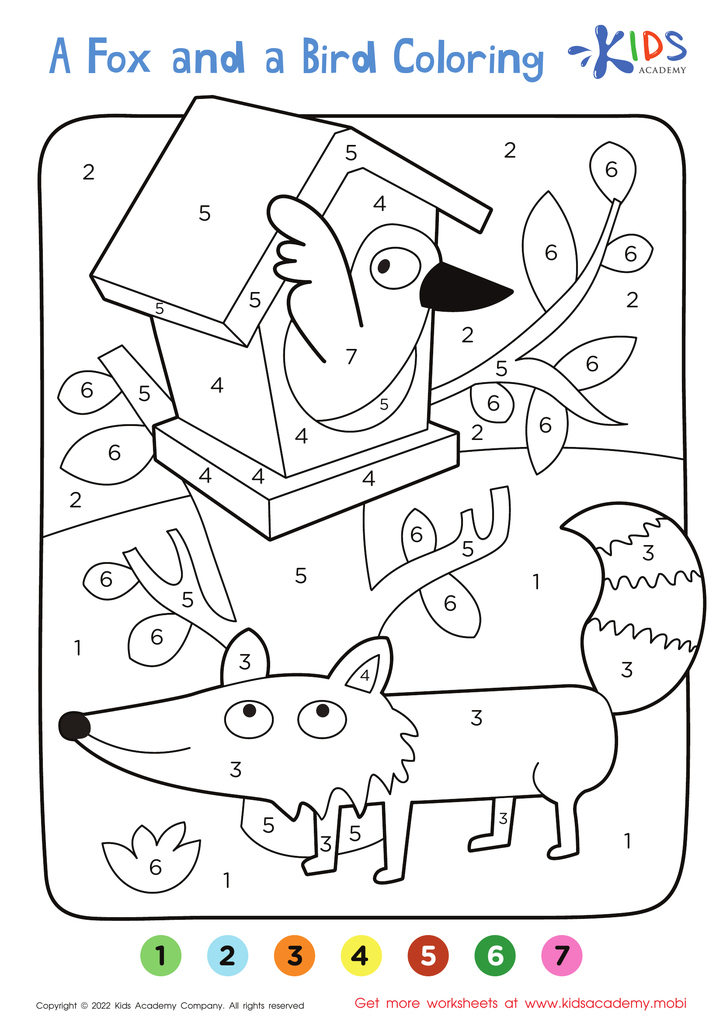
A Fox and a Bird – Coloring by Numbers
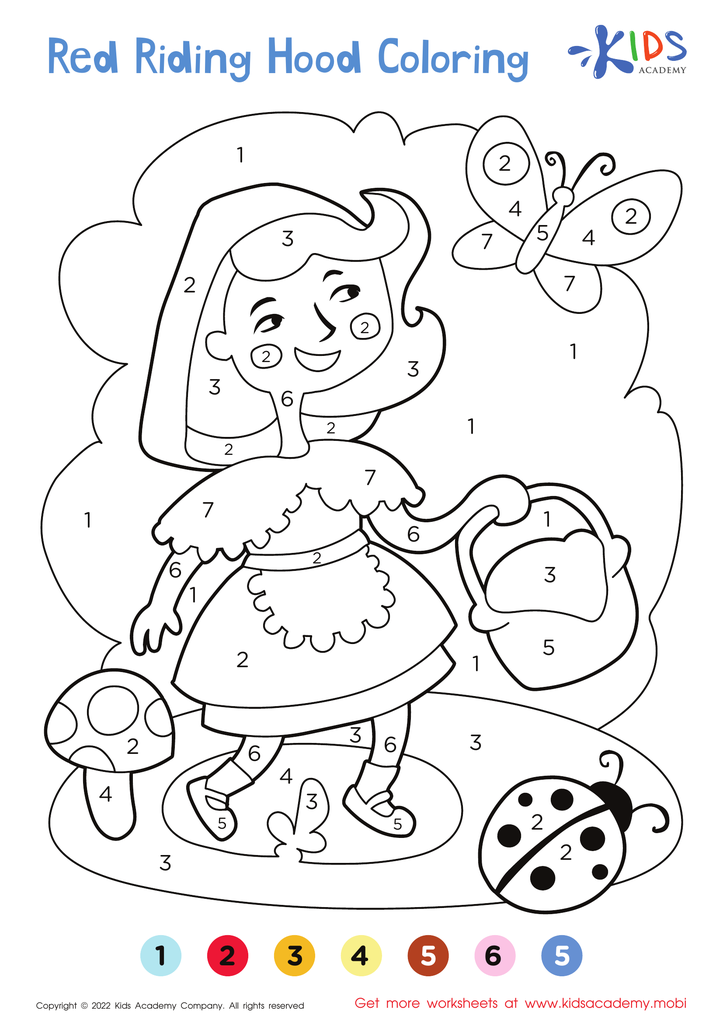
Little Red Riding Hood – Coloring by Numbers
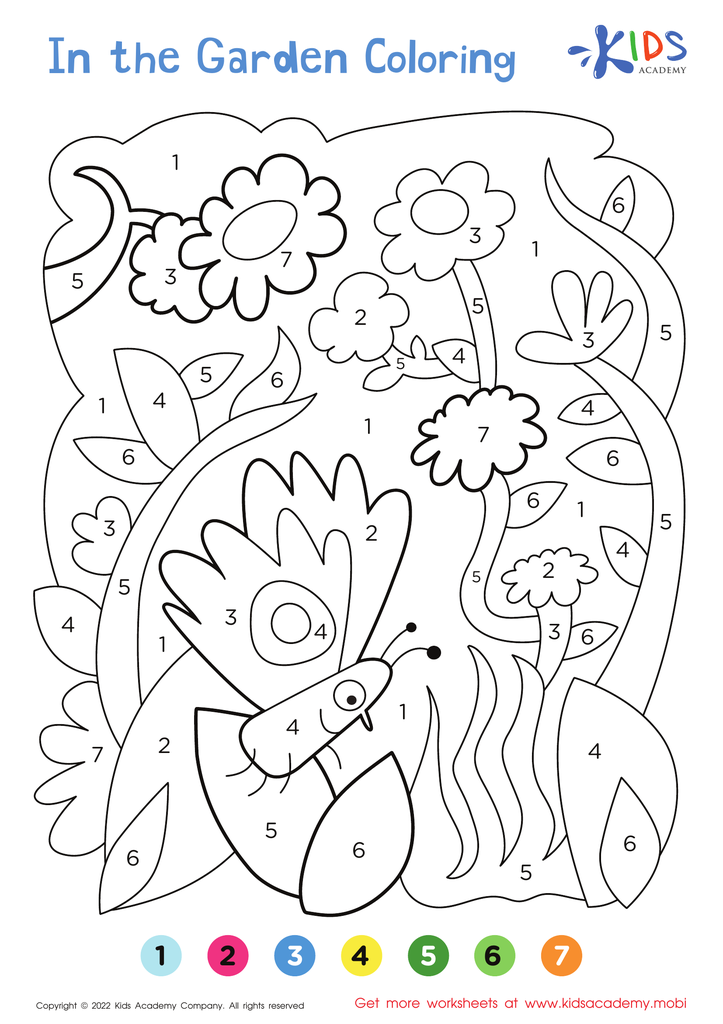
In the Garden – Coloring by Numbers


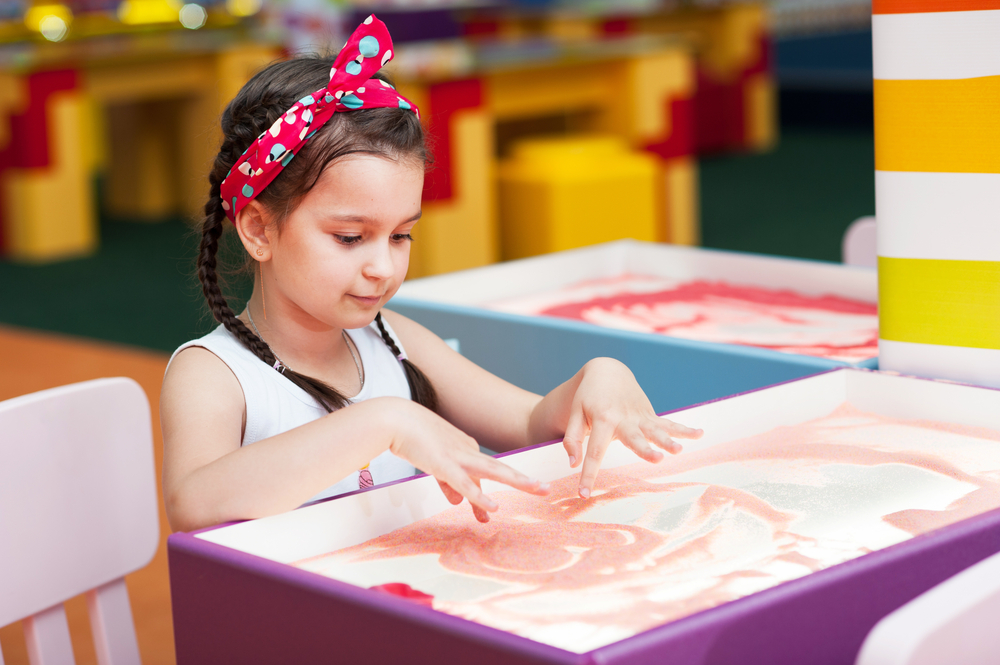





Fine motor skills, crucial for children aged 3-9, involve the coordination of small muscles, particularly in the hands and fingers, in activities like writing, cutting, and grasping small objects. Fostering these skills through math-related tasks has multiple benefits. Parents and teachers should recognize that the early development of fine motor skills directly influences a child's academic and everyday competence.
Engaging children in math activities like sorting, patterning, and measuring, which necessitate using tweezers, stringing beads, or using scissors, helps in refining their hand-eye coordination and dexterity. This physical foundation is crucial for complex academic tasks, such as drawing shapes, writing numbers, and using manipulatives—all integral parts of early math education. Improved fine motor skills translate to better pencil grip and handwriting, positively impacting literacy and overall academic performance.
Moreover, incorporating fine motor skills with math challenges cognitive development. It encourages problem-solving, spatial awareness, and critical thinking while simultaneously teaching foundational math concepts. Consistent practice not only strengthens the child's finger muscles but also builds patience and concentration, essential traits for their broader learning journey.
Investing effort into fine motor skills within a math context enhances a child's holistic development—physically, cognitively, and emotionally—setting a strong base for future educational success and life skills.








