Fraction comparison Math Worksheets for Ages 3-9 - Page 2
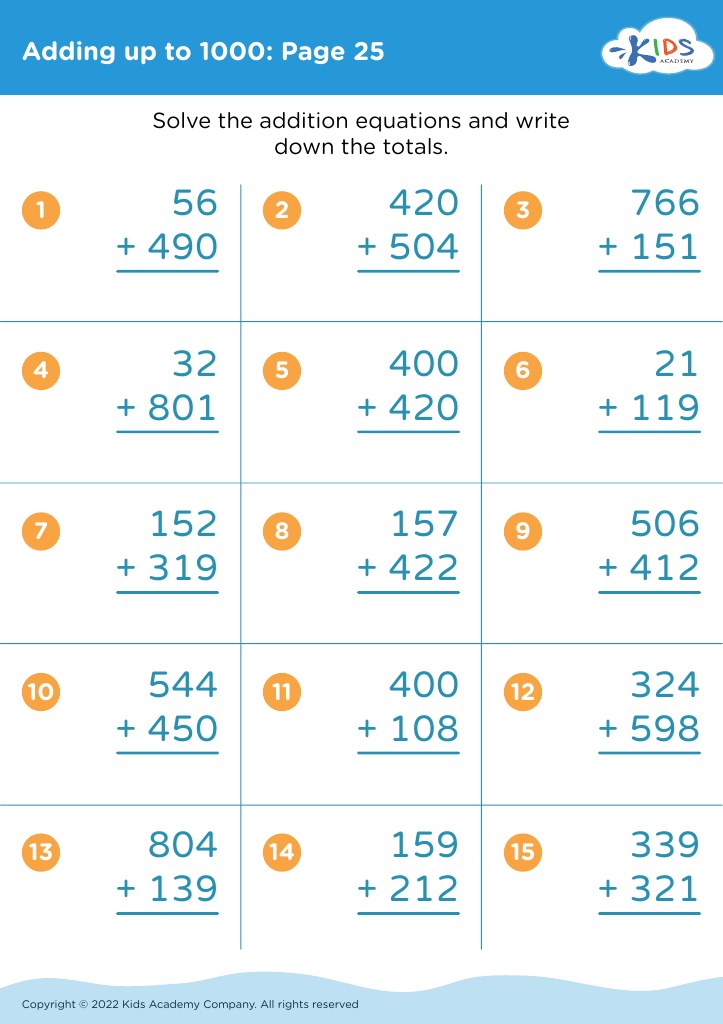
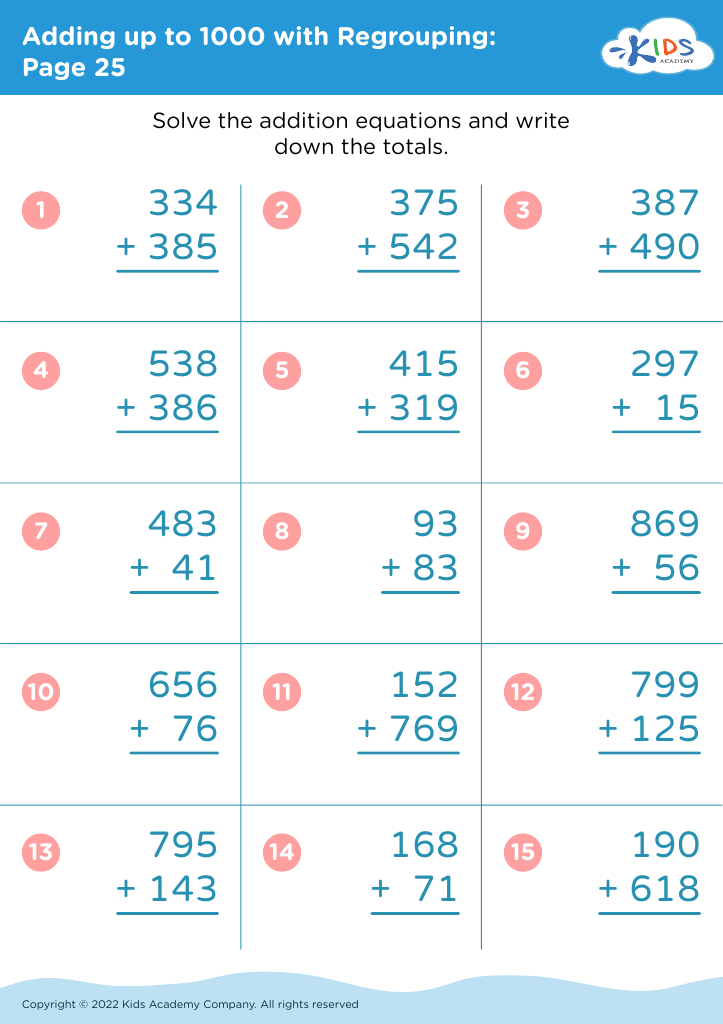
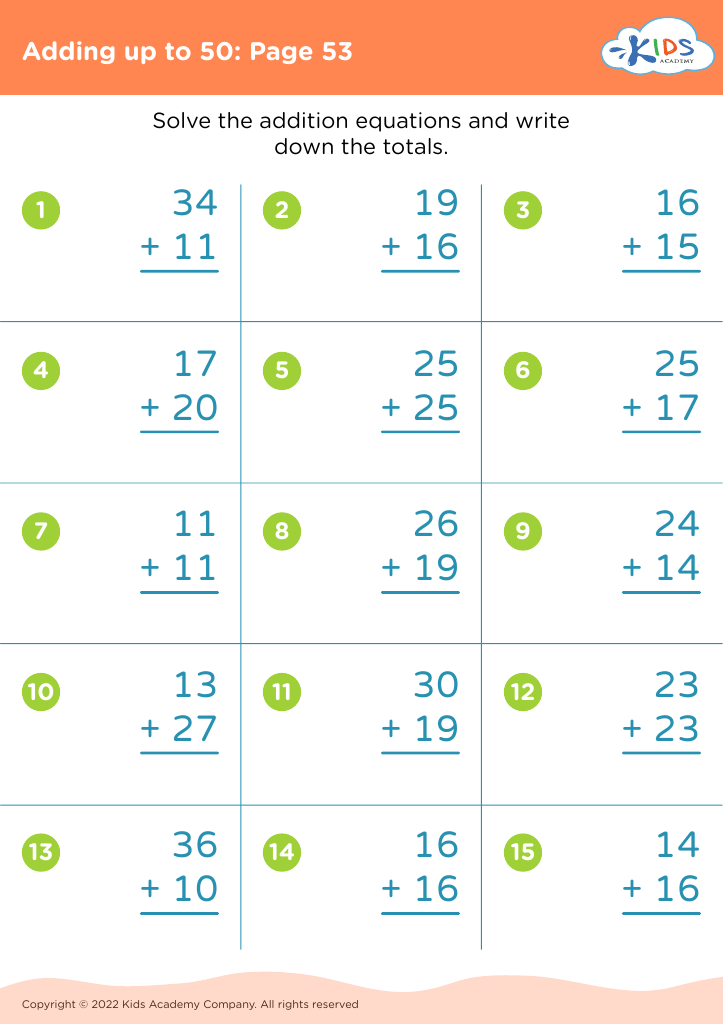
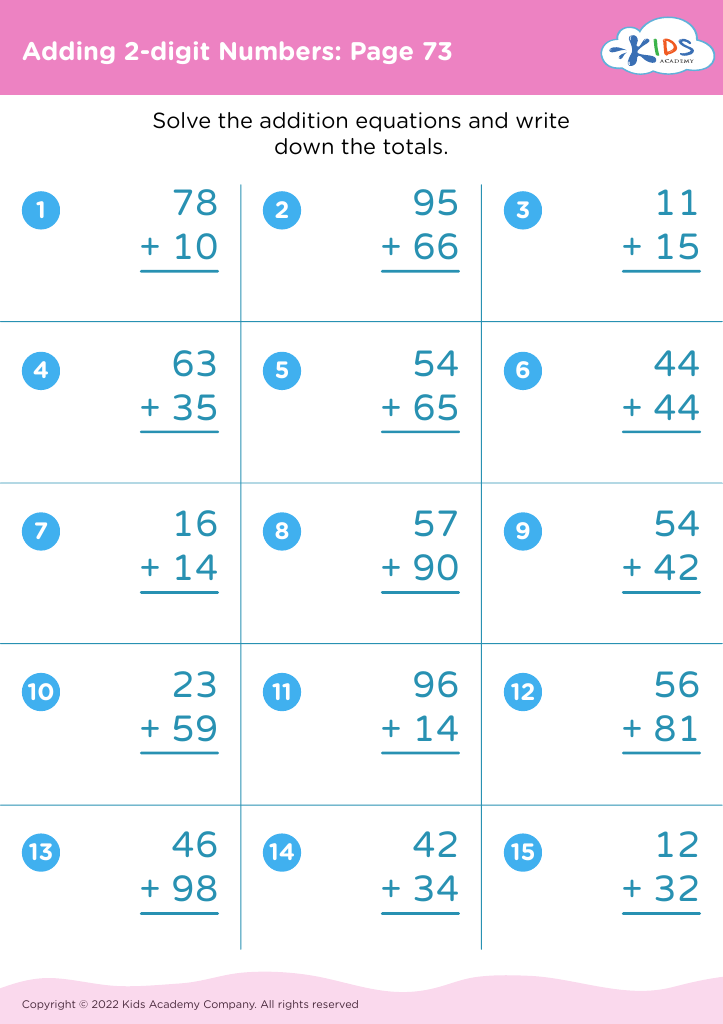






Fraction comparison is an essential mathematical concept for children ages 3-9, laying a foundation for future learning. Understanding fractions fosters critical thinking and problem-solving skills, which are crucial as children advance in their education. Early exposure to fractions helps children grasp fundamental mathematical principles, enabling them to visualize and compare parts of a whole.
For parents and teachers, grasping how to compare fractions is significant since it cultivates numerical fluency and enhances number sense. This knowledge allows children to make more informed decisions in everyday life, such as understanding ratios in cooking or sharing snacks among friends. Furthermore, incorporating fraction comparison in early education encourages collaborative learning. Activities involving measurement, sorting, and sharing offer engaging ways for parents and educators to interact with children, fostering a positive attitude toward math.
By nurturing an understanding of fractions early on, adults are setting the groundwork for higher-level math, such as geometry and algebra, later in school. Ultimately, caring about fraction comparison isn't just about math; it's about equipping children with essential skills that contribute to their overall cognitive development and lifelong learning. Thus, parents and teachers should prioritize fraction comparison to ensure children succeed both academically and in everyday scenarios.








