Improve reading skills Math Worksheets for Ages 3-9 - Page 2
31 filtered results
-
From - To
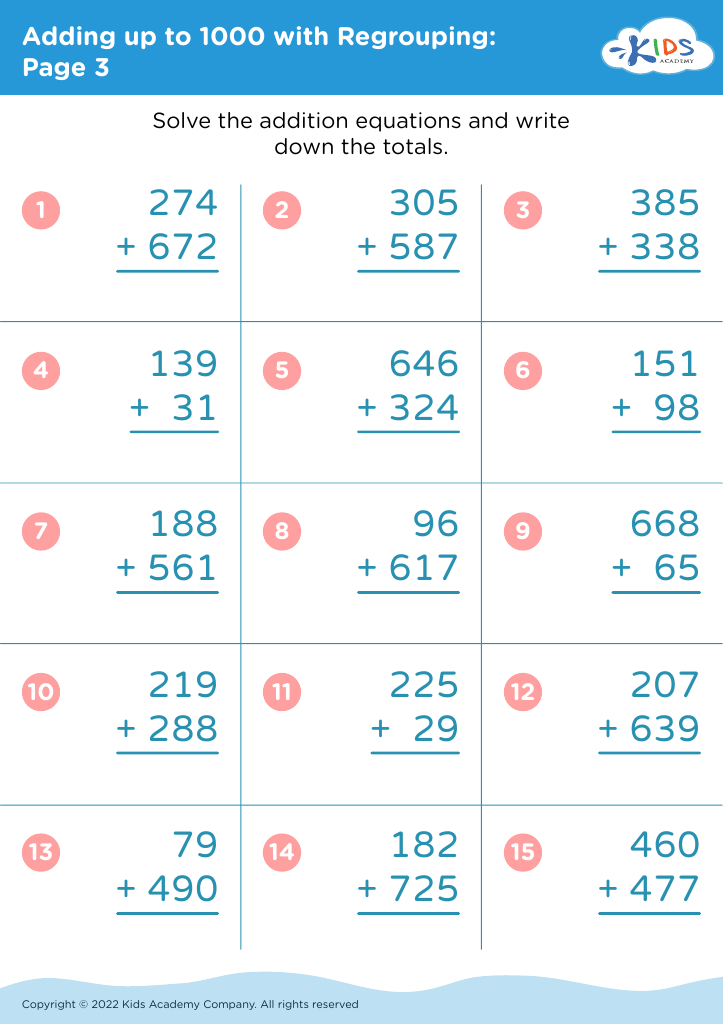
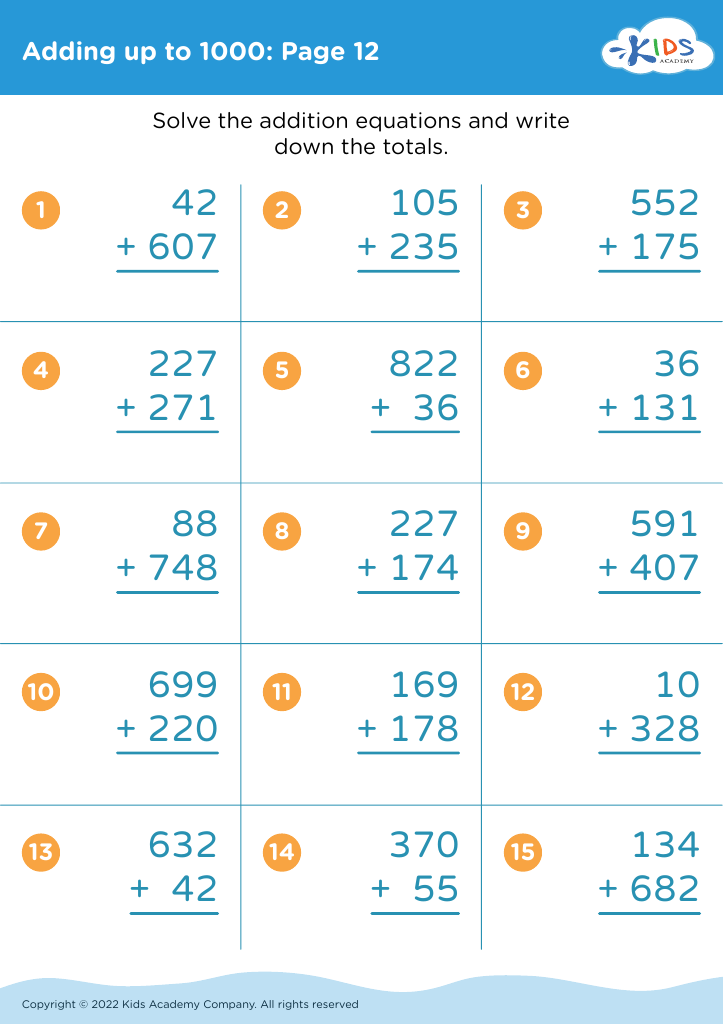
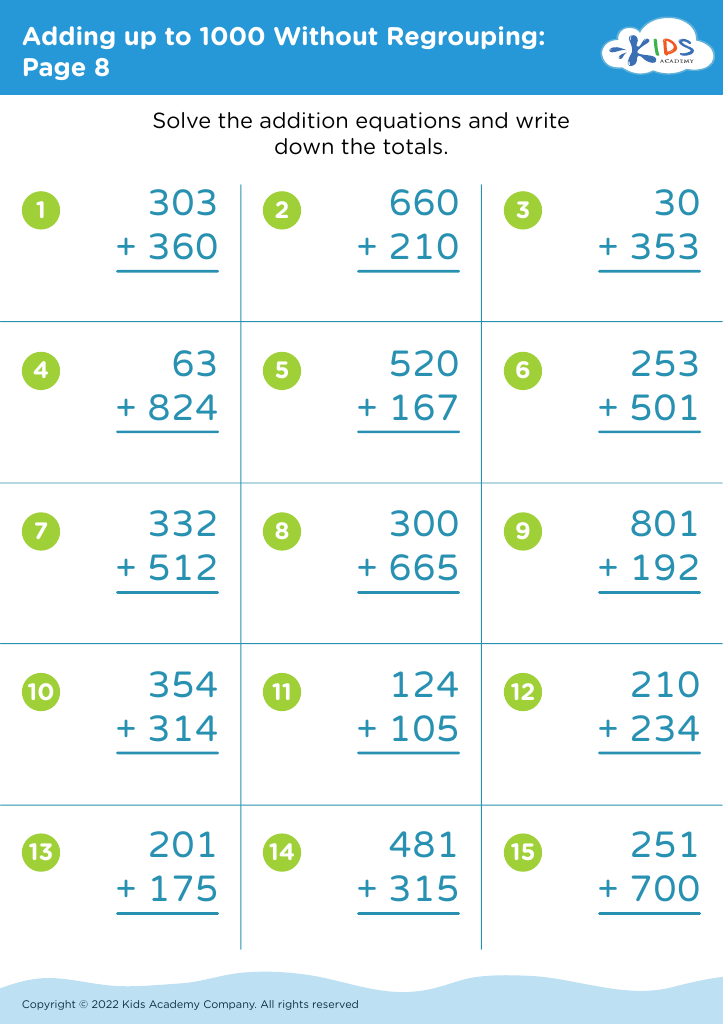
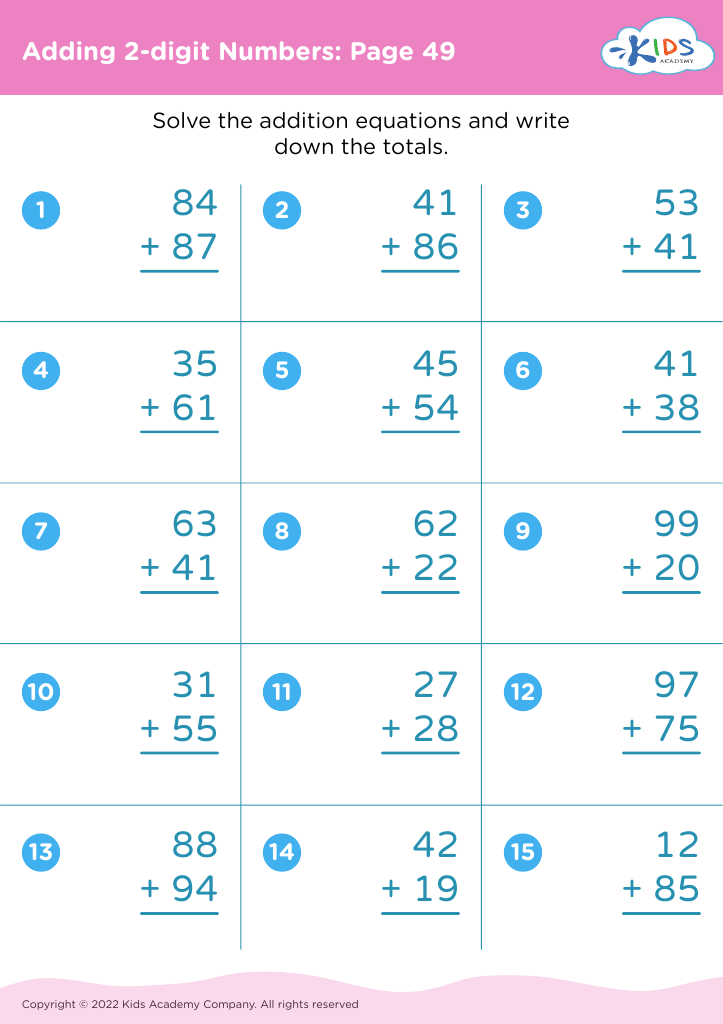








Improving reading and math skills for children aged 3-9 is crucial for their overall development and future academic success. During these formative years, children are not only learning fundamental skills but also developing cognitive and social-emotional capabilities. Engaging in early reading activities enhances vocabulary, comprehension, and critical thinking skills, which are essential for navigating complex texts later in life. According to research, strong reading skills correlate with improved performance across all academic subjects.
Similarly, early math skills lay the foundation for problem-solving abilities, logical reasoning, and analytical thinking. Math learning at these early stages fosters an understanding of basic concepts like counting, patterns, and measurement, which are pivotal in developing more advanced mathematics knowledge.
Furthermore, early literacy and numeracy skills boost a child's confidence and willingness to participate in class, leading to better social interactions. Parents and teachers play a significant role in creating engaging learning environments, making it essential for them to prioritize reading and math activities at home and in school. By investing in these skills now, parents and educators can set children on a positive trajectory for lifelong learning, academic achievement, and personal growth.








