Mathematical reasoning Math Worksheets for Ages 3-9 - Page 2
63 filtered results
-
From - To
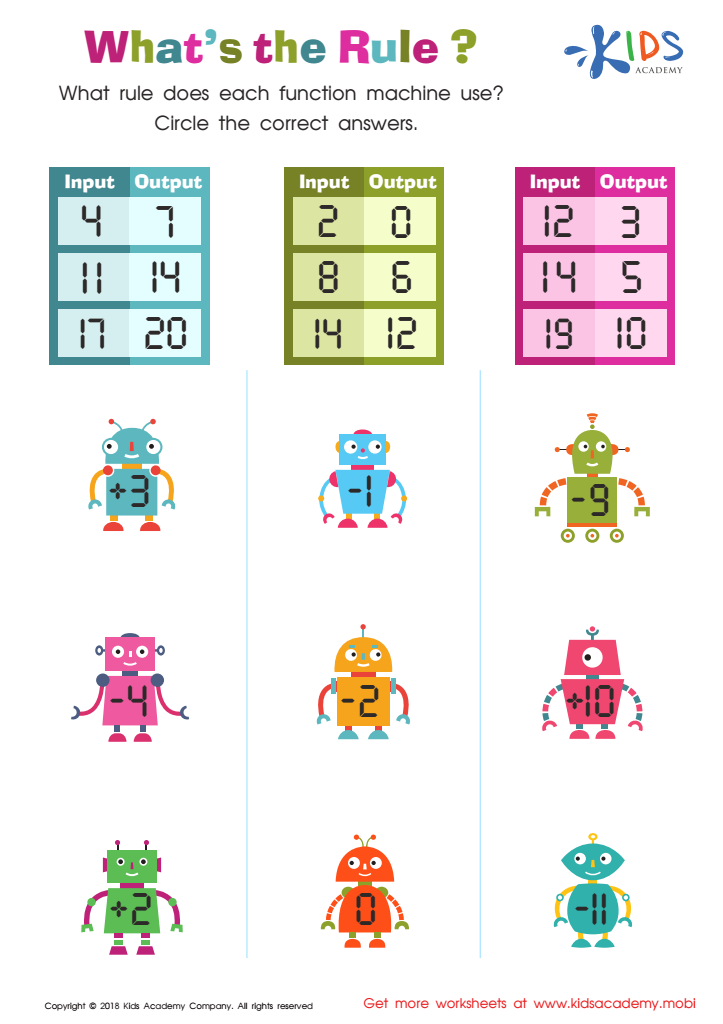
What's the Rule Worksheet
 Assign to My Students
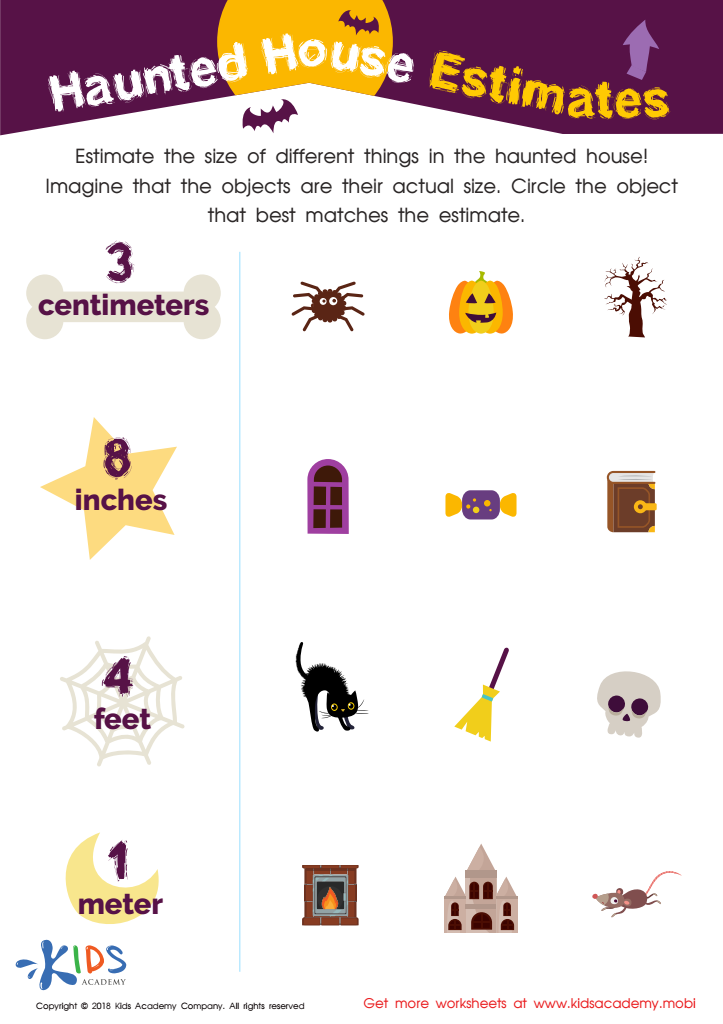
Haunted House Estimates Worksheet
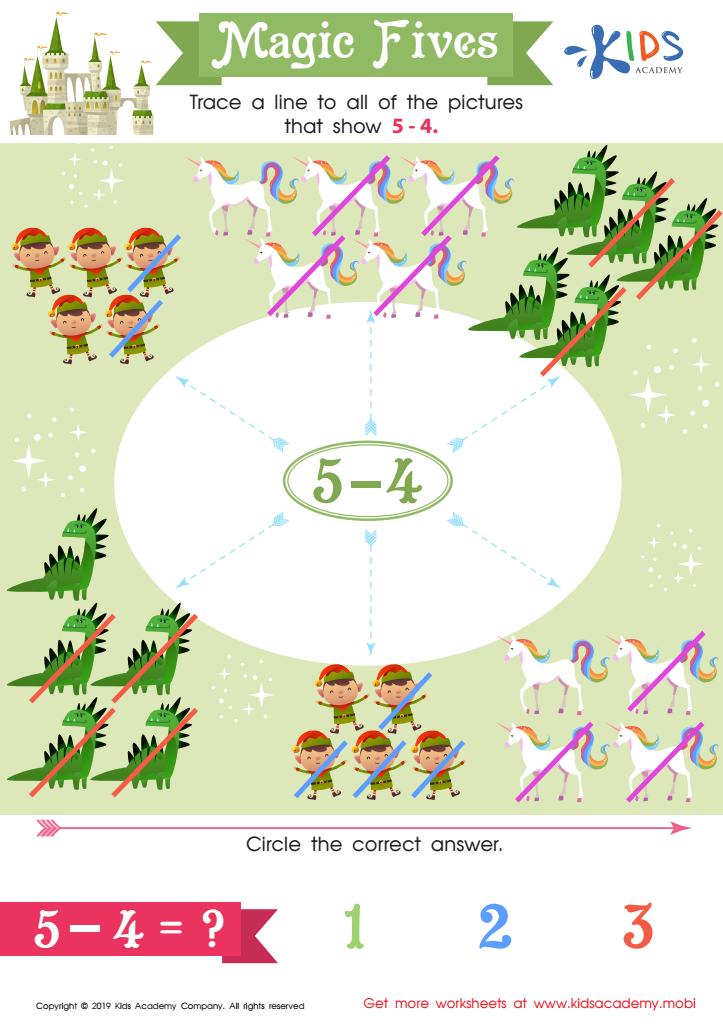
Magic Fives Worksheet
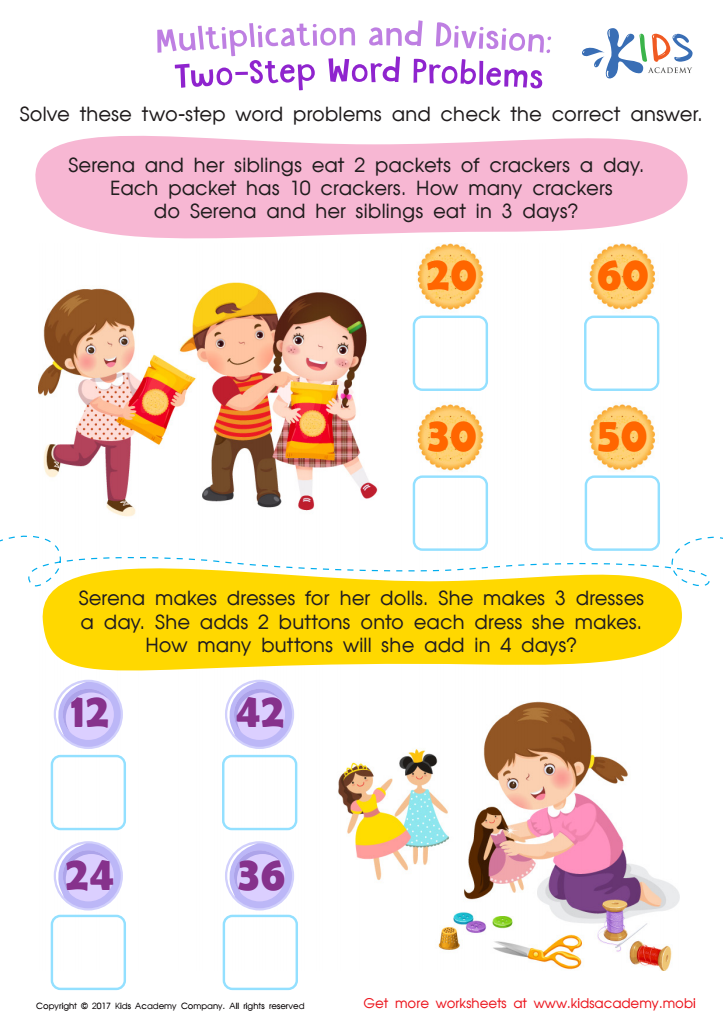
Two Step Word Problems Worksheet
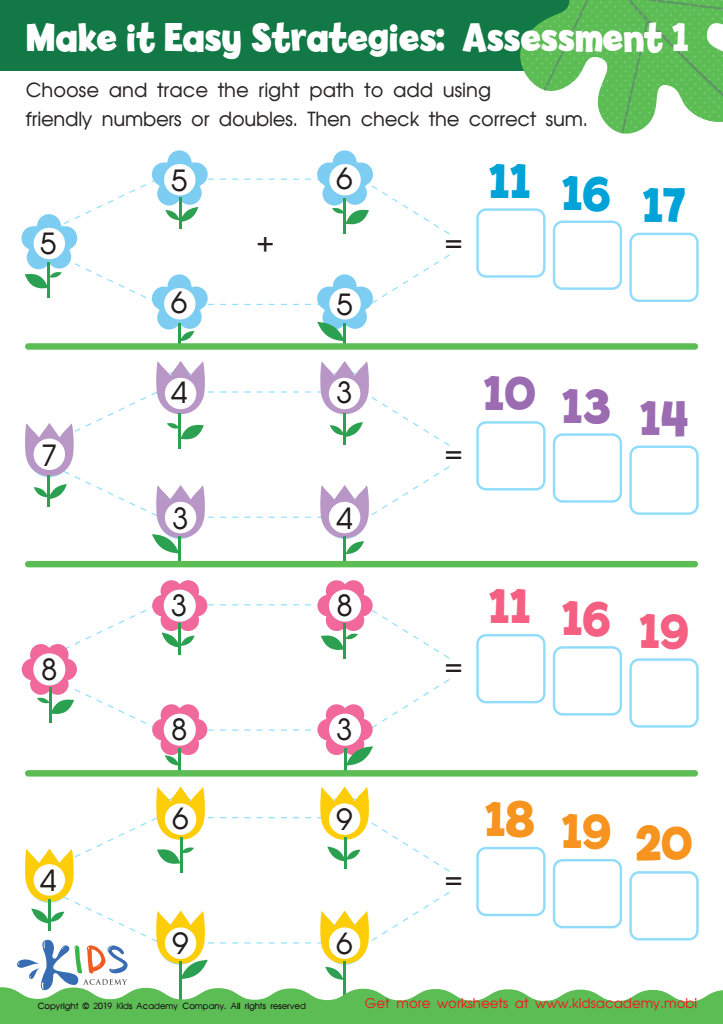
Make it Easy Strategies: Assessment 1 Worksheet
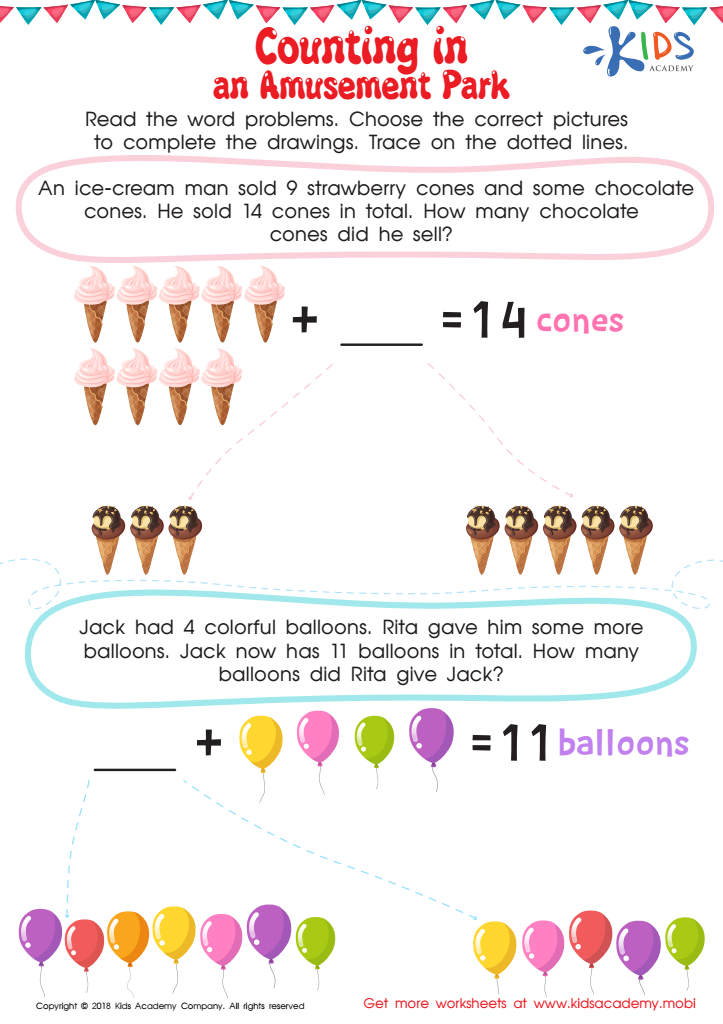
Counting in an Amusement Park Worksheet
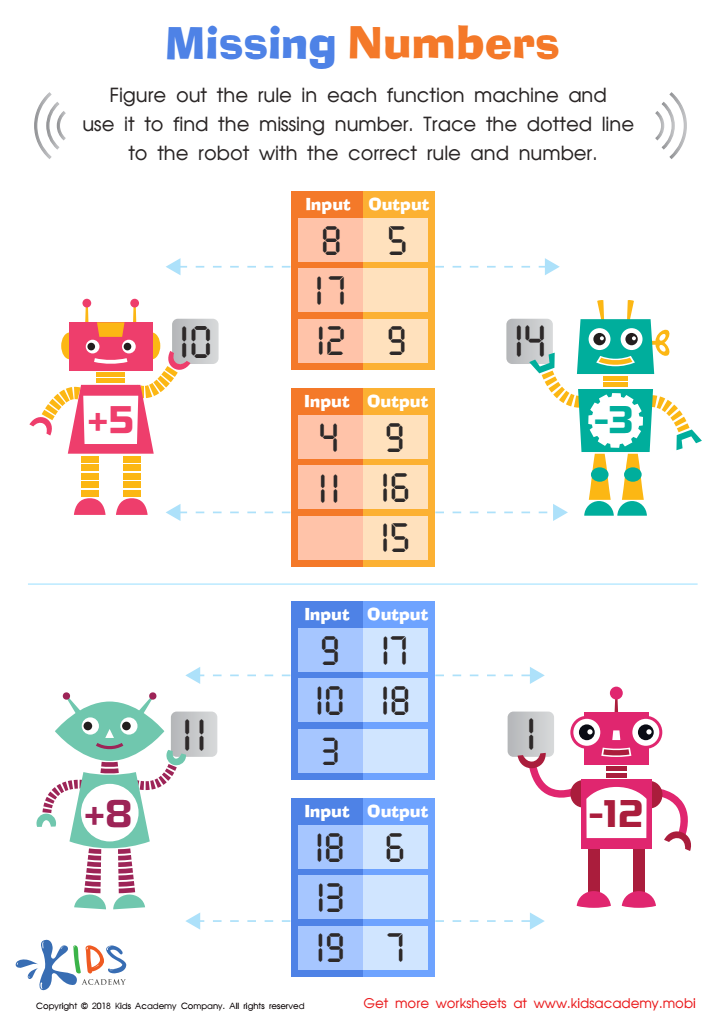
Missing Numbers Worksheet
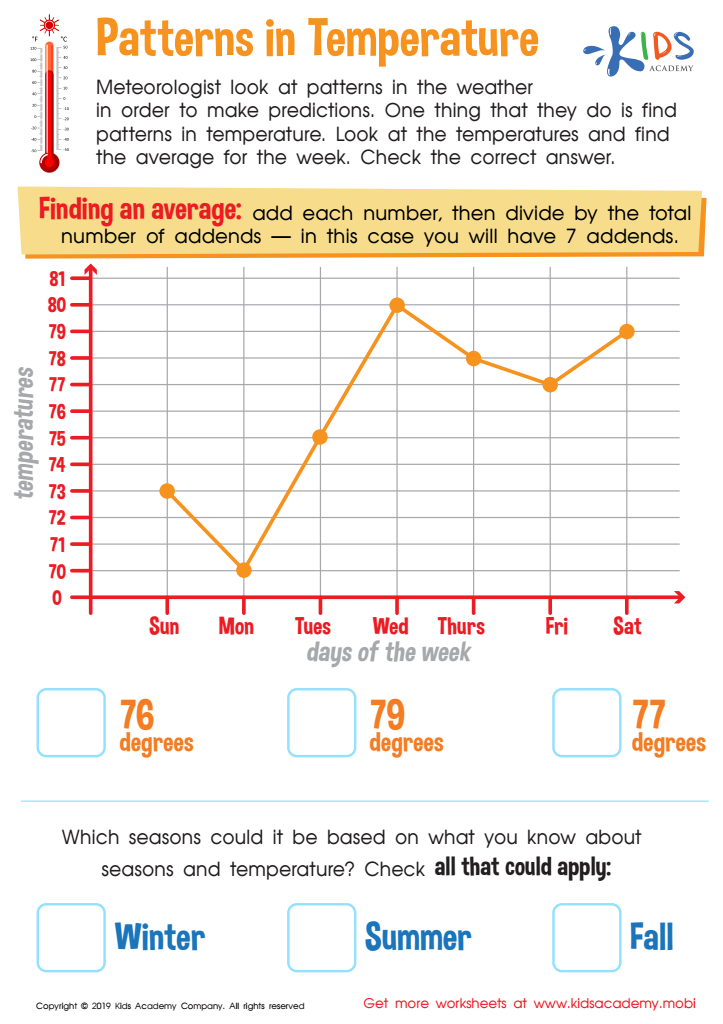
Patterns in Temperature Worksheet
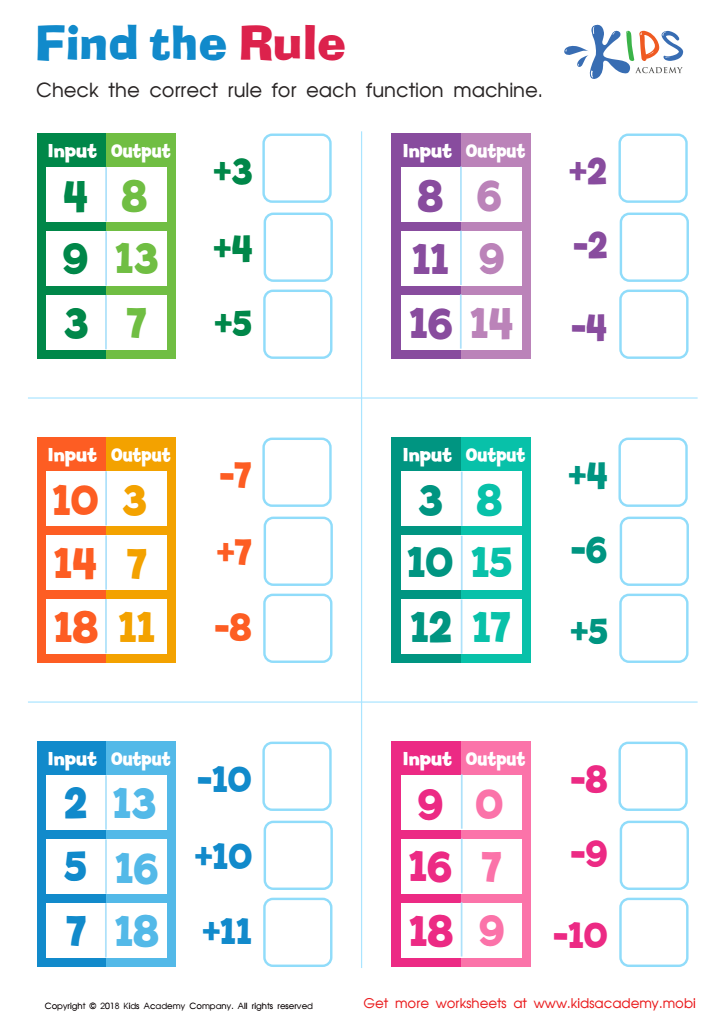
Find the Rule Worksheet
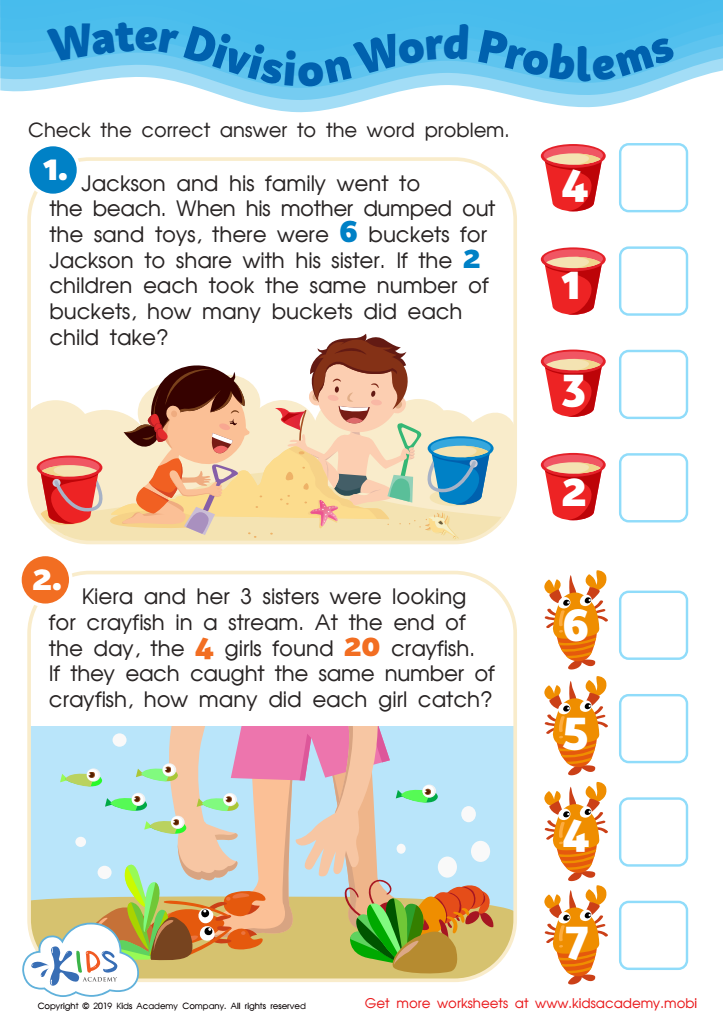
Water Division Word Problems Worksheet
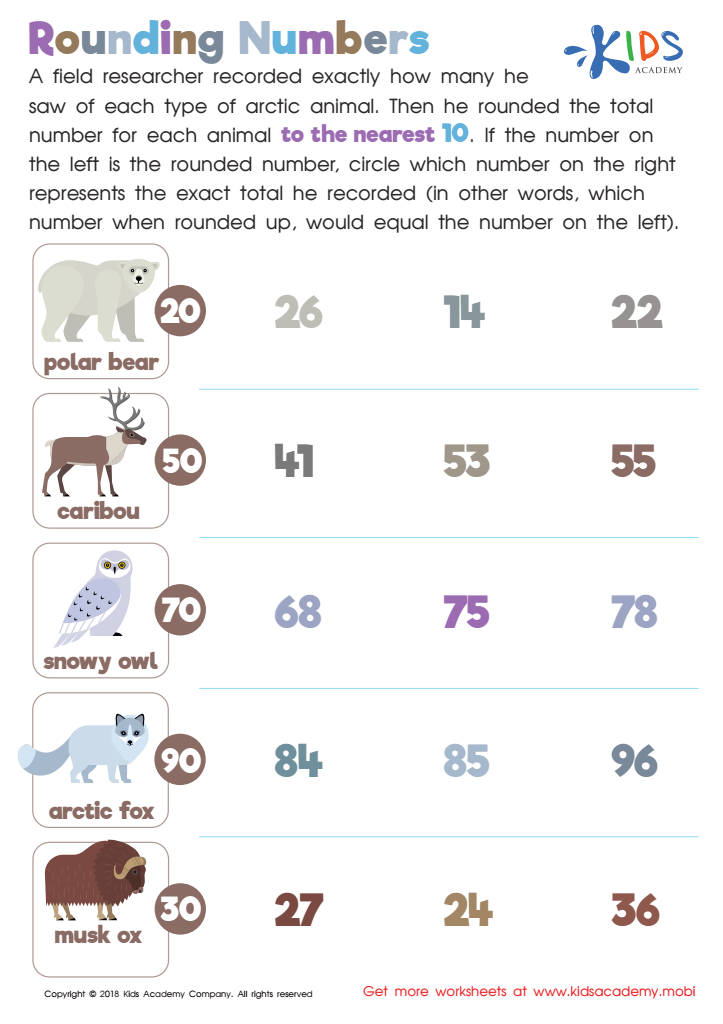
Rounding Numbers Worksheet
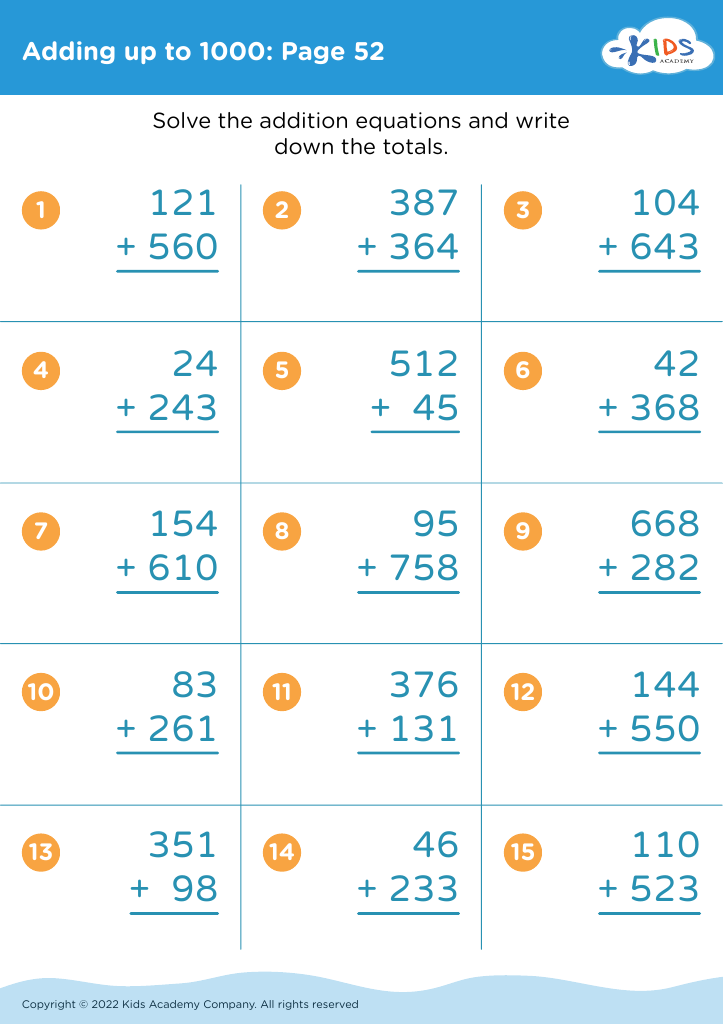
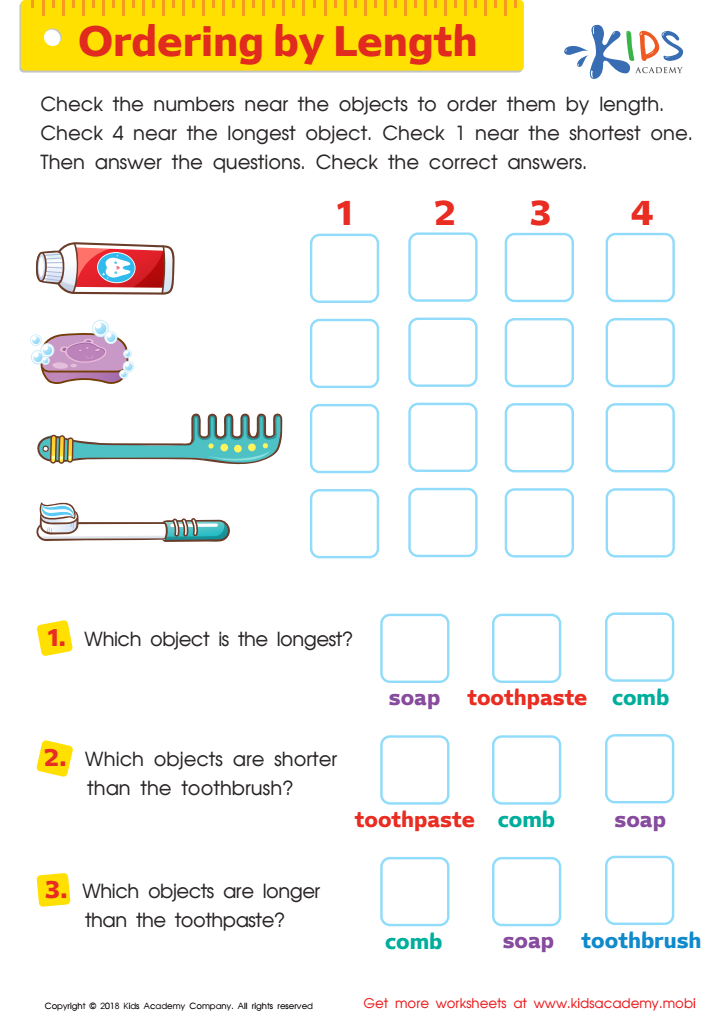
Ordering by Length Worksheet
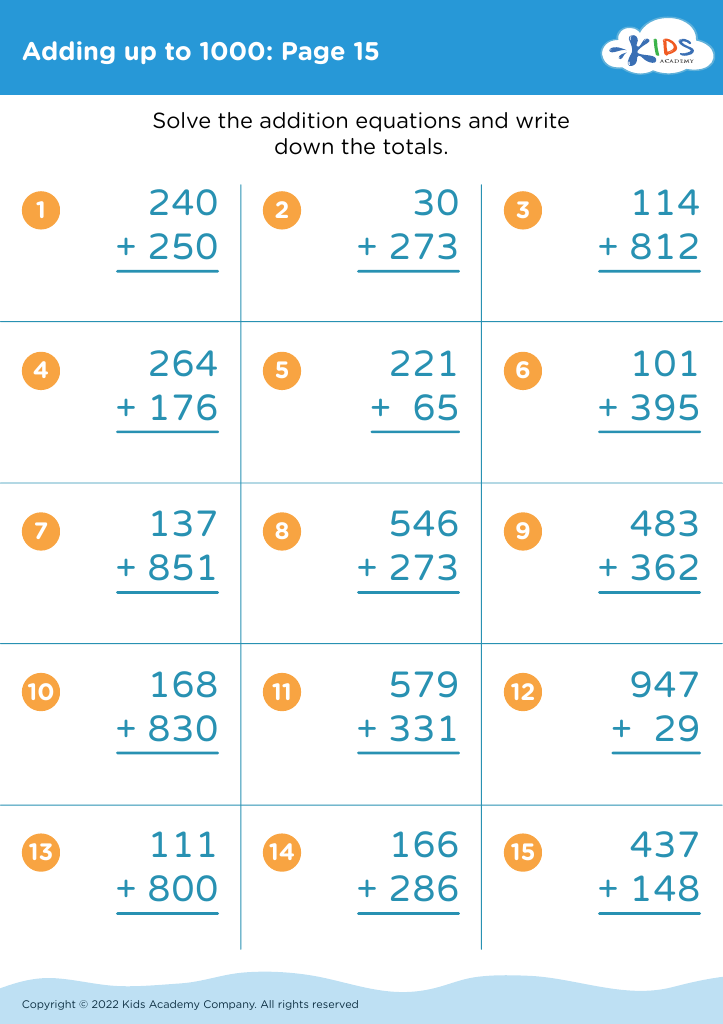
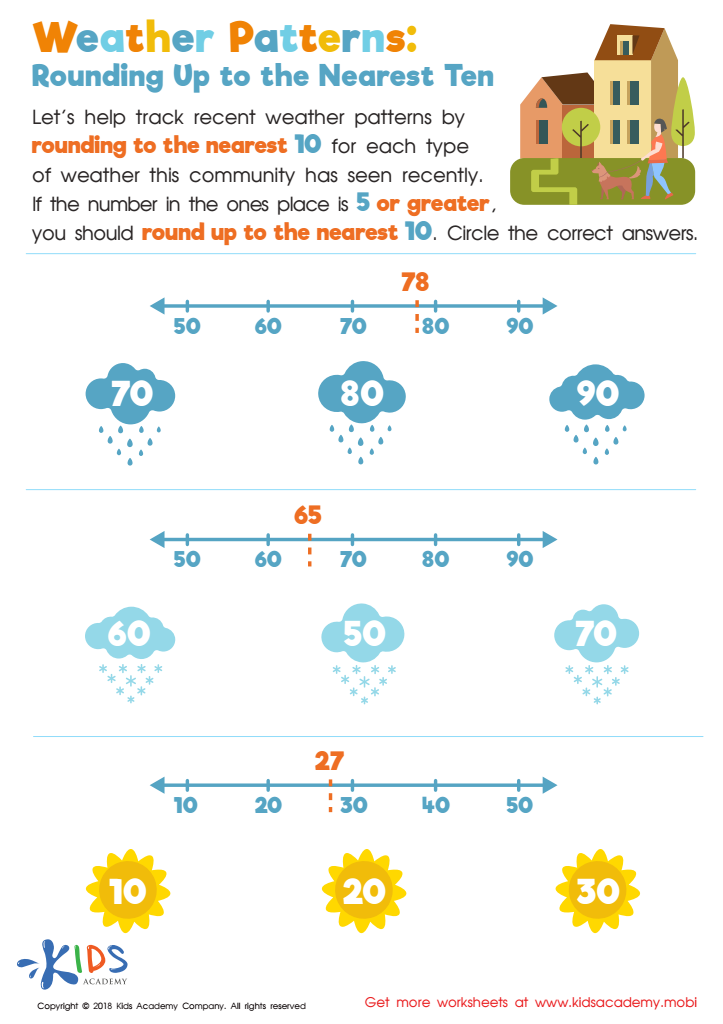
Weather Patterns Worksheet
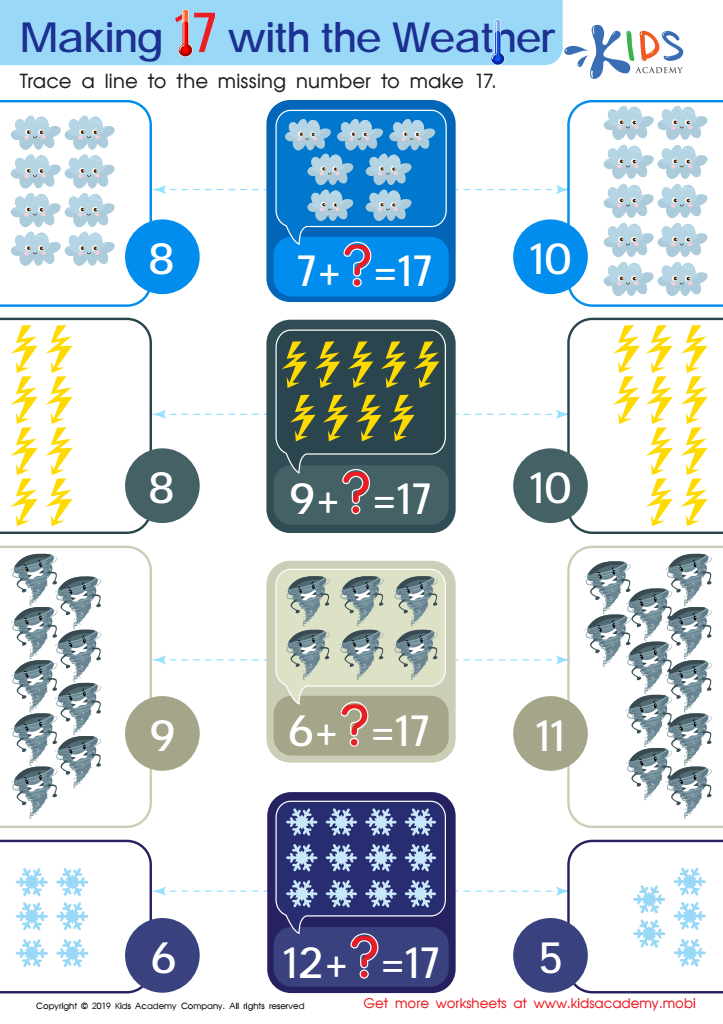
Making 17 with the Weather Worksheet
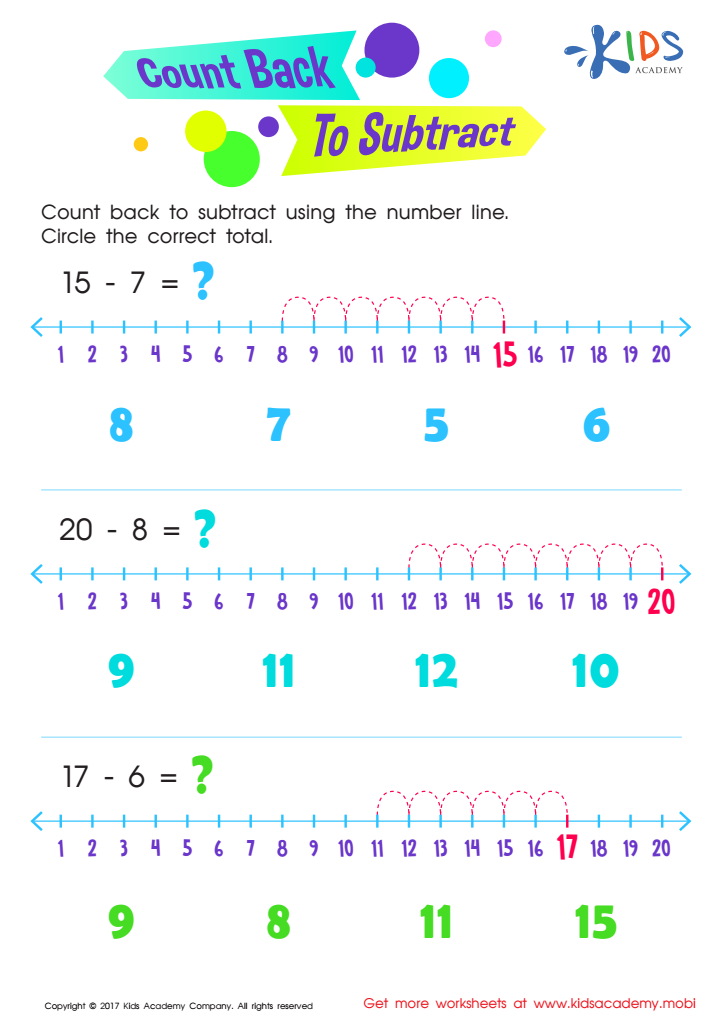
Count Back to Subtract Substraction Worksheet
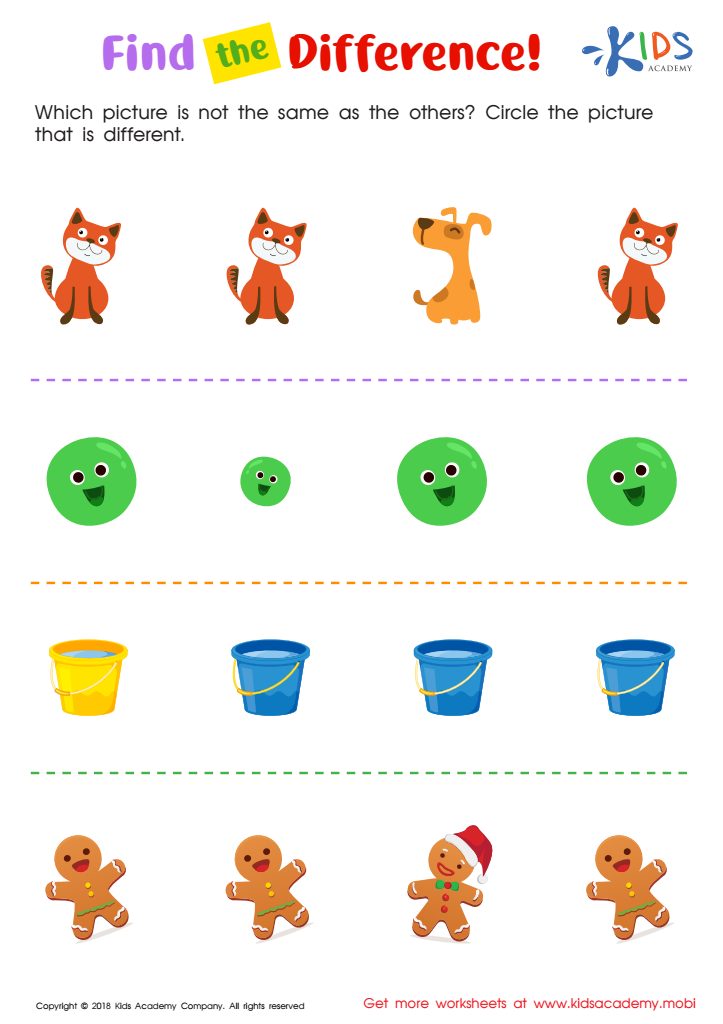
Find the Difference Worksheet
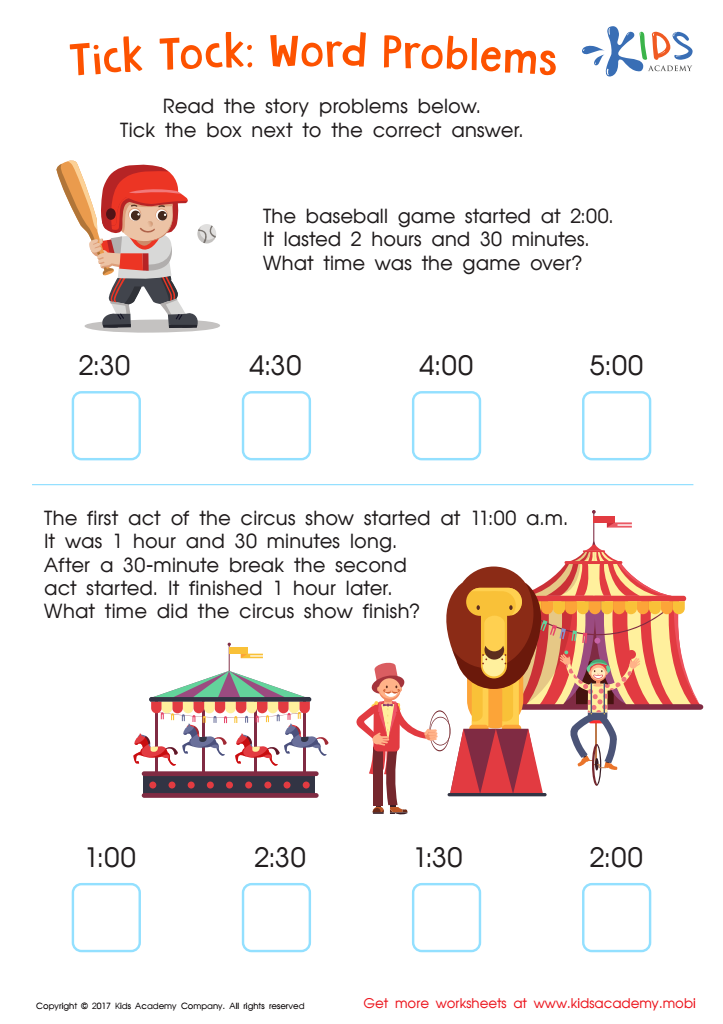
Tick Tock Word Problems Time Worksheet
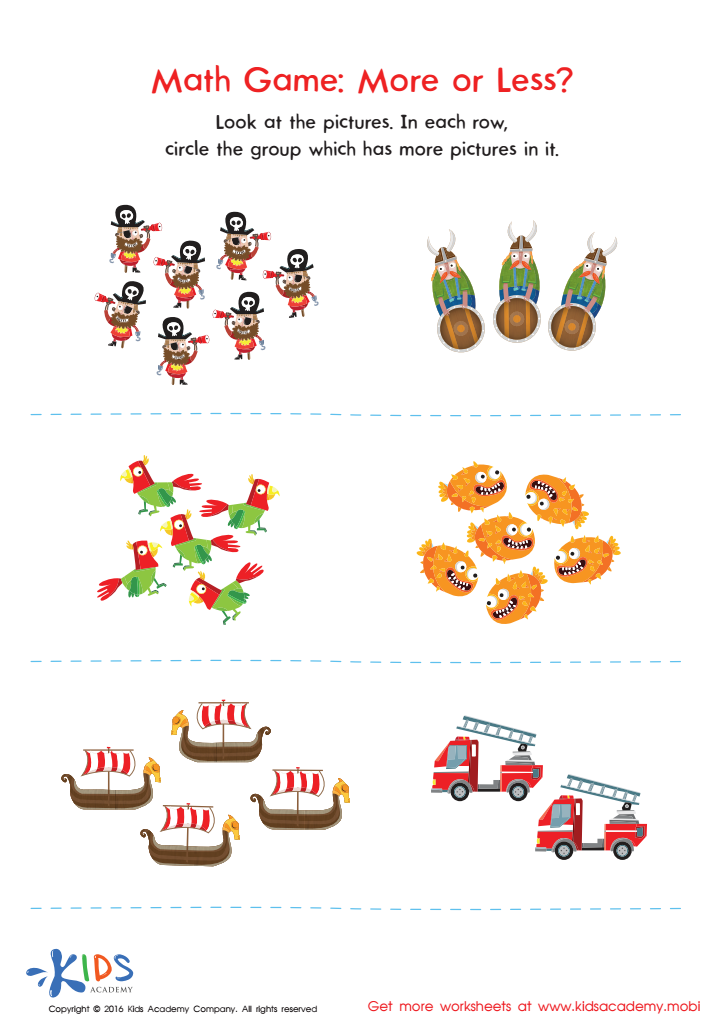
More or Less Worksheet
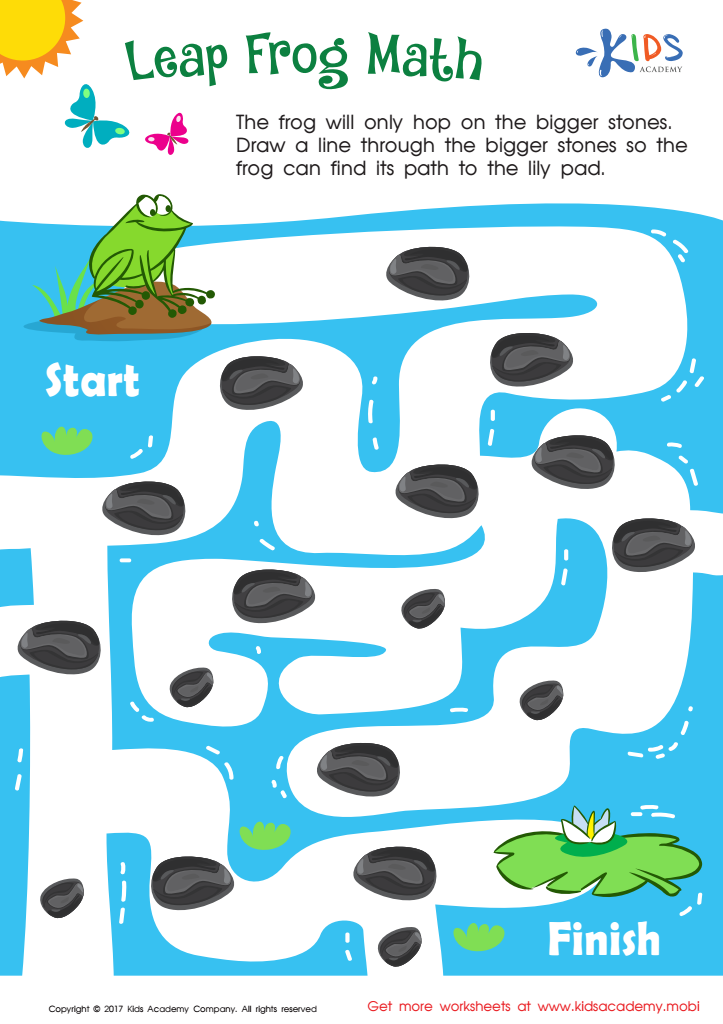
Math Puzzle Worksheet
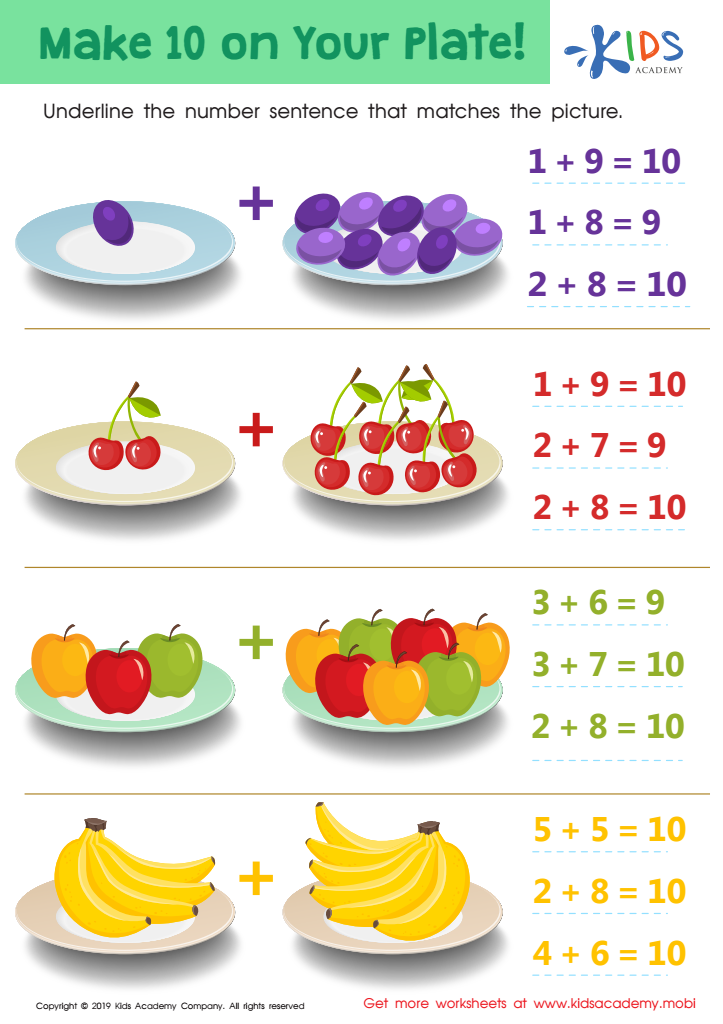
Make 10 on Your Plate! Worksheet




.jpg)



Mathematical reasoning is a foundational skill that shapes a child's ability to think critically, solve problems, and understand the world around them. For ages 3-9, nurturing this skill is crucial as it's a period of rapid cognitive development. By encouraging mathematical reasoning early on, parents and teachers help children build a strong foundation for future academic success.
Mathematical reasoning involves recognizing patterns, making connections, and applying logic. When children learn to identify patterns and relationships, they enhance their problem-solving abilities and develop critical thinking skills. These skills are not only vital for mathematics but also for other subjects and everyday life. For instance, understanding sequences and logical steps aids children in following instructions, organizing tasks, and making decisions.
Moreover, mathematical reasoning fosters a growth mindset. It encourages children to explore different approaches and accept that making mistakes is part of learning. This resilience is beneficial across all areas of learning and personal growth.
Incorporating engaging and age-appropriate activities can make math fun and relevant, sparking a lifelong interest in the subject. By investing time and effort into developing these skills, parents and teachers set children on a path to academic achievement and a deeper understanding of their environment.








