Mental math development Math Worksheets for Ages 3-9
3 filtered results
-
From - To
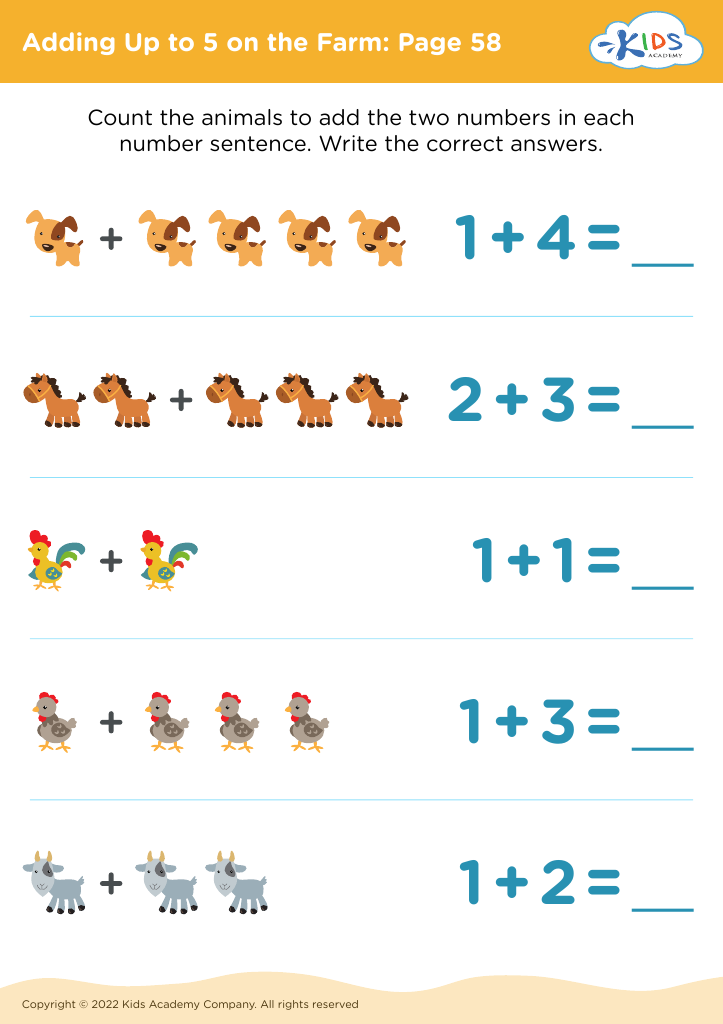
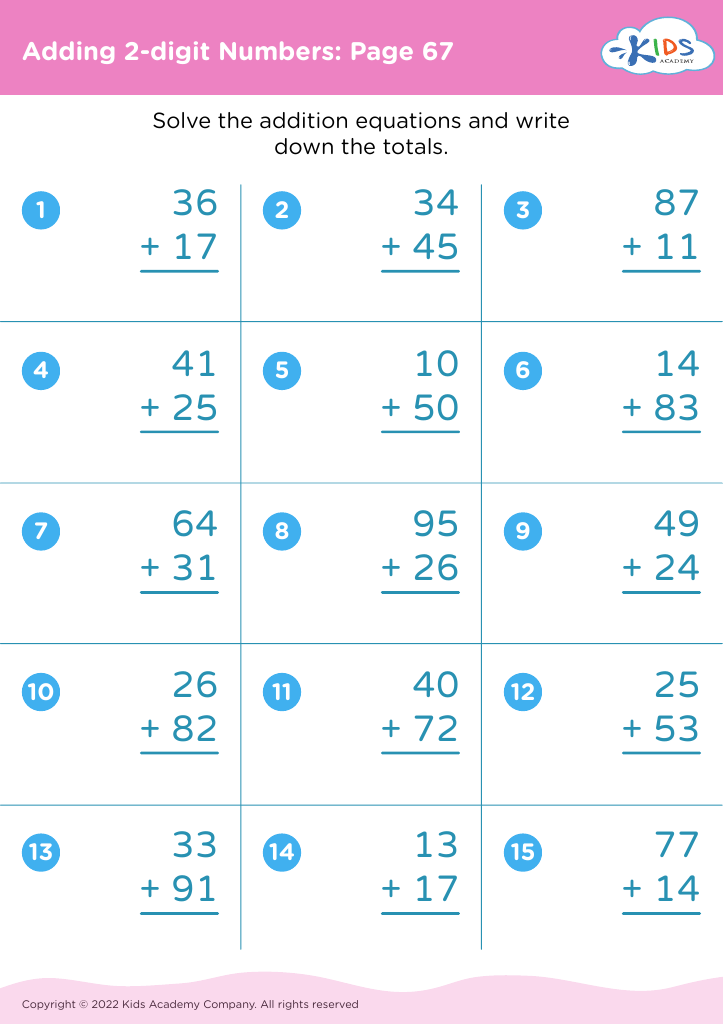
Boost your child's arithmetic skills with our engaging Mental Math Development Worksheets, ideal for children aged 3-9! Designed to enhance early math proficiency, these worksheets make learning fun and interactive. Each activity encourages critical thinking, number recognition, and basic calculations through colorful illustrations and age-appropriate problems. As children practice their mental math skills, they build confidence and a strong foundation for future mathematical concepts. Perfect for parents and educators alike, our resources cater to various learning styles, ensuring every child thrives. Discover the joy of math with these stimulating worksheets designed to inspire a love for numbers!
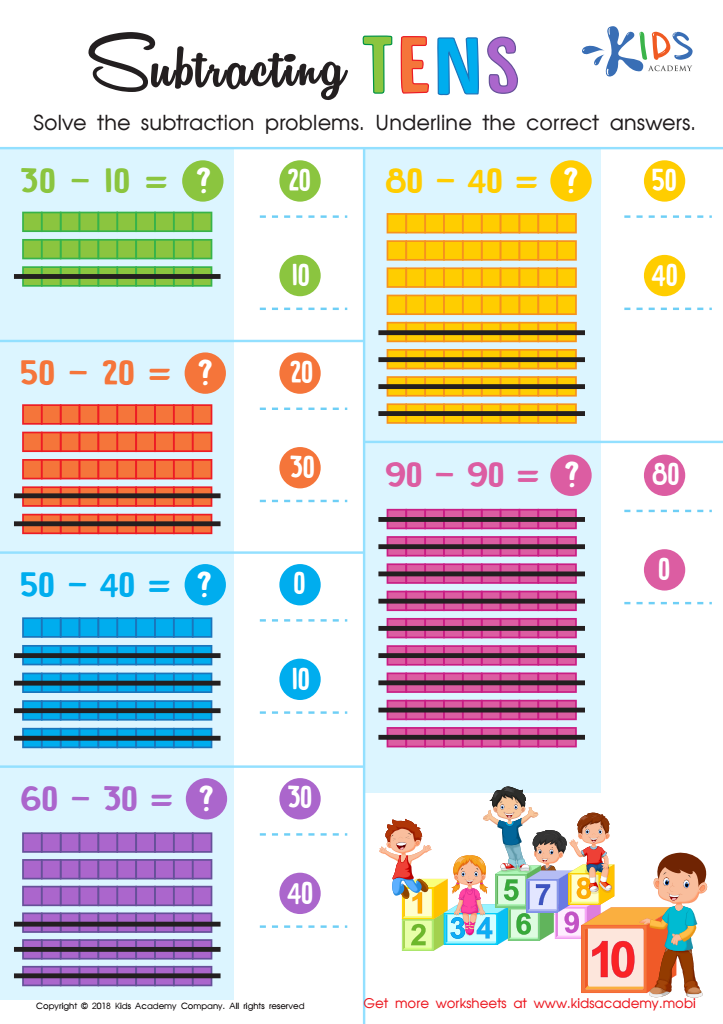
Subtracting Tens Worksheet
 Assign to My Students






Parents and teachers should prioritize mental math development for children aged 3-9 because it lays a vital foundation for future mathematical understanding and skills. At this age, children are naturally curious and eager to learn. Engaging them in mental math promotes critical thinking and problem-solving abilities, which are essential in everyday decision-making and further academic success.
Moreover, mental math enhances numerical fluency, enabling children to perform calculations quickly and accurately without relying on calculators or written methods. This skill fosters a sense of confidence and competence in mathematics, making it a more enjoyable subject. As children practice mental math, they develop number sense, which helps them understand the relationships between numbers and the concepts of quantity and measurement.
Additionally, strong mental math skills are linked to improved performance in formal education. As students progress through school, their ability to perform calculations quickly will significantly influence their performance in more advanced topics such as algebra, geometry, and beyond.
Ultimately, by nurturing mental math development early on, we equip our children with essential tools for success not just in math, but in a wide range of real-life situations, helping them become thoughtful and resourceful individuals.








