Number Recognition Math Worksheets for Ages 3-9 - Page 34
798 filtered results
-
From - To
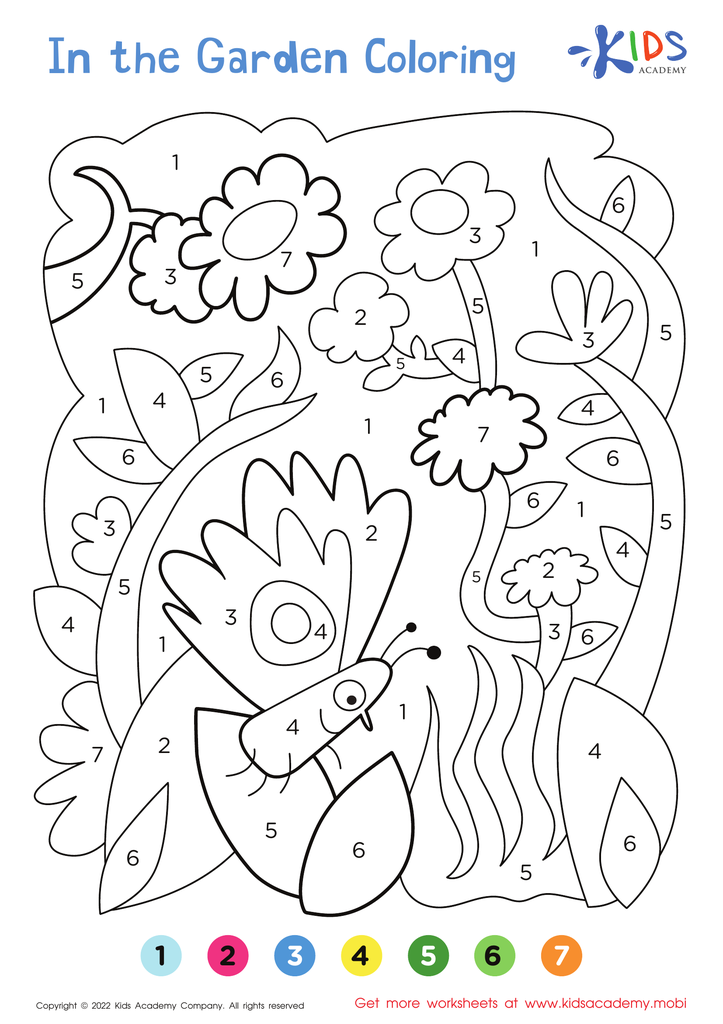
In the Garden – Coloring by Numbers







Number recognition is a foundational skill for children aged 3-9, forming the basis for all future mathematical learning. Understanding and recognizing numbers enhances a child's ability to count, perform basic operations, and develop logical thinking. Parents and teachers play a crucial role in this foundational stage, as early exposure to numbers through playful activities and real-life experiences fosters a positive attitude towards math.
By emphasizing number recognition, caregivers help children gain confidence in identifying and working with numbers, which not only boosts their academic performance but also enriches problem-solving skills in daily life. For instance, recognizing numbers on clocks or prices in stores equips children with essential life skills, leading to better decision-making.
Moreover, early mastery of number recognition can mitigate later math anxiety and difficulties. Engaging children in interactive games, songs, and storytelling increases their interest and enthusiasm towards learning math. It creates a supportive environment for exploration and curiosity, paving the way for more complex mathematical concepts later on.
Ultimately, parents and teachers should care about number recognition to nurture a love for learning, equip children for future academic success, and instill practical skills essential for everyday life. Encouraging these skills early lays a strong, enduring foundation for their educational journey.








