Practice writing numbers Math Worksheets for Ages 3-9
6 filtered results
-
From - To
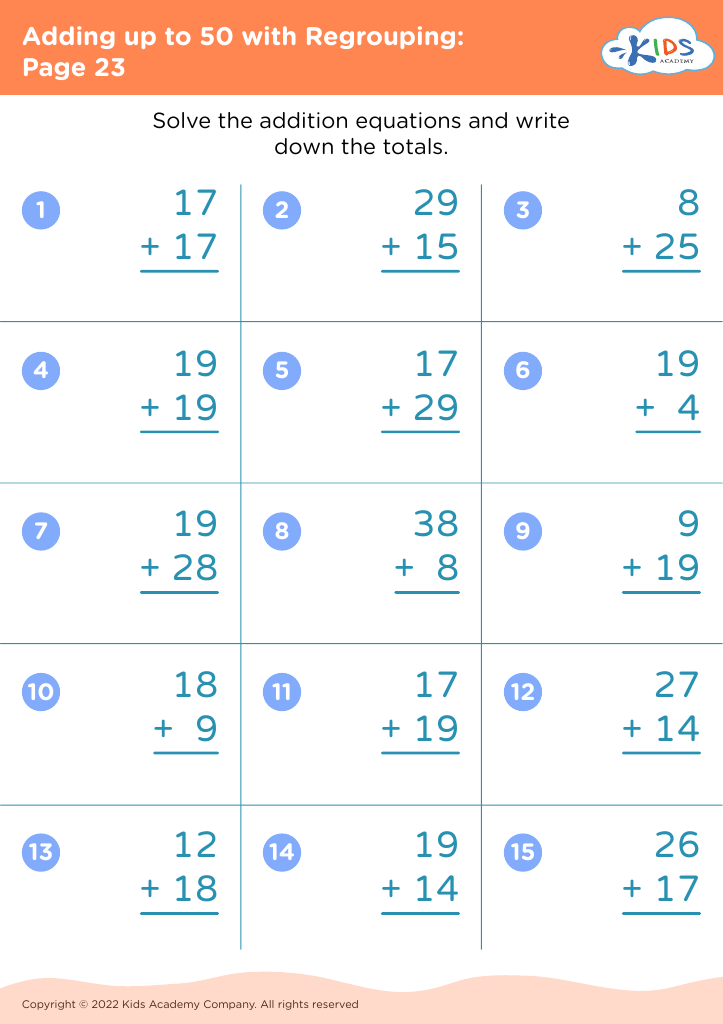
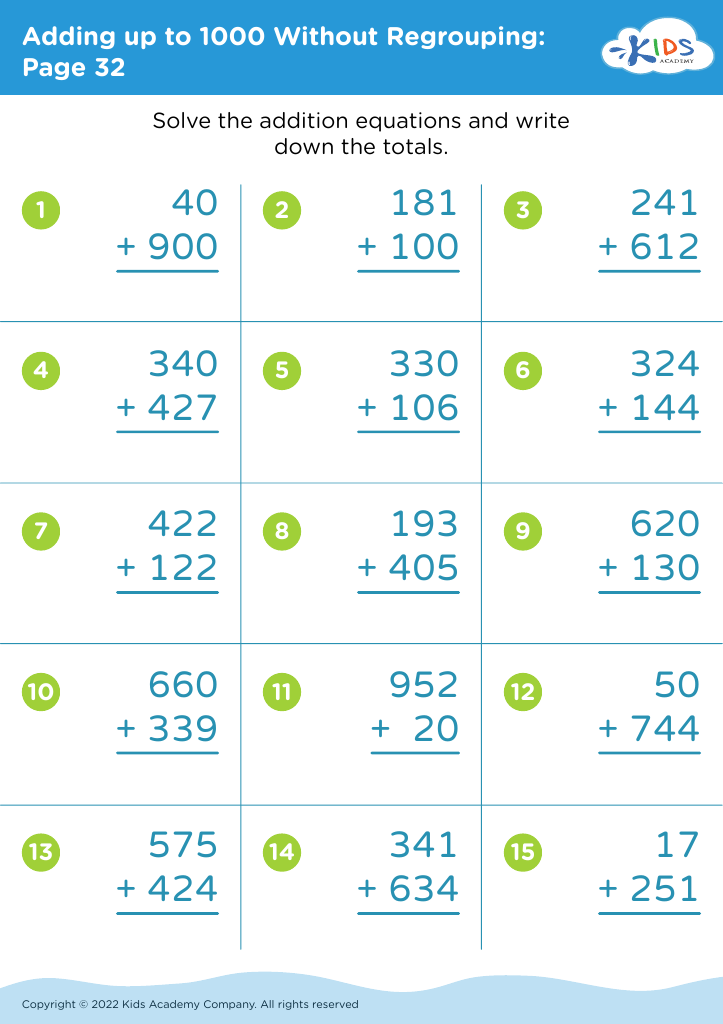
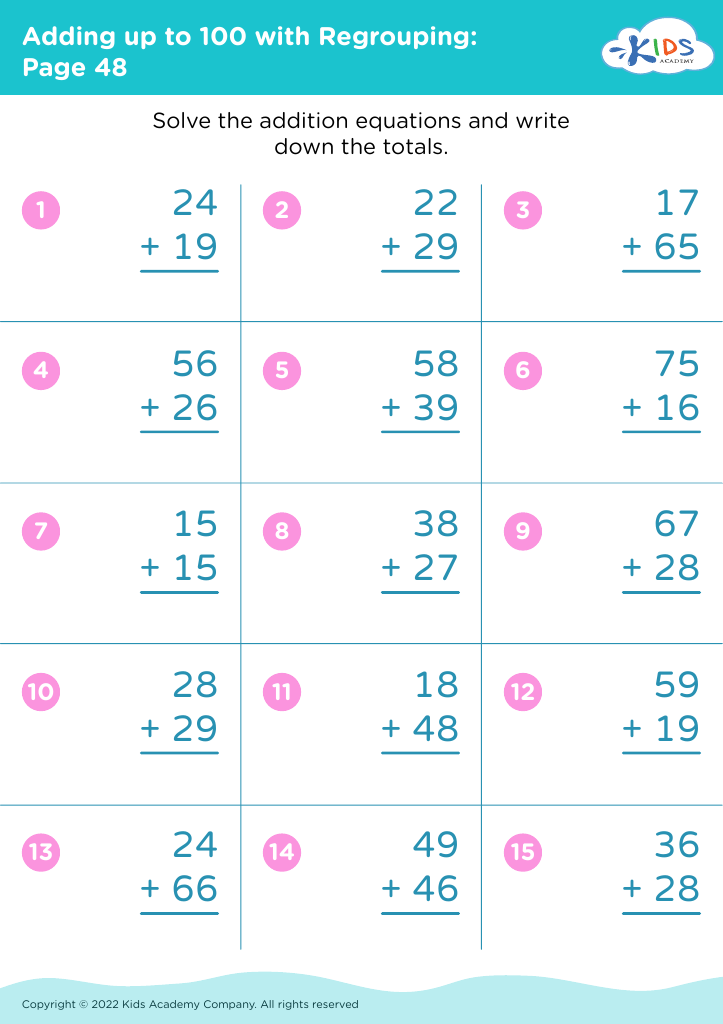
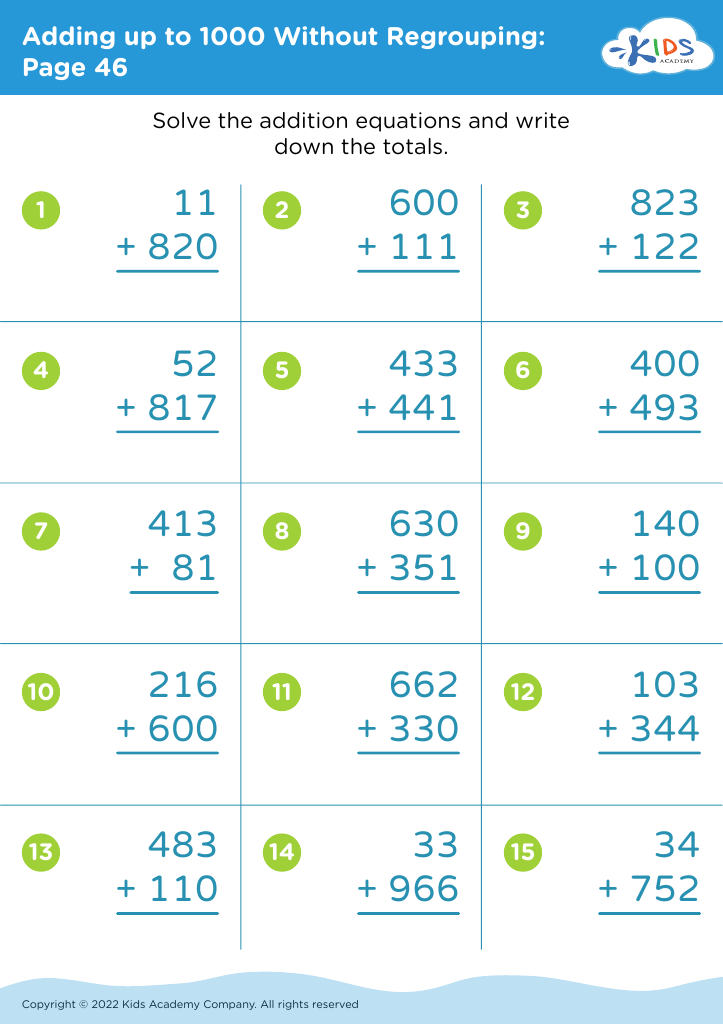
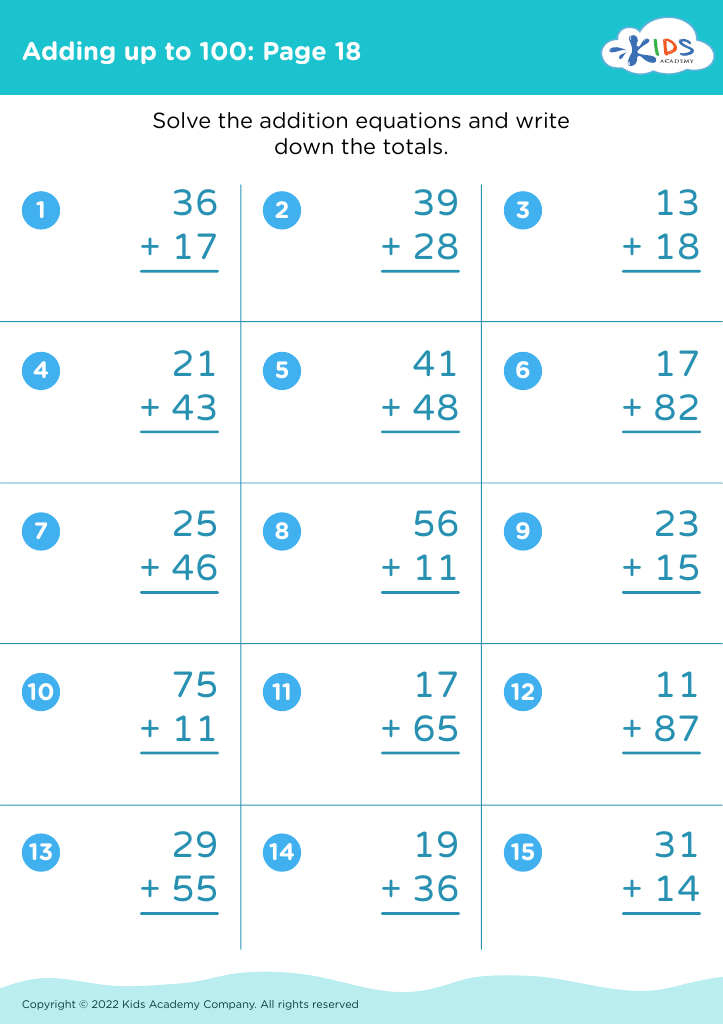
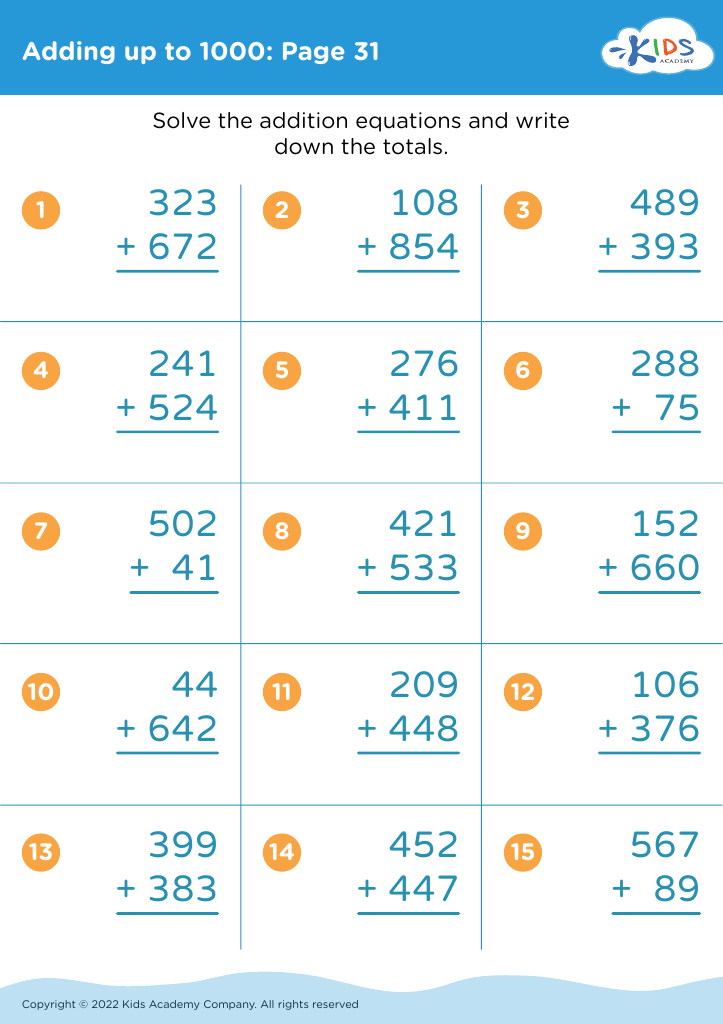
Enhance your child's numerical literacy with our engaging "Practice Writing Numbers Math Worksheets for Ages 3-9". These worksheets are designed to strengthen number formation, recognition, and counting skills through fun and interactive exercises. Perfect for preschoolers, kindergarteners, and early elementary students, each sheet provides a comprehensive practice of writing numbers from 1 to 20. With traceable numbers, colorful illustrations, and aligned with educational standards, our printable worksheets make learning numbers an enjoyable and productive experience. Ideal for both classroom and home use, these resources help children develop a strong mathematical foundation.







Learning to write numbers is a fundamental skill for children aged 3-9, serving as an early step toward mathematical literacy. Parents and teachers play crucial roles in nurturing this development for several compelling reasons. Firstly, mastering number writing aids cognitive development by helping children understand numerical concepts, relationships, and the foundational operations of addition and subtraction. This early familiarity builds confidence and forms a necessary foundation for more complex math in later grades.
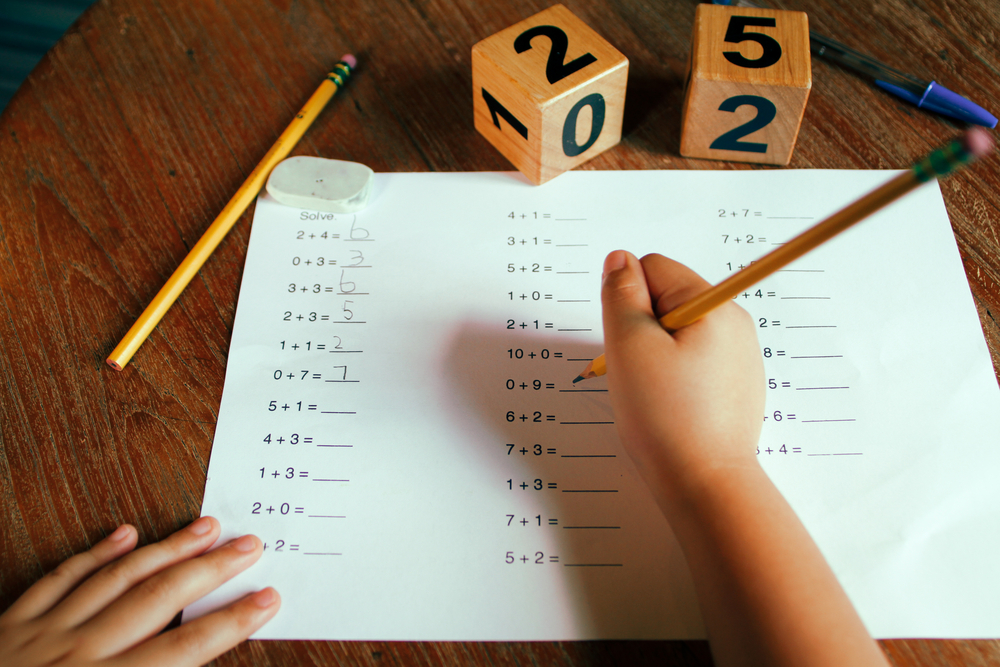
Practicing number writing helps develop fine motor skills and hand-eye coordination, which are crucial for overall educational progress, including reading and writing. When children engage in such practice, they learn to control their pencil movements, which enhances their handwriting skills and contributes to better overall academic performance.
Furthermore, practicing numbers fosters a sense of achievement and boosts self-esteem. When children see they can accurately write numbers, they feel accomplished, promoting a positive attitude toward learning. The interactive and often fun nature of number-writing activities can make learning an enjoyable experience, strengthening the bond between educators, parents, and children.
In summary, prioritizing the practice of writing numbers at an early age is essential. It lays a cornerstone for future academic success, supports essential developmental skills, and cultivates a lifelong love for learning numeracy and other subjects.








