Problem-solving abilities Math Worksheets for Ages 3-9 - Page 3
59 filtered results
-
From - To

Sweet Shop – Counting Coins Worksheet
 Assign to My Students
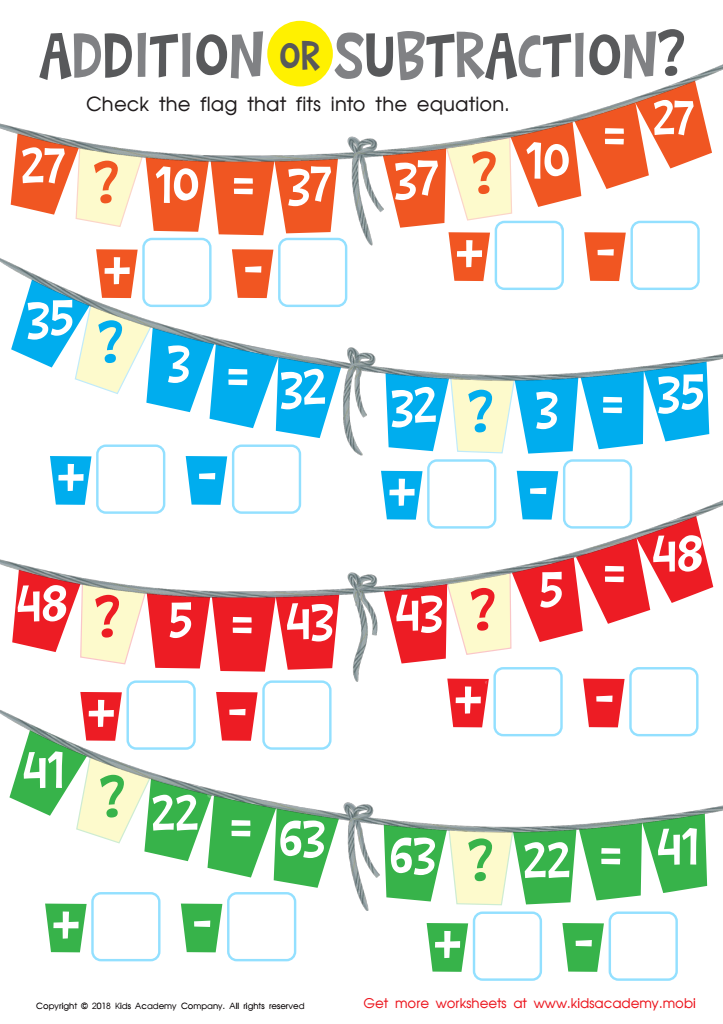
Addition or Subtraction? Worksheet
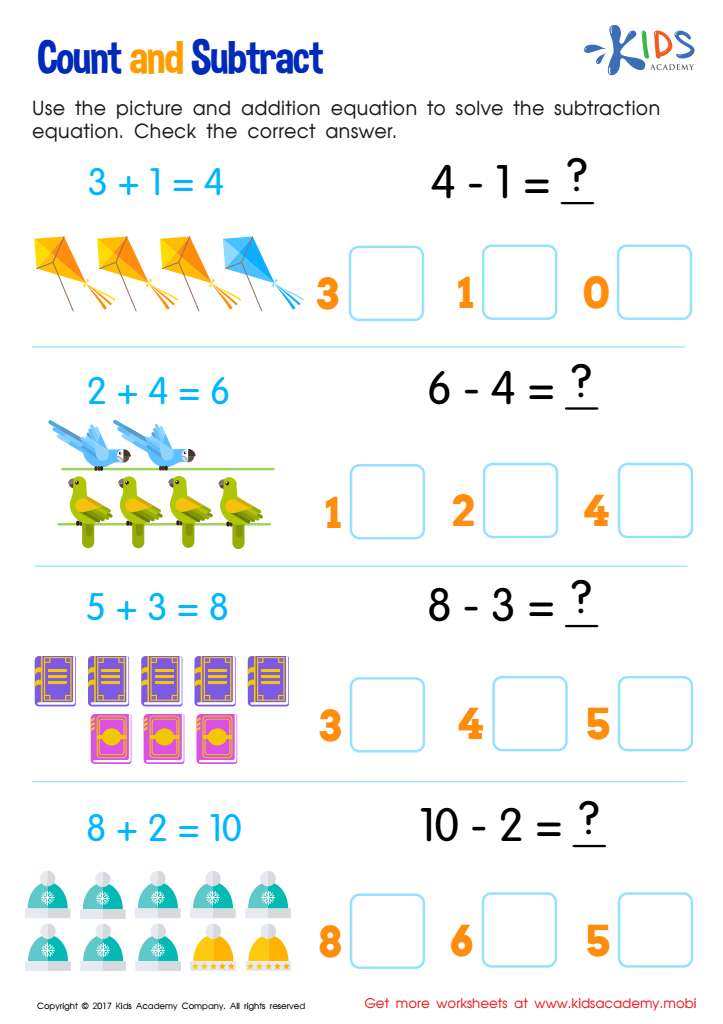
Count and Subtract Worksheet
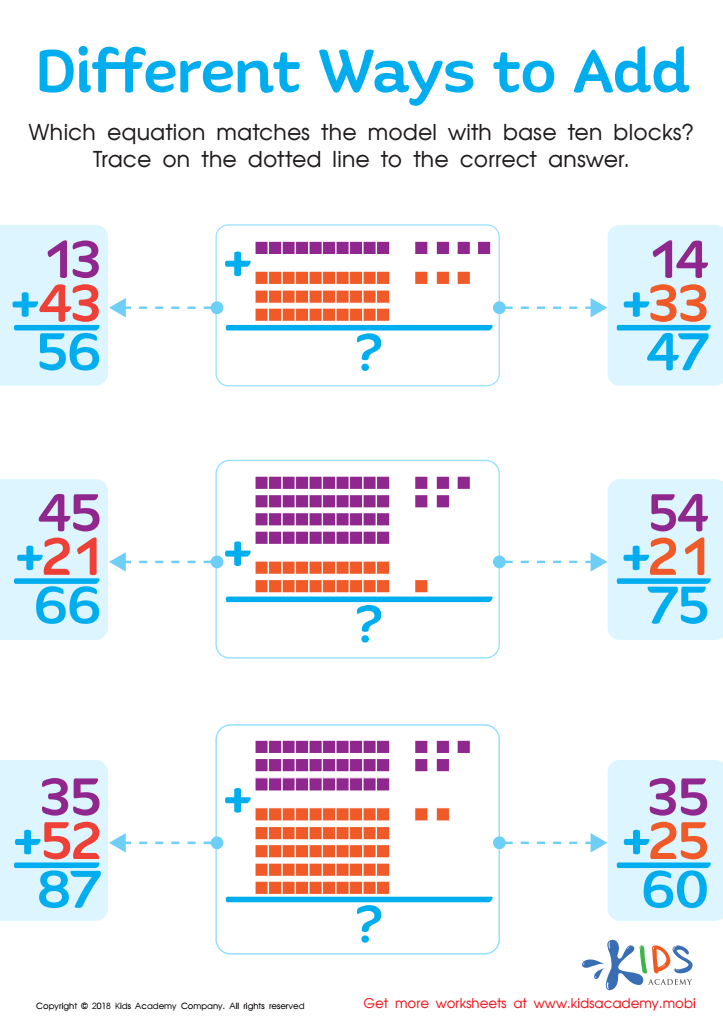
Different Ways to Add Worksheet

Sudoku Worksheet
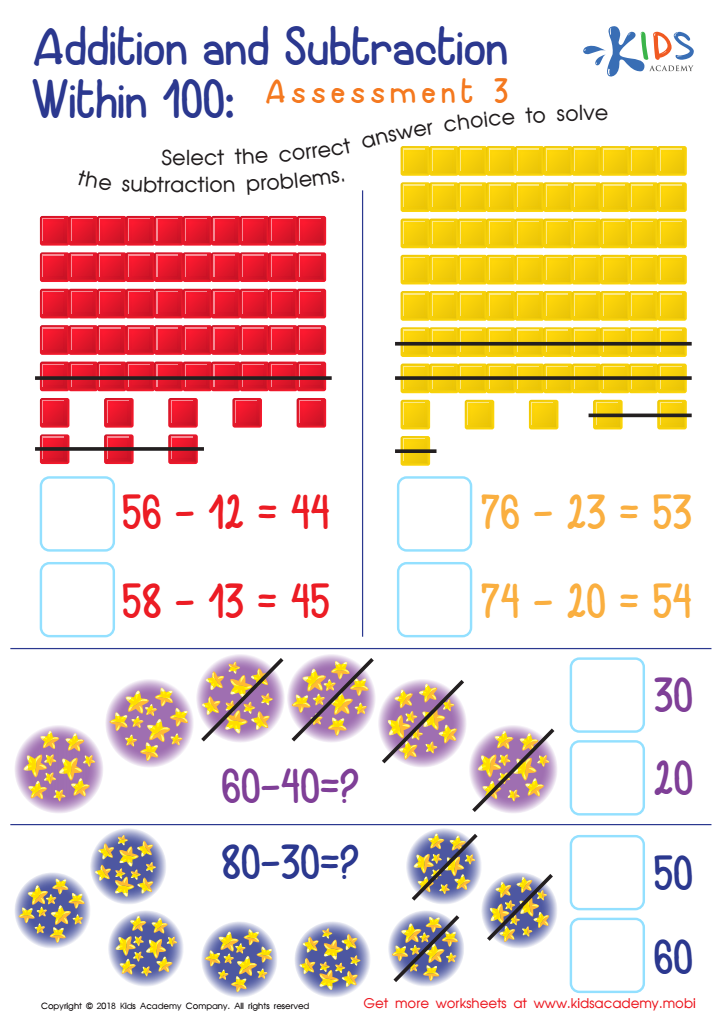
Addition and Subtraction Within 1: Assessment 3 Worksheet
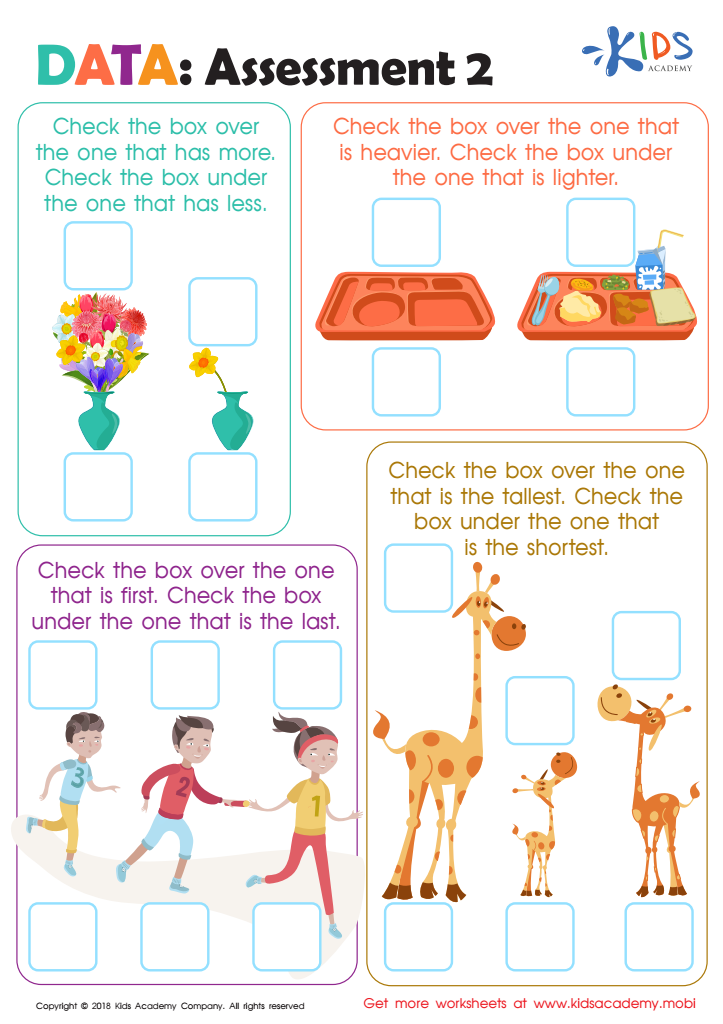
Data: Assessment 2 Worksheet
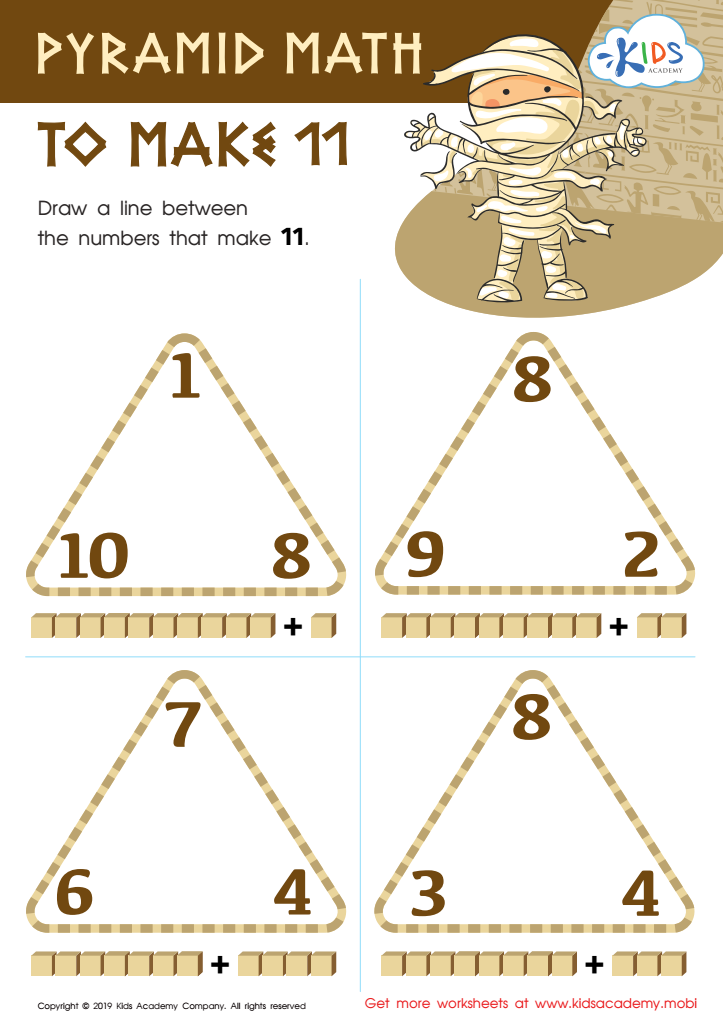
Pyramid Math to Make 11 Worksheet






.jpg)

Problem-solving abilities in math are crucial for children aged 3-9 because they form the foundation for logical thinking, critical reasoning, and everyday life skills. During these formative years, children's brains are exceptionally adaptable, making it the perfect time to cultivate their cognitive abilities. Developing problem-solving skills not only enhances mathematical comprehension but also fosters perseverance and creativity.
When children engage with math through problem-solving scenarios, they learn to approach challenges with a growth mindset. They adapt various strategies to arrive at solutions, laying the groundwork for higher-level math and analytical skills in the future. Parents and teachers should prioritize these abilities, as they encourage independent thinking, discovery, and self-confidence in children.
Moreover, problem-solving in math promotes important social skills. Collaborative learning through group activities or discussions helps children articulate their thought processes and view problems from different perspectives. This inclusive atmosphere nurtures a sense of community and belonging.
In summary, fostering problem-solving abilities in math equips young learners with necessary life skills that extend beyond academic achievement, preparing them for future challenges both in and out of the classroom. Encouraging a love for problem-solving early on positions children for lifelong success.








