Problem Solving Math Worksheets for Ages 3-9 - Page 2
34 filtered results
-
From - To
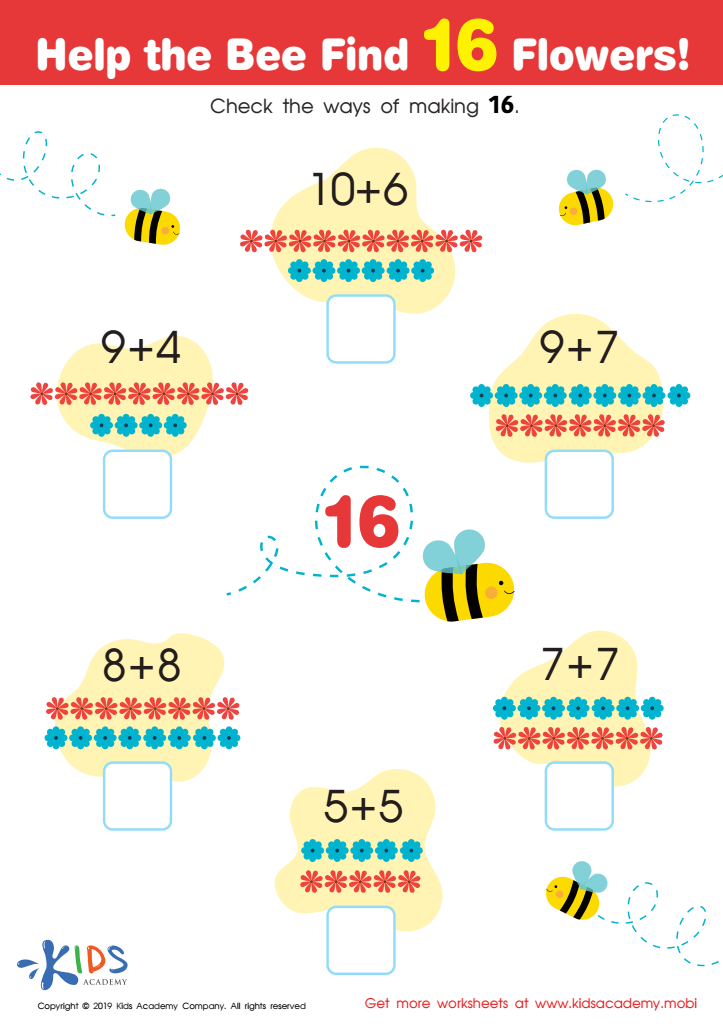
Help the Bee Find 16 Flowers Worksheet
 Assign to My Students
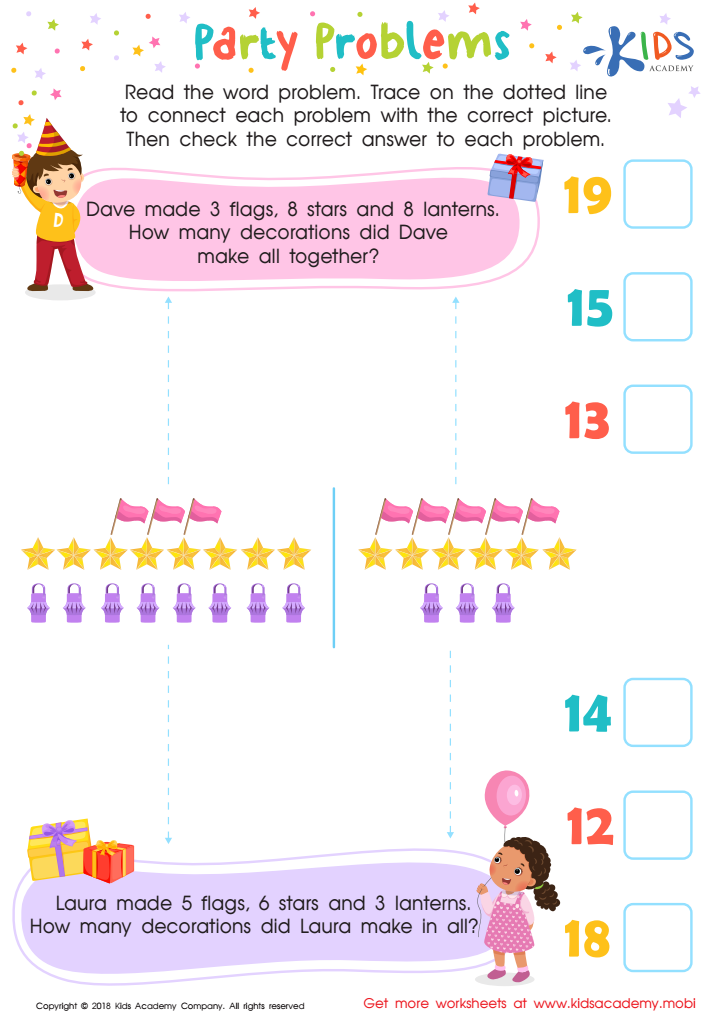
Party Problems Worksheet
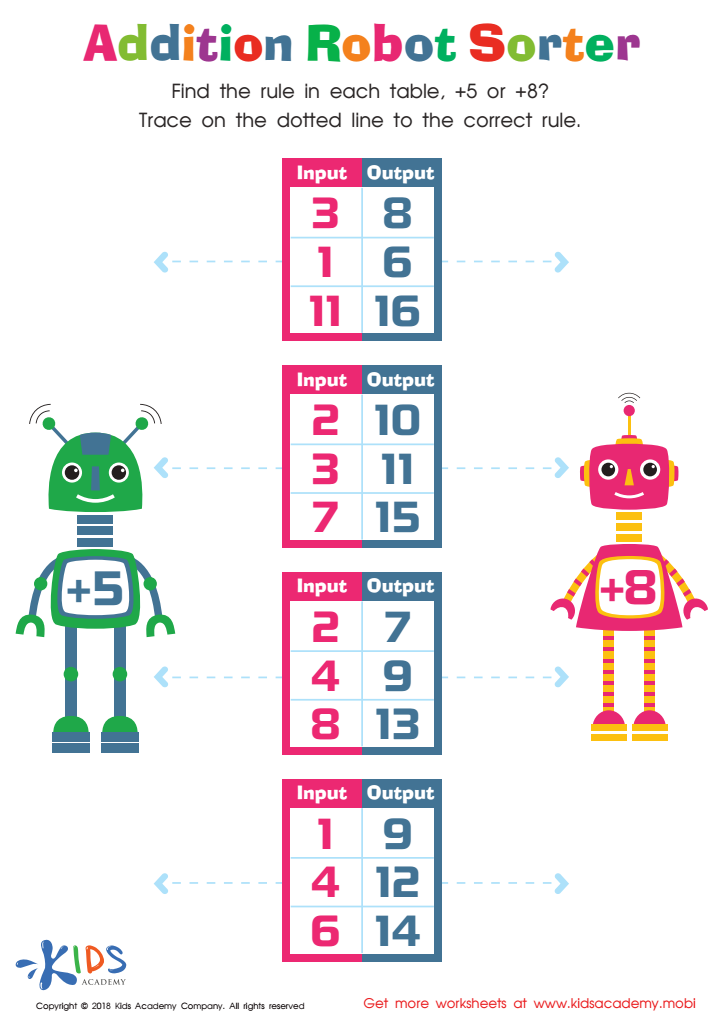
Addition Robot Sorter Worksheet
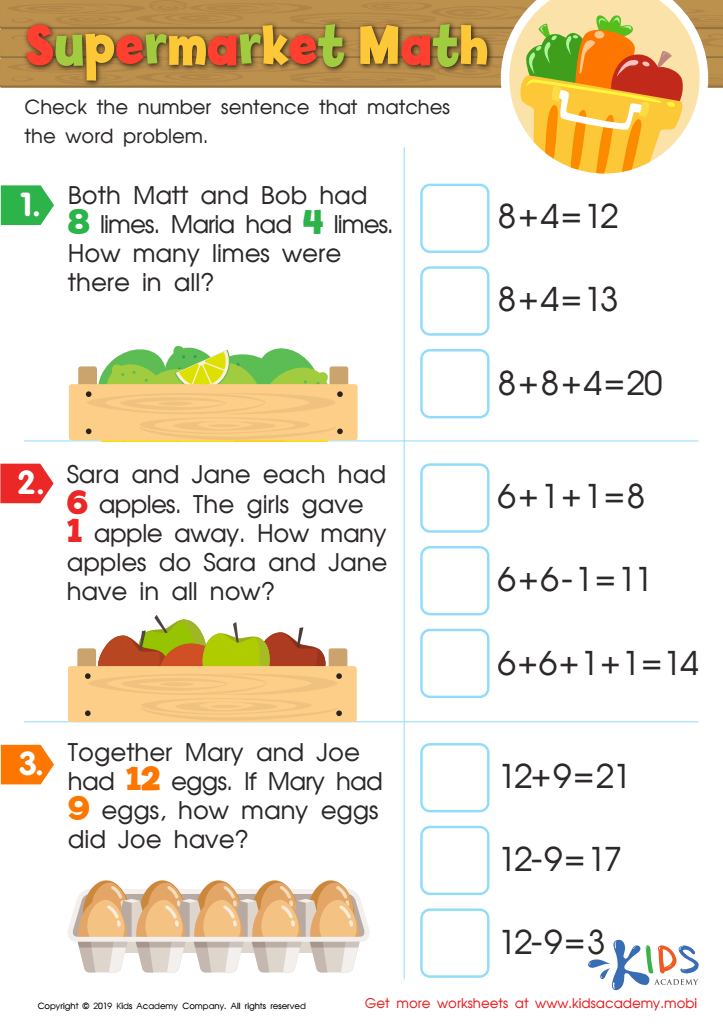
Supermarket Math Worksheet
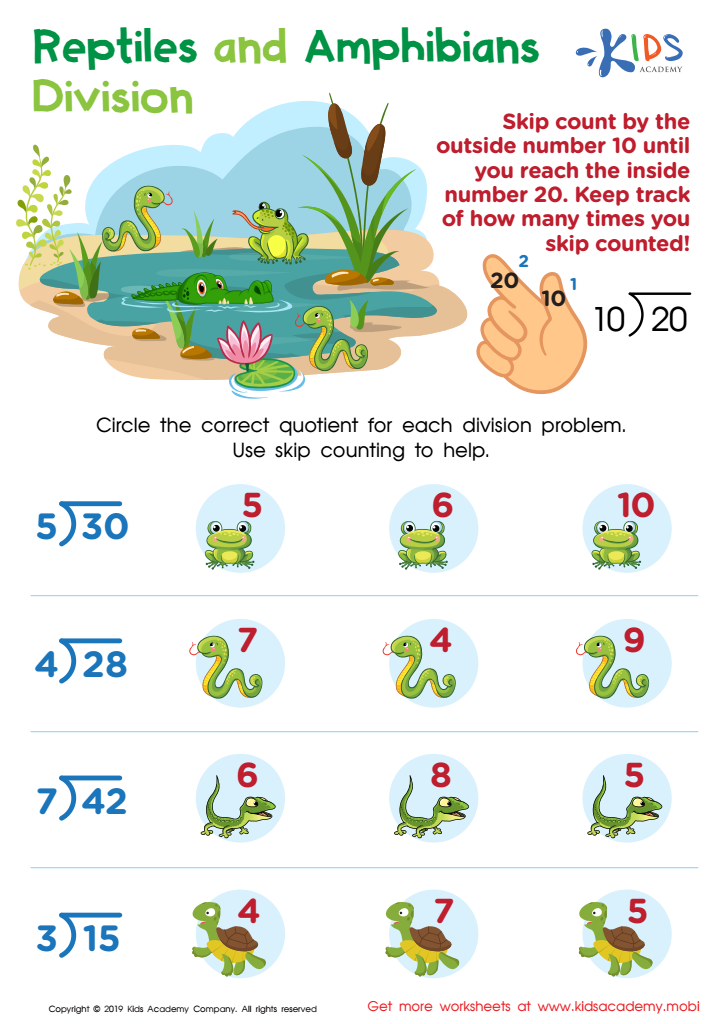
Reptile and Amphibians Division Worksheet
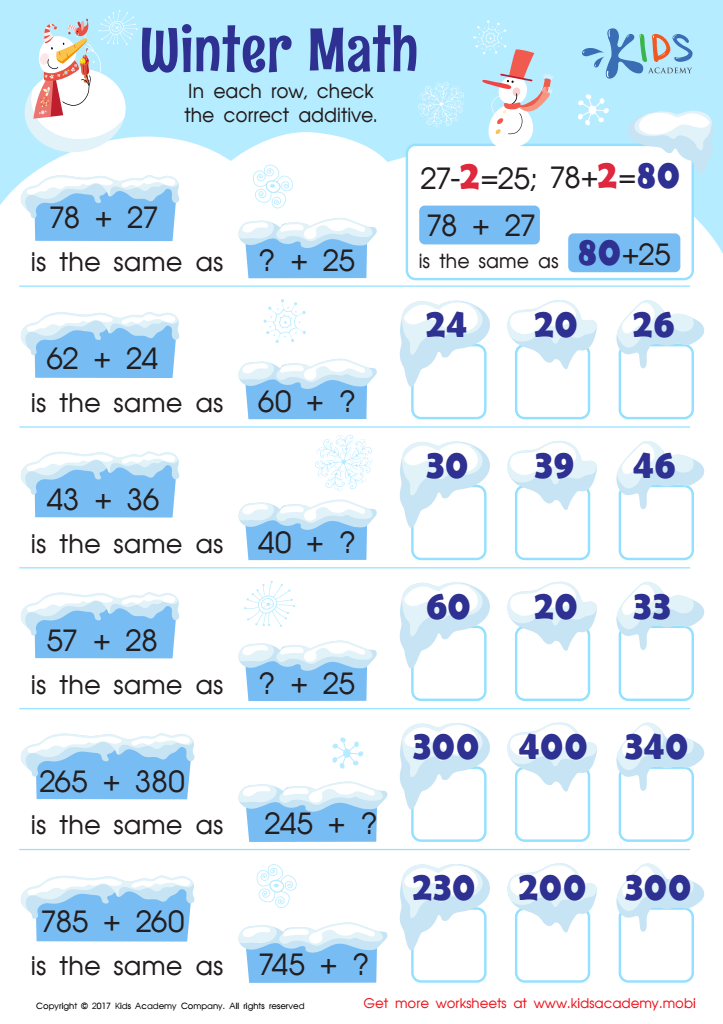
Free Addition Worksheet
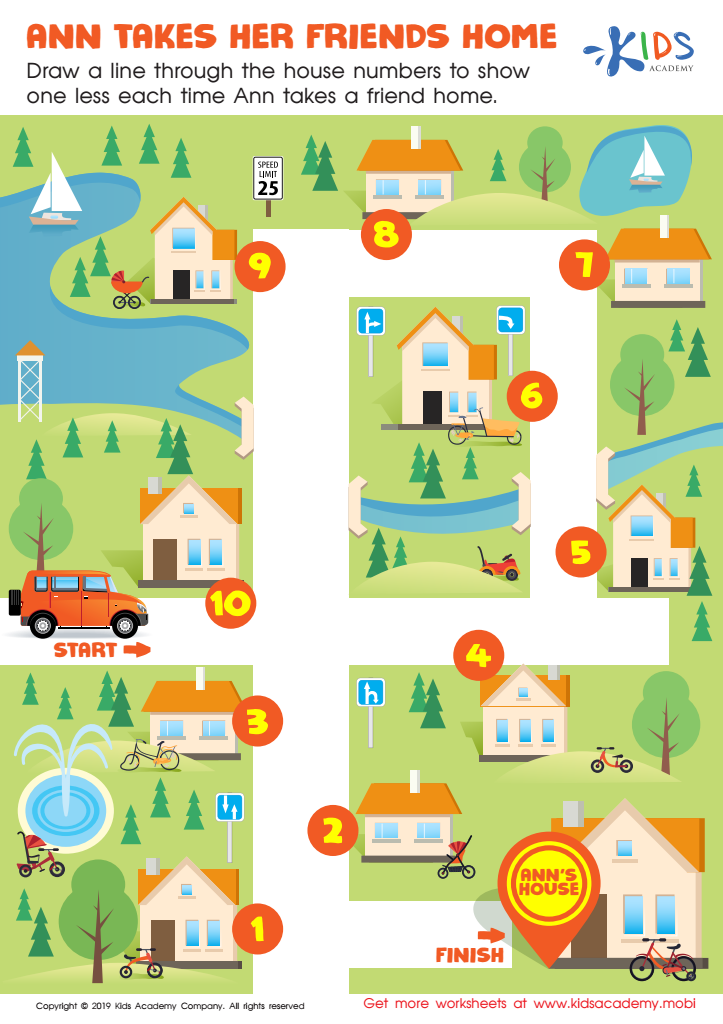
Ann Takes her Friends Home Worksheet








Problem-solving math is crucial for children ages 3-9 as it lays the foundation for critical thinking and cognitive development. During this formative period, children develop essential skills like reasoning, pattern recognition, and analytical thinking through engaging in problem-solving activities. These skills are not only relevant to mathematics but transferable across various subjects and real-life situations.
Parents and teachers should care about fostering these skills because early engagement with math concepts helps to build a positive attitude towards the subject. When children solve problems, they also learn perseverance, how to work through challenges, and the confidence to tackle uncertainties—all essential life skills. Incorporating playful and interactive problem-solving tasks makes learning enjoyable and reduces math anxiety, promoting a lifelong love for learning.
Moreover, as society becomes increasingly dependent on technology and data-driven decision-making, a solid math foundation is vital. Early exposure to problem-solving equips students with the ability to approach new challenges with creativity and logic.
In conclusion, prioritizing problem-solving math fosters a rich educational environment where children not only excel academically but also develop into well-rounded individuals equipped to succeed in an ever-evolving world. Parents and teachers play a pivotal role in nurturing these essential skills during such a crucial developmental stage.








