Spelling practice Math Worksheets for Ages 3-9
9 filtered results
-
From - To
Discover our engaging Spelling Practice Math Worksheets designed for ages 3-9! These worksheets seamlessly blend math skills with spelling practice, making learning fun and effective. Perfect for early learners, our activities are crafted to enhance vocabulary and reinforce math concepts through creative exercises that will captivate young minds. With a variety of exercises, children can practice spelling while applying their math knowledge, fostering a love of learning in multiple subjects. Our worksheets are printable and easy to use at home or in the classroom. Join us in making learning a delightful adventure! Explore our comprehensive collection today!
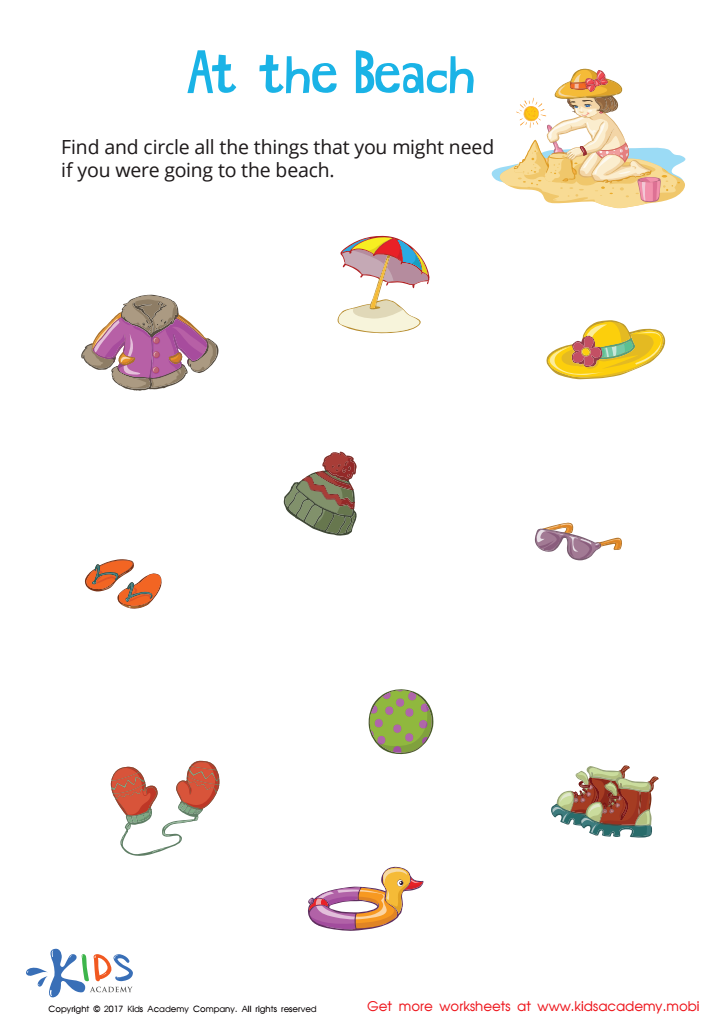
At the Beach Sorting Worksheet
 Assign to My Students
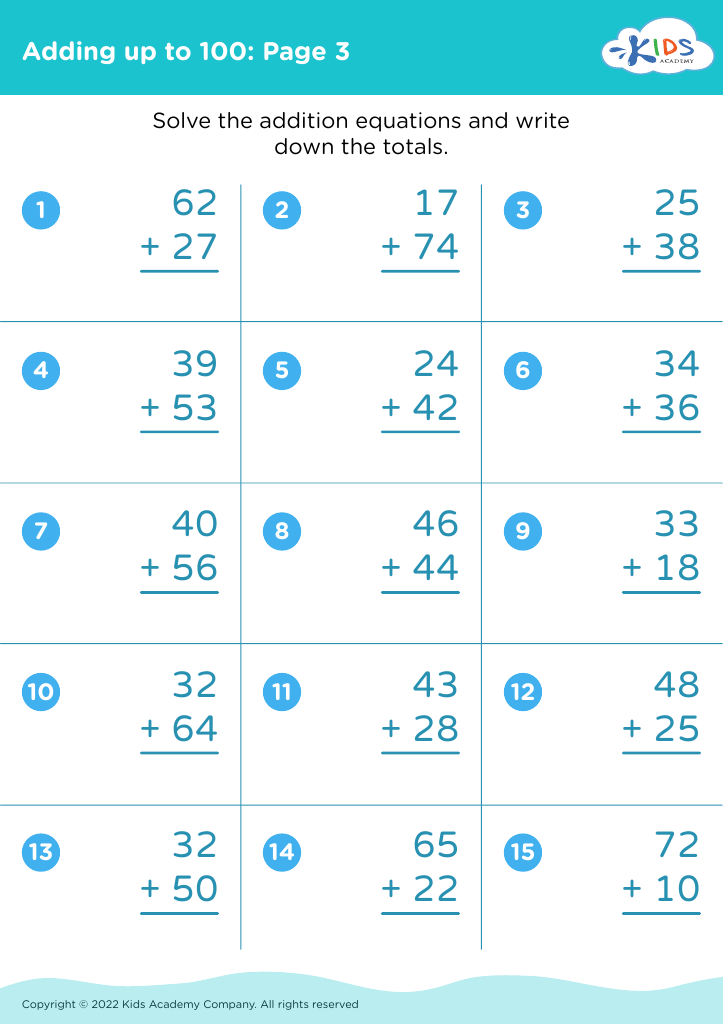
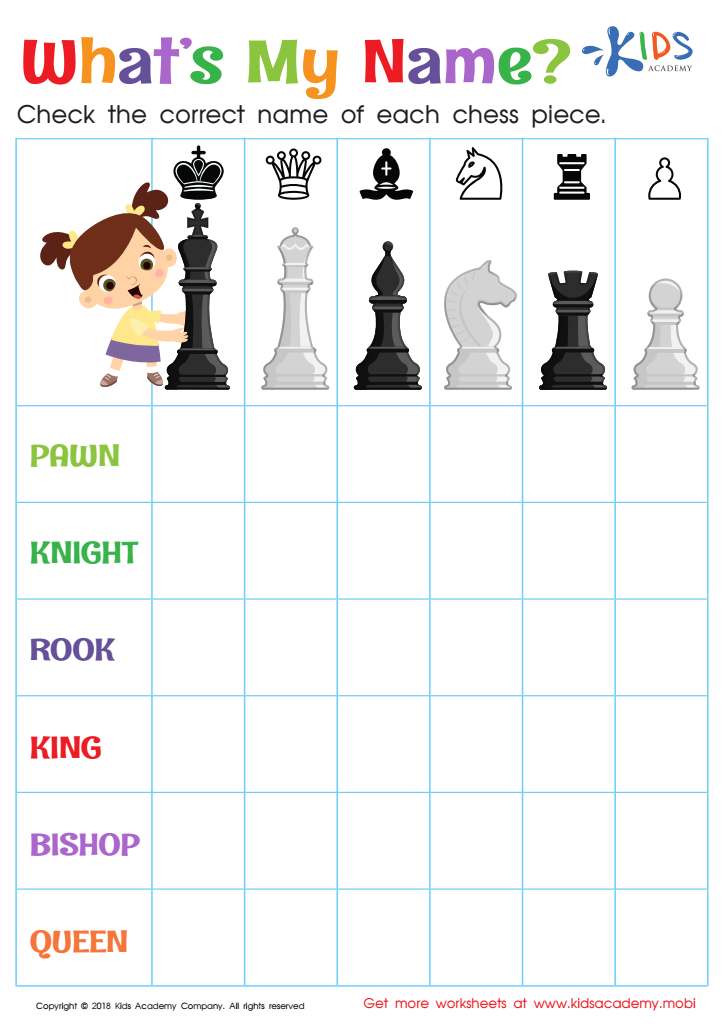
What's My Name? Worksheet
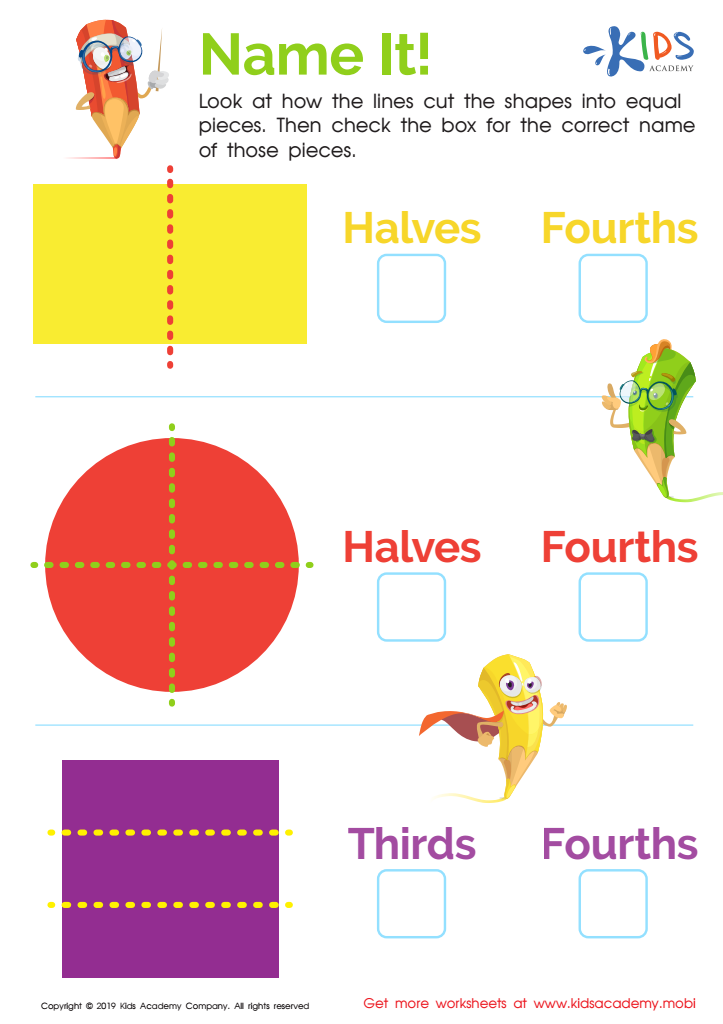
Name It! Worksheet
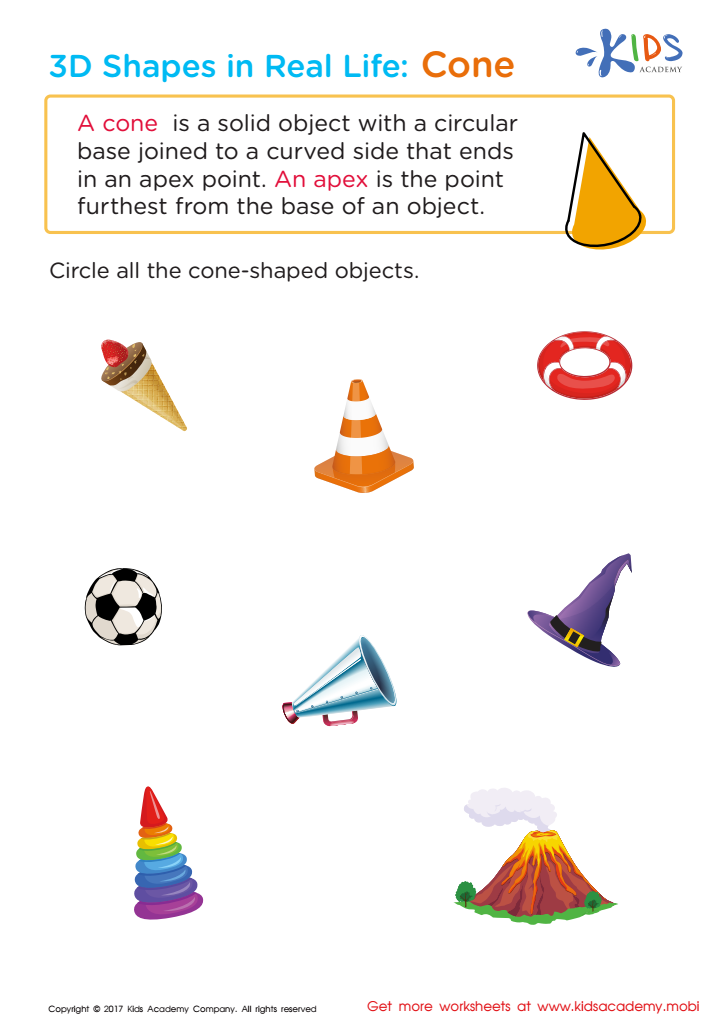
Shapes in Real Life: Cone Worksheet
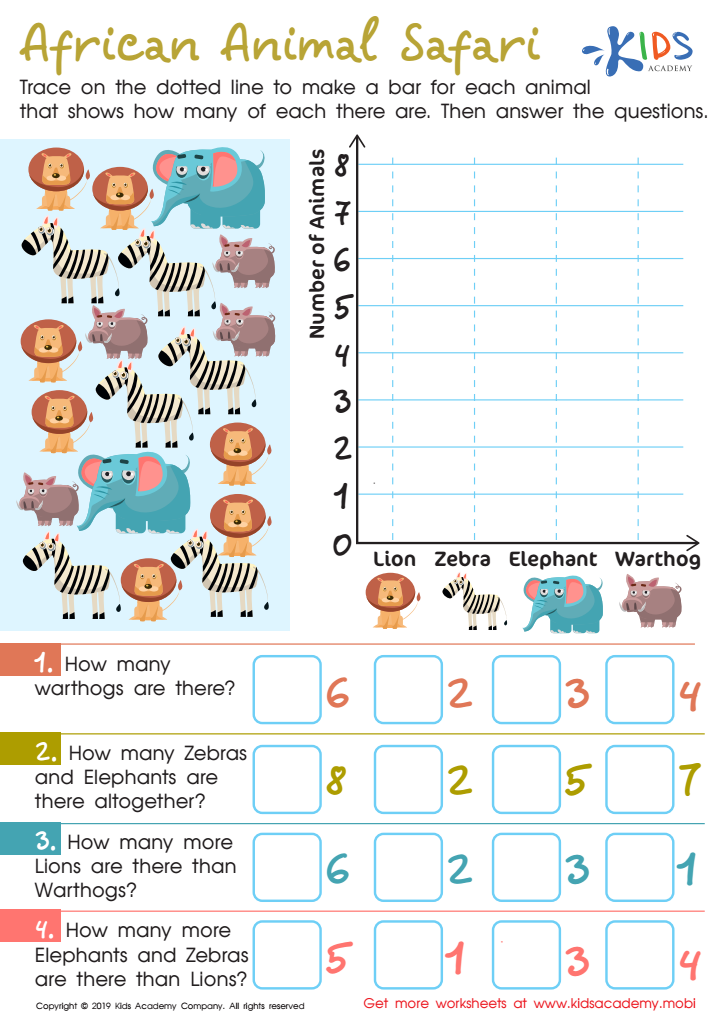
African Animal Safari Worksheet




.jpg)



Parents and teachers should prioritize spelling practice in young learners, particularly from ages 3-9, for several compelling reasons. First, spelling enhances literacy skills, forming a foundational component of reading and writing. When children engage with spelling, they develop phonemic awareness, which aids in decoding words and increases their confidence in literacy.
Second, spelling practice fosters cognitive development, promoting critical thinking as children explore language patterns and word formations. This engagement can also enhance memory retention and improve language comprehension, providing children with the tools they need to communicate effectively.
Integrating spelling practice into mathematical contexts (such as solving word problems) encourages students to comprehend the significance of numerical expressions and enhances their ability to verbalize mathematical concepts. This holistic approach solidifies both their language and math skills, paving the way for future learning.
Additionally, consistent spelling practice is immensely beneficial for building persistence and resilience. The effort to get spelling right instills a sense of achievement, motivating children to tackle more complex subjects as they progress. Ultimately, equipping children with strong spelling and math skills lays a solid groundwork for their academic success and fosters a lifelong love for learning.








