Understanding numerical values Math Worksheets for Ages 3-9
4 filtered results
-
From - To
Understanding Numerical Values Math Worksheets for Ages 3-9 from Kids Academy offers abundant, expertly crafted resources to build foundational math skills in young learners. Designed to align with age-appropriate learning goals, these engaging worksheets help children recognize, count, and compare numbers through fun, colorful activities. Guided by educational professionals, this comprehensive collection covers diverse topics such as number sequences, basic addition, and subtraction. Kids Academy's supportive learning tools foster a positive attitude towards math by making practice both enjoyable and effective. Ideal for parents and teachers focusing on early math proficiency, these worksheets contribute to a solid numerical foundation.
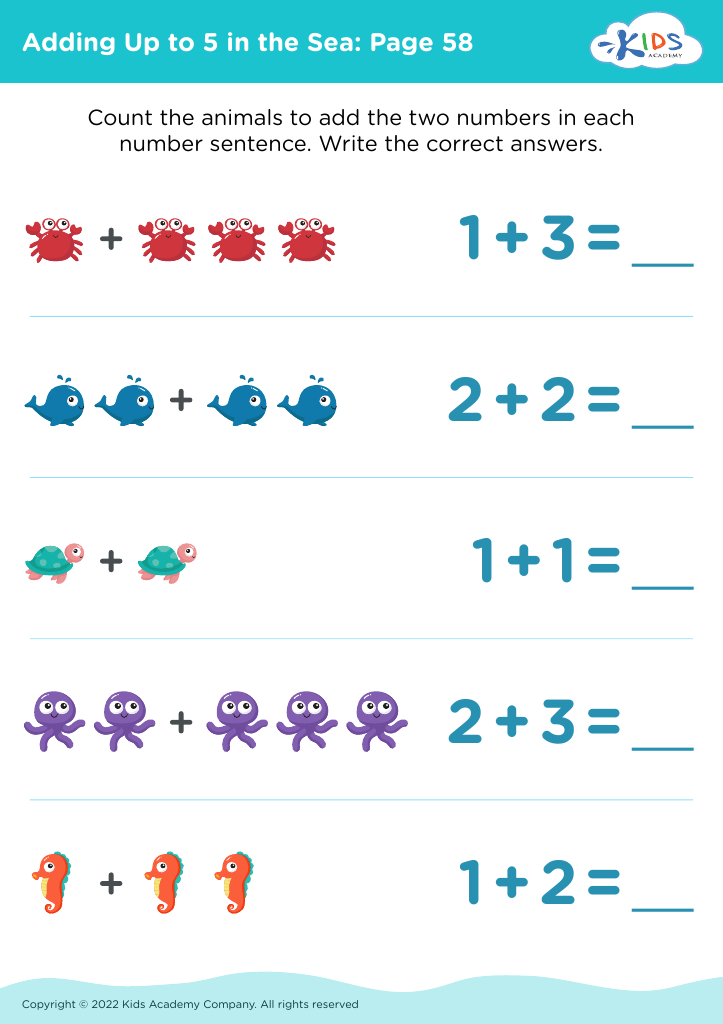
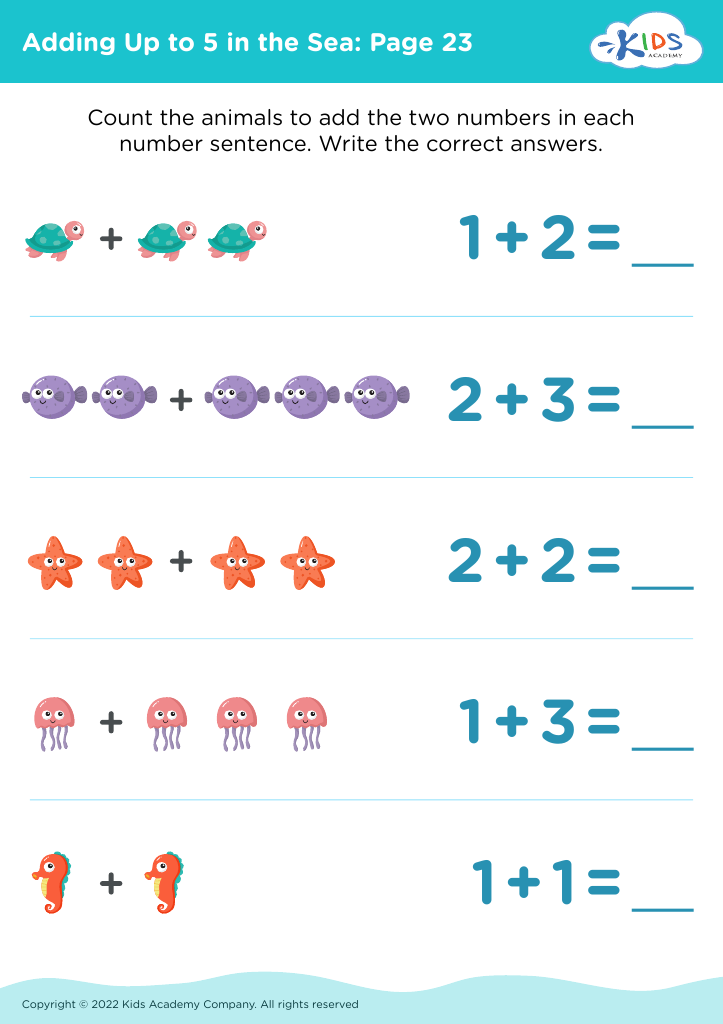
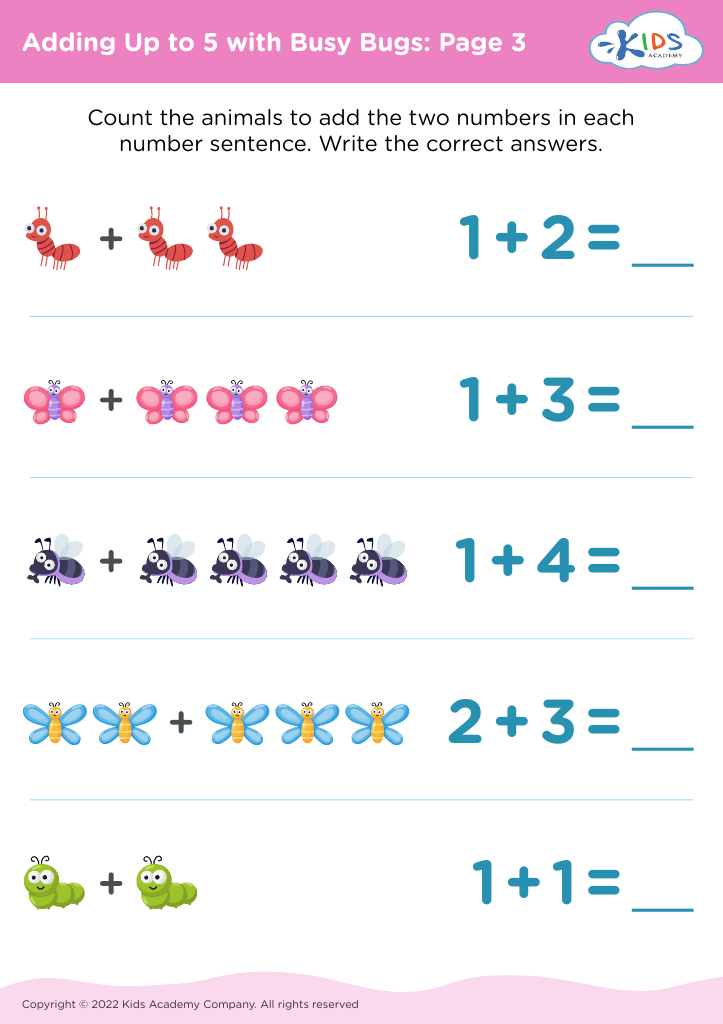
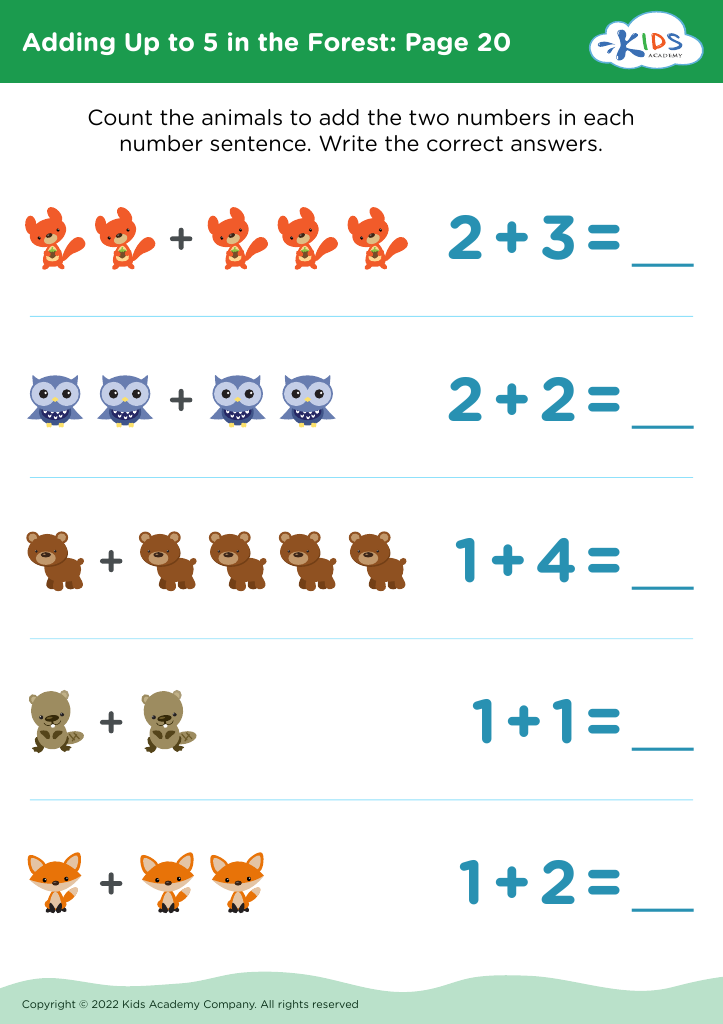








Understanding numerical values in early math is crucial for children aged 3-9 because it builds the foundational skills necessary for more complex mathematical concepts later in life. For parents and teachers, encouraging early numeracy can lead to better educational outcomes. Children who grasp basic numerical values are poised to excel in arithmetic, problem-solving, and logical reasoning, which are essential across all STEM (Science, Technology, Engineering, Mathematics) fields.
Early math skills are also linked to other critical areas such as language development, memory, attention, and cognitive abilities. Numerical understanding promotes a child's ability to perform everyday tasks, like telling time, counting money, and following recipes, thus fostering independence and confidence.
Moreover, early math proficiency is a predictor of academic success in other subjects. Studies show that children who struggle with math in kindergarten are likely to face challenges in reading and vice versa. Supporting young learners in understanding numbers can help in creating a positive attitude towards learning, reducing math anxiety, and developing a lifelong love for numbers.
Parents and teachers play a pivotal role by integrating playful and engaging activities like games, songs, and hands-on experiences that make learning math fun and relatable. In this way, they help solidify the child’s numerical foundation, setting them up for future success.








