Understanding quantity Math Worksheets for Ages 3-9 - Page 2
30 filtered results
-
From - To
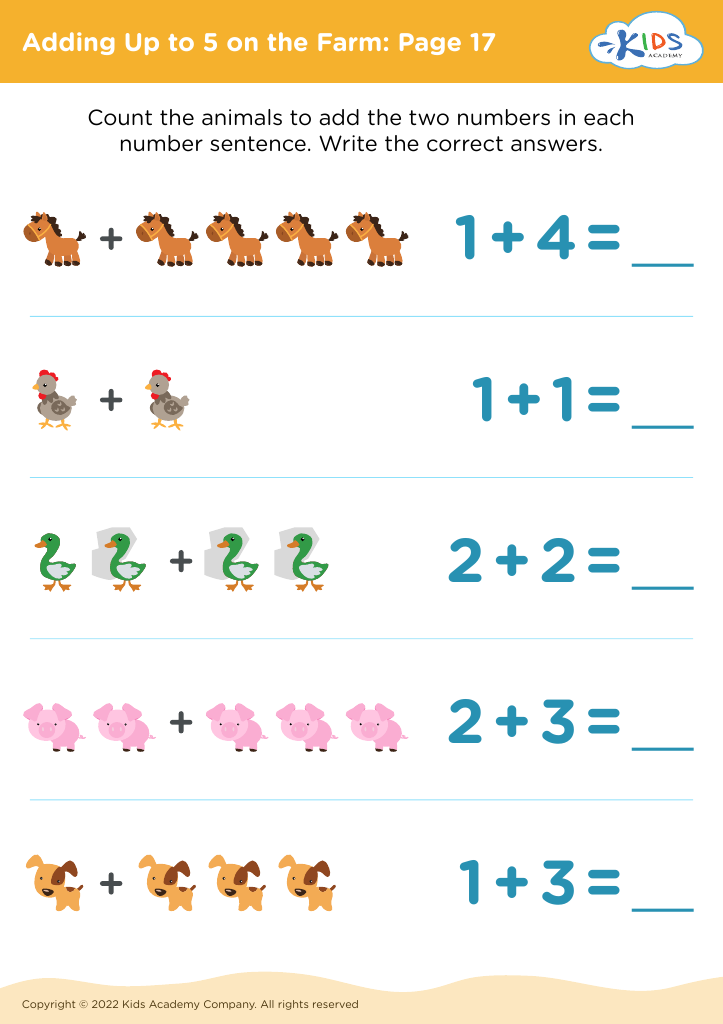
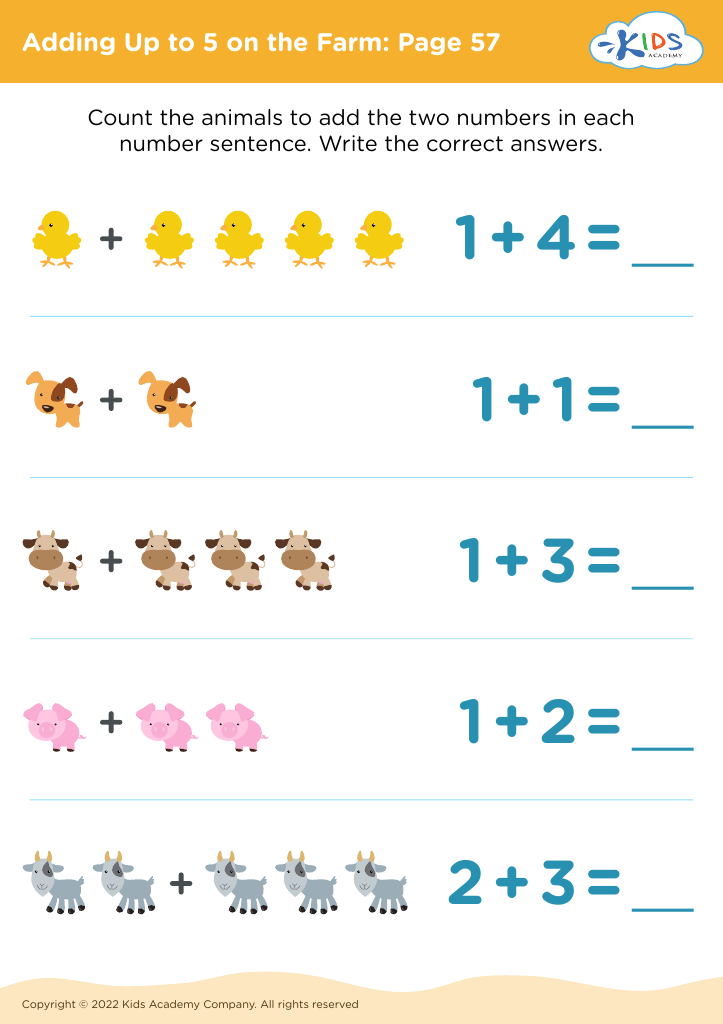
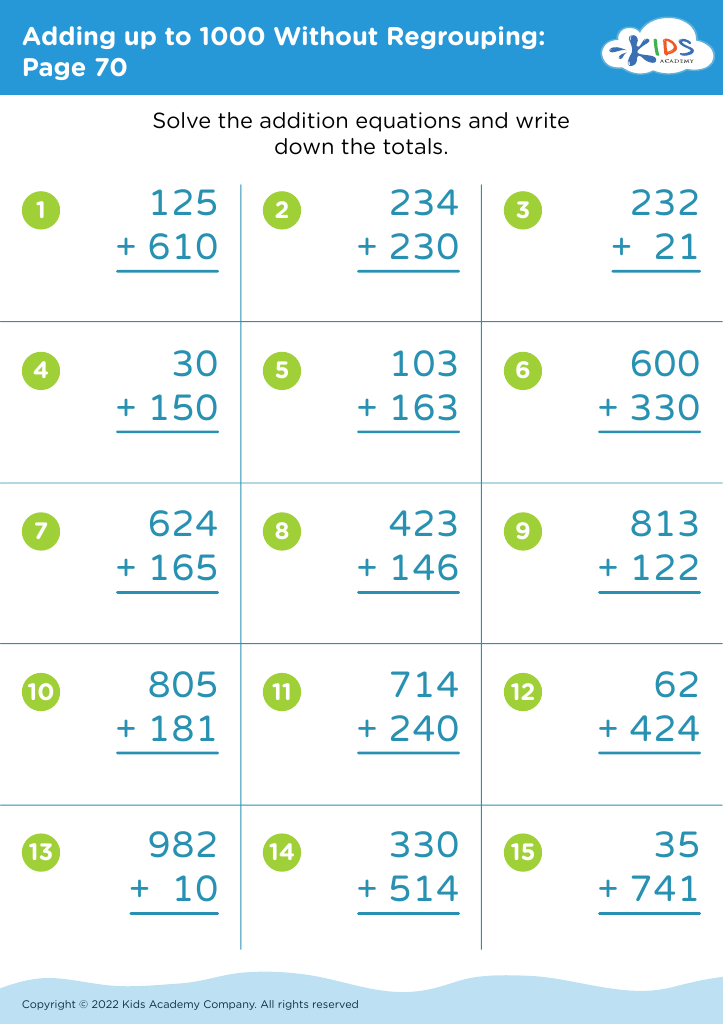
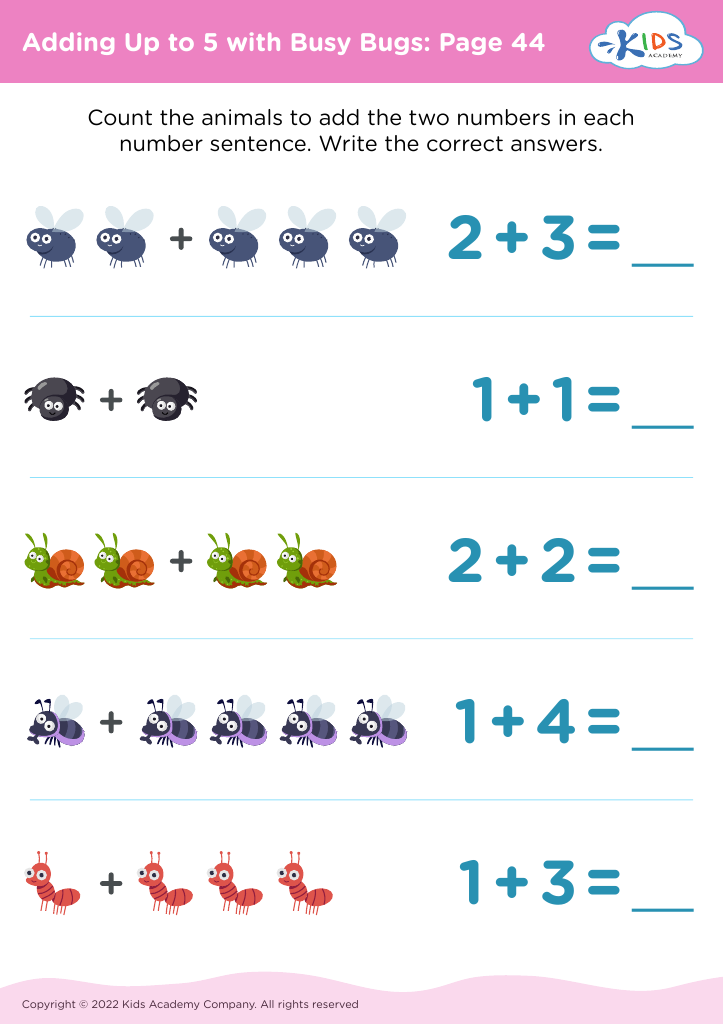
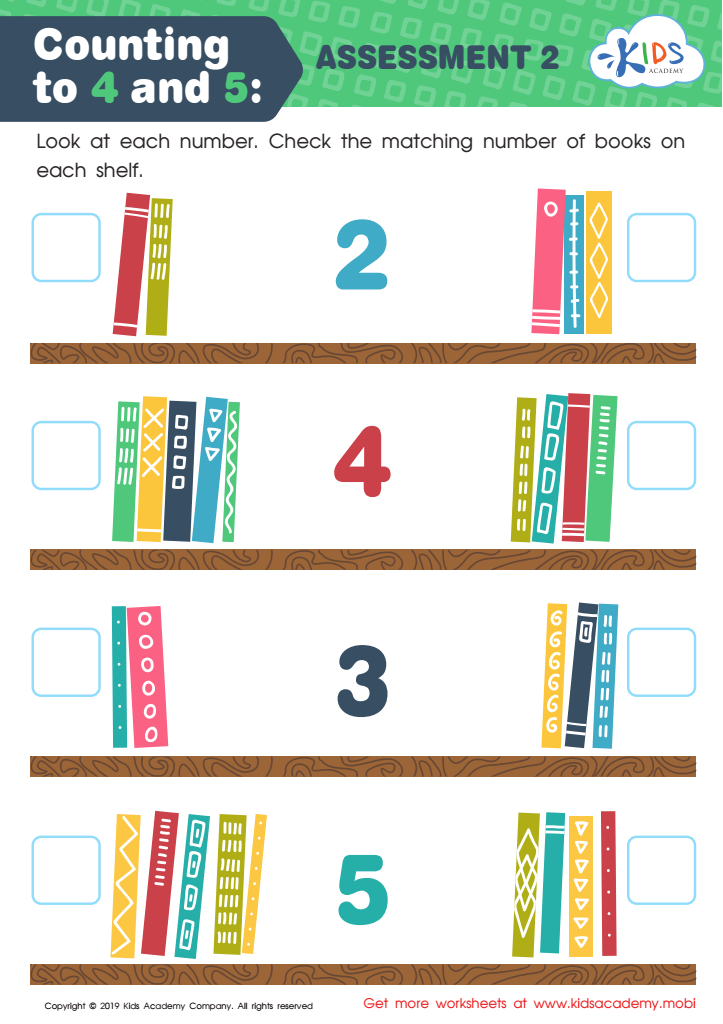
Counting to 4 and 5: Assessment 2 Worksheet
 Assign to My Students
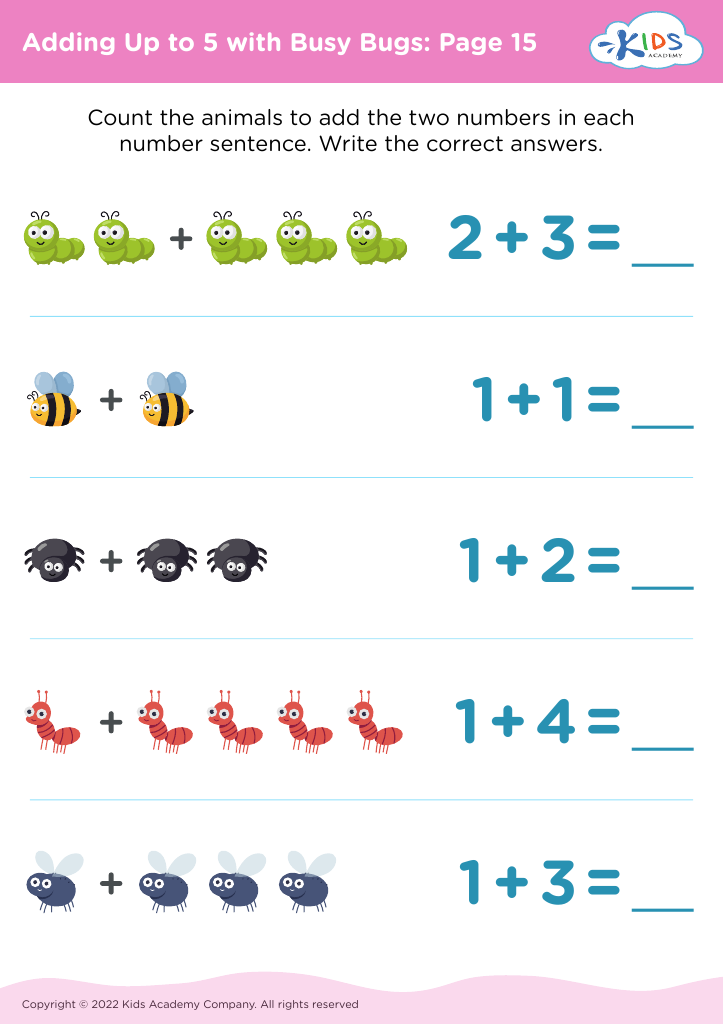







Understanding quantity math is essential for children ages 3-9 because it lays the foundation for their overall mathematical skills and cognitive development. At this stage, children are naturally curious and learning about numbers, patterns, and relationships, which shapes their ability to problem-solve and think critically. By focusing on quantity, children can grasp the concepts of counting, comparing, and measuring—skills that are crucial not just in math but in everyday life.
Parents and teachers play a pivotal role in nurturing this understanding. Engaging children in activities that involve quantity, like sorting objects, counting snacks, or exploring number concepts through games, helps them develop a strong numeracy sense. This early exposure fosters confidence and resilience in tackling more complex mathematical operations later on, such as addition and subtraction.
Moreover, a solid grasp of quantity math directly supports academic success. Children who understand these fundamental principles tend to perform better in school, setting the stage for future learning in STEM fields. With increasing emphasis on math literacy, parents and teachers must advocate for early and meaningful engagement in quantity-based activities, ensuring children thrive both academically and in life beyond the classroom.








