
Visualization skills Math Worksheets for Ages 3-9
5 filtered results
Difficulty Level
Grade
Age
-
From - To
Subject
Activity
Standards
Unlock your child's potential with our engaging Visualization Skills Math Worksheets, designed specifically for ages 3-9! These worksheets enhance critical thinking and spatial awareness, essential components for early math learning. Children will enjoy fun activities that challenge them to visualize shapes, patterns, and spatial relationships, laying a solid foundation for future math success. Our interactive printables stimulate creativity and boost confidence, making math an enjoyable experience. Perfect for both classroom settings and at-home practice, these worksheets cater to various learning paces. Help your child develop essential visualization skills while fostering a love for mathematics! Explore our collection today!
Favorites
With answer key
Interactive
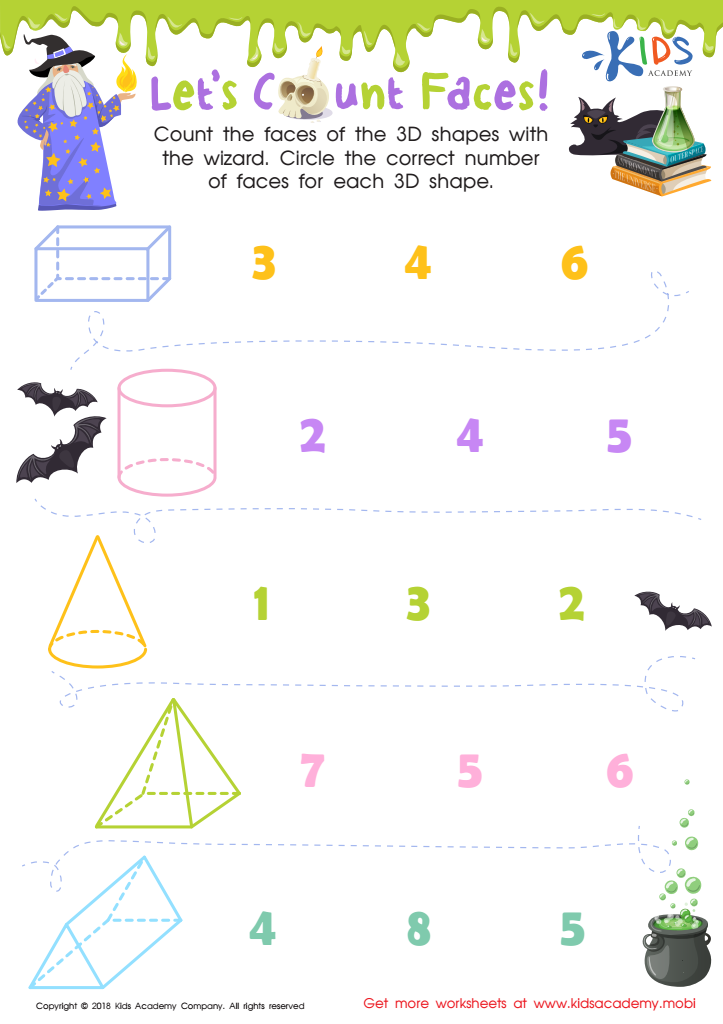
Let's Count Faces! Worksheet
Help the wizard count the faces of 3D shapes! Ask your kids to identify the shapes before beginning, then have them circle the correct number of faces. Enjoy this fun wizard-themed worksheet with your kids!
 Assign to My Students
Let's Count Faces! Worksheet
Worksheet
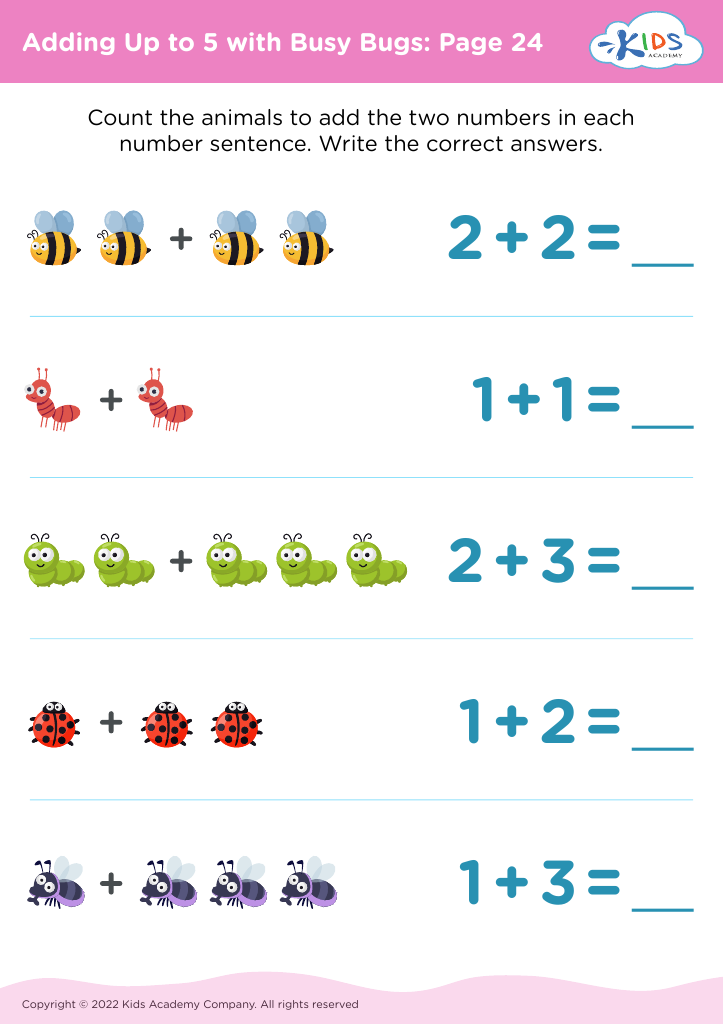
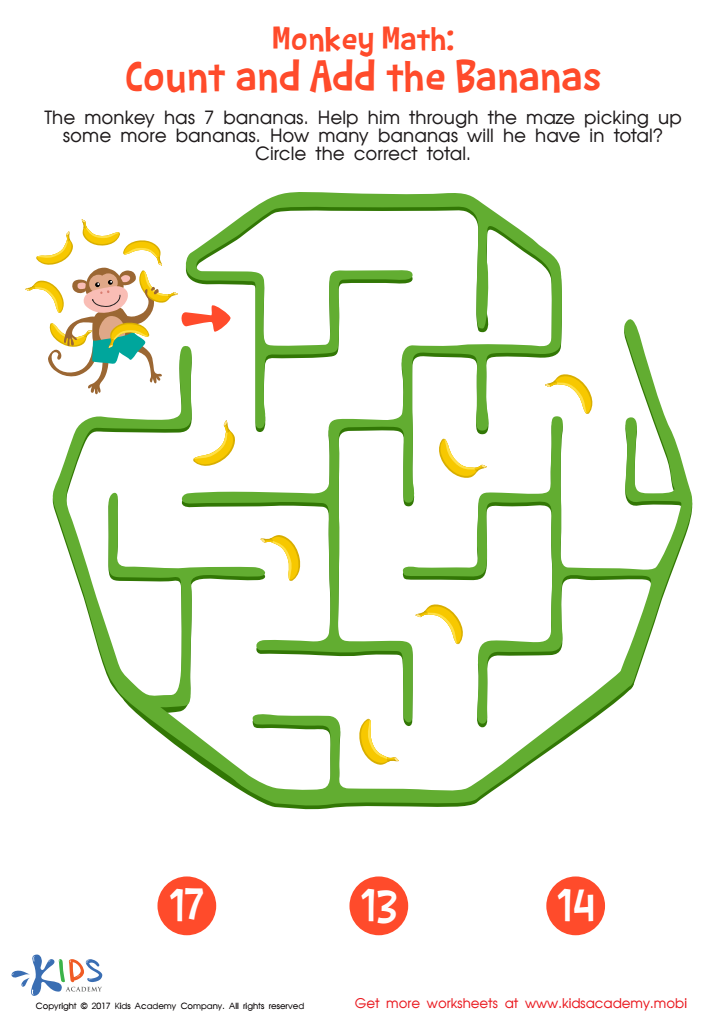
Monkey Math Worksheet
Worksheet
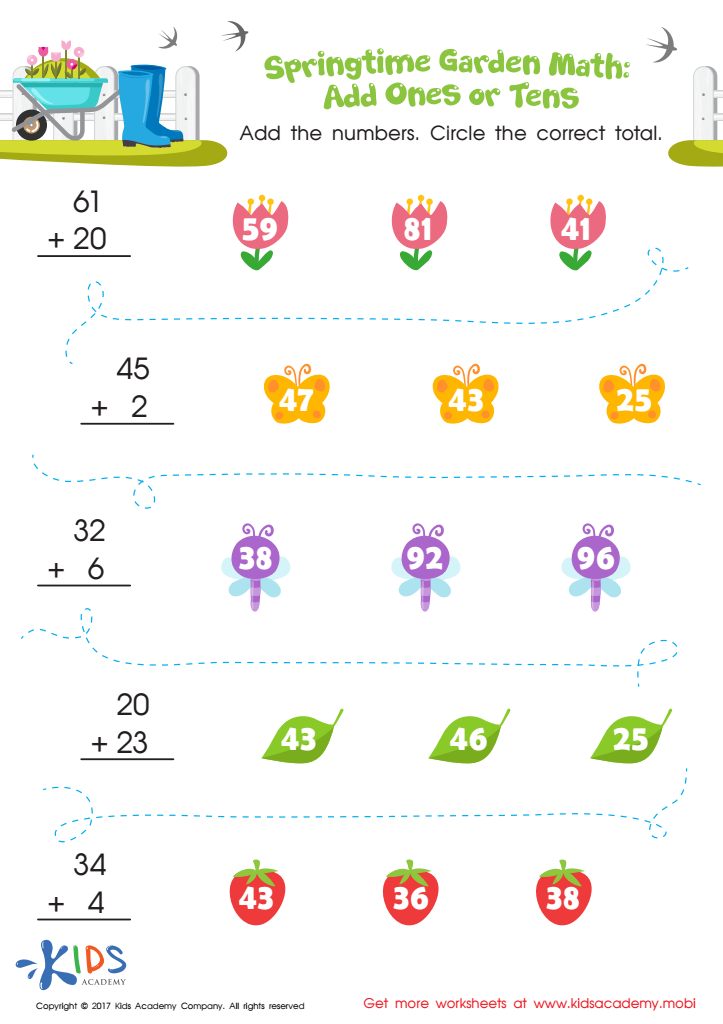
Springtime Garden Math Worksheet
Get your kid ready for math success with this bright garden-themed addition worksheet! They'll practice adding two-digit numbers and check their answers with the choices provided. It's an effective way to help kids build skills, as practice strengthens understanding. Get printing for math mastery!
Springtime Garden Math Worksheet
Worksheet
Join Kids Academy for Free
Who is primarily going to use this learning content?








Visualization skills are crucial for children aged 3-9, especially in the context of mathematics. During these formative years, children develop the cognitive abilities needed to understand complex concepts, and visualization serves as a foundational tool in this process. By cultivating strong visualization skills, children can more effectively grasp mathematical relationships, patterns, and structures.
Parents and teachers should value these skills because they directly support problem-solving capacities and spatial reasoning. For instance, when children visualize shapes, quantities, and measurements, they become better equipped to tackle geometry, counting, and basic arithmetic. Additionally, visualization aids in fostering creativity and critical thinking, key components in developing a lifelong love for learning.
Furthermore, children who master visualization skills tend to have improved academic performance as these abilities translate into better comprehension and retention of math concepts. Visualization also helps alleviate math anxiety by providing a concrete way to approach abstract problems, making math more accessible and enjoyable.
Lastly, these skills are not confined to mathematics; they empower students across all subjects, laying a strong foundation for future academic success. By prioritizing visualization skills, parents and teachers invest in a child's holistic development, nurturing their confidence and competence in learning.








