Color recognition Matching Worksheets for Ages 3-9
3 filtered results
-
From - To
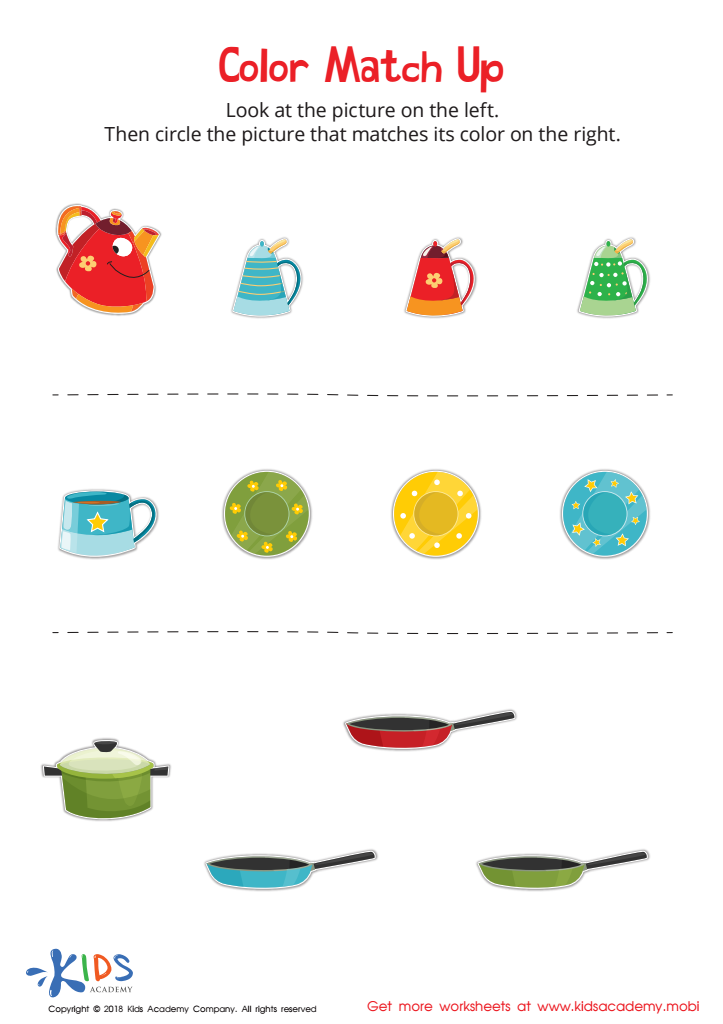
Ignite your child's love for learning with our Color Recognition Matching Worksheets for ages 3-9! These engaging and educational tools are designed to help young learners identify and match colors through fun activities. Perfect for preschool and elementary-age children, our printable worksheets enhance color recognition, critical thinking, and fine motor skills. Crafted by education experts, each worksheet offers vibrant and visually appealing exercises that captivate kids’ attention while fostering creativity. Whether at home or in the classroom, our Color Recognition Matching Worksheets are a fantastic resource for making learning vibrant and enjoyable!
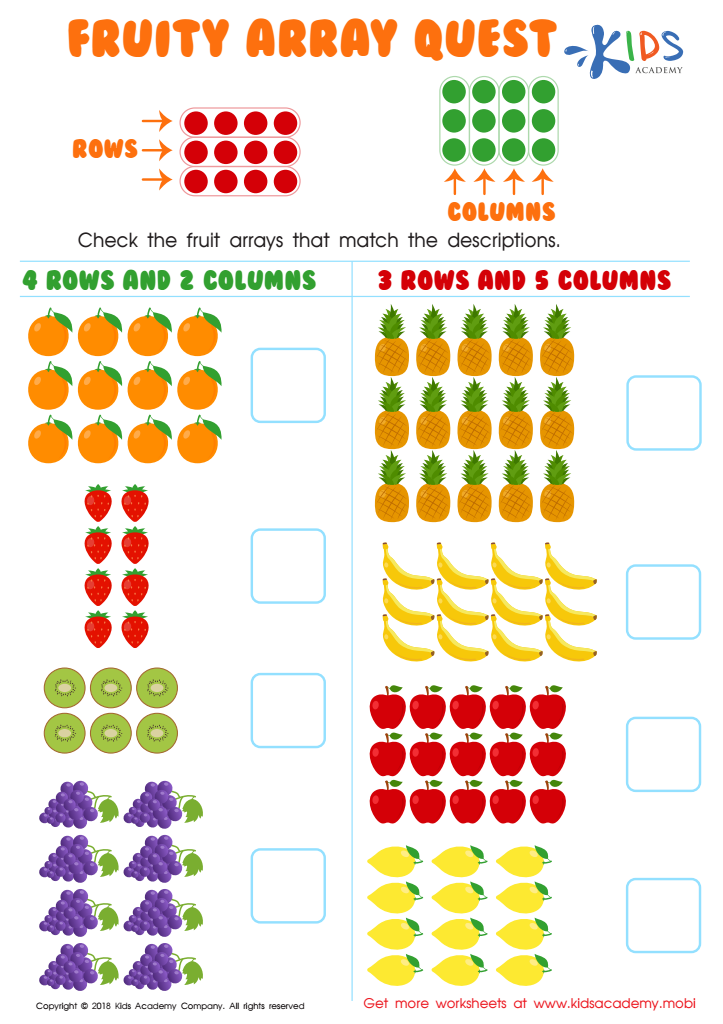
Fruity Array Quest Worksheet
 Assign to My Students
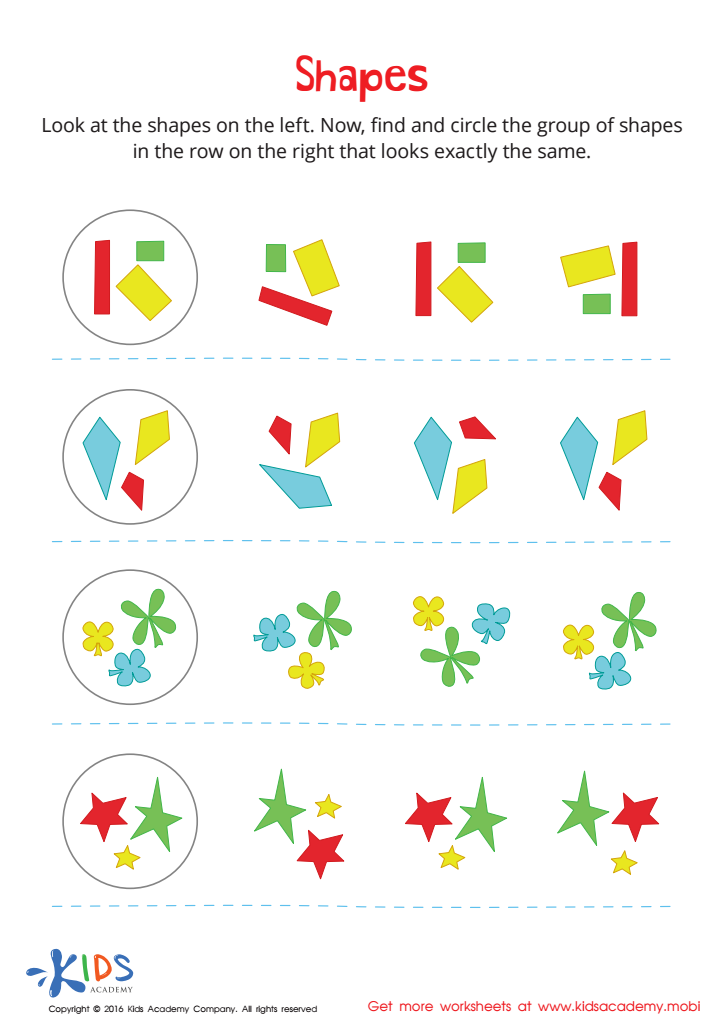
Shapes Worksheet





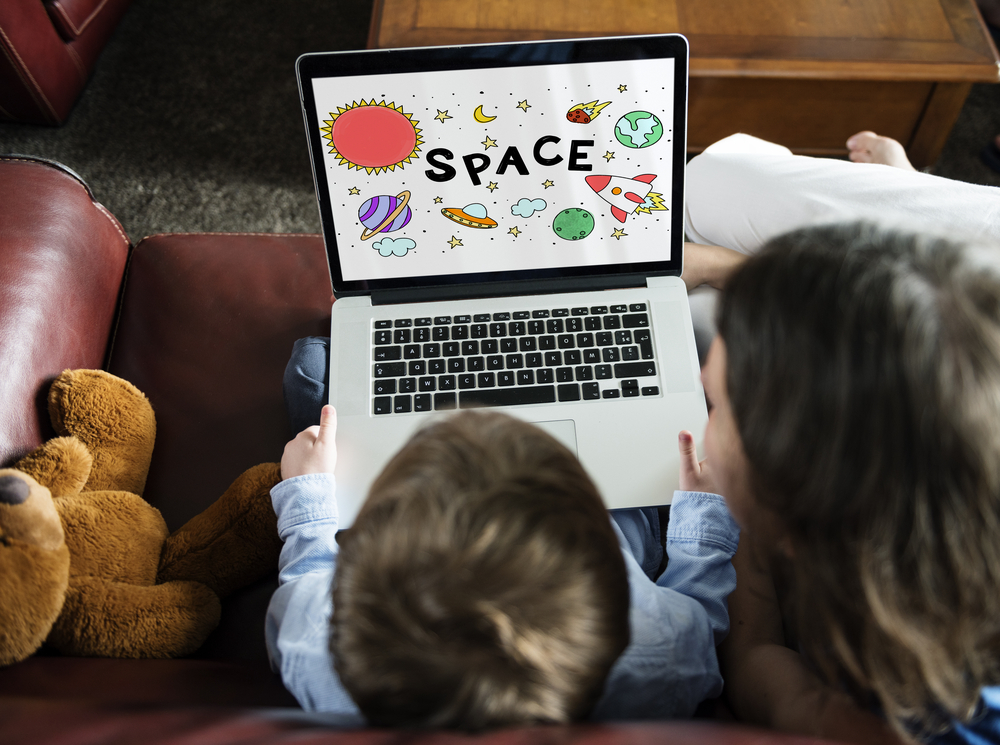

Color recognition and matching are fundamental skills that support a child's overall development and learning. For children aged 3-9, being able to recognize and differentiate colors is critical for early cognitive growth and forms the basis for more complex learning tasks. It promotes visual recognition and stimulates brain development, enhancing a child's ability to process and categorize visual information effectively.
For preschool and early grade educators, introducing color recognition activities helps in developing critical thinking and decision-making skills. These activities can include sorting objects by color, engaging in colorful art projects, or playing color-based games, effectively blending learning with play.
Color plays an essential role in establishing communication and language skills. When children learn the names of different colors, they expand their vocabulary, which supports expressive and receptive language development. Additionally, understanding colors strengthens math and science competencies. For example, children use these skills while encountering patterns in math and working with color-coded components in scientific explorations.
Moreover, color recognition can enhance social skills as well. Through collaborative activities centered on colors, children learn to work together, share, and negotiate, which are fundamental aspects of social interaction. By prioritizing color recognition and matching activities, parents and teachers lay a comprehensive foundation for future academic success and well-rounded development.








