Logical thinking development Measurement Worksheets for Ages 3-9
3 filtered results
-
From - To
Discover our engaging "Logical Thinking Development Measurement Worksheets for Ages 3-9" designed to nurture young minds. These worksheets offer a fun, educational way to develop critical logical thinking and measurement skills. Tailored for children aged 3 to 9, they incorporate various activities to enhance problem-solving, reasoning abilities, and mathematical concepts. Perfect for hands-on practice, our worksheets support your child's learning journey in a structured and enjoyable manner. Ideal for both home and classroom use, watch your child's confidence in logical reasoning and measurement soar with our expertly crafted resources.
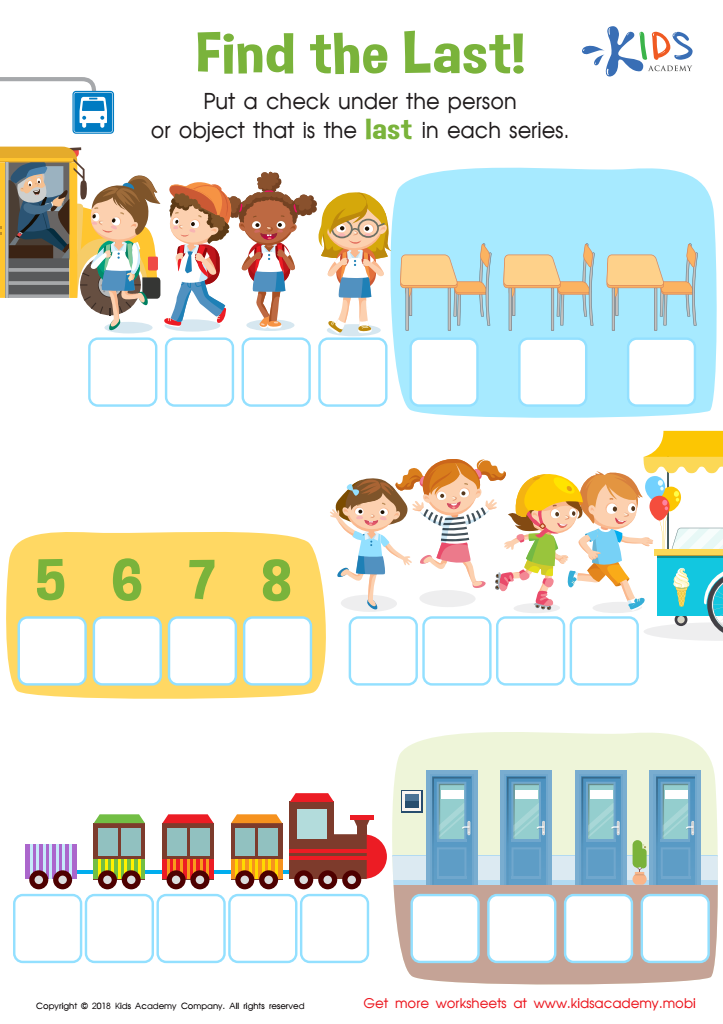
Find the Last! Worksheet
 Assign to My Students
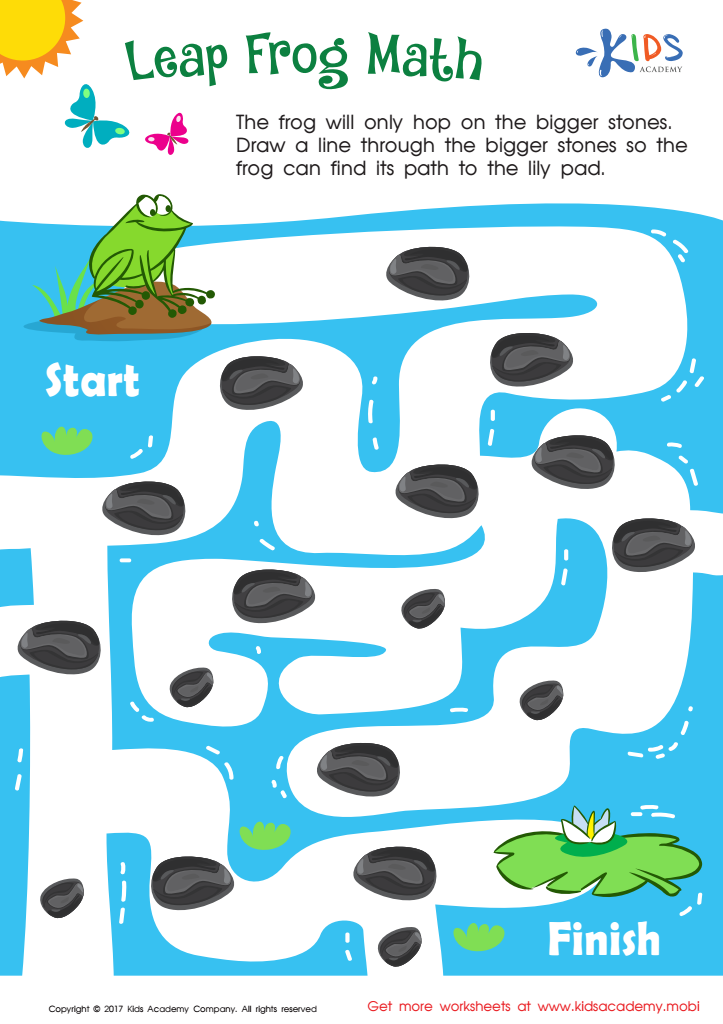
Math Puzzle Worksheet
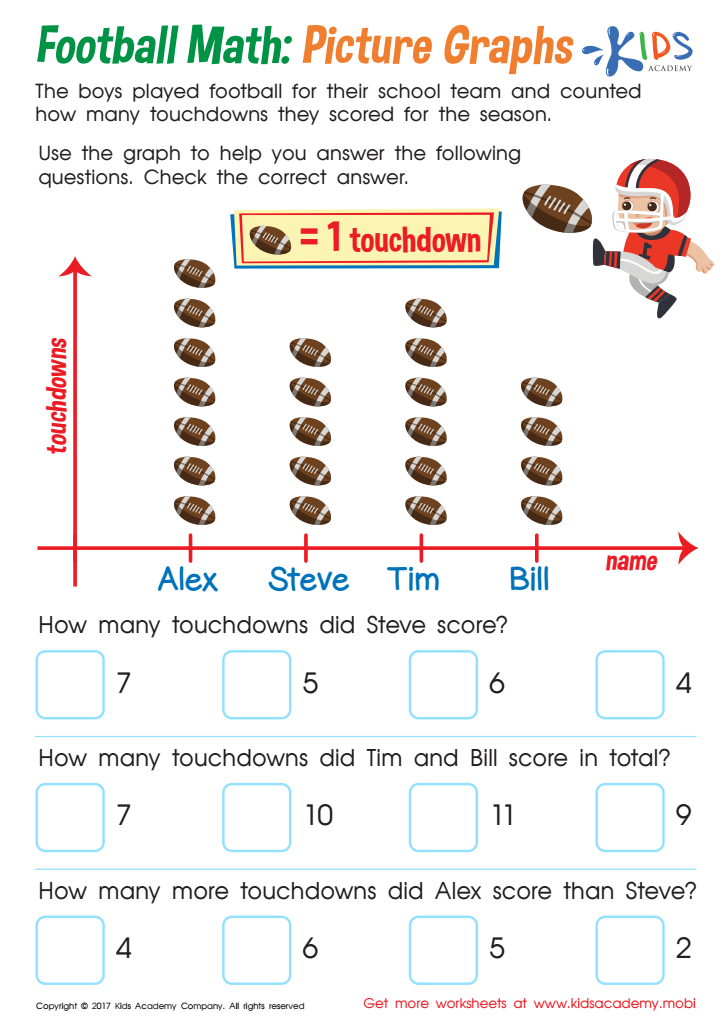
Football Math Worksheet








Logical thinking development in children aged 3-9 is a cornerstone for their overall cognitive growth. During these formative years, children begin to make sense of the world around them, establishing the foundations for problem-solving and critical thinking. Measuring and nurturing logical thinking is vital for several reasons.
Firstly, strong logical thinking skills contribute to academic success. Core subjects like mathematics, reading comprehension, and the sciences require students to follow sequences, recognize patterns, and draw reasoned conclusions. Early development in these areas creates adept learners poised to tackle more complex concepts with confidence.
Secondly, logical thinking fosters essential life skills. It enhances children’s abilities to plan, make decisions, and approach everyday challenges systematically. For example, from solving puzzles and following instructions to negotiating simple conflicts, children develop a framework that aids them in navigating social interactions and self-regulation effectively.
Thirdly, tracking logical thinking development provides valuable insights for tailored educational strategies. Teachers and parents can identify areas where a child might need additional support or enrichment, ensuring personalized growth. By using appropriate assessments, they can pinpoint strengths and weaknesses, allowing for targeted interventions.
Ultimately, prioritizing logical thinking development equips children with indispensable tools for academic and personal success, forming the bedrock of lifelong learning and adaptability.








