Matching numbers Numbers 0–10 Worksheets for Ages 3-9
5 filtered results
Difficulty Level
Grade
Age
-
From - To
Subject
Activity
Standards
Explore our engaging "Matching Numbers 0–10 Worksheets" designed specifically for children ages 3 to 9! These fun and interactive worksheets help young learners strengthen their number recognition and matching skills. Each activity provides a variety of colorful, stimulating exercises that capture children's attention and make learning enjoyable. As they match numbers with corresponding images, kids enhance their cognitive abilities while gaining confidence in their math skills. Perfect for homeschooling, classroom use, or supplemental practice, these worksheets are crafted to support early math education. Unlock your child's potential and foster a love for learning with our matching numbers worksheets today!
Favorites
With answer key
Interactive
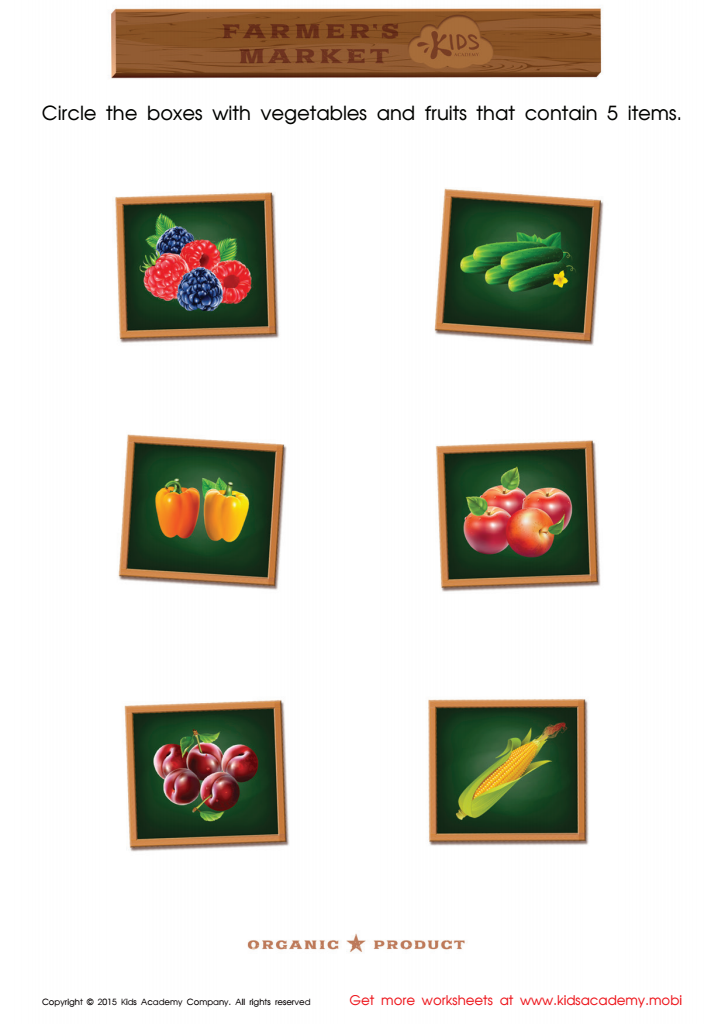
Count and Match Vegetables 1 – 7 Math Worksheet
Print this bright math worksheet from Kids Academy and give your child a fun way to enhance their counting skills. Based on Singapore Math, the colourful pictures make it easy for children to comprehend math. Get additional free worksheets here!
 Assign to My Students
Count and Match Vegetables 1 – 7 Math Worksheet
Worksheet
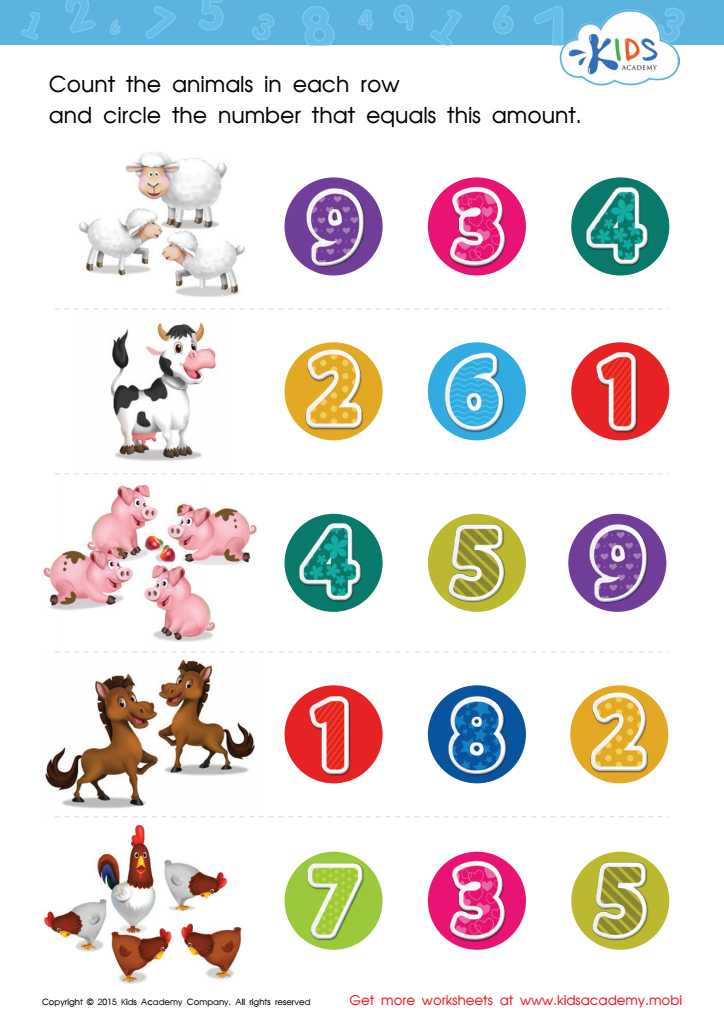
Count and Match 1 – 5 Math Worksheet
Find the colorful worksheet aimed to help your little learner develop their math skills. Count the cute animals and identify the correct numbers based on the Singapore Math method. This worksheet is a fantastic way to start your kid on their mathematical journey.
Count and Match 1 – 5 Math Worksheet
Worksheet
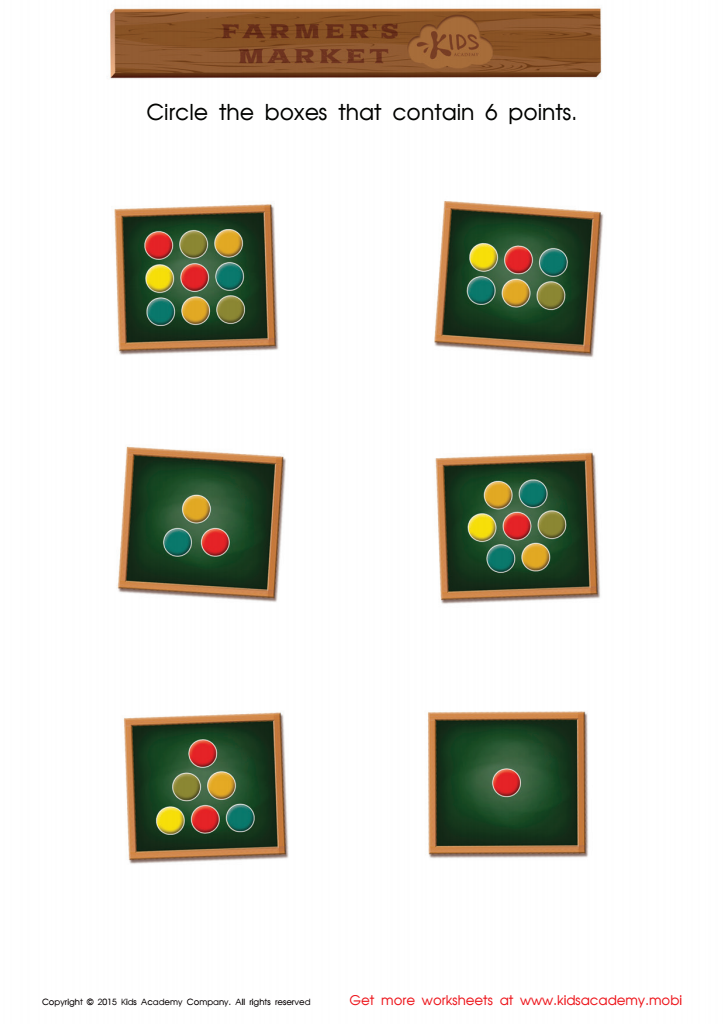
Count and Match Points 6 Math Worksheet
Help your child with mathematics by guiding them with this fun printable worksheet. They will practice counting numbers by looking at all the boxes and circling the ones containing 6 dots. Together you will gain a better understanding of mathematics.
Count and Match Points 6 Math Worksheet
Worksheet
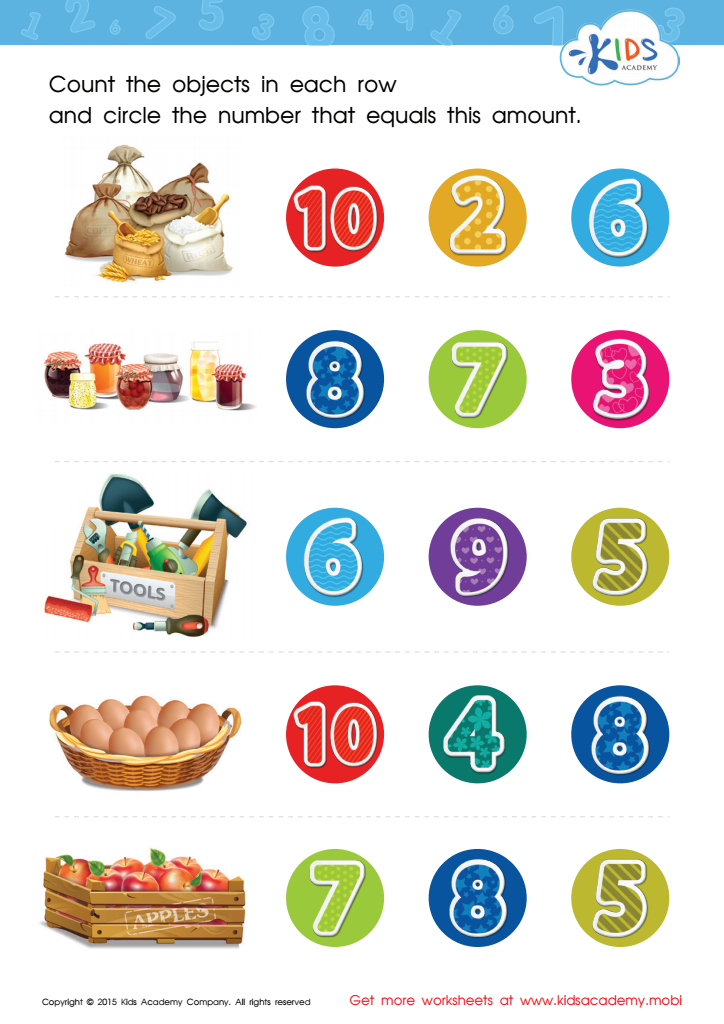
Count and Match 6 – 10 Math Worksheet
Print this fun math worksheet for your kindergartener and help them practice counting up to ten! They'll draw a line from the objects to the correct numbers, visualizing the problem and having fun at the same time. Kids Academy offers more free printable worksheets. Get them now!
Count and Match 6 – 10 Math Worksheet
Worksheet
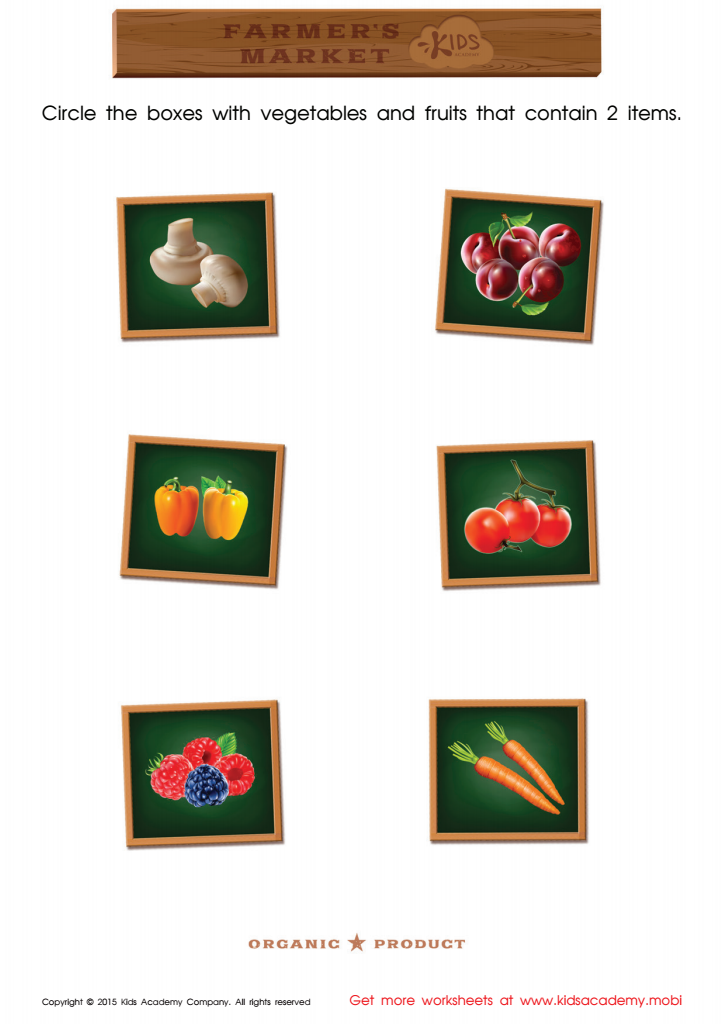
Count and Match Vegetables and Points Math Worksheet
Make your kids excited about math with this free printable kindergarten worksheet! Kids will count up to seven and match boxes with the same number of vegetables. Visualizing the task with this worksheet layout will entertain them while they practice math. Download additional worksheets by topic on Kids Academy.
Count and Match Vegetables and Points Math Worksheet
Worksheet
Join Kids Academy for Free
Who is primarily going to use this learning content?








Matching numbers 0–10 is crucial for children aged 3-9 as it lays the foundation for their mathematical skills and cognitive development. Understanding and recognizing numbers helps children develop number sense, which is the ability to understand quantity, relationships, and basic arithmetic concepts. This skill is vital as it leads to future success in more complex mathematical operations.
Engaging in matching games and activities not only aids in number recognition, but also enhances memory and concentration. Children can learn to associate written numbers with their corresponding quantities, promoting an understanding of one-to-one correspondence, which is essential for basic counting skills.
Moreover, matching activities promote cooperative play, improving social skills and communication as children work together to identify and match numbers. This interaction can foster a love for learning and reinforce positive attitudes towards mathematics.
Parents and teachers should care about these activities as they offer a fun, interactive way to boost essential skills while laying the groundwork for future educational success. By prioritizing number matching in early education, caregivers can help develop confident learners who are well-equipped for the challenges of higher-level math and critical thinking in later years.