Basic arithmetic practice Building Vocabulary Worksheets for Ages 3-9
4 filtered results
-
From - To
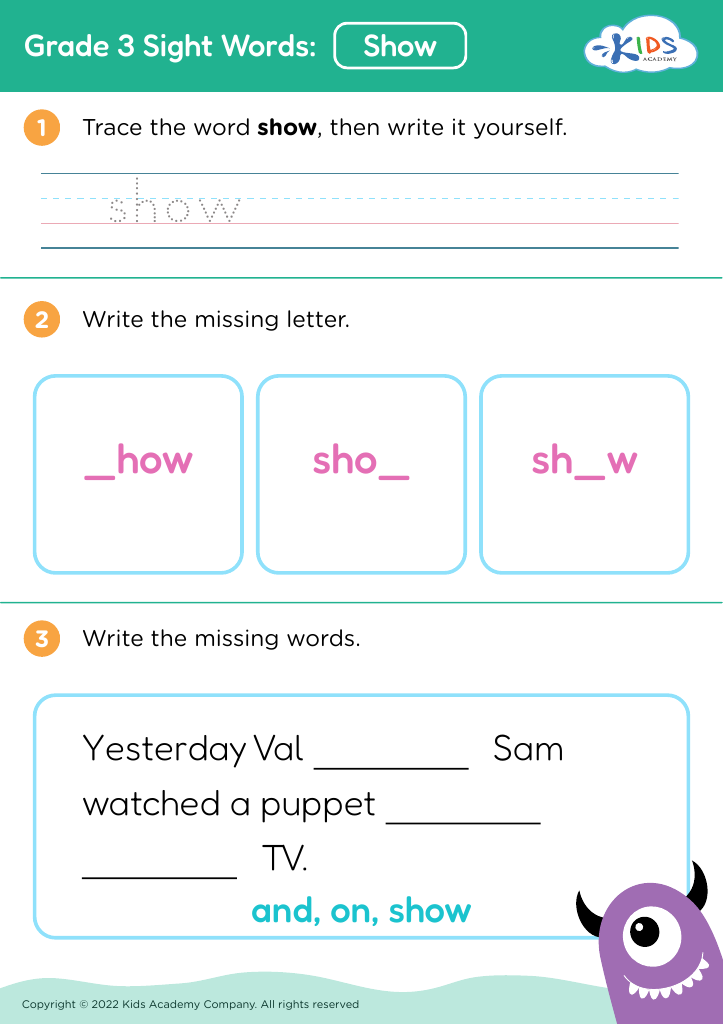
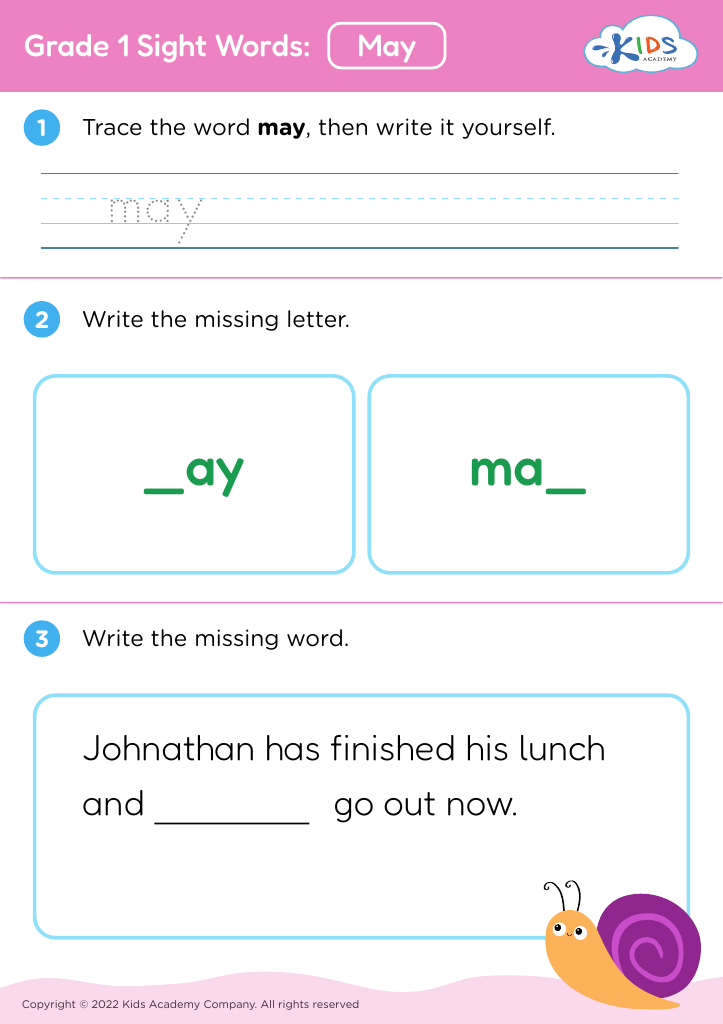
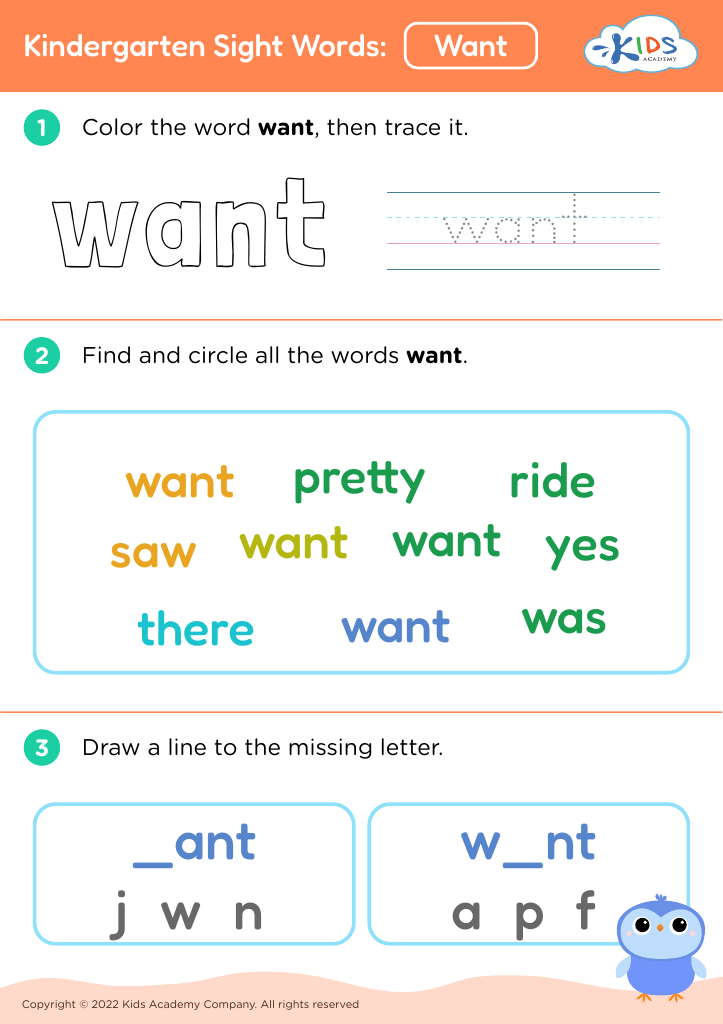
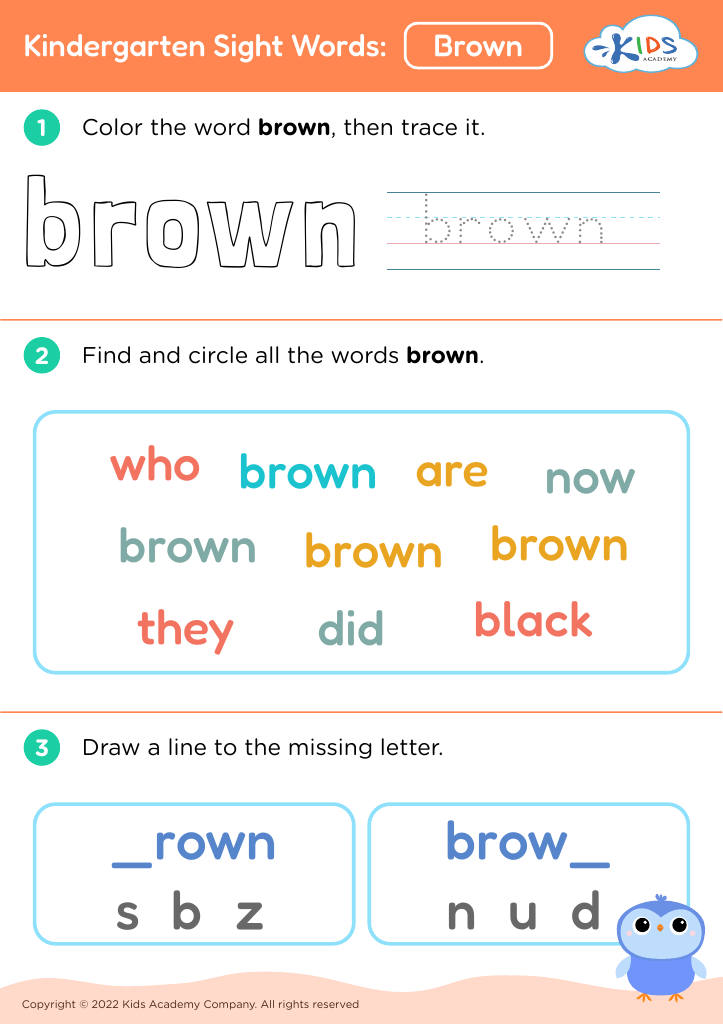
Boost your child’s math skills with our Basic Arithmetic Practice Building Vocabulary Worksheets, designed specifically for ages 3-9. These engaging worksheets make learning fundamental concepts like addition, subtraction, and number recognition fun and interactive. Each activity not only reinforces mathematical understanding but also enhances vocabulary development through relatable context and vocabulary integration. With colorful illustrations and age-appropriate challenges, children will build confidence in their arithmetic abilities while expanding their language skills. These resources are perfect for parents and educators looking to provide a strong foundation in math and literacy. Download and watch your child's enthusiasm for learning grow!



















Basic arithmetic skills and vocabulary building are foundational components of early childhood education that play a critical role in a child's cognitive development. For children aged 3-9, mastering basic arithmetic fosters essential problem-solving skills and logical thinking, which are crucial in everyday activities and later academic success. Engaging children in counting, adding, and subtracting not only enhances their numerical fluency but also promotes a sense of accomplishment and confidence in their abilities.
Moreover, building vocabulary during these formative years is equally important. A robust vocabulary aids in effective communication and comprehension skills, which are vital for reading and overall academic achievement. By exposing children to a diverse range of words and mathematical terminology, parents and teachers equip them with the tools needed for both social interactions and academic discussions.
Integrating both arithmetic practice and vocabulary development in early learning environments leads to a more holistic educational experience. When parents and teachers prioritize these areas, they nurture well-rounded learners who can approach challenges creatively and communicate their thoughts effectively. Consequently, investing time in these foundational skills not only prepares children for formal education but also sets them up for lifelong learning and success.








