Comparing quantities Building Vocabulary Worksheets for Ages 3-9
3 filtered results
-
From - To
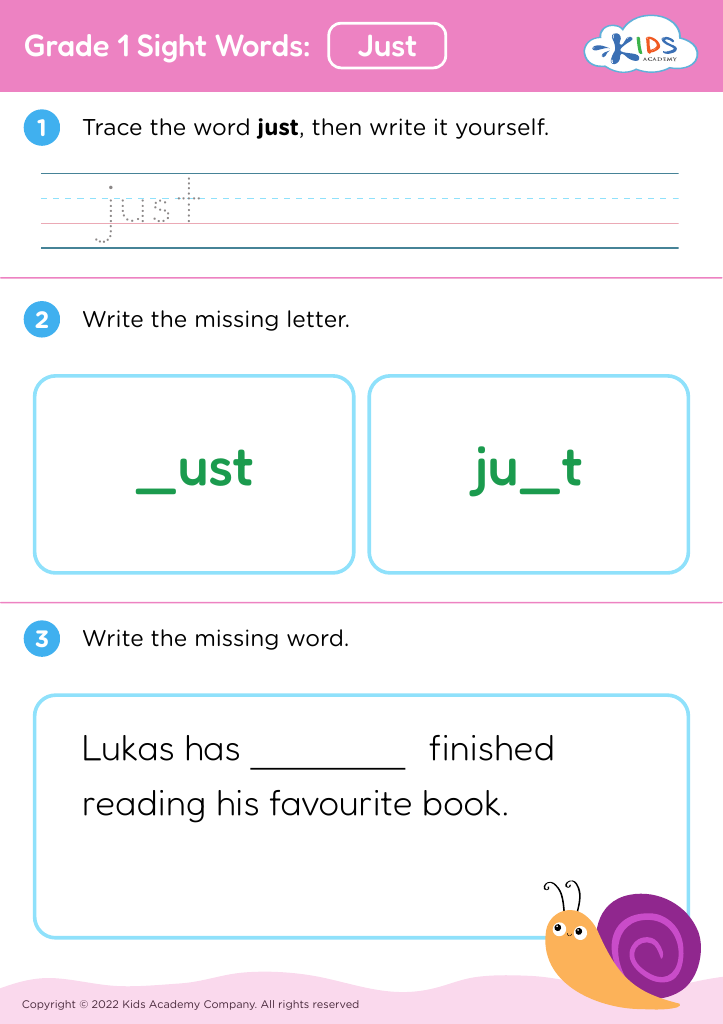
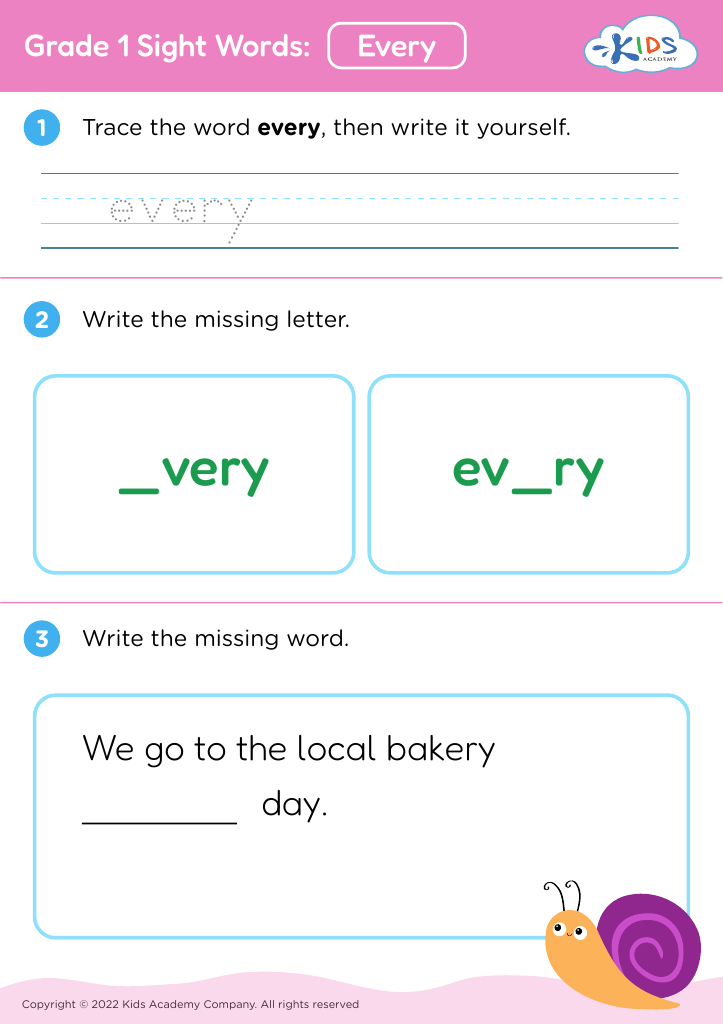
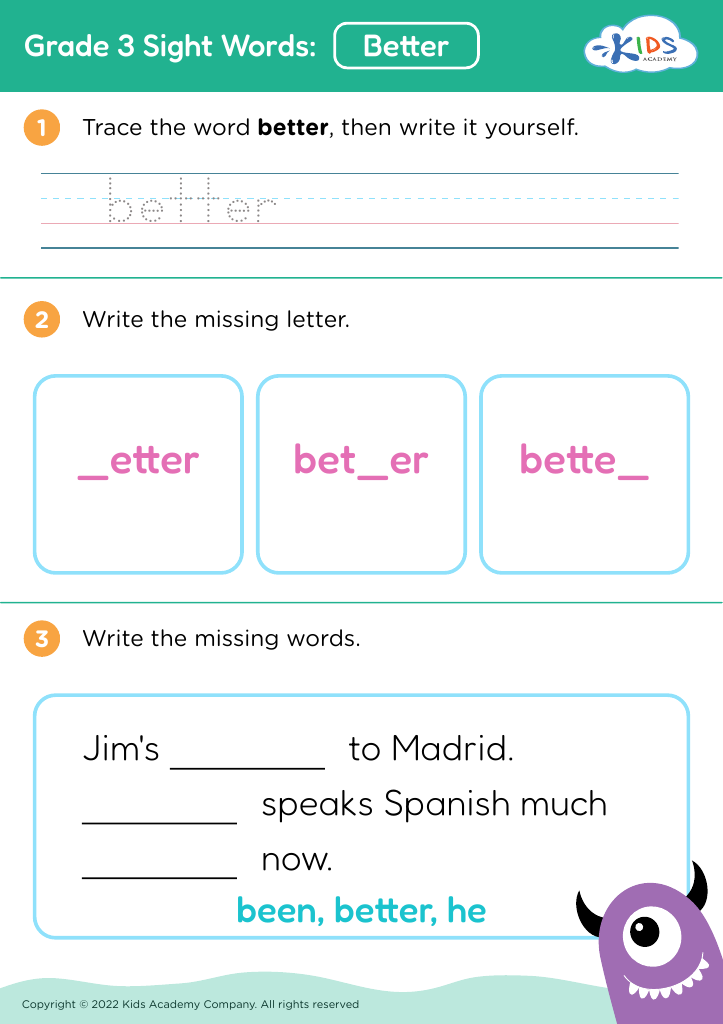
Discover our "Comparing Quantities Building Vocabulary Worksheets" designed for children ages 3 to 9! These engaging worksheets are tailored to enhance vocabulary and cognitive skills while introducing young learners to the concept of comparing quantities. Kids will enjoy colorful activities that promote understanding of big vs. small, more vs. less and same vs. different. Our worksheets encourage interactive learning, making it easier for children to grasp essential mathematical concepts alongside language development. Ideal for parents and educators seeking effective resources, these printable worksheets foster both essential critical thinking skills and vocabulary enrichment, laying a strong foundation for future learning!



















Parents and teachers should prioritize comparing quantities and building vocabulary for children aged 3 to 9 because these skills form the foundation of critical thinking and effective communication. Understanding quantities teaches children basic mathematical concepts such as more/less, equal, and understanding numbers, which are essential for problem-solving and everyday decision-making.
Building vocabulary is equally vital; it enhances a child's ability to express thoughts, ask questions, and understand their world. A rich vocabulary supports reading comprehension and equips children with the language skills necessary for academic success. When children compare quantities, they naturally encounter descriptive words—greater, smaller, heavier, lighter—which further expand their vocabulary in context.
Moreover, the ability to communicate effectively fosters social interaction and emotional intelligence, as children learn to articulate feelings and ideas. As they engage in discussions about quantities, they develop reasoning skills, allowing them to make logical connections.
Together, these competencies enhance cognitive development, encouraging children to explore, inquire, and engage with their environment. Therefore, fostering comparison of quantities and vocabulary grows well-rounded individuals ready for lifelong learning, making it imperative for parents and teachers to focus on these essential skills.








