Improving math skills Building Vocabulary Worksheets for Ages 3-9
5 filtered results
-
From - To
Enhance your child's math skills and vocabulary with our specially designed Building Vocabulary Worksheets for ages 3-9. Created by educational experts, these worksheets seamlessly blend math concepts with engaging vocabulary exercises, fostering both numerical and literacy development. Whether practicing basic counting, addition, or recognizing shapes, kids will enjoy a fun, interactive learning experience. Ideal for young learners, these printables cater to different skill levels, ensuring that your child progresses confidently. Support your child's academic journey with our tailored resources, crafted to boost their math proficiency while expanding their vocabulary from an early age. Explore now!
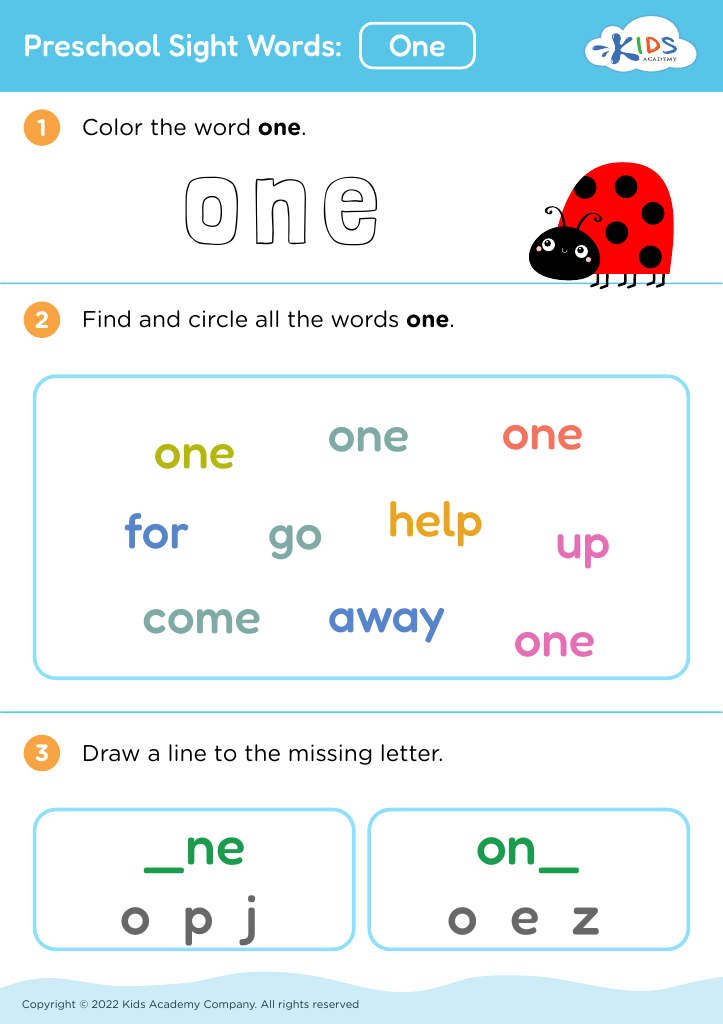











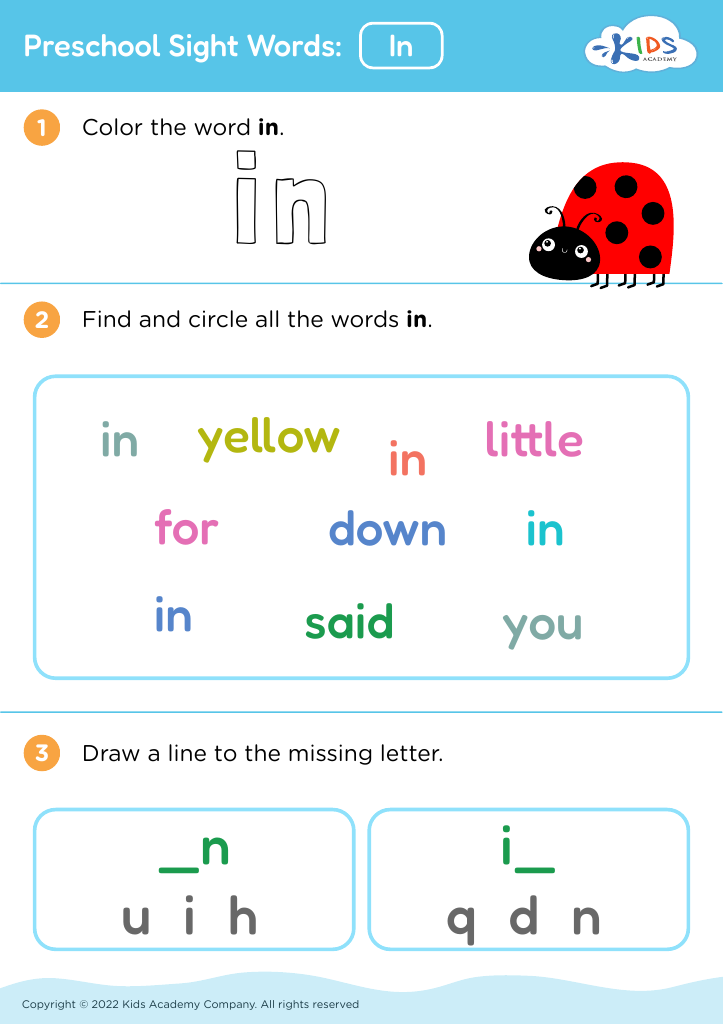
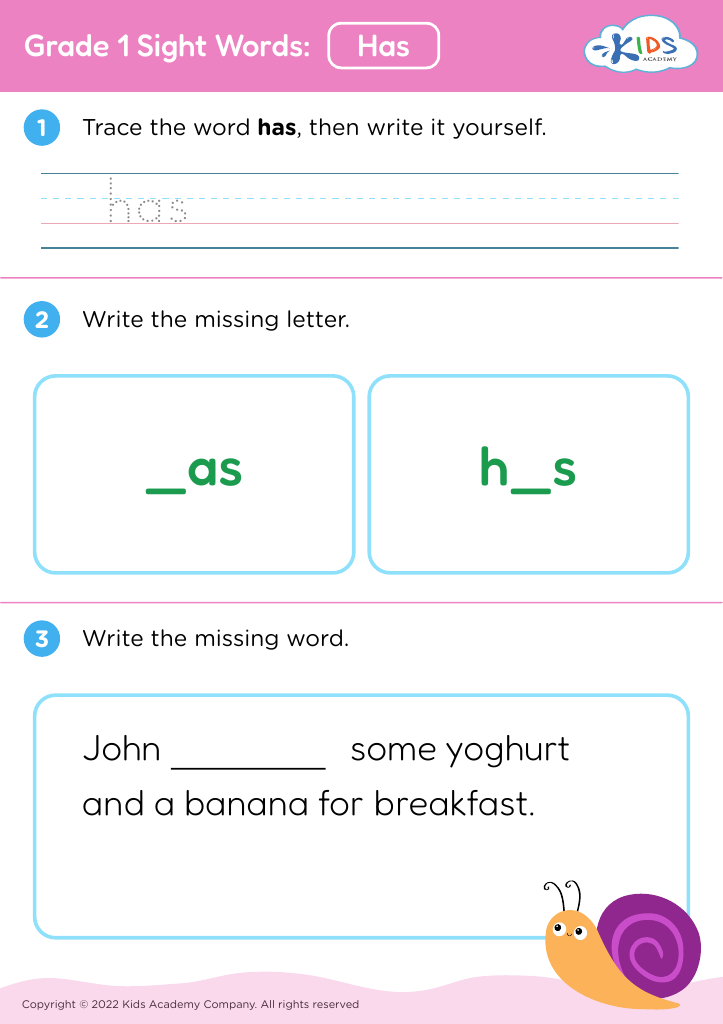
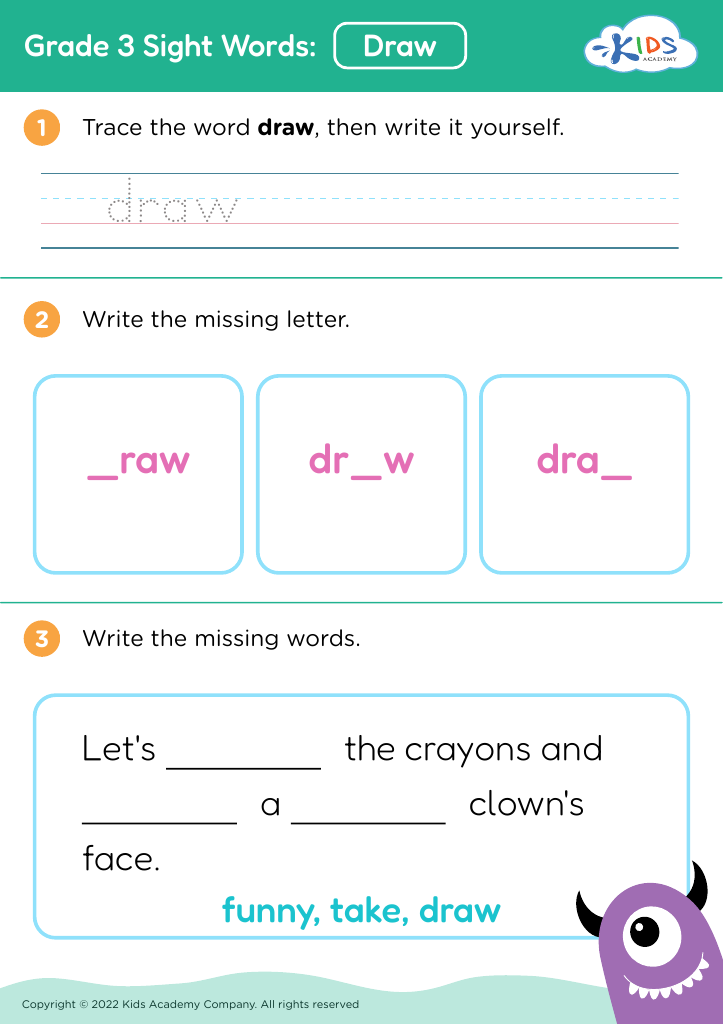
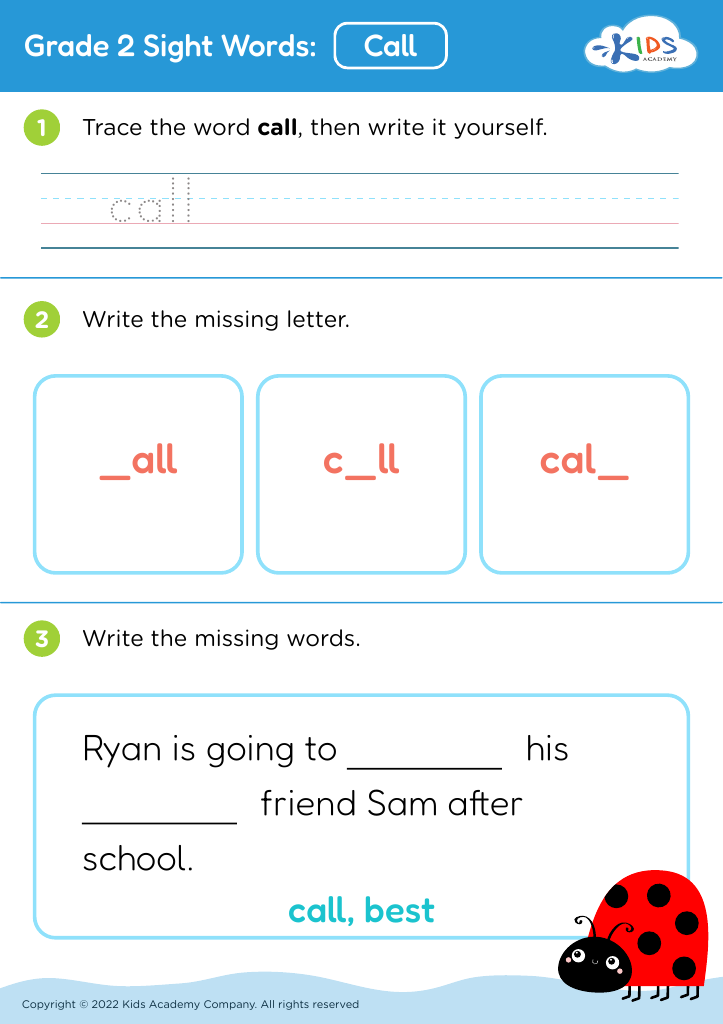








Parents and teachers play a critical role in early childhood development, and focusing on improving math skills and building vocabulary is fundamental for ages 3-9. During this period, children's brains are highly adaptable, making it an optimal time for learning foundational skills that will support future academic success and overall cognitive development.
Improving math skills from a young age promotes problem-solving abilities, logical thinking, and creativity. Children who establish a strong mathematical foundation are more likely to excel in other science, technology, engineering, and mathematics (STEM) fields later in life. Early math skills are often predictors of later academic achievements, and engaging children with fun and age-appropriate math activities fosters a positive attitude towards the subject.
Building vocabulary, on the other hand, is essential for reading comprehension, communication, and overall literacy. A rich vocabulary allows children to express themselves more clearly, understand instructions, and engage with a wide array of texts. Enhanced vocabulary skills can impact social interactions and academic performance positively, helping children to thrive in both school and in everyday life.
Investing time and resources into improving these skills isn’t just about academic performance; it's about equipping children with the abilities they need to comprehend their world, solve complex issues, and communicate effectively, setting them on a trajectory for lifelong success.








