Number identification Building Vocabulary Worksheets for Ages 3-9
5 filtered results
-
From - To
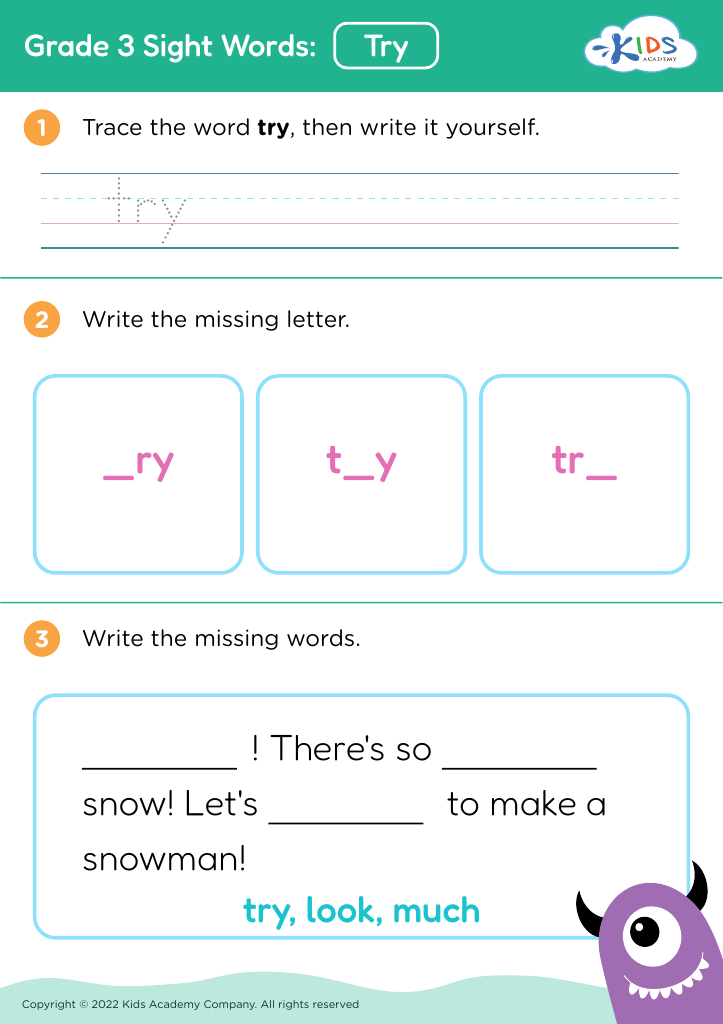
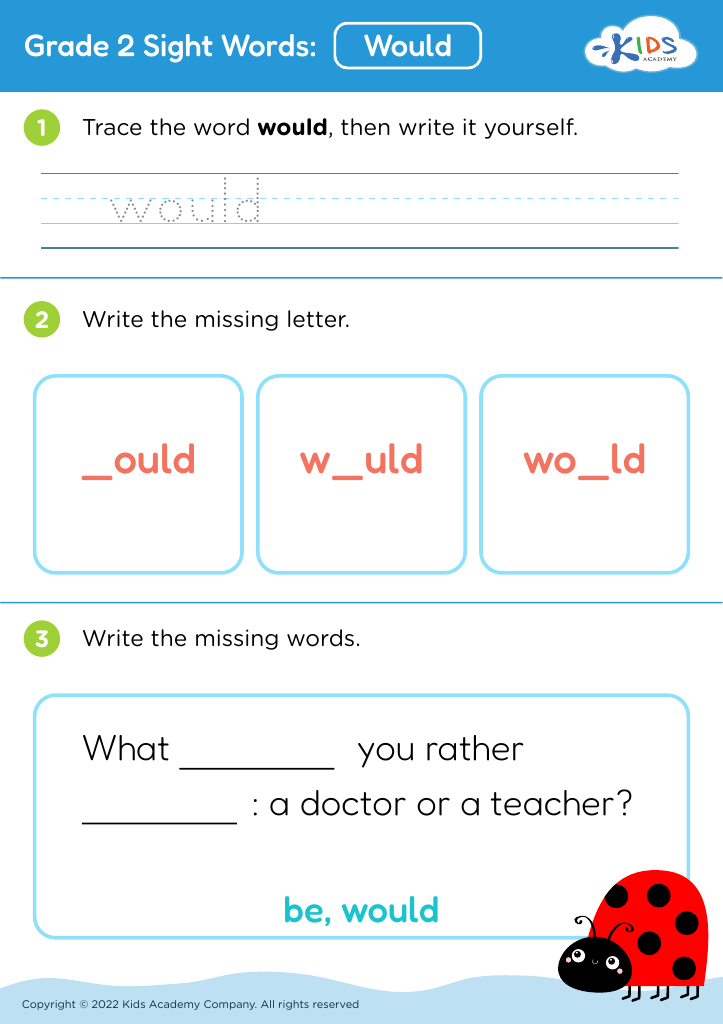
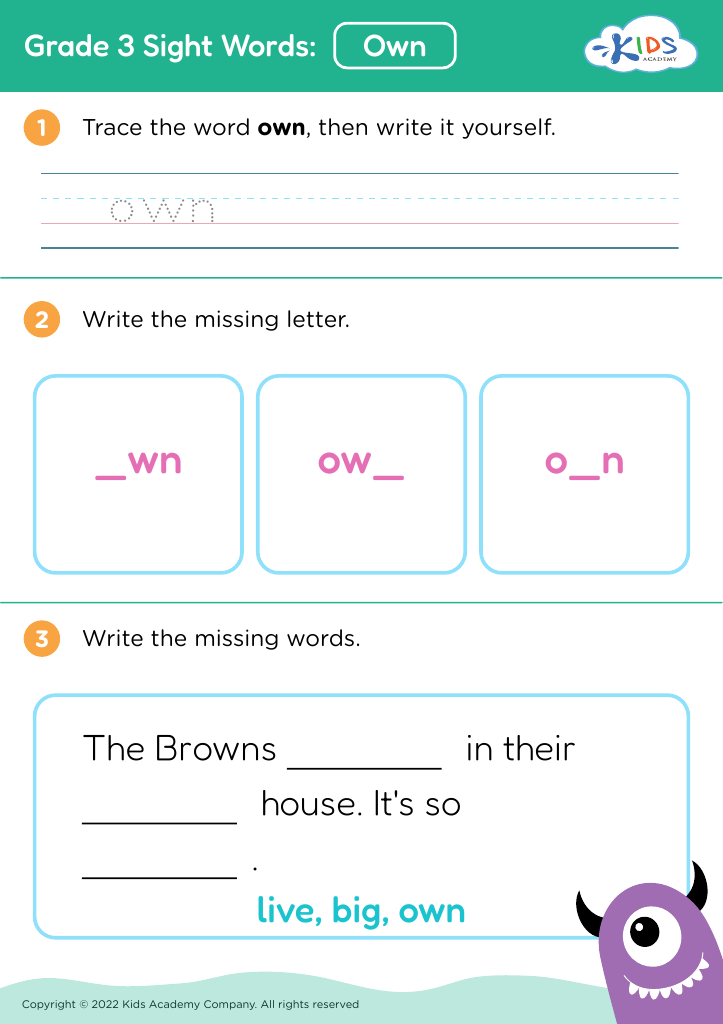
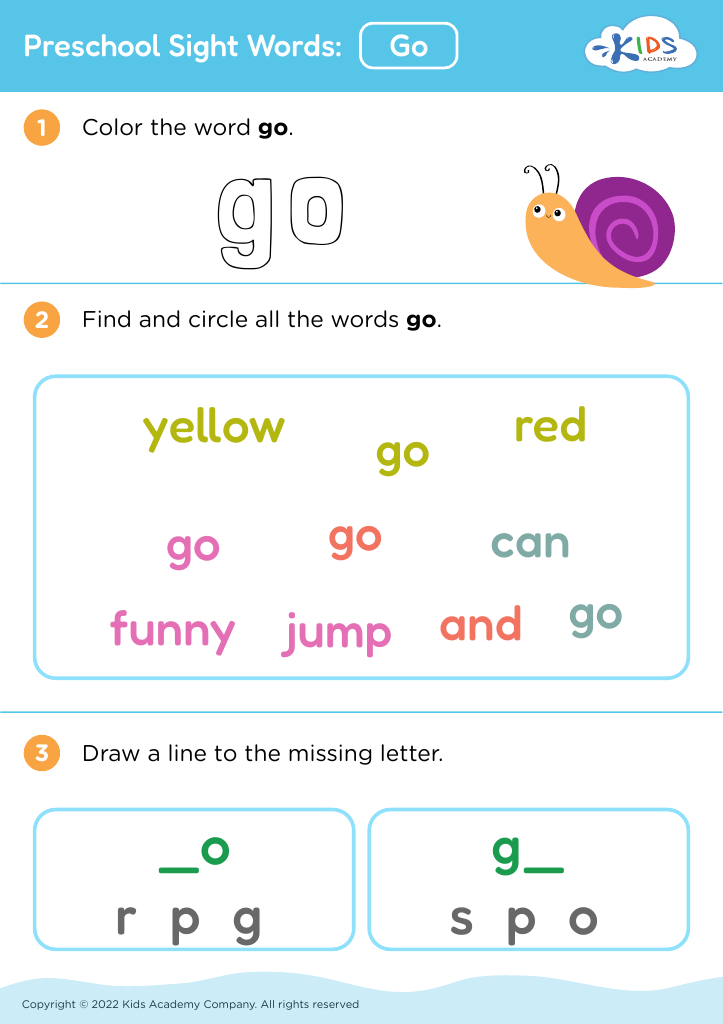
Enhance your child's learning with our "Number Identification Building Vocabulary Worksheets" designed for ages 3-9! These printable worksheets provide a fun and engaging way for young learners to recognize and understand numbers while building essential vocabulary skills. Each activity combines colorful illustrations and interactive exercises, making number identification enjoyable. Perfect for classrooms or home learning, our worksheets cater to various learning styles, ensuring every child can thrive. Foster your child's early math confidence with structured practice, and watch them develop foundational skills that will benefit their educational journey. Download your worksheets today and help your child unlock the world of numbers!


















.jpg)
Number identification and vocabulary building are crucial components of early childhood education that significantly shape a child's cognitive development. For children aged 3-9, strong foundations in these areas foster essential skills for lifelong learning.
Understanding number identification lays the groundwork for mathematical reasoning, helping children recognize numerals, count, and grasp basic arithmetic concepts. This knowledge empowers them to engage effectively with their environment, as numerals are found in everyday situations such as reading addresses, using money, or telling time.
Equally important is vocabulary building, which enhances a child’s communication skills, comprehension, and social interaction. A robust vocabulary enables children to express their thoughts, understand instructions, and engage in conversations—key components for academic success. When teachers and parents prioritize vocabulary, they enrich children's language exposure through reading, storytelling, and engaging discussions, fostering curiosity and vocabulary retention.
Furthermore, a strong command of numbers and vocabulary provides confidence in learning and collaborating with peers. Inscopeful interactions with both subjects prepare children for more complex concepts in both mathematics and language arts as they progress. Ultimately, investing in number identification and vocabulary lays the groundwork for a lifelong love of learning, enabling children to navigate the world around them successfully.








